Key Takeaways
- The global garden seeds market is projected to grow from $3.7 billion to nearly $5.4 billion by 2035, according to market analysis (2025-2035).
- Roses thrive best in soil with a pH between 6.0 and 7.0, with 6.5 being the ideal for nutrient uptake.
- Knock Out Roses are widely recommended for beginners due to their disease resistance and continuous blooming.
- A record 64% of respondents plan to expand their gardens, indicating a growing interest in home gardening (2026).
- Felco pruning shears, such as the Felco No. 2, are highly recommended for precise rose pruning, according to Heirloom Roses.
Most Indian gardeners, especially those in bustling cities like Bangalore or Pune, dream of a vibrant rose bush but worry about the effort. If you’re looking to grow roses for beginners, you’re in the right place, because it’s totally achievable with some simple steps.
Quick Answer: To grow roses, provide at least six hours of daily sunlight, well-draining soil amended with compost, consistent watering, and regular feeding. Prune annually to encourage healthy growth and abundant blooms.
What are the easiest roses to grow for beginners?
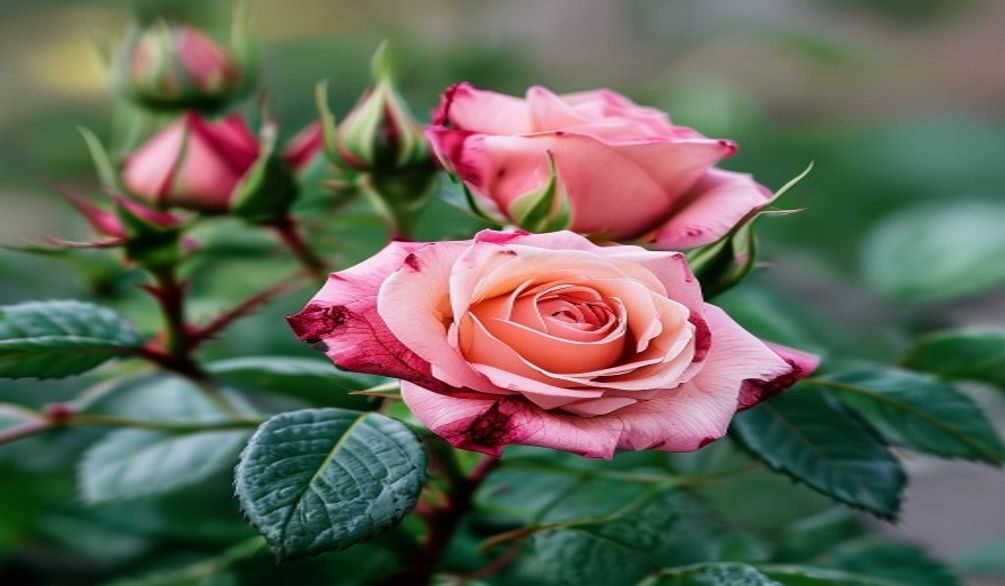
The easiest roses for beginners are typically those known for their disease resistance, continuous blooming, and minimal care requirements. Knock Out Roses and Flower Carpet Roses are frequently cited as excellent, low-maintenance shrub roses, according to Proven Winners. These varieties make it much simpler to grow roses for beginners without constant worry.
You’ll find that some roses are just built tougher, which is a huge relief when you’re just starting out. For instance, Knock Out Roses are practically foolproof. They resist common issues like black spot and powdery mildew, which can be a real headache for new gardeners. I’ve seen many people in Mumbai’s humid climate succeed with them, even when other roses struggle.
Another fantastic option for those who want to grow roses for beginners are the landscape roses like Oso Easy Double Red™ from Proven Winners. These types of roses don’t demand a lot of fussing. They’re bred to be hardy and beautiful, so you get all the visual appeal with less of the work. And let’s be honest, who doesn’t want that?
While classic beauties like some David Austin Roses offer incredible fragrance and form, some of their varieties might require a bit more attention than a true beginner is ready for. David Austin Roses themselves acknowledge that “Roses bring a quiet happiness to a garden. Their beauty feels effortless once they are settled, and even a new gardener can grow them with success” (January 06). But if you’re truly just dipping your toes in, start with the low-maintenance heroes.
What are the 5 basic needs for roses?
Roses fundamentally need adequate sunlight, well-draining soil, consistent watering, proper nutrition, and regular pruning to thrive. These five elements are crucial if you want to successfully grow roses for beginners.
Getting these basics right is more important than any fancy trick. Think of it like cooking a good biryani – you need the right ingredients in the right proportions. Here’s what your roses are asking for:
- Sunlight: Roses need at least six hours of direct sunlight daily. This is non-negotiable. If you’re on a balcony, observe where the sun hits throughout the day. Less sun means fewer flowers and weaker plants.
- Soil: They love rich, well-draining soil. Roses thrive in a soil pH between 6.0 and 7.0, with 6.5 considered ideal for nutrient uptake. I’ve seen many folks in Delhi’s urban gardens struggle because their soil was too heavy or too sandy. Amend your soil with plenty of compost, which helps with both drainage and nutrient retention.
- Water: Consistent moisture is key, especially during dry spells or Indian summer heat (40°C+). Deep watering is better than frequent shallow sprinkles. Aim for about an inch of water per week, adjusting for rainfall.
- Nutrition: Roses are hungry plants. They need regular feeding to produce those beautiful blooms. Larry Hill of Wenke Greenhouses, a rose expert, recommends composted cow manure as it’s cost-effective and won’t burn roots. For container gardens, I actually find that organic fertilizers are overrated for small pots. The soil volume in a 12-inch pot is too small for slow-release nutrients to work the way they do in ground soil. Liquid fertilizers like diluted jeevamrit or seaweed extract work faster and are easier to control in pots.
- Pruning: Regular pruning encourages new growth, more flowers, and maintains the plant’s shape. It also helps remove dead or diseased wood. Heirloom Roses emphasizes the importance of using the right pruning tools for plant health, stating that “Even the most prolific roses… need more than just good soil to thrive; they need ‘surgical’ precision.”
You might have heard that organic fertilizers are always best. In practice, for my balcony gardens, I’ve found that the slow-release nature of many organic options isn’t always efficient in limited soil volumes – liquid feeds give you more immediate control. This is a crucial point when you’re trying to grow roses for beginners in containers, as I’ve done for years.
Where is the best place to plant roses?
The best place to plant roses is an area that receives at least six hours of direct sunlight, has well-draining soil, and good air circulation. Catherine Boeckmann, Executive Digital Editor and Master Gardener at Almanac.com, notes that roses have been cultivated for at least 5,000 years, highlighting their long history of thriving in specific conditions.
Finding that perfect spot can feel like a treasure hunt, right? But it’s worth the effort. For those aiming to grow roses for beginners, choosing the right location makes all the difference. An ideal spot also protects the roses from strong winds, which can damage tender new growth and blooms.
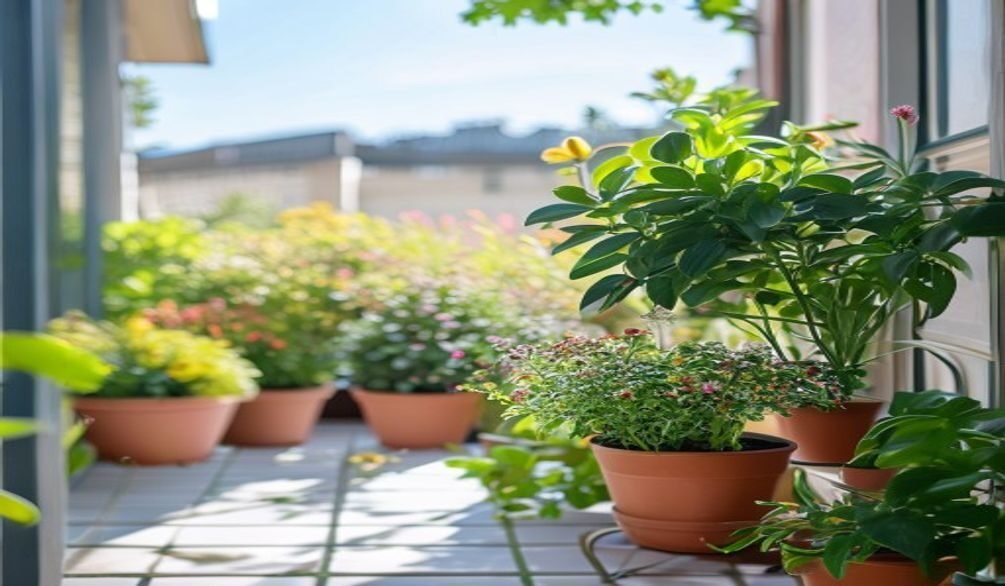
If you’re planting in the ground, ensure there’s enough space for the rose to grow to its mature size without crowding. Good air circulation is vital to prevent fungal diseases, especially in humid climates like Chennai. For container gardening, which is common in Indian cities, pick a spot on your terrace or balcony that gets morning sun and some afternoon shade during the harshest pre-monsoon heat.
Consider the soil. If your garden soil is heavy clay, you’ll need to amend it significantly with compost and sand to improve drainage. If it’s too sandy, compost will help it retain moisture. The key is creating a balanced environment. Remember, 72% of container plants fail due to poor drainage, according to Penn State Extension (2023), so don’t skip this step!
What month do you plant roses?
The ideal month to plant roses depends on your local climate, but generally, it’s best to plant bare-root roses in late winter or early spring, and container roses can be planted almost any time except during extreme heat or cold. In many parts of India, this often means planting after the harshest winter cold or before the intense summer heat and monsoon.
You’ll want to avoid planting when the weather is extreme, whether that’s freezing cold in North India or the scorching 40°C+ heat wave before the monsoon. For bare-root roses, which are dormant, planting when the ground is workable but before new growth begins is perfect. This gives them time to establish roots before they need to support foliage and flowers.
For container-grown roses, which already have an established root system, you have more flexibility. I’ve successfully planted container roses in Bangalore during its mild post-monsoon period. Just make sure you can provide consistent watering if you plant during a warmer spell. A record 64% of respondents plan to plant more and expand their gardens (2026), so nurseries often have good stock during peak planting seasons.
Here’s a quick guide for planting times:
| Rose Type | Ideal Planting Time (Indian Context) | Notes for Beginners |
|---|---|---|
| Bare-root Roses | Late winter to early spring (e.g., Feb-March in North, Nov-Dec in South) | Plant when dormant; establish roots before heat. |
| Container Roses | Anytime except extreme heat/cold (e.g., Post-monsoon, mild winter) | More flexible, but consistent watering is crucial. |
How do you care for roses in their first year?
Caring for roses in their first year involves consistent watering, light feeding, and minimal pruning to help them establish a strong root system. This initial care is crucial to ensure your efforts to grow roses for beginners pay off with healthy, long-lived plants.
The first year is all about establishment. Don’t expect a massive bloom show right away; your rose is busy putting down roots. Think of it like a new sapling – you wouldn’t expect it to bear fruit immediately, would you? Focus on basic needs, and your rose will thank you later.
Step 1: choose the right rose variety
To truly grow roses for beginners, start with varieties known for their resilience and ease of care. Look for disease-resistant shrub roses like Knock Out Roses or Flower Carpet Roses. These varieties are less prone to common problems like black spot, making your gardening journey much smoother. Many local nurseries in India stock these types, often for ₹150–₹300 per plant.
Step 2: prepare your planting site
Preparing the planting site correctly is foundational for healthy rose growth. Choose a spot that gets at least six hours of direct sunlight daily and has excellent drainage. Amend the soil deeply with organic matter like compost or well-rotted cow manure to improve its structure and nutrient content. If you’re using a pot, make sure it’s at least 15-18 inches in diameter for good root development.
Step 3: plant your roses correctly
Planting correctly ensures your rose has the best start. Dig a hole twice as wide as the root ball and just as deep. If it’s a bare-root rose, create a small mound of soil in the center of the hole and spread the roots over it. For container roses, gently remove the plant from its pot, loosen any circling roots, and place it so the graft union (the knobby part where the rose was budded onto rootstock) is at or slightly above soil level. Backfill with your amended soil, gently firming it down, and water thoroughly.
Step 4: water and feed your roses
Consistent watering and proper feeding are vital for the first year. Water deeply two to three times a week, especially during dry periods, ensuring the water reaches the root zone. Avoid overhead watering, which can encourage fungal diseases. For feeding, use a balanced liquid fertilizer at half strength every 2-4 weeks during the growing season. Larry Hill recommends fish emulsion for its natural nitrogen. In my 10 years of experience with balcony gardens, I mixed vermicompost directly into a seed-starting tray at a 30% ratio once, and it burned every seedling within 5 days because the nutrients were too concentrated for young roots. Vermicompost should be used for established plants only, not for germination, and always diluted for young roses.
Step 5: prune and protect your roses
During the first year, pruning should be minimal, focusing on removing dead, damaged, or diseased branches. You’ll also want to deadhead spent blooms to encourage more flowering. As for protection, keep an eye out for pests. A simple neem oil spray can often deter common culprits. In colder regions, a layer of mulch around the base can help insulate the roots. This proactive approach helps you grow roses for beginners without significant setbacks.
What tools and products do you need for rose gardening?
To effectively grow roses for beginners, you’ll need a few essential tools and products, including quality pruning shears, gardening gloves, a sturdy trowel, and appropriate fertilizers. Having the right equipment makes the task much easier and more enjoyable.
Don’t overwhelm yourself with a whole shed full of gear. Start with the basics, and you’ll be well-equipped. Here’s what I recommend:
- Pruning Shears: Invest in a good pair. Felco pruning shears, like the Felco No. 2 or Felco 6, are consistently recommended by experts for their quality, durability, and precise cuts. Sharp shears prevent damage to the rose stems.
- Gardening Gloves: Roses have thorns, right? A sturdy pair of rose gloves with long cuffs will save your hands and forearms from scratches.
- Trowel and Shovel: For digging planting holes and working with soil. A small trowel is perfect for container work, while a shovel is needed for in-ground planting.
- Watering Can or Hose with a Gentle Sprayer: Consistent watering is crucial. A watering can gives you control for container plants, and a hose attachment works well for larger beds.
- Compost: Essential for enriching soil and improving drainage. You can buy good quality compost at local nurseries or make your own.
- Fertilizer: A balanced rose-specific fertilizer (liquid or granular) is ideal. For systemic protection against pests and diseases, some gardeners use products like Bayer All-in-One, which combines fertilizer, insecticide, and fungicide. However, always read the label carefully, especially if you have pets or children. Larry Hill also recommends Miracid for lowering soil pH if needed.
- Mulch: A 2-3 inch layer of mulch, like Gold Rush mulch or even dry leaves and wood chips, helps retain soil moisture, suppress weeds, and regulate soil temperature.
You don’t need to buy the most expensive versions of everything, but good pruning shears are worth the investment. I once tried cheap shears, and they bruised the stems instead of cutting cleanly, which can actually invite disease. That’s why I always recommend Felco – they’re precise and last forever.
Frequently asked questions
What are the best low-maintenance roses for beginners?
The best low-maintenance roses for beginners are typically shrub roses such as Knock Out Roses and Flower Carpet Roses, known for their disease resistance and continuous blooming. These varieties require less pruning and are more forgiving of common gardening mistakes. Many gardeners find them easier to grow than more delicate hybrid tea roses.
How much sun do roses need daily?
Roses require at least six hours of direct sunlight every day to produce abundant blooms and maintain vigorous growth. Insufficient sunlight can lead to leggy plants, fewer flowers, and increased susceptibility to diseases, according to The Old Farmer’s Almanac. Position your roses in the sunniest part of your garden or balcony.
Can i grow roses in pots or containers?
Yes, you can absolutely grow roses in pots or containers, especially smaller, compact varieties. Choose a container at least 15-18 inches in diameter with good drainage holes, and use a high-quality potting mix amended with compost. This method is popular for balcony and terrace gardens in Indian cities like Bangalore.
What kind of soil do roses prefer?
Roses prefer well-draining, rich loamy soil with a slightly acidic to neutral pH, ideally between 6.0 and 7.0. Amending heavy clay soils with organic matter like compost or well-rotted manure significantly improves drainage and aeration, which is crucial for root health. Poor soil is a common reason why roses struggle.
When should i fertilize my roses?
You should fertilize your roses regularly during their active growing season, typically starting in early spring after new growth appears and continuing every 4-6 weeks until late summer. Avoid fertilizing in late fall or winter, as this can stimulate tender new growth susceptible to cold damage. The global garden seeds market is expected to rise from about $3.7 billion to nearly $5.4 billion by 2035, indicating a broader interest in proper plant nutrition (2025-2035).
Learning to grow roses for beginners doesn’t have to be a daunting task. By focusing on the right variety, providing adequate sunlight and well-draining soil, consistent watering, and basic pruning, you can enjoy these beautiful blooms in your own garden. Remember, every gardener starts somewhere, and with these simple steps, you’re well on your way to cultivating a stunning rose display. Don’t be afraid to get your hands dirty; the reward of a fragrant, vibrant rose is truly worth it.