Key Takeaways
- 55% of American households engaged in gardening activities in 2025, according to the National Gardening Association (2025).
- The average return on investment for food gardening was an impressive 757% in 2021, showing significant economic benefit.
- Indoor gardening, especially container gardening, experienced the fastest growth among all gardening activities in 2022.
- Approximately two out of three households planning to garden more in 2026 cite inflation as a key motivator.
- Horticulturist Carrie Kelly emphasizes proper watering and pinching to prevent common herb fatalities indoors.
**Growing Culinary Herbs Indoors 2026** offers an incredibly rewarding way to infuse your daily cooking with lively, fresh flavors. Have you ever wished for a snip of fresh basil in January or a sprig of rosemary for your dinner right from your kitchen counter? This guide will walk you through everything you need to know to establish and maintain a flourishing indoor herb garden this year, ensuring you always have gourmet ingredients at your fingertips.
Quick Answer: Growing culinary herbs indoors in 2026 enhances your kitchen with fresh flavors year-round, reduces waste, and offers a therapeutic hobby. Use simple pots or advanced hydroponic systems for easy access to popular and unique herbs.
Why Grow Culinary Herbs Indoors in 2026?
You’re probably wondering why you should bother with Growing Culinary Herbs Indoors 2026. Well, it’s pretty simple: fresh flavors for your cooking, sure, but also a nice little boost to your mood. You won’t have to worry about weird weather messing with your plants outdoors; you’ll get fresh stuff year-round. And get this: 55% of American homes were gardening in 2025, showing just how popular this activity is, says the National Gardening Association (2025). Money worries? That’s a big one. Two out of three households who plan to garden more in 2026 say inflation is driving them. Makes sense, doesn’t it? We’re all looking for ways to save cash and be a bit more self-reliant. Here’s the catch: Ever run out of fresh herbs mid-recipe? Or paid way too much for those sad, little plastic packs at the store? You won’t have to anymore. Growing your own saves hassle and a ton of money. Seriously, gardening can be a fantastic investment; in 2021, the average return on food gardening was a whopping 757%! But honestly, gardening isn’t just about the money or convenience. It’s really good for your mental state. Kofi Richter from Richters Herbs put it best: “Growing your own food, your own medicine, your own flavours — these are simple but profound acts of self-reliance. They remind us that life doesn’t happen only through a screen. It happens in soil, in sunlight, in quiet mornings, in green shoots pushing their way through the cold.” That quote — I couldn’t agree more — perfectly sums up how calming it’s to care for plants.
Easiest Culinary Herbs to Grow Indoors for Beginners
The easiest culinary herbs to grow indoors for beginners are those that tolerate varied conditions and require minimal fuss, making **Growing Culinary Herbs Indoors 2026** accessible to everyone. Selecting tough varieties ensures a higher chance of success, which is especially encouraging for new gardeners. For example, basil is a fantastic starter herb, with new varieties like ‘Treviso’ offering resistance to common issues like downy mildew and powdery mildew, as highlighted in 2026 seed catalogs from suppliers like True Leaf Market.
Step 1: Choose Your Herbs Wisely
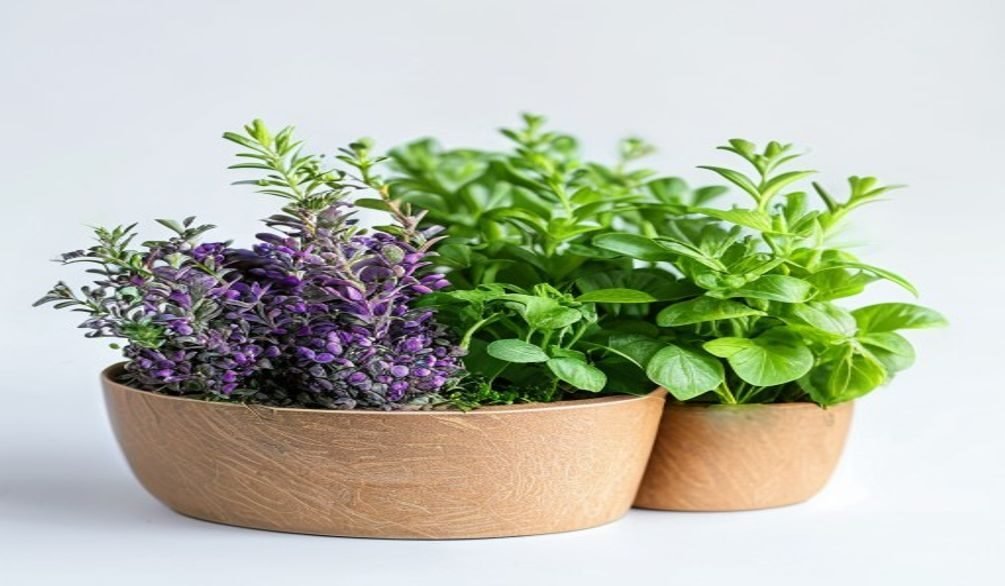
Choosing the right herbs is paramount for a successful indoor garden. Certain varieties thrive better than others in controlled indoor environments, making your venture into **Growing Culinary Herbs Indoors 2026** much smoother. Focus on herbs that don’t need extensive root space or extreme temperature fluctuations. Consider these reliable choices for your indoor setup:
- Basil: Loves warmth and light. Pinch off the top leaves regularly to encourage bushy growth.
- Mint: Very forgiving and vigorous. Best grown in its own pot to prevent it from overtaking other plants, as it spreads aggressively.
- Chives: Easy to grow from seed or bulb. They need consistent moisture and bright light.
- Parsley: Prefers cooler temperatures than basil. Keep the soil moist and harvest outer stems.
- Oregano: A sun-lover that thrives in well-drained soil. It’s quite drought-tolerant once established.
- Thyme: Needs plenty of light and prefers to dry out slightly between waterings. Its small leaves make it ideal for compact spaces.
- Rosemary: Can be a bit trickier but worth the effort. It needs bright light and excellent drainage, often preferring to be on the drier side.
Each of these herbs contributes unique flavors to your cooking, making **Growing Culinary Herbs Indoors 2026** a culinary advantage.
Beyond the Basics: Underrated Herbs for Your 2026 Kitchen
Exploring underrated herbs can truly elevate your cooking and add unexpected dimensions to your culinary repertoire, making your efforts in **Growing Culinary Herbs Indoors 2026** even more exciting. While popular herbs are wonderful, these less common varieties offer unique flavors and textures that can transform everyday dishes into something special. Many gardeners overlook these gems, missing out on their distinct contributions to the kitchen. Consider these remarkable herbs for an adventurous indoor garden:
- Mexican Tarragon (Tagetes lucida): Offers an anise-like flavor, a fantastic substitute for French tarragon in warmer climates or indoors. It’s more resilient to heat and humidity than its European cousin.
- Lemon Verbena (Aloysia citrodora): Known for its intensely lemony scent and flavor, perfect for teas, desserts, and poultry dishes. It prefers bright light and moderate watering.
- Summer Savory (Satureja hortensis): A peppery, slightly minty herb, excellent with beans, stews, and roasted meats. It grows quickly and tolerates indoor conditions well.
- Lovage (Levisticum officinale): Tastes like a mix of celery and parsley, with a hint of yeast extract. Its strong flavor means a little goes a long way. It can get large, but younger leaves are perfect for indoor use.
- Chervil (Anthriscus cerefolium): A delicate, anise-flavored herb, often used in French cuisine. It prefers cooler temperatures and partial shade, making it suitable for less sunny spots in your home.
- Holy Basil (Tulsi, Ocimum tenuiflorum): Beyond its culinary uses, this herb is revered for its medicinal properties. It has a spicy, clove-like flavor and thrives in warm, sunny conditions, just like common basil.
- French Sorrel (Rumex acetosa): Offers a bright, lemony tang. Excellent in salads, soups, and sauces. It’s a perennial that will provide fresh leaves for months.
Introducing these herbs into your home garden won’t only expand your cooking options but also spark interesting conversations among your guests. This innovative approach to **Growing Culinary Herbs Indoors 2026** sets your kitchen apart.
Choosing the Right Indoor Herb Garden System for 2026
Selecting the appropriate indoor herb garden system is crucial for sustained success in **Growing Culinary Herbs Indoors 2026**, matching your lifestyle, budget, and desired level of involvement. The right system can automate much of the care, ensuring your herbs thrive even with a busy schedule. Consider what features matter most to you before investing.
Step 2: Select Your Growing Method & System
Your choice of growing method directly impacts the effort and equipment required. For many, a simple pot works perfectly, but modern technology offers exciting alternatives. Deciding how to approach **Growing Culinary Herbs Indoors 2026** is about finding what fits your space and commitment. Here are the primary methods and popular systems:
- Traditional Container Gardening: The simplest approach, using pots filled with soil. This method is highly flexible and cost-effective. Ensure pots have drainage holes to prevent root rot, a common issue according to horticulturist Carrie Kelly.
- Hydroponics: Growing plants in water with nutrient solutions, without soil. This method often results in faster growth and uses less water than traditional soil gardening, as water is recirculated.
- Aeroponics: Similar to hydroponics, but roots are suspended in the air and misted with nutrient solution. This provides excellent oxygenation to the roots.
For those seeking convenience and efficiency, several indoor gardening systems dominate the market for **Growing Culinary Herbs Indoors 2026**:
| System Name | Type | Key Features for 2026 | Ideal For |
|---|---|---|---|
| AeroGarden Harvest Elite | Hydroponic | Automated LED grow lights, water reminders, easy pod system, compact design. Frequently cited as a top-performing system. | Beginners, small kitchens, consistent herb supply. |
| iDOO Hydroponics Growing System | Hydroponic | Adjustable grow lights, automated cycles, capable of housing multiple plants (up to 12). Achieves 4.5-star average from over 7,403 Amazon reviews. | Value seekers, slightly larger yields, moderate automation. |
| Click & Grow Smart Garden 3 | Hydroponic (Smart Soil) | Compact size, “Smart Soil” pods, automated watering and lighting, virtually guarantees success. Recommended for beginners. | Small spaces, absolute beginners, minimal effort. |
| Gardyn Home Kit 4.0 | Hydroponic | High capacity (up to 30 plants), built-in cameras for plant health monitoring, app control. | Advanced users, larger households, tech enthusiasts. |
Each of these systems makes **Growing Culinary Herbs Indoors 2026** simpler, with varying levels of automation and capacity to fit your needs. Choosing the right one ensures you’ll have fresh herbs with minimal fuss.
Essential Care Tips: Keeping Your Indoor Culinary Herbs Thriving
Keeping your indoor culinary herbs thriving requires consistent attention to their fundamental needs, ensuring your efforts in **Growing Culinary Herbs Indoors 2026** yield a continuous harvest. Proper care is the bedrock of a successful indoor garden, preventing common pitfalls that lead to plant decline. As horticulturist Carrie Kelly succinctly puts it, “most people kill their herbs with too much water,” emphasizing the critical role of thoughtful irrigation.
Step 3: Plant & Propagate Your Herbs
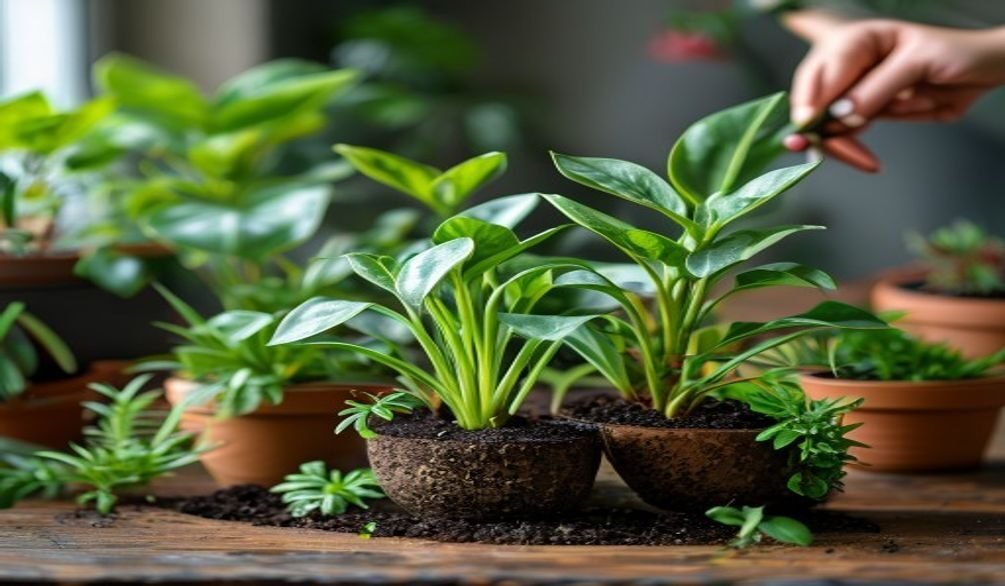
Starting your herbs successfully sets the stage for healthy growth. Whether from seed, seedling, or cutting, careful planting is key for **Growing Culinary Herbs Indoors 2026**. Good practices here prevent early stress for your plants. * From Seed: Plant seeds in a high-quality seed-starting mix. Provide gentle warmth and consistent moisture until germination. Basil, chives, and cilantro sprout readily from seed.
* From Seedlings/Potted Plants: Gently remove the plant from its nursery pot, loosen any circling roots, and transplant into a slightly larger container. For excellent drainage, which is crucial, I often mix perlite into my potting soil.
* From Cuttings: Many herbs like mint, basil, and rosemary can root in water or moist soil. Just snip a healthy stem below a leaf node, remove lower leaves, and place in water or soil. This is a super economical way to expand your **Growing Culinary Herbs Indoors 2026** collection. You can learn more about growing herbs in small spaces, perfect for cuttings, at Growing Herbs Small Apartment: Easy Tips for 2026.
Step 4: Provide Optimal Light & Temperature
Adequate light and stable temperatures are non-negotiable for lively herb growth. These environmental factors dictate the speed and health of your **Growing Culinary Herbs Indoors 2026**. Herbs need specific conditions to photosynthesize effectively. * Light: Most culinary herbs demand at least 6-8 hours of bright light daily. A south-facing window is ideal, but supplemental grow lights are often necessary, especially during shorter winter days. LED grow lights are energy-efficient and effective. For more detailed insights, consider consulting Best Lighting for Indoor Herbs: Year-Round Success Guide.
* Temperature: Maintain a consistent room temperature between 65-75°F (18-24°C). Avoid placing herbs near drafty windows or heating vents, which can cause stress.
Step 5: Water & Fertilize Appropriately
The correct watering and fertilization regimen prevents both root rot and nutrient deficiencies. Master these techniques, and you’ll be well on your way to successful **Growing Culinary Herbs Indoors 2026**. It’s all about balance here. * Watering: Check soil moisture regularly. Stick your finger an inch or two into the soil; if it feels dry, it’s time to water. Water thoroughly until it drains from the bottom of the pot. As Carrie Kelly advises, “most people kill their herbs with too much water,” so always err on the side of slightly dry rather than overly wet. Porous, well-drained soil is paramount, according to the University of Connecticut Home Garden Education Office (2025).
* Fertilizing: Indoor herbs generally benefit from a diluted liquid fertilizer every 2-4 weeks during their active growing season. Use a balanced, all-purpose plant food at half strength to prevent nutrient burn. Hydroponic systems, of course, require specific nutrient solutions.
Harvesting & Preserving Herbs for Year-Round Flavor
Mastering harvesting techniques and different preservation methods ensures you get the most out of your indoor herb garden, extending the bounty from your **Growing Culinary Herbs Indoors 2026** throughout the entire year. Proper harvesting encourages continuous growth, while preservation locks in peak flavor. Don’t just snip haphazardly; there’s an art to it.
Step 6: Prune & Harvest Regularly for Growth
Regular pruning and harvesting are vital not only for obtaining fresh herbs but also for encouraging your plants to become bushier and more productive. This proactive approach helps maintain the health and vigor of your **Growing Culinary Herbs Indoors 2026**. Without it, herbs can become leggy and produce fewer leaves. * Pinching: For herbs like basil and mint, pinch off the top sets of leaves and the flower buds as they appear. This directs the plant’s energy into producing more foliage, rather than going to seed. Carrie Kelly emphasizes this practice for basil to encourage bushiness.
* Harvesting Leaves: Snip individual leaves or small stems as needed. Always try to harvest from the top and sides, rather than just stripping leaves from the bottom.
* Harvesting Stems: For herbs like rosemary or thyme, cut stems a few inches long. Never remove more than one-third of the plant at a time to avoid shocking it.
Step 7: Preserve Your Herb Bounty
Preserving your herbs means you can enjoy their flavors long after harvest, making your efforts in **Growing Culinary Herbs Indoors 2026** truly pay off. different methods suit different herb types and culinary applications. Consider these effective preservation techniques:
- Freezing:
- In Water/Oil: Chop herbs finely, place in ice cube trays, cover with water or olive oil, and freeze. Once frozen, transfer cubes to a freezer bag. This works wonderfully for basil, parsley, and cilantro.
- Blanched & Frozen: For herbs like basil, quickly blanch leaves in boiling water, then plunge into ice water. Pat dry, chop, and freeze in an airtight container. This preserves color and flavor.
- Drying:
- Air Drying: Tie small bundles of herbs (rosemary, thyme, oregano) and hang them in a warm, dry, well-ventilated area away from direct sunlight.
- Dehydrator: A food dehydrator offers a quick, controlled drying method for most herbs.
- Oven Drying: Spread herbs on a baking sheet at the lowest oven temperature with the door slightly ajar until brittle.
- Herb Salts/Sugars: Finely chop herbs like rosemary or lavender and mix them into sea salt or granulated sugar. Store in airtight jars. These make fantastic gifts and flavor enhancers.
- Infused Vinegars: Gently bruise herb sprigs (tarragon, dill, chives), place them in a clean bottle, and fill with white wine vinegar or apple cider vinegar. Let steep for 2-4 weeks, then strain.
These methods ensure you maximize the longevity and utility of your homegrown herbs, enhancing your kitchen year-round thanks to **Growing Culinary Herbs Indoors 2026**.
Integrating Smart Tech & Sustainable Practices into Your Herb Garden
Integrating smart technology and sustainable practices can a lot enhance the efficiency, enjoyment, and environmental footprint of your indoor herb garden, marking a forward-thinking approach to **Growing Culinary Herbs Indoors 2026**. This blend optimizes growth while minimizing waste and resource consumption. Modern solutions offer convenience and eco-consciousness. Smart gardens, like the Gardyn Home Kit 4.0, exemplify how technology simplifies indoor gardening. This system includes built-in cameras for plant health monitoring and allows for app control, letting you manage your garden remotely. Such innovations provide consistent growing conditions and immediate feedback, removing much of the guesswork. Consider these ways to make your indoor herb garden smarter and greener:
- Automated Systems: Invest in smart garden systems like AeroGarden or Click & Grow, which feature automatic lighting schedules and self-watering capabilities. These systems ensure your herbs receive optimal conditions even when you’re away.
- Smart Home Integration: Connect your grow lights to smart plugs that can be controlled via voice commands or scheduled through your smart home assistant. This allows for precise light timing without manual intervention.
- Water Conservation: Hydroponic systems inherently use less water than traditional soil gardening, as nutrients are recirculated. For soil-based gardens, consider self-watering pots that draw water from a reservoir as needed.
- Composting: Turn any herb trimmings or spent plants into compost. A small indoor compost bin or a vermicomposting setup can convert kitchen scraps into rich fertilizer for your outdoor plants or even your indoor pots if mixed with potting soil.
- Reusable Materials: Opt for durable, reusable pots and seed-starting trays made from recycled materials. Avoid single-use plastic when possible to reduce waste.
- Organic Practices: Use organic seeds and all-natural fertilizers. This ensures you’re growing pure, chemical-free herbs for your kitchen and supports healthier setups.
By embracing these strategies, you’re not just **Growing Culinary Herbs Indoors 2026**; you’re cultivating a mindful, high-tech, and environmentally responsible green space in your home.
Frequently Asked Questions
What herbs are easiest to grow in a kitchen?
Basil, mint, chives, and parsley are among the easiest herbs to grow in a kitchen due to their forgiving nature and quick growth. These varieties adapt well to typical indoor conditions and produce a reliable harvest for home cooks. For instance, basil varieties like ‘Treviso’ are notably resilient to common indoor plant ailments.
What herbs can be grown in water in the kitchen?
Many herbs can be successfully grown in water in the kitchen, including mint, basil, rosemary, and oregano, primarily from cuttings. This method, often called hydroponics, provides a clean, soil-free environment that can lead to faster growth. The University of Connecticut Home Garden Education Office (2025) notes the efficiency of water-based cultivation for certain plants.
How do you keep culinary herbs alive indoors?
To keep culinary herbs alive indoors, ensure they receive ample light (6-8 hours daily), consistent but not excessive watering, and stable room temperatures. Proper drainage is critical; horticulturist Carrie Kelly emphasizes that “most people kill their herbs with too much water.” Regular harvesting also encourages tough plant health.
What are the best indoor herb garden kits for 2026?
The best indoor herb garden kits for 2026 include the AeroGarden Harvest Elite for its ease of use and automation, the iDOO Hydroponics Growing System for value, and the Click & Grow Smart Garden 3 for beginners in small spaces. These systems streamline the **Growing Culinary Herbs Indoors 2026** process with features like automatic lighting and watering. The Gardyn Home Kit 4.0 offers advanced monitoring and higher capacity for experienced growers.
How do you harvest herbs so they keep growing?
To harvest herbs so they keep growing, pinch or snip off the top sets of leaves or outer stems, never removing more than one-third of the plant at a time. This method encourages the plant to branch out, leading to bushier growth and a more continuous yield. For herbs like basil, regular pinching of flower buds also prevents the plant from going to seed too early, according to Piedmont Master Gardeners (2025).
In conclusion, embracing **Growing Culinary Herbs Indoors 2026** is a smart move for any home chef or aspiring gardener. You’ll gain access to fresh, flavorful ingredients year-round, reduce food waste, and enjoy a therapeutic hobby. Whether you opt for simple pots or advanced hydroponic systems, the journey of cultivating your own herbs is incredibly rewarding and profoundly enhances your daily life. Start your indoor herb garden today and taste the difference fresh makes!