Key Takeaways
- The global herbal tea market is projected to reach $4.7 billion USD in 2026, according to Market.us Media (2026).
- Herb gardening has grown 200% among apartment dwellers since 2018, highlighting a significant trend towards small-space cultivation.
- Homegrown herbs offer superior flavor and stronger health benefits compared to store-bought options, as emphasized by Dorothy Stainbrook.
- Popular choices for a tea garden include mint, chamomile, lemon balm, and lavender, known for ease of growth and beneficial properties.
- Effective drying and proper storage are crucial for preserving the potency and flavor of your harvested herbs for tea for up to a year.
Are you looking to infuse your daily routine with fresh, aromatic, and potent brews straight from your garden? Then **Growing Herbs for Tea** is a journey you’ll love, offering unparalleled freshness and control over your wellness. This guide, drawing on my 10+ years of gardening experience, will walk you through everything you need to cultivate your own vibrant tea garden in 2026, ensuring every cup is a testament to your green thumb.
Quick Answer: Growing herbs for tea in 2026 offers fresh, flavorful, and functional brews, connecting to wellness trends. Popular choices like mint, chamomile, and lemon balm are easy to cultivate, providing potent ingredients for personalized, health-boosting infusions.
Why Grow Your Own Tea Herbs in 2026?
Cultivating your own tea herbs offers a multitude of benefits, from superior flavor to enhanced well-being and a deeper connection with nature. The US herbal tea market is expected to grow at a Compound Annual Growth Rate (CAGR) of approximately 7.5% from 2025 to 2030, according to Market Research Future (2026), indicating a clear trend towards natural health solutions. This rising interest in herbal teas directly translates into the growing appeal of **Growing Herbs for Tea** at home.
Homegrown herbs provide an unmatched level of freshness that significantly impacts the flavor and potency of your tea. Dorothy Stainbrook of Farm to Jar emphasizes that “Homegrown herbs are fresher than anything you can buy, which means better flavor and stronger health benefits.” This freshness is something you simply cannot replicate with store-bought dried herbs, making **Growing Herbs for Tea** a truly rewarding endeavor.
Beyond taste, **Growing Herbs for Tea** allows you complete control over what goes into your cup. You can ensure your herbs are grown organically, free from pesticides and unwanted chemicals, aligning with the strong consumer preference for natural products. The organic herbal tea segment is anticipated to grow by over 10% annually, as reported by Market Research Future (2026), highlighting the importance of chemical-free cultivation. This control is vital for those seeking pure, health-boosting infusions.
Engaging in **Growing Herbs for Tea** also offers therapeutic benefits. The act of gardening itself is a stress-reliever, fostering a sense of accomplishment and connection to the earth. Debi Holland, an author on growing tea gardens, notes that “Herbal teas are a fantastic way to enjoy home-grown herbs” and provide “fresh produce at your fingertips.” It’s an accessible way to integrate self-care and sustainable practices into your daily life.
From my own experience, there’s immense satisfaction in brewing a cup of tea knowing you nurtured every ingredient from seed to sip. It’s a holistic approach to wellness, where the journey of **Growing Herbs for Tea** is as beneficial as the final product. This personal connection makes the experience truly unique.
Starting Your 2026 Tea Garden: A Step-by-Step Guide
Starting your tea garden in 2026 is a straightforward process that begins with careful planning and selecting the right environment for your herbs. Approximately 50.2% of gardeners expect to spend more time gardening in 2026, based on statistics from RubyHome (2025), reflecting a widespread enthusiasm for cultivating personal green spaces. This guide will help you begin **Growing Herbs for Tea** successfully.
Step 1: Choose Your Herbs
Begin by selecting herbs that are well-suited to your climate and space. Consider popular choices like mint, chamomile, and lemon balm, which are generally easy to grow and offer distinct flavors for tea. For successful **Growing Herbs for Tea**, research each herb’s specific needs, including sunlight, soil type, and mature size.
Step 2: Prepare Your Garden Space
Identify a location that receives at least 6 hours of direct sunlight daily for most tea herbs. Proper soil preparation is critical for **Growing Herbs for Tea**; ensure your soil is well-draining and rich in organic matter. You can enrich your soil by incorporating compost or aged manure, improving its structure and nutrient content. For more on soil, refer to our guide: Understanding Soil Types for Beginners: Simple 2026 Guide.
Step 3: Plant & Cultivate
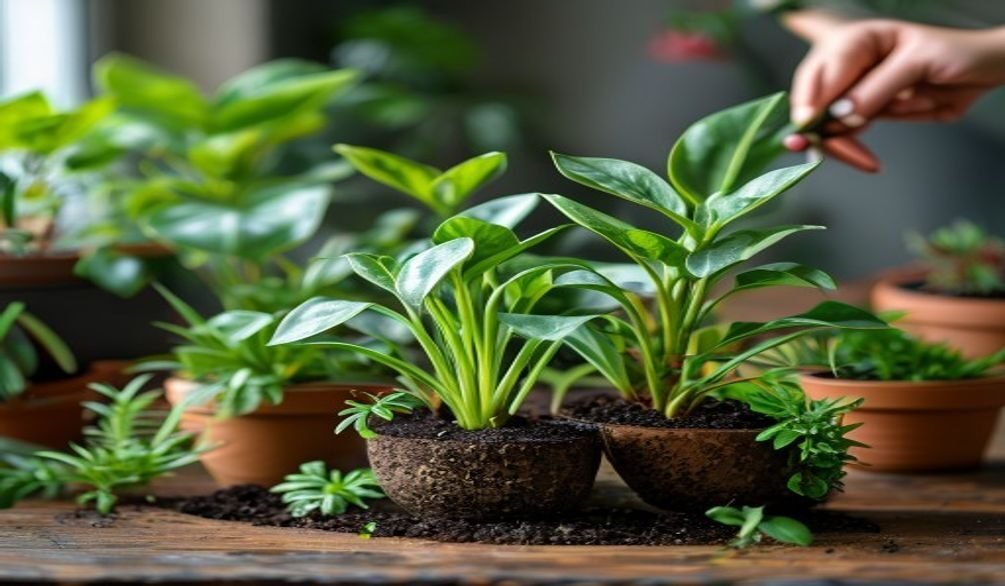
Plant your chosen herbs according to their individual spacing requirements, allowing ample room for growth and air circulation. For instance, mint is best grown in containers to prevent it from aggressively spreading and overtaking other plants, making it a manageable choice for **Growing Herbs for Tea**. When transplanting, tools like the **Wilcox 14-Inch All-Pro Digging Trowel**, known for its single-piece stainless steel construction, are invaluable.
Step 4: Water & Feed Regularly
Provide consistent moisture, especially during dry spells, but avoid overwatering, which can lead to root rot. Most herbs prefer slightly moist soil rather than soggy conditions. Fertilize sparingly with a balanced organic liquid feed, as excessive nutrients can sometimes reduce the aromatic oil content in herbs, which is crucial for flavorful **Growing Herbs for Tea**. For deeper insights, consult our How to Water Indoor Plants: Ultimate 2026 Guide.
Step 5: Harvest Your Herbs
Harvest regularly to encourage new growth and maintain plant vigor. The best time to harvest most herbs for tea is in the morning after the dew has dried but before the heat of the day. Use sharp tools like **Fiskars Bypass Pruning Shears** for clean cuts, which promote healthier regrowth and make **Growing Herbs for Tea** more productive.
Step 6: Dry & Store for Tea
Proper drying and storage are essential for preserving the flavor and medicinal qualities of your herbs. Air drying in a cool, dark, well-ventilated area is often the simplest method. Once thoroughly dry, store your herbs in airtight containers away from direct sunlight and heat, ensuring their longevity for enjoyable **Growing Herbs for Tea** throughout the year.
Step 7: Blend Your Custom Brews
Experiment with different combinations of your dried herbs to create unique and personalized tea blends. Consider the flavor profiles and desired effects of each herb. This step is where the true creativity of **Growing Herbs for Tea** shines, allowing you to tailor your teas to your taste and wellness goals.
Best Herbs to Grow for Tea in 2026
Selecting the right herbs is key to a successful and enjoyable tea garden in 2026, with several varieties standing out for their ease of cultivation and delightful flavors. Many of these herbs also offer medicinal benefits of homegrown tea herbs, enhancing their appeal for those interested in natural wellness. In my experience, the best herbs for beginner tea garden enthusiasts are often the most forgiving and versatile.
Here are some top recommendations for **Growing Herbs for Tea**:
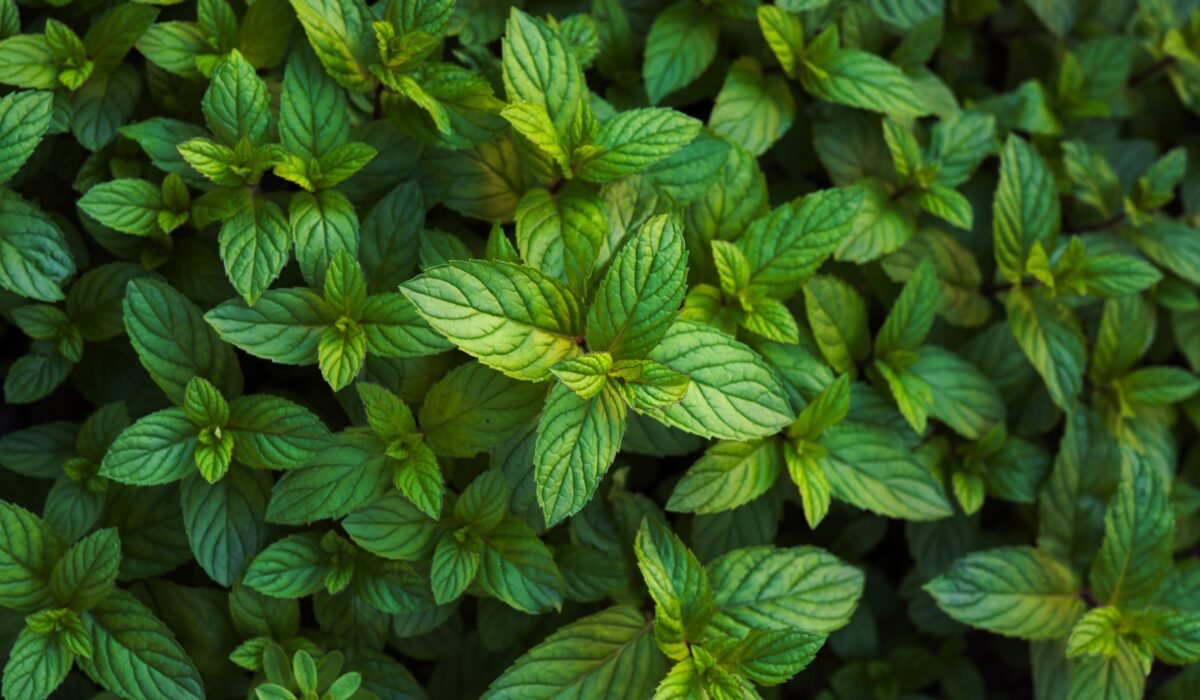
- Mint (Peppermint, Spearmint, Apple Mint): Mints are incredibly vigorous and versatile, offering refreshing flavors. Gardening Knowhow states that mints can be grown by “setting a cutting in a bottle of water in a sunny part of the house until roots appear,” then transferring to a container. This makes **Growing Herbs for Tea** with mint particularly accessible.
- Chamomile (German, Roman): Known for its calming properties, chamomile produces delicate, apple-scented flowers perfect for a soothing bedtime tea. These annuals (German) or perennials (Roman) are relatively easy to grow from seed, making them a staple for anyone interested in **Growing Herbs for Tea**.
- Lemon Balm: This cheerful herb boasts a bright, lemony scent and flavor, offering a relaxing and uplifting brew. It’s a robust perennial that thrives in many conditions, often reseeding itself, which simplifies the process of **Growing Herbs for Tea**.
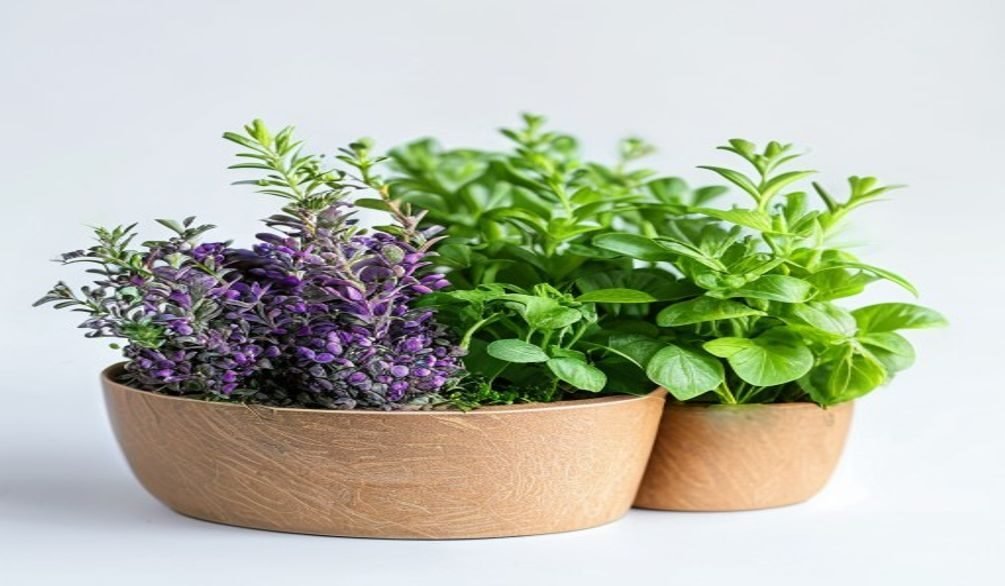
- Lavender: While often associated with aromatherapy, culinary lavender varieties add a floral, slightly sweet note to teas, known for promoting relaxation. Ensure you choose varieties suitable for consumption when **Growing Herbs for Tea** with lavender.
- Holy Basil (Tulsi): Revered in Ayurvedic medicine, Tulsi offers a unique spicy, clove-like flavor and adaptogenic properties. Practical Self-Reliance notes that Holy Basil (Tulsi) is “ideal for growing year-round in warm indoor settings” and requires 70 degrees Fahrenheit for seed germination, making it a great choice for indoor herb garden for tea recipes.
- Lemon Verbena: For an intense citrus flavor, lemon verbena is unparalleled. Its leaves are fantastic fresh or dried, providing a potent lemony aroma. This tender perennial is a wonderful addition to your efforts in **Growing Herbs for Tea**.
- Echinacea (Purple Coneflower): While often grown for its immune-boosting roots, the flowers and leaves can also be used in tea. It’s a striking perennial that adds beauty to the garden while supporting your goals for **Growing Herbs for Tea**.
When planning your tea garden, consider the unique flavor profiles each herb brings. Rose Loveall, owner of Morningsun Herb Farm, inspires unique tea blends, such as a citrus-flavored brew substituting garden fruits like plum or apricot for sugar. This creative approach to DIY herbal tea blends from fresh herbs can elevate your tea-drinking experience. Remember, successful **Growing Herbs for Tea** means understanding each plant’s needs.
Harvesting & Drying Your Tea Herbs for Peak Flavor
Harvesting your tea herbs at the optimal time and drying them correctly are crucial steps to ensure maximum flavor and potency in your homemade brews. The key to preserving the aromatic compounds and beneficial properties of your herbs lies in careful timing and method. This meticulous approach to harvesting & drying your tea herbs for peak flavor directly impacts the quality of your finished product when **Growing Herbs for Tea**.
For most leafy herbs like mint, lemon balm, and lemon verbena, the best time to harvest is just before the plant flowers. At this stage, the essential oil content, which contributes to flavor and aroma, is typically at its peak. Debi Holland advises that harvesting in the morning after the dew has evaporated but before the sun gets too hot ensures the highest concentration of these oils. This practice is fundamental for successful **Growing Herbs for Tea** with robust flavor.
When harvesting, use clean, sharp scissors or **Fiskars Bypass Pruning Shears** to make precise cuts. Aim to take about one-third of the plant at a time to encourage continuous growth and prevent shocking the plant. This method not only provides you with a steady supply of fresh leaves but also helps maintain the health and vigor of your tea herbs. Regular harvesting is a form of pruning that benefits the plant greatly, ensuring a productive season of **Growing Herbs for Tea**.
Once harvested, prompt and proper drying is essential for drying and storing herbs for tea. Air drying is a simple and effective method for many herbs. Bundle small bunches of herbs together and hang them upside down in a cool, dark, well-ventilated area. Avoid direct sunlight, which can degrade the color, flavor, and medicinal compounds. A dry basement or attic works well, allowing the herbs to dry slowly and evenly, preserving their integrity for **Growing Herbs for Tea**.
Another effective drying method is using a dehydrator set to a low temperature (around 95-115°F or 35-46°C). This can speed up the process while still preserving quality. Ensure herbs are completely dry and crumbly before storage; any residual moisture can lead to mold. Properly dried herbs will retain their vibrant color and strong aroma, ready for brewing. This careful attention to detail is what sets apart truly exceptional results from **Growing Herbs for Tea**.
Store your dried herbs in airtight containers, such as glass jars, in a cool, dark place away from direct light and humidity. Label each container with the herb name and drying date. When correctly stored, most dried herbs will maintain their potency and flavor for up to a year, providing you with a continuous supply from your efforts in **Growing Herbs for Tea**.
Crafting Custom Herbal Tea Blends
Crafting custom herbal tea blends from your homegrown bounty is where the art of **Growing Herbs for Tea** truly comes alive, allowing you to personalize flavors and functional benefits. This creative process extends beyond simply brewing a single herb, enabling you to combine different tastes and properties for a unique experience. DIY herbal tea blends from fresh herbs offer a superior sensory experience compared to pre-packaged mixes.
When creating your own blends, consider the three main flavor notes: top, middle, and base. Top notes are light and volatile, often providing the initial aroma (e.g., mint, lemon balm). Middle notes offer body and complexity (e.g., chamomile, rose petals), while base notes provide depth and grounding (e.g., ginger, licorice root). Balancing these notes is key to a well-rounded tea. This thoughtful approach to **Growing Herbs for Tea** unlocks a world of flavor combinations.
Think about the desired effect of your tea. For a relaxing evening brew, combine calming herbs like chamomile, lavender, and lemon balm. If you’re looking for an invigorating morning tea, peppermint and ginger can provide a refreshing kick. The medicinal benefits of homegrown tea herbs can be amplified through synergistic blending, where herbs work together to enhance their individual properties. This is a core advantage of **Growing Herbs for Tea** with intention.
Here’s a simple guide to blending:
- Start Simple: Begin with 2-3 herbs that you know pair well. A classic combination for **Growing Herbs for Tea** might be mint and lemon balm.
- Taste as You Go: Brew small batches of your blends and adjust the ratios until you find what you like. Keep notes on your favorite combinations.
- Consider Texture: Ensure your dried herbs are roughly the same size for even steeping. You might need to gently crush larger leaves or flowers.
- Storage: Once you’ve perfected a blend, mix a larger batch and store it in an airtight container, just as you would individual dried herbs. This keeps your efforts in **Growing Herbs for Tea** ready for immediate enjoyment.
For example, a “Digital Detox Tea” could blend Holy Basil (Tulsi) for stress relief, lemon balm for calm focus, and a hint of peppermint for clarity. This demonstrates how **Growing Herbs for Tea** can be tailored to specific wellness trends and personal needs. Experimentation is encouraged; there are no strict rules, only personal preference and creativity.
Troubleshooting & Care for Your Tea Herbs
Maintaining a healthy tea garden involves understanding common issues and implementing effective care strategies to ensure your herbs thrive. Even with the best intentions, gardeners occasionally encounter challenges, but most problems can be easily remedied with timely intervention. Addressing these issues proactively is vital for successful **Growing Herbs for Tea**.
One of the most common issues when **Growing Herbs for Tea** is improper watering. Overwatering can lead to root rot, characterized by yellowing leaves and stunted growth, while underwatering results in wilting. The key is to check the soil moisture regularly; stick your finger about an inch or two into the soil – if it feels dry, it’s time to water. Consistent moisture, but not saturation, is generally preferred by most herbs. For more detailed guidance, consider our Ultimate 2026 Guide to Watering Indoor Plants, many principles of which apply to container gardening for tea herbs.
Pest infestations can also plague your tea herbs. Common culprits include aphids, spider mites, and whiteflies. Early detection is crucial. Regularly inspect the undersides of leaves for any signs of pests. For organic pest control, a simple solution of neem oil or insecticidal soap can be highly effective. In my experience, preventing pests is always easier than treating them. Explore our DIY Organic Pest Control: Ultimate Guide 2026 for more tips. This proactive approach ensures your journey of **Growing Herbs for Tea** remains uninterrupted.
Nutrient deficiencies or excesses can also affect plant health. Yellowing leaves with green veins might indicate an iron deficiency, while overall pale foliage could signal a lack of nitrogen. While herbs generally don’t require heavy feeding, a balanced organic fertilizer applied sparingly can boost their vigor. Always follow package directions to avoid over-fertilization, which can burn roots and diminish flavor. Providing the right nutrients supports robust **Growing Herbs for Tea**.
Another important aspect of care is pruning. Regular trimming not only encourages bushier growth and higher yields but also prevents plants from becoming leggy and woody. Use sharp, clean pruners like **Fiskars Bypass Pruning Shears** to make cuts just above a leaf node or branching point. This practice is essential for maintaining productive plants throughout the growing season, maximizing your harvest from **Growing Herbs for Tea**.
Finally, consider winterizing a tea herb garden for perennial varieties in colder climates. Many herbs, like mint and lemon balm, can survive mild winters with a protective layer of mulch. For more tender perennials, bringing them indoors or taking cuttings for propagation can ensure you have a continuous supply. This foresight in care guarantees continued success with **Growing Herbs for Tea** year after year.
Is Growing Your Own Herbs for Tea Cheaper?
Yes, in the long run, **Growing Herbs for Tea** can indeed be significantly cheaper than continually purchasing store-bought dried herbs or specialty herbal teas. While there’s an initial investment in seeds, pots, and soil, the cost savings quickly become apparent, especially if you consume herbal tea regularly. The global herbal tea market is projected to reach $4.7 billion USD in 2026, according to Market.us Media (2026), reflecting the high value placed on these products.
Consider the typical price of a small bag of organic dried chamomile or peppermint tea from a health food store. These often range from $5 to $15 for just a few ounces. With a packet of seeds costing a few dollars, you can produce a season’s worth, if not more, of fresh herbs for tea. This initial outlay for **Growing Herbs for Tea** quickly pays for itself, providing a sustainable and economical source of ingredients.
The cost-effectiveness of **Growing Herbs for Tea** is particularly evident when you factor in the quality. Homegrown herbs are often more potent and flavorful, meaning you might need less quantity to achieve the desired taste and effect. This efficiency further reduces the effective cost per serving compared to commercial products, which can lose potency during processing and storage. Dorothy Stainbrook of Farm to Jar highlights that homegrown herbs offer “better flavor and stronger health benefits,” which translates to better value.
Furthermore, **Growing Herbs for Tea** allows you to avoid the markups associated with packaging, branding, and distribution. You’re essentially cutting out the middleman. For herbs that are perennials, like mint or lemon balm, a single planting can provide harvests for several years, making the long-term cost negligible. This makes **Growing Herbs for Tea** a truly budget-friendly hobby.
While there are costs for basic gardening tools like a **Hori Hori Knife** or **Fiskars Bypass Pruning Shears**, these are one-time purchases that serve multiple gardening needs. The long-term savings and superior quality firmly establish that **Growing Herbs for Tea** is a more economical choice for consistent herbal tea drinkers. It’s an investment in both your health and your wallet.
Indoor & Small-Space Solutions for Tea Herbs
Even if you lack a traditional outdoor garden, **Growing Herbs for Tea** is entirely feasible through innovative indoor and small-space solutions. Herb gardening has grown 200% among apartment dwellers since 2018, according to Gitnux (2026), underscoring the popularity and accessibility of cultivating herbs in confined areas. These methods make an indoor herb garden for tea recipes a reality for anyone.
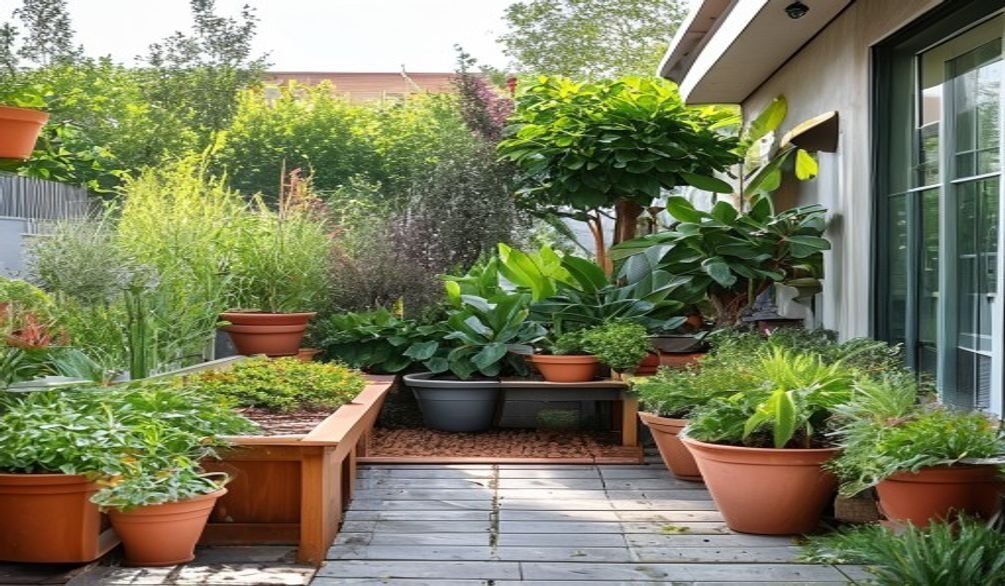
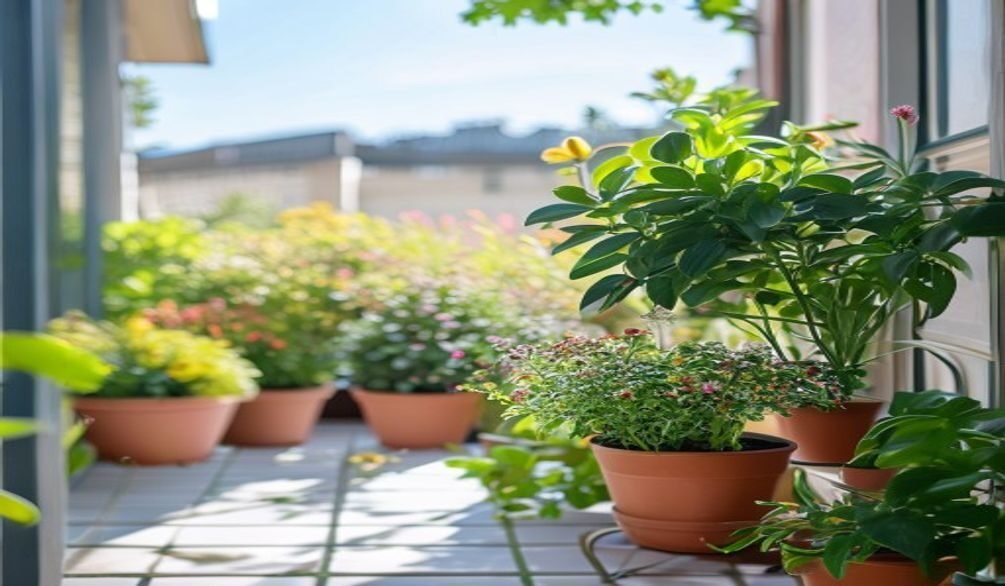
Container gardening for tea herbs is perhaps the most straightforward solution for small spaces. Nearly any herb can be grown in a pot, provided it has adequate drainage and sufficient sunlight. Choose containers with drainage holes and use a good quality potting mix. Place these pots on windowsills, balconies, or patios where they can receive at least 6 hours of sunlight daily. This flexibility makes **Growing Herbs for Tea** adaptable to almost any home.
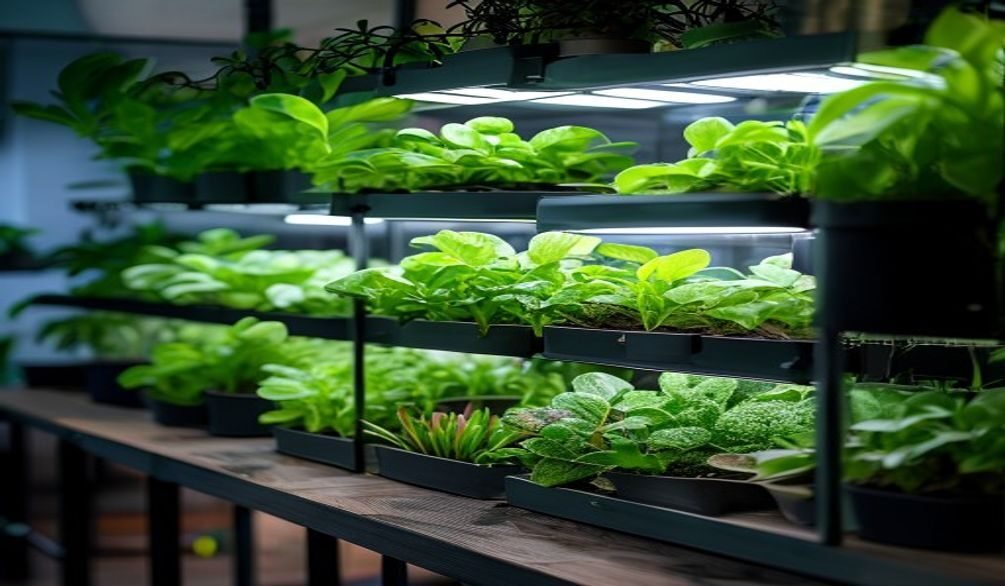
For those with limited natural light, smart indoor gardening systems offer a fantastic alternative. Brands like **AeroGarden** and **Click & Grow** provide automated hydroponic systems that come with built-in LED grow lights, self-watering features, and pre-seeded pods. AeroGarden’s Harvest Elite 360, for example, includes seed pods for basil, parsley, dill, thyme, Thai basil, and mint, all excellent choices for **Growing Herbs for Tea**. These systems remove much of the guesswork from indoor cultivation.
Vertical gardens are another excellent way to maximize space. These can range from simple tiered planters to wall-mounted pocket systems. Vertical setups allow you to grow a variety of herbs in a small footprint, transforming a blank wall into a productive tea garden. This is a particularly efficient method for apartment dwellers interested in **Growing Herbs for Tea** without sacrificing precious floor space.
When selecting herbs for indoor or small-space **Growing Herbs for Tea**, opt for compact varieties or those that tolerate partial shade. Mint, lemon balm, chamomile, and Holy Basil (Tulsi) are generally excellent candidates for indoor environments. Practical Self-Reliance notes that Holy Basil (Tulsi) is “ideal for growing year-round in warm indoor settings,” making it a perfect choice for continuous harvests. Regular harvesting also helps keep indoor plants compact and productive.
Even a small corner of your kitchen can become a thriving hub for **Growing Herbs for Tea**. With the right containers, a sunny spot, or a smart gardening system, you can enjoy fresh, aromatic herbs year-round. This accessibility ensures that anyone can partake in the joy and benefits of homegrown herbal teas.
Frequently Asked Questions
What herbs can you grow for tea?
You can grow a wide variety of herbs for tea, including popular choices like mint, chamomile, lemon balm, lavender, and Holy Basil (Tulsi). Many herbs suitable for **Growing Herbs for Tea** are also known for their medicinal benefits, making them a dual-purpose addition to your garden. Selecting herbs based on your climate and taste preferences is key for a successful tea garden.
How do you start a tea garden?
To start a tea garden, choose a sunny location, prepare well-draining soil, and select herbs appropriate for your region. Beginning with seeds or small starter plants of easy-to-grow varieties like mint or chamomile can set you up for success. This foundational step ensures a productive and enjoyable experience when **Growing Herbs for Tea**.
Is it cheaper to grow your own herbs for tea?
Yes, **Growing Herbs for Tea** is generally cheaper in the long run compared to buying dried herbs, especially with the high cost of specialty organic varieties. A small initial investment in seeds and supplies can yield a season’s worth of fresh herbs, offering significant savings over time. The global herbal tea market is projected to reach $4.7 billion USD in 2026, according to Market.us Media (2026), highlighting the commercial value you can replicate at home.
What are the easiest herbs to grow for tea?
The easiest herbs to grow for tea include mint, lemon balm, chamomile, and lavender, which are resilient and adaptable to various growing conditions. These varieties often require minimal care and thrive in both garden beds and containers, making them ideal for beginner tea garden enthusiasts. Starting with these forgiving herbs boosts confidence in **Growing Herbs for Tea**.
How do you harvest and dry herbs for tea?
Harvest herbs for tea in the morning after dew has dried but before the heat of the day, using sharp shears to cut about one-third of the plant. Air dry small bundles upside down in a cool, dark, well-ventilated area until completely dry. This careful process ensures optimal flavor and potency for your tea, preserving the quality gained from **Growing Herbs for Tea**.
In conclusion, embarking on the journey of **Growing Herbs for Tea** in 2026 offers a deeply rewarding experience, connecting you to nature while providing fresh, potent, and personalized infusions. From selecting the perfect varieties to mastering harvesting and blending, every step brings you closer to a healthier, more flavorful lifestyle. Start your tea garden today and savor the vibrant tastes and wellness benefits that only homegrown herbs can provide.