
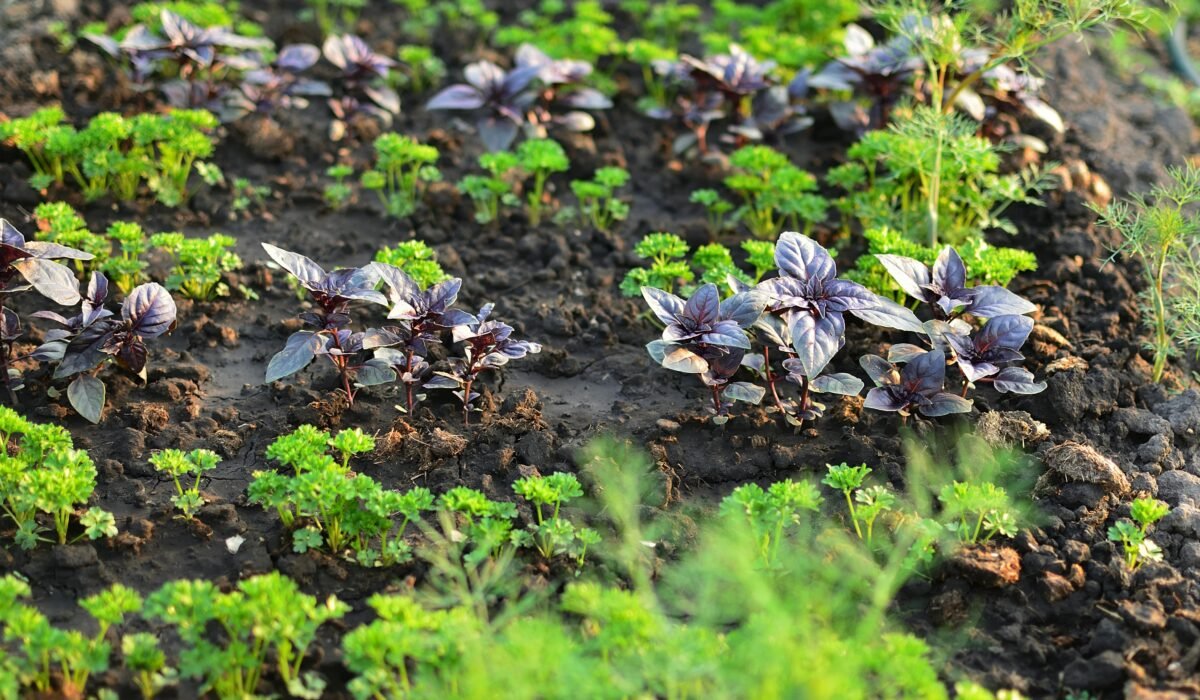
Are you dreaming of a vibrant, thriving vegetable garden bursting with flavor and free from pests? The secret might be hiding right under your nose: companion planting with herbs. This ancient, yet increasingly popular, gardening technique harnesses the power of nature to create a healthier, more productive garden ecosystem.
By strategically placing certain herbs for companion planting near your vegetables, you can naturally deter unwanted pests, attract beneficial insects, improve soil health, and even enhance the taste of your harvest. Forget harsh chemicals; embrace a sustainable, organic approach that transforms your garden into a balanced, self-sustaining haven. Let’s explore how these aromatic allies can revolutionize your growing space.
What is Companion Planting with Herbs & Why Does It Work?
Companion planting is the art and science of growing different plants in close proximity for mutual benefit. When it comes to herbs, this practice leverages their unique properties to create a synergistic effect within your vegetable patch. It’s a cornerstone of organic gardening, reducing the need for synthetic interventions.
Herbs work their magic through several fascinating mechanisms. Many possess strong aromatic compounds that can mask the scent of vulnerable vegetables, confusing pests and making it harder for them to locate their target crops. Others release chemicals from their roots or leaves – a process known as allelopathy – that can either deter harmful insects or promote the growth of nearby plants. West Virginia University Extension provides a comprehensive overview of how these natural interactions benefit garden health.
Beyond pest deterrence, many herbs are magnets for beneficial insects. These garden allies include pollinators like bees and butterflies, which are essential for fruit set, as well as predatory insects like ladybugs, lacewings, and parasitic wasps. These natural predators feast on common garden pests such as aphids, mites, and caterpillars, providing effective natural pest control.
By fostering this intricate web of interactions, companion planting with herbs creates a more resilient and biodiverse garden ecosystem. This approach not only supports sustainable gardening practices but also contributes to improved soil health and overall plant vigor. Studies have even shown that intercropping with herbs can lead to significantly fewer pests compared to monoculture plots, demonstrating its tangible benefits for a healthier garden. Penn State Extension highlights these synergistic relationships, emphasizing the multifaceted advantages for your garden.
Top Herbs for Pest Control and Beneficial Insect Attraction
Harnessing the power of aromatic herbs is one of the most effective ways to implement natural pest control in your vegetable garden. These leafy guardians act as nature’s own defense system, repelling unwanted guests and inviting helpful allies. Integrating these organic gardening herbs into your planting scheme can drastically reduce pest problems.
Here are some of the best herbs for pest control and attracting beneficial insects:
- Basil: A superstar for deterring whiteflies, mosquitoes, spider mites, aphids, and especially the dreaded tomato hornworm. Its strong scent confuses many common pests.
- Chives: Excellent at repelling aphids, carrot flies, and Japanese beetles. They are particularly useful when planted near carrots and roses.
- Mint: A potent deterrent for cabbage moths, aphids, flea beetles, squash bugs, and ants. Be mindful of its invasive nature; container planting is often best.
- Rosemary: Known to repel cabbage moths, bean beetles, Japanese beetles, carrot flies, slugs, and snails. Its woody aroma is a strong repellent.
- Sage: Deters cabbage moths, beetles, flea beetles, carrot flies, and snails. A valuable asset, especially for brassicas.
- Dill: A magnet for beneficial insects like ladybugs, parasitic wasps, and hoverflies, which prey on aphids and other soft-bodied pests. It also deters cabbage loopers and spider mites.
- Oregano: Repels aphids, squash bugs, and cabbage butterflies. Its flowers attract pollinators like bees and ladybugs, contributing to a vibrant garden ecosystem.
- Thyme: Effective against cabbageworm, whiteflies, cabbage maggots, and tomato hornworm. Its tiny flowers are also a treat for honeybees.
- Cilantro: Attracts hoverflies and lacewings, both voracious predators of aphids. It also helps repel spider mites.
- Borage: A fantastic pollinator attractor, especially for bees. It’s also known to deter tomato hornworms and cabbage worms.
By thoughtfully incorporating these herbs, you’re not just planting; you’re designing a resilient garden ecosystem. These plant pairings become a living barrier, offering sustainable protection and fostering a healthier environment for your vegetables.
Best Herb Pairings for Popular Vegetables (Tomatoes, Cabbage & More)
Strategic placement of herbs for companion planting can significantly boost the health and yield of your favorite vegetables. Understanding which herbs complement specific crops is key to maximizing these benefits. This approach ensures that your garden design is not only beautiful but also highly functional, offering targeted protection and enhancement.
Let’s look at some classic and effective pairings for common garden vegetables:
Tomatoes
Tomatoes are one of the most popular garden crops, and several herbs make excellent companions:
- Basil: The ultimate tomato companion! Basil is renowned for repelling whiteflies and tomato hornworms, while anecdotally improving tomato flavor and growth. Plant it at the base of your tomato plants.
- Chives: Help deter aphids and can improve tomato health.
- Borage: Attracts pollinators and deters tomato hornworms, contributing to better fruit set and healthier plants.
- Oregano: Benefits tomatoes by repelling various pests and potentially boosting their vigor.
- Parsley: Can attract beneficial insects that prey on tomato pests.
Cabbage and Other Brassicas (Broccoli, Cauliflower, Kale)
These leafy greens are often targeted by cabbage worms and other brassica-specific pests. Herbs offer a strong defense:
- Rosemary: Highly effective at deterring cabbage moths and beetles. Plant it nearby to create a fragrant barrier.
- Sage: Another excellent choice for repelling cabbage moths and flea beetles.
- Thyme: Keeps cabbageworm and cabbage maggots at bay.
- Dill: While it attracts beneficial insects that prey on cabbage pests, use it with caution as mature dill can inhibit carrot growth.
- Mint: Deters cabbage moths, though remember to contain its spread.
Carrots
Carrots benefit from companions that deter carrot flies and other root-munching pests:
- Chives: Repel carrot flies and can enhance carrot flavor.
- Rosemary: Deters carrot flies with its strong aroma.
- Sage: Also helps to confuse and deter carrot flies.
Beans
Beans are susceptible to bean beetles, making certain herb companions invaluable:
- Rosemary: Helps repel bean beetles.
- Savory (Summer or Winter): A classic companion for beans, reputed to deter bean beetles and improve growth.
- Oregano: Can also offer some protection against bean pests.
Squash and Cucumbers
These vining plants can suffer from squash bugs and cucumber beetles:
- Borage: Known to deter squash bugs and cucumber beetles, and attracts pollinators essential for fruit development.
- Oregano: Repels squash bugs and helps improve overall plant health.
- Mint: Can deter squash bugs, but again, ensure it’s contained.
These carefully chosen plant pairings create a robust defense system, promoting a thriving, chemical-free garden.
Herbs That Improve Vegetable Flavor and Growth
Beyond pest control, one of the most delightful benefits of companion planting with herbs is their ability to enhance the flavor and vigor of neighboring vegetables. This phenomenon, while sometimes anecdotal, is often supported by gardeners’ long-standing observations and some scientific principles. It’s a key aspect of maximizing the herb benefits in your garden.
Flavor Enhancement
Certain herbs are believed to imbue nearby vegetables with more intense or nuanced flavors. The most famous example is the pairing of basil and tomatoes. Many gardeners swear that planting basil close to tomatoes results in sweeter, more flavorful fruit. While the exact scientific mechanism isn’t fully understood, it’s a widely practiced and cherished tradition.
- Basil: Widely believed to make tomatoes, peppers, and lettuce taste better.
- Chives: Can improve the flavor of carrots.
- Oregano: Thought to enhance the taste of many vegetables, particularly tomatoes and peppers.
- Parsley: Some gardeners report it improves the flavor of roses and asparagus.
This flavor boost adds another layer of reward to your organic gardening efforts, making your harvest even more delicious.
Growth Promotion
Some herbs contribute to the overall health and growth of their vegetable neighbors, often by improving soil conditions or deterring specific growth inhibitors. Many claims about companion planting, once anecdotal, are now supported by scientific research, particularly from university extensions. For instance, studies have shown that interplanting flowers like marigolds can reduce aphid populations in vegetable plots. <a href="https://extension.umn.edu/planting-and-growing-guides/companion-planting-







