Key Takeaways
- Hydroponic systems can increase plant yields by 30%–50% compared to traditional soil gardening.
- Hydroponic farming uses up to 90% less water than conventional soil-based methods.
- The global hydroponics market is projected to reach USD 35.6 billion by 2034, according to market analysis.
- Leafy greens like lettuce and spinach are among the easiest plants for beginner hydroponic growers.
- The Kratky method is highly recommended for beginners due to its simplicity and lack of moving parts.
Most Indian balcony gardeners, myself included, have faced the heartbreak of a wilting plant despite our best efforts. Often, it’s not a pest, but the challenge of inconsistent watering or poor soil quality. That’s why diving into hydroponic plants for beginners can be a game-changer, offering a cleaner, more controlled way to grow your own food right at home.
Quick Answer: The 10 best plants for hydroponics beginners include leafy greens like lettuce, spinach, and kale, along with herbs such as basil, mint, and cilantro, due to their fast growth and simple care requirements.
What is the easiest plant to grow hydroponically?
The easiest plant to grow hydroponically, especially for those just starting out, is undoubtedly lettuce. Hydroponic systems can lead to faster plant growth, with yields often increasing by 30%–50% compared to soil-based gardening, according to industry data.
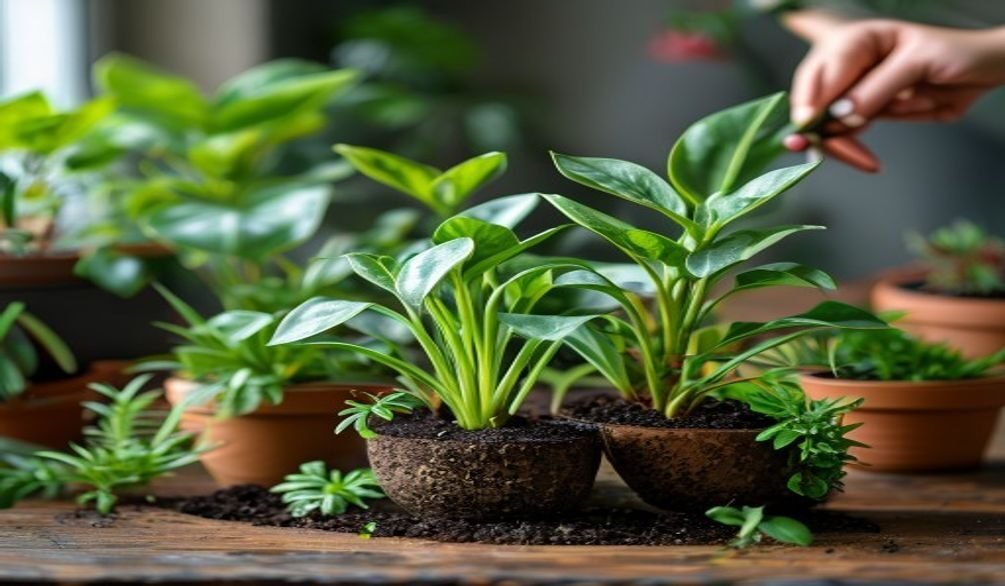
Lettuce varieties like Romaine or Butterhead are incredibly forgiving and grow quickly in a hydroponic setup. They don’t need complex nutrient solutions or specific pH adjustments as much as fruiting plants do. You’ll see visible growth almost daily, which is super encouraging when you’re learning the ropes of hydroponic plants for beginners. My personal go-to is a loose-leaf variety; it’s less fussy and you can harvest outer leaves continuously, getting more yield.
What vegetables grow best in hydroponics for beginners?
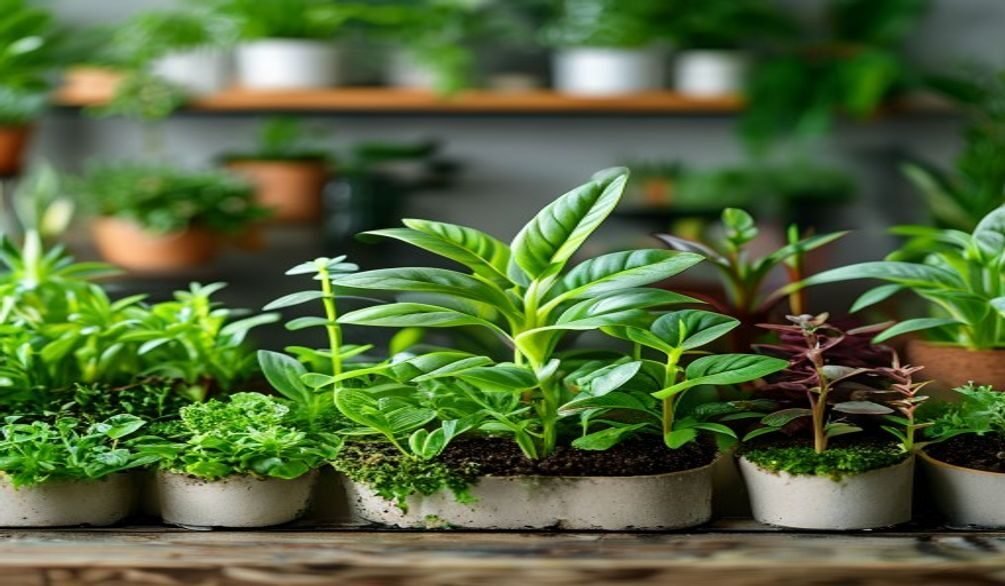
For beginner hydroponic gardeners, leafy greens are your best friends because they thrive in simple setups and tolerate minor fluctuations. These easy hydroponic plants are perfect for getting a feel for your system.
Here’s a quick list of top hydroponic vegetables for beginners:
- Lettuce: As mentioned, it’s a champion for a reason. Fast-growing, low maintenance, and perfect for continuous harvesting.
- Spinach: Similar to lettuce, spinach is a cool-season crop that does well in hydroponics. It’s great for quick harvests and adds a healthy boost to your meals.
- Kale: This superfood adapts well to hydroponic conditions, offering robust growth and nutritional benefits.
- Arugula: If you love a peppery kick, arugula grows incredibly fast and is very simple to manage in a beginner hydroponic system.
These simple hydroponic plants require less light intensity than fruiting vegetables and generally have a shorter growth cycle. This means you get to enjoy your harvest sooner, which is a huge motivator when you’re just starting your indoor hydroponic gardening journey. Honestly, seeing those vibrant green leaves sprout up makes all the effort worthwhile.
What herbs are ideal for beginner hydroponic systems?
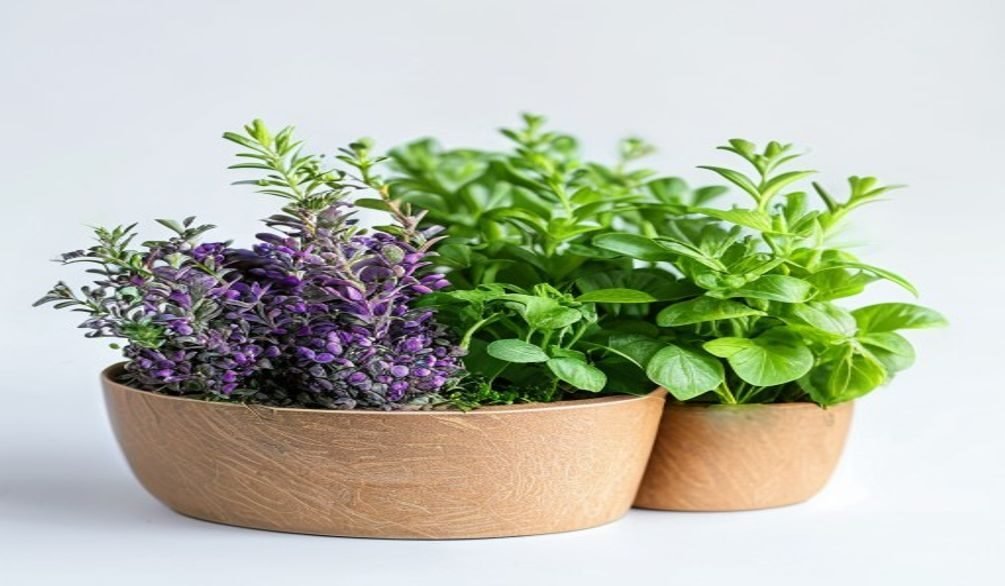
When it comes to hydroponic plants for beginners, herbs are another fantastic category to explore because they’re compact and generally quite resilient. These best crops for hydroponics offer fresh flavors right from your kitchen.
Many herbs are fast-growing hydroponic plants, allowing for frequent harvests. Here are some top hydroponic herbs for beginners:
- Basil (Tulsi): Sweet basil is incredibly popular and grows quickly in hydroponics. It loves warmth and light, and you’ll be pinching off leaves for your pesto or chai in no time.
- Mint (Pudina): Pudina is notoriously easy to grow, whether in soil or hydroponically. It’s vigorous, so make sure it has enough space!
- Cilantro (Dhania): Dhania can be a bit trickier than basil or mint as it prefers cooler temperatures to prevent bolting, but it’s still very manageable for beginners. Just ensure it doesn’t get too hot. I’ve had entire dhania crops fry in May when the soil hit 45°C on my south-facing balcony in 2022. Moving it to morning sun only made all the difference.
- Parsley: Both flat-leaf and curly parsley do well. They’re slower than basil but still reliable.
- Chives: These oniony greens are very easy to grow and can be harvested repeatedly.
Growing these herbs means you’ll always have fresh ingredients for your cooking. No more running to the sabziwala for a small bunch of dhania when you need it! Plus, the aroma of fresh herbs growing in your home is just delightful.
What plants are not good for hydroponics?
While hydroponics is versatile, some plants are simply not ideal for a beginner hydroponic system due to their size, growth habits, or specific needs. It’s best to avoid these when you’re learning about hydroponic plants for beginners.
Generally, root vegetables and large, sprawling plants can be challenging. For example, potatoes and carrots require significant root space and are better suited for traditional soil gardening. Also, large vining plants like pumpkins or watermelons, while technically possible, demand robust trellising and extensive nutrient management that can overwhelm a novice.
Here’s a quick look at plants to generally avoid:
| Plant Type | Reason for Difficulty in Hydroponics | Better Suited For |
|---|---|---|
| Root Vegetables (Potatoes, Carrots, Radishes) | Require physical resistance for root development; prone to rot in water. | Traditional soil beds or deep containers. |
| Large Vining Plants (Pumpkins, Watermelons) | Extensive space requirements, heavy fruit support, complex nutrient needs. | Large outdoor plots or advanced hydroponic setups. |
| Corn | Tall growth, heavy nutrient feeders, requires pollination, large root system. | Open fields. |
| Asparagus | Long growth cycle (multiple years to harvest), extensive root system. | Perennial garden beds. |
You might have heard that “any plant can be grown hydroponically.” In practice, for a beginner, trying to grow bhindi or large tomatoes can quickly become frustrating because their needs are more complex than leafy greens or herbs. Stick to the simpler options first to build your confidence and understanding of hydroponic growing tips.
How do you choose the right hydroponic system for beginners?
Choosing the right hydroponic system for beginners is crucial for a successful first experience, as simplicity is key. The Kratky method is often recommended for its straightforward approach, as it requires zero mechanical complexity, according to hydroponics experts.
This passive system doesn’t need pumps, air stones, or electricity, making it incredibly easy to set up and maintain. You simply suspend your plants in net pots with their roots dipping into a nutrient solution, which they consume over time. Systems like the AeroGarden Harvest 2.0 or the Suncoze Hydroponic Growing System Kit are excellent for beginners because they simplify the process. They handle lighting and nutrient delivery, so you can focus on watching your easy hydroponic plants grow.
Here are some common beginner hydroponic systems and their benefits:
- Kratky Method:
- Benefits: No electricity, no pumps, minimal maintenance.
- Ideal for: Leafy greens, herbs.
- Drawbacks: Not ideal for large plants; nutrient solution isn’t aerated.
- Deep Water Culture (DWC):
- Benefits: Faster growth due to root oxygenation, relatively simple.
- Ideal for: Lettuce, spinach, some herbs.
- Drawbacks: Requires an air pump and air stone; pH and nutrient levels need monitoring.
- Wick System:
- Benefits: Very simple, no electricity needed.
- Ideal for: Small herbs, ornamental plants.
- Drawbacks: Slower growth, less efficient nutrient delivery.
For a true beginner, I’d suggest starting with a small Kratky setup for some pudina or dhania. It’s cheap to get started – you can even use old plastic containers – and it teaches you the basics of nutrient management without the fuss of pumps. Once you’re comfortable, then consider moving to a DWC system for slightly larger hydroponic plants for beginners, like kale, where the active aeration really kicks up growth.
Tips for successful hydroponic gardening as a beginner
Achieving success with hydroponic plants for beginners isn’t just about picking the right plants; it’s also about understanding a few key principles. You’re not alone if you feel a bit overwhelmed by terms like pH and EC.
The truth is, plants only need a few basics: water, nutrients, oxygen, and light, and everything else is optimization. Here are some practical hydroponic growing tips to help you:
- Monitor pH Levels: This is crucial. Most hydroponic plants for beginners thrive in a pH range of 5.5 to 6.5. You can buy simple pH test kits or digital meters from online stores like Ugaoo or Nurserylive for ₹300-₹800. Adjust with pH Up or pH Down solutions.
- Use Quality Nutrients: Don’t skimp here. Brands like General Hydroponics or Advanced Nutrients offer solutions specifically formulated for hydroponics. Some, like Advanced Nutrients’ pH Perfect formulas, even help maintain pH automatically, which is a blessing for beginners.
- Provide Adequate Light: If you’re growing indoors, invest in a good LED grow light. Plants need 12-16 hours of light daily, depending on the type. For more on this, check out our guide on indoor plant lighting.
- Ensure Good Air Circulation: This prevents fungal issues and helps with nutrient uptake. A small fan can make a big difference, especially in humid climates like Mumbai.
- Don’t Over-complicate it: Start small. Grow one or two types of easy hydroponic plants before expanding. You’ll learn faster and avoid common pitfalls.
- Regularly Top Up Water: The water level will drop as plants drink. For Kratky, don’t refill completely until the reservoir is almost empty, allowing an air gap for roots. For DWC, top up with fresh, pH-adjusted water and nutrients as needed.
My biggest piece of advice, honed over 10 years of gardening, is this: watering on a fixed schedule is one of the worst habits an Indian balcony gardener can have. Soil dries at completely different rates in summer versus monsoon, morning versus afternoon sun, terracotta versus plastic pots. Always check the soil (or nutrient solution level in hydroponics) with your finger, never follow a calendar. This applies to hydroponics too; don’t just blindly refill on a schedule, check what your plants actually need.
Frequently asked questions
What is the fastest growing plant in hydroponics?
Lettuce varieties, particularly loose-leaf types, are among the fastest growing hydroponic plants, often ready for harvest in as little as three to four weeks. Their rapid growth cycle makes them excellent for quick results, which is encouraging for beginner hydroponic plants for beginners. Hydroponic systems can boost plant growth rates by 30-50% compared to soil, according to industry reports.
What are the benefits of hydroponic gardening for beginners?
Hydroponic gardening offers several benefits for beginners, including faster growth and significantly reduced water usage. Hydroponic farming uses up to 90% less water than traditional soil farming, making it an eco-friendly option. It also eliminates soil-borne pests and diseases, simplifying care for hydroponic plants for beginners.
Can i use regular tap water for hydroponics?
Yes, you can use regular tap water for hydroponics, but it’s important to test its pH and EC (electrical conductivity) levels first. Tap water quality varies greatly by region, so adjustments might be needed to ensure it’s suitable for your hydroponic plants for beginners. Always let tap water sit for 24 hours to allow chlorine to dissipate.
How often do i need to change the nutrient solution for beginner hydroponics?
For beginner hydroponic systems like Kratky, you typically don’t change the solution; the plant consumes it over time. For active systems like DWC, it’s generally recommended to replace the entire nutrient solution every one to two weeks to ensure plants receive fresh nutrients and prevent imbalances. This regular refresh helps maintain optimal conditions for healthy hydroponic plants for beginners.
Are hydroponic plants more expensive to grow than soil plants?
Initially, setting up a hydroponic system can be more expensive due to the cost of equipment like pumps, lights, and nutrients compared to basic soil gardening. However, the long-term benefits include higher yields and faster growth, which can offset initial costs, and global hydroponics market growth is significant, valued at $19.47 billion in 2026. For hydroponic plants for beginners, starting with simple, affordable setups can keep costs low.
Ready to start your hydroponic journey?
Embarking on the world of hydroponic plants for beginners can feel like a big step, but with the right choices, it’s incredibly rewarding. By starting with easy-to-grow leafy greens and herbs, you’ll gain confidence and quickly enjoy fresh produce right from your home. Remember, the global hydroponics market is growing rapidly, showcasing its potential for sustainable and efficient gardening. So grab a simple kit, pick some lettuce or basil, and watch your indoor garden flourish!