Key Takeaways
- Regular hydroponic system cleaning prevents nutrient buildup and harmful pathogens, crucial for plant health and system longevity.
- The global hydroponics market is projected to reach USD 49.64 billion by 2033, growing at a CAGR of 12.83% from 2026.
- Effective cleaning solutions for hydroponics include hydrogen peroxide for sterilization and vinegar for mineral deposit removal.
- Cleaning your hydroponic system every 1-2 weeks for active systems, or between crop cycles for deep cleaning, optimizes plant growth.
- The lettuce and leafy vegetables segment constituted 45.5% of the hydroponics market in 2025, highlighting the importance of system hygiene for these crops.
Maintaining a pristine growing environment is paramount for successful hydroponic gardening, and understanding the essential **hydroponic system cleaning steps** can make all the difference. Many growers face challenges like algae growth or nutrient imbalances, which often stem from inadequate cleaning practices. This article will guide you through the critical steps and strategies to keep your hydroponic system spotless, ensuring robust plant health and optimal yields.
Quick Answer: Successfully cleaning a hydroponic system involves regularly draining old nutrient solution, disassembling and scrubbing all components to remove plant residue and mineral buildup, sterilizing with appropriate solutions, and thoroughly rinsing before reassembly and refilling with fresh nutrients.
Why is Hydroponic System Cleaning Essential?
Hydroponic system cleaning is essential because it directly impacts plant health, nutrient uptake, and the overall longevity of your growing equipment. A clean system prevents the buildup of harmful pathogens, algae, and mineral deposits that can severely hinder plant growth and lead to crop failure. “Regular cleaning prevents nutrient buildup, organic matter like algae, and bacteria from harming plant growth,” states Environmental Plant Management (EPM).
Without consistent hydroponic system cleaning, problems escalate rapidly. Algae thrives in nutrient-rich, light-exposed water, consuming vital nutrients meant for your plants. Biofilm and bacteria can form on reservoir walls and within lines, restricting water flow and reducing oxygen levels. Mineral salts also accumulate over time, clogging pumps and emitters. These issues collectively stress plants, making them more susceptible to diseases like root rot. Proper hydroponic system cleaning steps are your best defense.
A clean system minimizes the risk of root rot, a common and devastating issue in hydroponics. My 10 years in gardening have taught me that prevention is always easier than cure, especially when it comes to plant diseases. This is why following thorough hydroponic system cleaning steps is non-negotiable for healthy roots.
Regular maintenance, including thorough hydroponic system cleaning, ensures that your plants receive nutrients efficiently. It helps maintain the ideal pH and EC levels, which are critical for optimal nutrient absorption. This proactive approach supports robust growth and maximizes yields, making your hydroponic efforts more rewarding.
How Often Should You Clean Your Hydroponic System?
You should clean your hydroponic system regularly, with frequency depending on your system’s type, plant growth stage, and nutrient solution refresh schedule. For most active systems, a general rule is to perform thorough hydroponic system cleaning steps every 1-2 weeks, especially when changing the nutrient solution. Happy Hydro emphasizes that “Sanitation is the basic cleanliness of your grow space, including the hydroponic lines and tank.”
A complete system flush and deep clean should occur between crop cycles to reset the environment. This ensures that any lingering pathogens, stubborn algae, or mineral scale from the previous grow are entirely eliminated. The global hydroponics market size was valued at USD 16.1 billion in 2025, highlighting the significant investment growers make, which is best protected by diligent cleaning.
Here’s a breakdown of recommended hydroponic system cleaning frequency:
- Weekly/Bi-weekly: Drain and refresh nutrient solution, wipe down the reservoir, check for algae. This is a mini-version of the full hydroponic system cleaning steps.
- Monthly: Perform a more thorough clean, including scrubbing accessible components and checking pumps.
- Between Crop Cycles: A complete disassembly, sterilization, and deep clean is essential. This is where all the **hydroponic system cleaning steps** truly shine.
For systems with heavy feeders or those using hard water, you might need to increase the frequency of your hydroponic system cleaning steps. Hard water introduces more minerals, accelerating mineral buildup. Observing your plants and the system’s condition provides the best cues for when cleaning is due.
What Cleaning Solutions Work Best for Hydroponics?
The best cleaning solutions for hydroponics are those that effectively remove organic buildup and mineral deposits without leaving harmful residues that could affect plant health. Common and effective options for hydroponic system cleaning steps include hydrogen peroxide, white vinegar, and mild bleach solutions, each suited for specific tasks. EPM’s Clear Flow™ is a notable hydroponic-friendly cleaner designed for deep cleaning reservoirs and shock treatments.
Hydrogen peroxide (H2O2) is excellent for sterilizing and sanitizing equipment because it breaks down into water and oxygen, leaving no harmful byproducts. A 3% solution is typically used for light cleaning and sanitizing, while stronger concentrations (diluted) can be used for more stubborn issues or between cycles. This is a crucial agent in your hydroponic system cleaning steps.
White vinegar is highly effective at dissolving mineral buildup and hard water stains due to its acetic acid content. It’s a safe, natural alternative for descaling pumps, tubing, and reservoir walls. After using vinegar, a thorough rinse is essential to prevent pH fluctuations.
Bleach (sodium hypochlorite) can be used for deep sterilization between crop cycles, but it requires extreme caution and meticulous rinsing. “Bleach is recommended for deep cleaning equipment between crop growth cycles, with a caution to use it sparingly and allow for a long resting period,” according to industry guidelines. Any residual bleach can be detrimental to plant life, so ensure all traces are removed.
Consider these cleaning agents for your hydroponic system cleaning steps:
| Cleaning Agent | Primary Use | Pros | Cons/Precautions |
|---|---|---|---|
| Hydrogen Peroxide (3%) | Sterilization, Algae Control | Breaks down into water/oxygen, safe for plants (diluted) | Can damage beneficial microbes if overused |
| White Vinegar | Mineral Buildup Removal, Descaling | Natural, effective on hard water stains | Requires thorough rinsing to avoid pH changes |
| Bleach (diluted) | Deep Sterilization (between cycles) | Very effective against pathogens | Highly toxic if not fully rinsed, can degrade plastics over time |
| Clear Flow™ (EPM) | Reservoir deep cleaning, line shock treatment | Formulated for hydroponics, effective | Specific product availability, cost |
The 7 Essential Hydroponic System Cleaning Steps
The 7 essential hydroponic system cleaning steps provide a systematic approach to maintaining a hygienic and productive hydroponic garden. These steps, when followed diligently, prevent common issues like root rot and nutrient deficiencies, ensuring your plants thrive. “Cleaning your hydroponic system comes down to a repeatable process: shut everything down, drain the old solution, scrub the reservoir and components, sterilize all surfaces, and reassemble with fresh water and nutrients,” as advised by Epic Agriculture.
Step 1: Drain Old Nutrient Solution
The first step in any hydroponic system cleaning regimen is to completely drain the old nutrient solution from your reservoir. This removes stagnant water, accumulated salts, and any suspended organic matter that could harbor pathogens. My experience tells me that you should never try to “top off” old solution; always start fresh.
Step 2: Disassemble System Components
Next, carefully disassemble all removable components of your hydroponic system, including the reservoir, pumps, tubing, grow trays, net pots, and any other parts that come into contact with water. This crucial part of the hydroponic system cleaning steps allows for thorough cleaning and inspection of each individual piece. For guidance on assembling systems, you might find our article on building a hydroponic microgreen system helpful.
Step 3: Scrub and Remove Residue
Once disassembled, physically scrub all components to remove plant residue, biofilm, and visible mineral buildup. Use a stiff brush or sponge for hard surfaces and smaller brushes for tubing and pump inlets. This mechanical removal is a fundamental part of effective hydroponic system cleaning steps.
Step 4: Sterilize All Parts
After scrubbing, sterilize all components using an appropriate cleaning solution, such as a diluted hydrogen peroxide solution or a mild bleach mixture. This step is vital for killing bacteria, fungi, and algae spores that might be invisible to the naked eye. Happy Hydro emphasizes that “Sterilization is about killing all microbial life, including fungi, bacteria, and other pathogens.”
Step 5: Rinse Thoroughly
Rinse every single component thoroughly with clean, fresh water to remove all traces of cleaning solutions. This is an absolutely critical part of the hydroponic system cleaning steps, as any chemical residue can harm your plants. Rinse until you can no longer detect any odor from the cleaning agent.
Step 6: Reassemble System
Once all parts are clean, sterilized, and thoroughly rinsed, carefully reassemble your hydroponic system. Double-check all connections to ensure there are no leaks and that pumps and tubing are correctly positioned. This ensures the system is ready for the next growth cycle.
Step 7: Refill with Fresh Nutrients
Finally, refill your reservoir with fresh, properly mixed nutrient solution. Ensure the pH and EC levels are balanced according to your plants’ specific needs. This final step in the hydroponic system cleaning steps sets the stage for healthy, vigorous growth.
How to Remove Algae and Mineral Buildup Effectively?
To remove algae and mineral buildup effectively, a combination of physical scrubbing and targeted chemical treatments is required during your hydroponic system cleaning steps. Algae thrives in light-exposed, nutrient-rich water, while mineral buildup (scale) results from hard water and nutrient evaporation. Dosatron highlights that “Algae grows fast in nutrient-rich water when light hits it.”
For algae, start with **manual scrubbing** using a brush or sponge. For stubborn algae, a diluted hydrogen peroxide solution (e.g., 3% food-grade H2O2 diluted to 1:10 with water) can be used to soak affected parts. This helps to break down the organic matter, making it easier to remove. Ensuring your reservoir is light-proof is also a key preventative measure.
Mineral buildup, often appearing as white or brownish crusts, responds well to acidic solutions. White vinegar, with its acetic acid, is highly effective for descaling. You can soak affected components, like pumps and tubing, in undiluted white vinegar for several hours or even overnight. For severe cases, a gentle scrub with a vinegar-soaked brush will help dislodge deposits. Always rinse thoroughly after using vinegar to prevent pH issues. These are crucial considerations within your hydroponic system cleaning steps.
Here are specific techniques for common issues:
- Algae on reservoir walls: Use a stiff brush or non-abrasive scrubber with a hydrogen peroxide solution.
- Algae in tubing: Flush with a hydrogen peroxide solution or use a pipe cleaner brush designed for hydroponics.
- Mineral scale on pumps: Submerge the pump in white vinegar for several hours, then scrub with a small brush.
- Mineral deposits in emitters: Soak emitters in vinegar. For precision, consider using a Dosatron injector for consistent dosing of descaling agents, which helps prevent future buildup by maintaining optimal solution concentration.
In cases of persistent algae or mineral issues, consider using specialized hydroponic cleaners like EPM’s Clear Flow™ for deep cleaning. These products are formulated to be safe for hydroponic systems while being tough on contaminants. Integrating these solutions into your routine **hydroponic system cleaning steps** can save a lot of effort.
Preventative Strategies for Hydroponic System Hygiene
Preventative strategies for hydroponic system hygiene are crucial for minimizing the need for intensive cleaning and ensuring a consistently healthy growing environment. Proactive measures, such as light exclusion and proper nutrient management, are far more effective than constantly reacting to problems. “Hydroponic systems are closed loops. Without cleaning, problems build up fast,” observes Dosatron, underscoring the importance of prevention.
One of the most effective preventative strategies is to block light from your reservoir and nutrient solution. Algae requires light to photosynthesize, so making your reservoir opaque eliminates its primary energy source. This simple step drastically reduces algae growth, a major component of effective hydroponic system cleaning steps. Using dark-colored or painted reservoirs, or covering clear ones, is highly recommended.
Careful nutrient management also plays a significant role. Over-fertilization can lead to nutrient salt buildup, while certain organic additives can contribute to biofilm and algae growth. Using high-quality, chelated nutrients and following recommended dosing schedules (perhaps with a precision injector like those from Dosatron) helps maintain solution stability and reduces residue. The lettuce and leafy vegetables segment held the majority share of 45.5% of the hydroponics market in 2025, a sector where pristine hygiene is paramount for food safety and quality.
Consider these preventative measures to enhance your hydroponic system cleaning steps:
- Light Exclusion: Ensure all parts of your system, especially the reservoir and nutrient lines, are opaque to light.
- Air Circulation: Good airflow helps prevent condensation and the growth of mold or mildew in the grow area.
- Regular Flushing: Perform mini-flushes or nutrient changes regularly to prevent salt buildup and refresh the solution. This is a quick version of the full hydroponic system cleaning steps.
- Sterile Tools: Always use clean and sterilized tools when working with your plants or system to avoid introducing pathogens.
- Beneficial Microbes: Introducing beneficial bacteria or fungi can help outcompete harmful pathogens and maintain a healthy root zone, reducing the risk of issues like root rot.
Another smart practice is to monitor your water source. If you have hard tap water, consider using filtered or reverse osmosis (RO) water to reduce mineral input. This proactive approach significantly cuts down on the mineral buildup you’d otherwise have to tackle during your hydroponic system cleaning steps.
Cleaning Tips for Different Hydroponic System Types
Cleaning tips for different hydroponic system types acknowledge that while the core **hydroponic system cleaning steps** remain consistent, specific considerations apply to each setup’s unique design. Adapting your cleaning approach ensures thoroughness and efficiency, whether you’re running a Deep Water Culture (DWC) or a Nutrient Film Technique (NFT) system. My experience has shown that ignoring these nuances can lead to recurring problems.
For **Deep Water Culture (DWC) systems**, the large reservoir is the primary focus. Ensure you completely drain the reservoir and scrub its interior thoroughly, paying close attention to the bottom and corners where sediment settles. The air stone and air pump tubing should also be cleaned or replaced regularly. Soaking net pots in a cleaning solution to remove old root fragments is crucial.
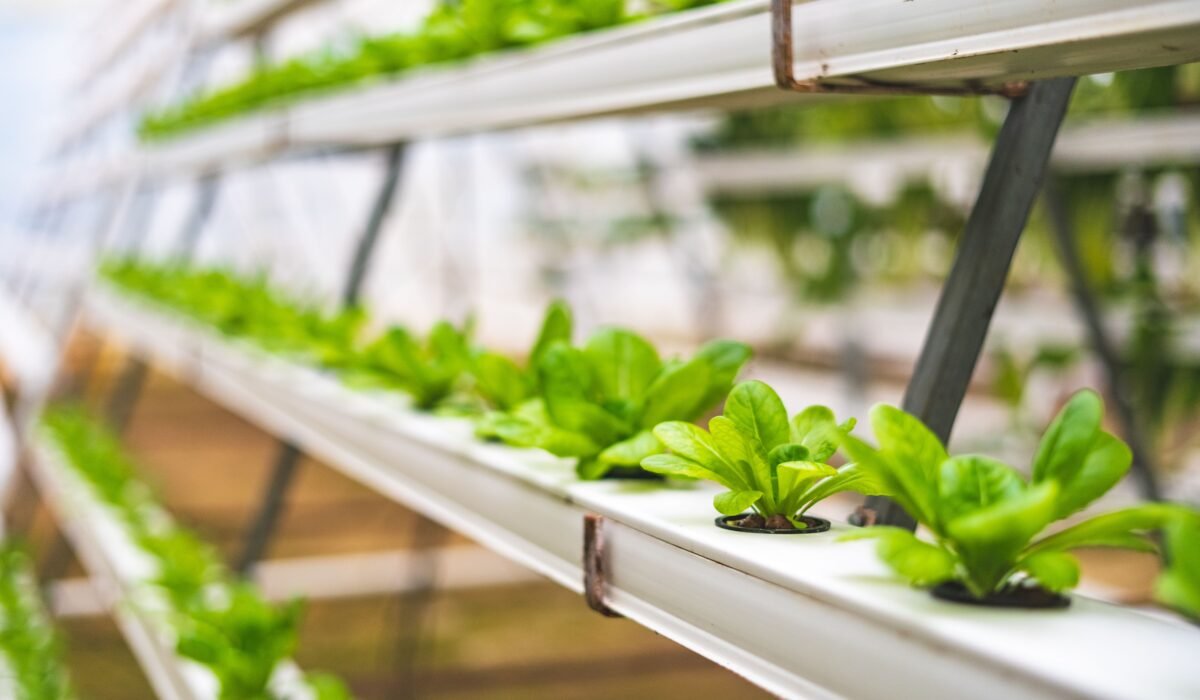
**Nutrient Film Technique (NFT) systems** require particular attention to the grow channels and return lines. These narrow channels can easily accumulate biofilm and algae, restricting nutrient flow. After disassembling, use brushes designed for pipes to scrub the insides of the channels. Running a diluted hydrogen peroxide solution through the system for a short period before a final rinse can help dislodge stubborn films.
Here’s a quick guide to system-specific hydroponic system cleaning steps:
- DWC: Focus on reservoir scrubbing, air stone cleaning/replacement, and net pot sterilization.
- NFT: Emphasize cleaning grow channels and return lines with pipe brushes; ensure even flow after reassembly.
- Ebb and Flow (Flood and Drain): Clean grow trays and reservoir. Pay attention to the pump and the flood/drain fittings, which can get clogged with debris.
- Drip Systems: The drippers are prone to clogging. Soak them in vinegar to clear mineral buildup, and flush lines with a cleaning solution. Dosatron injectors can help prevent this by precisely managing nutrient delivery, reducing residue.
- Aeroponic Systems: Nozzles are critical. Disassemble and soak them in vinegar to clear mineral deposits, as clogged nozzles reduce oxygenation and nutrient delivery.
Regardless of the system type, always ensure your pump is clean and free of debris. A clogged pump can lead to system failure and seriously impact plant health. These tailored **hydroponic system cleaning steps** ensure that every part of your specific setup receives the attention it needs for optimal performance.
Frequently Asked Questions
How often should you clean your hydroponic system?
You should clean your hydroponic system every 1-2 weeks for active systems, and thoroughly between each crop cycle. This frequency prevents nutrient buildup, algae growth, and pathogen development, which can harm plants. The global hydroponics market is projected to reach USD 49.64 billion by 2033, growing at a CAGR of 12.83% from 2026, underscoring the importance of protecting this investment with regular cleaning.
What do you use to clean a hydroponic system?
You use solutions like hydrogen peroxide for sterilization, white vinegar for mineral deposit removal, and sometimes diluted bleach for deep cleaning between cycles. Physical scrubbing with brushes and sponges is also essential to remove residue. EPM’s Clear Flow™ is a specialized hydroponic cleaner designed for deep cleaning and shock treatments.
How do you clean a hydroponic reservoir full of algae?
To clean a hydroponic reservoir full of algae, first drain it completely, then physically scrub all visible algae from the surfaces. Follow this with a soak in a diluted hydrogen peroxide solution (e.g., 3% H2O2 diluted 1:10) to kill remaining spores. Rinse thoroughly afterward and ensure the reservoir is light-proof before refilling.
How do you flush a hydroponic system?
You flush a hydroponic system by draining the old nutrient solution completely, then refilling the system with plain, pH-balanced water for 24-48 hours before draining again. This process removes accumulated nutrient salts and residues, preparing the system for fresh nutrients. This is a critical part of the overall hydroponic system cleaning steps.
What is the best way to prevent root rot in hydroponics?
The best way to prevent root rot in hydroponics is through consistent hygiene, proper aeration, and maintaining optimal water temperatures. Regularly performing all **hydroponic system cleaning steps** is paramount, along with ensuring sufficient dissolved oxygen in the nutrient solution and keeping water temperatures below 72°F (22°C).