Key Takeaways
- Hydroponic systems can reduce water usage by up to 90% compared to traditional gardening, according to industry data.
- The global hydroponic systems market was valued at USD 6.8 billion in 2025, according to market research.
- Vertical hydroponic systems like the Lettuce Grow Farmstand use 95% less water than soil gardening.
- Compact Deep Water Culture (DWC) systems are efficient for small spaces and ideal for leafy greens.
- Choosing dwarf plant varieties and vining plants for trellises maximizes yield in limited hydroponic setups.
Most Mumbai balcony gardeners often struggle with growing enough fresh produce due to limited space, but innovative **hydroponics gardens save space** by letting you grow vertically and efficiently. You’re not alone in finding this a challenge; compact living often means sacrificing a green thumb, but that doesn’t have to be the case with smart hydroponic setups. This guide will walk you through seven simple, expert-backed ways to make your hydroponic dreams a reality, even in the smallest of urban homes.
Quick Answer: Save space in hydroponic gardens by utilizing vertical systems like towers, wall-mounted panels, or stacked DIY setups, choosing compact plant varieties, and implementing efficient methods such as Deep Water Culture or nutrient film technique.
What is the best small space hydroponics system?
The best small space hydroponics system is often a vertical tower garden or a compact Deep Water Culture (DWC) setup, as both efficiently maximize plant growth in minimal floor area. For instance, the Lettuce Grow Farmstand, a vertical hydroponic garden, uses 95% less water than traditional gardening, according to Lettuce Grow. These systems are fantastic for urban dwellers who want to grow fresh produce without taking over their entire living space. You’ll find that these specialized **hydroponics gardens save space** by thinking upward instead of outward.
My personal pick for beginners in a small apartment would be a simple DWC system. It’s incredibly forgiving and easy to set up. You just need a reservoir, an air pump, and some net pots. I’ve used DWC for growing pudina and lal mirch on my Bangalore balcony, and it worked wonders, even in cramped corners.
Aerogarden countertop systems
For absolute beginners or those with truly tiny kitchens, countertop systems like AeroGarden are a popular entry point. These self-contained units include lights, pumps, and nutrient delivery, making them incredibly user-friendly. They’re perfect for growing small herbs like dhania or tulsi right on your kitchen counter.
Vertical tower gardens
If you have a bit more vertical clearance, a tower garden is a game-changer. These systems allow plants to grow in stacked layers, often rotating to ensure even light exposure. They’re ideal for a wider variety of plants, from leafy greens to smaller fruiting vegetables, and truly embody how **hydroponics gardens save space** by utilizing vertical real estate.
How do you grow hydroponics in a small apartment?
Growing hydroponics in a small apartment involves selecting compact systems, optimizing vertical space, and choosing appropriate plant varieties to ensure your **hydroponics gardens save space** effectively. Josh Campbell, an Oklahoma County Extension educator, notes that “Hydroponics is an option in urban areas where there’s a lack of access to land bases or productive soil,” highlighting its suitability for apartment living. You’ll want to think strategically about every inch.
Here’s how to make it work:
- Choose the Right Spot: Look for areas with natural light, like a balcony (even a small one), near a window, or in a corner where you can add grow lights. Even a narrow passage can house a vertical setup.
- Go Vertical: This is the golden rule for small spaces. Wall-mounted systems, stacked shelves, or DIY PVC pipe towers can transform a blank wall into a productive garden.
- Select Compact Plants: Opt for dwarf varieties of vegetables or herbs that don’t spread too wide or grow too tall. We’ll dive into specific plant recommendations later.
- Automate When Possible: Small systems can dry out quickly. Automated timers for lights and pumps mean less daily fuss for you, which is a big plus in a busy apartment.
I’ve seen many apartment dwellers in Pune successfully grow a substantial amount of bhindi and methi using wall-mounted drip systems. It just takes a bit of planning and consistent care, especially during the pre-monsoon heat when nutrient solution evaporation can be a real concern.
Vertical hydroponic systems: maximizing upward growth
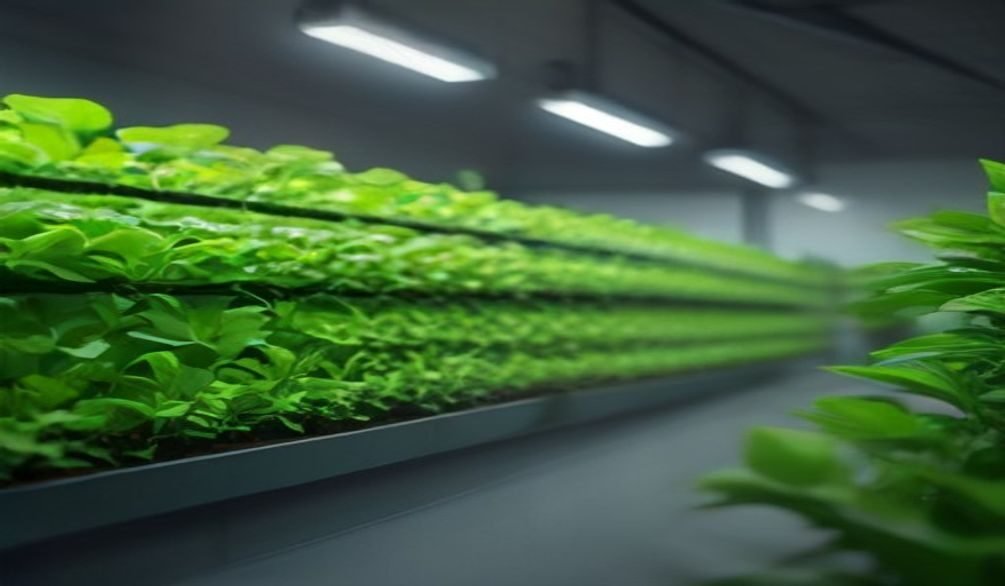
Vertical hydroponic systems are specifically designed to maximize upward growth, allowing you to cultivate a large number of plants in a minimal footprint, making them paramount when **hydroponics gardens save space**. These systems can drastically increase your yield per square foot, which is crucial for urban hydroponic farming. Think of it as turning your walls into productive farmland.
There are a few key types of vertical systems that truly help your **hydroponics gardens save space**:
- Hydroponic Towers: These freestanding structures allow plants to grow out of openings on all sides. They often feature a central water delivery system that trickles nutrient solution down, feeding each plant as it goes. Brands like Lettuce Grow offer excellent ready-to-use options, but DIY versions with PVC pipes are also popular.
- Wall-Mounted Panels: These systems attach directly to a wall, holding plants in individual pockets or channels. They’re fantastic for utilizing unused vertical wall space in a kitchen or on a balcony.
- Stacked Systems: You can create these yourself with shelves and individual hydroponic units, or purchase multi-tiered rack systems. This method is versatile, letting you combine different hydroponic techniques on each level.
The beauty of vertical systems is that they’re incredibly efficient. Dr. Pieter Schippers, a former lead research associate at Cornell University’s hydroponic research facility, pioneered the variable-spacing NFT hydroponic system, which is a testament to the power of optimized design in commercial operations, and the principles translate perfectly to home setups. You’ll find these solutions are a game-changer for anyone with limited horizontal space.
Compact hydroponic methods for limited areas
When space is tight, compact hydroponic methods like Deep Water Culture (DWC) and Nutrient Film Technique (NFT) are excellent choices because they are inherently designed for efficiency, ensuring your **hydroponics gardens save space**. These methods require less bulky equipment and can be scaled down to fit almost any area, from a countertop to a small shelf.
Here’s a quick comparison of popular compact methods:
| Method | Description | Best For | Space Efficiency |
|---|---|---|---|
| Deep Water Culture (DWC) | Plant roots are submerged in an oxygenated nutrient solution. | Leafy greens (lettuce, spinach), herbs (pudina, dhania). | High; ideal for small containers and grow tents. |
| Nutrient Film Technique (NFT) | A thin film of nutrient solution flows over the roots in channels. | Leafy greens, small herbs. | Very High; often used in vertical setups. |
| Wick System | Wicks draw nutrient solution from a reservoir to the growing medium. | Small, non-fruiting plants; very simple, passive. | Moderate; requires minimal equipment. |
| Drip System (Recirculating) | Nutrient solution is dripped onto the base of each plant. | Larger plants (tomatoes, peppers) in vertical towers. | Good for larger vertical setups. |
I’ve personally found DWC systems to be very effective for growing specific herbs in a small indoor hydroponic setup. For example, I once tried growing tulsi in a DWC system on my kitchen counter, and it thrived, giving me fresh leaves daily without taking up much room at all. It’s a testament to how these specific **hydroponics gardens save space** while still being productive.
Choosing the right plants for space-saving hydroponics
Choosing the right plants is absolutely crucial for ensuring your **hydroponics gardens save space** and provide a good yield in compact setups. You need to pick varieties that naturally stay smaller or can be easily trained, rather than those that sprawl or grow into large bushes.
You might have heard that beginners should start with “easy” plants. In practice, “easy” is relative to your specific balcony conditions. A north-facing balcony in Bangalore and a south-facing terrace in Delhi need completely different starter plants. Location matters more than a generic difficulty rating. For instance, growing leafy greens like lettuce or spinach is generally easy, but trying to grow a large pumpkin plant in a small DWC system is just asking for trouble.
Consider these types of plants for your limited space:
- Leafy Greens: Lettuce (especially loose-leaf varieties like Romaine or Butterhead), spinach, kale, Swiss chard. These are fast-growing and don’t need much root space.
- Herbs: Pudina, dhania, basil, tulsi, oregano, thyme. Most herbs thrive in compact hydroponic systems and provide a continuous harvest.
- Dwarf Vegetables: Look for compact varieties of cherry tomatoes (like Pusa Ruby, which works well in containers), bell peppers, and cucumbers. These are bred to stay smaller.
- Vining Plants (with support): Strawberries and small vining tomatoes can work if you provide vertical support like a trellis or string system in a tower garden. This lets your **hydroponics gardens save space** by growing up.
One common mistake I’ve seen is gardeners trying to grow indeterminate tomatoes in a small NFT channel. They just get too big, overshadowing other plants and hogging nutrients. Stick to determinate or dwarf varieties for the best results in your indoor hydroponic setup space.
Diy space-saving hydroponics: budget-friendly solutions
Creating DIY space-saving hydroponics systems is an excellent way to get started without a hefty investment, proving that **hydroponics gardens save space** and can be budget-friendly too. You can repurpose common household items and inexpensive materials to build effective systems that fit your unique small space.
My personal experience with cocopeat taught me a valuable lesson here. I tested cocopeat from three different brands in 2023 — COCO COIR, Royal, and a local loose brand from the nursery. The loose brand had salt residue that burned my seedling roots, even though it was cheaper at ₹50 per block. I had to wash it 4 times before it was safe to use, which was a huge hassle. Branded cocopeat, costing ₹80–120 more per block, saves you from a potentially ruined batch of seedlings. Sometimes, saving a little upfront costs you more in the long run.
Here are some popular DIY ideas:
- PVC Pipe Systems: These are incredibly versatile for vertical hydroponic systems. You can cut PVC pipes into channels, drill holes for net cups, and stack them vertically. They’re robust and readily available at any local hardware store.
- Vertical Bottle Gardens: Reusing plastic bottles to create a vertical wall garden is an eco-friendly and budget-friendly option. You cut the bottles, fill them with growing media, and arrange them on a frame or hang them.
- Stacked Container DWC: For a simple DWC setup, use opaque storage containers (easily found at a local kiryana store) as reservoirs, cut holes in the lids for net cups, and add an air pump. These are great for countertop hydroponics.
Remember, the goal is to create functional **hydroponics gardens save space** solutions. Don’t be afraid to experiment with materials you have on hand. Just make sure whatever plastic you use is food-grade and opaque to prevent algae growth in your nutrient solution.
Long-term maintenance for compact hydroponic gardens
Long-term maintenance for compact hydroponic gardens is crucial for sustained success, as even the most brilliantly designed **hydroponics gardens save space** but still require consistent care to thrive. Neglecting regular checks can quickly lead to nutrient deficiencies, pH imbalances, or pest issues, especially in smaller, more confined setups. Jacob Pechenik, co-founder of Lettuce Grow, points out that hydroponics offers advantages like automated watering and reduced weeding, but monitoring is still key.
Here’s what you need to keep an eye on:
- Nutrient Solution Management: Check your nutrient solution levels daily and top up with fresh, pH-balanced water. Replace the entire reservoir every 1-2 weeks to prevent nutrient imbalances and pathogen buildup. In hot Indian summers (40°C+), evaporation is faster, so check more frequently.
- pH Monitoring: Use a pH test kit or meter regularly (every 2-3 days). Most plants prefer a pH range of 5.5-6.5. Adjust with pH up/down solutions as needed.
- EC/TDS Checks: An EC (Electrical Conductivity) or TDS (Total Dissolved Solids) meter tells you the concentration of nutrients. Monitor this weekly to ensure plants are getting enough food.
- Cleaning: Algae can be a problem, especially in warmer climates like Chennai. Regularly clean your reservoir and system components to prevent algae and bacterial growth.
- Pest and Disease Control: Inspect your plants daily for any signs of pests or diseases. In a small indoor setup, a minor infestation can quickly become a major problem. Neem oil spray works wonders for common pests, and it’s organic.
- Pruning: Regular pruning encourages bushier growth and prevents plants from becoming leggy, which helps manage their size in your space-saving hydroponic garden.
Honestly, the first cut is the hardest – not because of technique, but because most gardeners are afraid to remove a branch that looks healthy. But trust me, pruning your basil or methi regularly will lead to a much more abundant and compact plant. It’s all part of making sure your **hydroponics gardens save space** effectively over time.
Integrating smart technology into small hydroponic setups
Integrating smart technology into small hydroponic setups can significantly simplify maintenance and optimize growth, turning your compact **hydroponics gardens save space** efforts into a more hands-off experience. These smart devices can monitor crucial parameters, automate tasks, and even alert you to potential issues, making them ideal for busy urban gardeners.
While the initial investment might be a bit higher, the convenience and improved plant health often make it worthwhile. You’ll find that these tools are becoming more accessible and user-friendly, even for those of us who aren’t tech wizards.
Consider these smart integrations:
- Smart Timers and Plugs: Control grow lights and pumps with precision. You can set schedules, adjust intensity, and even turn them on/off remotely using your smartphone. Brands like Wipro Smart Home or Mi Smart Plug are readily available in India for ₹500–1000.
- Automated pH/EC Meters: These devices continuously monitor your nutrient solution and can even automatically dose pH adjusters or nutrient solutions to maintain optimal levels. This is a huge time-saver.
- Smart Grow Lights: LED grow lights with adjustable spectrums and timers can be controlled via an app, allowing you to fine-tune light conditions for different plant growth stages.
- Environmental Sensors: Small sensors can track temperature, humidity, and even CO2 levels in your grow area, sending data to your phone. This is particularly useful for controlling conditions in a small grow tent.
- Automated Watering Systems: For larger DIY setups, smart pumps can be programmed to deliver nutrient solution at specific intervals, ensuring plants are always hydrated.
I once helped a friend set up a small hydroponic system in his Delhi apartment. He was always forgetting to turn off the grow lights. We integrated a smart plug, and not only did it save him energy, but his plants also showed much healthier growth with a consistent light cycle. It really highlights how these smart additions help your **hydroponics gardens save space** and thrive with less effort.
Frequently asked questions
What is the smallest hydroponic system?
The smallest hydroponic systems are typically compact countertop units like the AeroGarden or simple Deep Water Culture (DWC) setups. These systems are designed to grow a few plants in a minimal footprint, ideal for small kitchens or desks. A DWC system can fit on a countertop, with plants sitting in net cups above a reservoir, according to gardening experts.
What are the 7 types of hydroponics?
The seven main types of hydroponic systems are Deep Water Culture (DWC), Nutrient Film Technique (NFT), Wick System, Drip System, Ebb and Flow (Flood and Drain), Aeroponics, and Aquaponics. Each method has unique advantages regarding complexity, cost, and suitability for different plant types and spaces. These diverse methods allow for versatile **hydroponics gardens save space** solutions.
What are the benefits of hydroponics in small spaces?
Hydroponics offers significant benefits for small spaces, including efficient water use, faster plant growth, and higher yields compared to traditional soil gardening. Hydroponic systems can use up to 90% less water than soil-based gardening, according to industry reports. This makes them perfect for urban areas where land and water resources are often limited, helping your **hydroponics gardens save space** and resources.
Can i grow hydroponics indoors without sunlight?
Yes, you can absolutely grow hydroponics indoors without natural sunlight by using artificial grow lights, specifically LED grow lights. These lights provide the full spectrum of light plants need for photosynthesis, allowing for successful indoor cultivation in any room. Many compact hydroponic systems come with integrated LED lights for this purpose.
How much does a small hydroponic system cost in india?
A small hydroponic system in India can range from ₹1,500 for a basic DIY DWC setup to ₹10,000+ for a branded countertop unit like an AeroGarden. Prices vary based on complexity, automation features, and included components like grow lights or nutrient solutions. You can find components at local nurseries or online platforms like Ugaoo and Nurserylive.
Making your dream of a home garden a reality, even in a small urban apartment, is totally achievable with smart hydroponic choices. By embracing vertical systems, choosing compact plants, and leveraging efficient methods, your **hydroponics gardens save space** while delivering fresh produce right to your kitchen. So, don’t let limited space hold you back; start small, get creative, and enjoy the rewarding experience of growing your own food.