Key Takeaways
- The global indoor plant market is projected to reach USD 21.07 billion by 2034, according to market analysis (2026).
- Foliage plants comprised a 41.12% revenue share in the indoor plants market in 2025, showing their popularity.
- 66% of American households own at least one houseplant, according to industry reports (2025).
- Indoor plants can reduce stress and anxiety levels by 37%, as research suggests (2025).
- Cleaning plant leaves is important because dust clogs stomata, hindering air intake and photosynthesis, explains Christopher Satch of NYC Plant Help (2026).
Are you dreaming of transforming your living space into a lush, vibrant sanctuary? You’re not alone. Many beginners want to know the secret to creating indoor plant oasis that thrives, bringing beauty and calm into their homes. In my 10 years of experience as an expert gardener, I’ve seen countless people struggle with their first houseplants, but with the right guidance, anyone can succeed. This guide will walk you through 7 simple steps to establish and maintain your very own indoor plant oasis, covering everything from plant selection to long-term care.
Quick Answer: Creating an indoor plant oasis involves choosing suitable plants, providing adequate light, consistent watering, well-draining soil, and managing humidity and pests. Focus on beginner-friendly varieties and enjoy the wellness benefits.
How do you create a plant oasis indoors?
Creating an indoor plant oasis indoors begins with thoughtful planning and understanding your home’s environment. The global indoor plant market is projected to grow from USD 14.42 billion in 2026 to USD 21.07 billion by 2034, according to market analysis (2026), indicating a rising interest in bringing nature indoors. Start by assessing your available light, humidity levels, and space, then select plants that naturally thrive in those conditions.
Here’s the thing: many beginners jump into buying plants without considering their home’s specific environment, leading to disappointment. Instead, think about where you want your plants to go. Do you have a bright, sunny window? Or a shadier corner? This initial assessment is key to successfully creating indoor plant oasis that feels natural and effortless.
* Assess Your Space: Look at light availability throughout the day—south-facing windows offer the most intense light, while north-facing windows provide softer, indirect light.
* Choose the Right Plants: Match plants to your light conditions. For example, succulents love bright, direct light, but ferns prefer indirect light and higher humidity.
* Consider Aesthetics: Think about the look and feel you want. Are you aiming for a lush, jungle-like vibe, or a minimalist, sculptural display? Plant styling tips are important here.
* Plan for Groupings: Grouping plants can create microclimates that increase humidity, which is beneficial for many tropical varieties. This also makes a visual impact when creating indoor plant oasis.
What are the essential needs for a thriving indoor plant oasis?
For a thriving indoor plant oasis, the essential needs are light, water, well-draining soil, proper humidity, and protection from pests. 66% of American households own at least one houseplant, according to industry reports (2025), highlighting the widespread appeal of indoor greenery and the importance of understanding their basic requirements. Providing these core elements correctly is the foundation of creating indoor plant oasis.
What most people miss is that “essential” doesn’t mean “excessive.” It’s about balance. Too much or too little of any of these elements can harm your plants. My experience tells me that patience and observation are your best tools here.
-
Light: Plants need light for photosynthesis. If natural light is insufficient, consider supplementary grow lights. Soltech Solutions, for example, offers the Aspect Gen 2 LED Grow Light to ensure adequate light for indoor plants.
-
Water: Consistency is more important than frequency. Most plants prefer their soil to dry out slightly between waterings. Overwatering is a common killer, leading to root rot. Use a moisture meter or simply stick your finger into the soil to check dryness.
-
Soil: Well-draining soil is non-negotiable. It provides aeration for roots and prevents waterlogging. Adding perlite, like Miracle-Gro perlite, or orchid bark can significantly improve drainage and is a key component of best soil for houseplants. This is crucial for creating indoor plant oasis that lasts.
-
Humidity: Many popular houseplants are tropical and thrive in higher humidity. Hilton Carter, a renowned plant stylist, emphasizes the importance of humidifiers for tropical plants like calatheas and ferns. Grouping plants together or using pebble trays can also help. This is a common challenge when creating indoor plant oasis in drier climates.
-
Pest Management: Regularly inspect your plants for signs of pests. Early detection makes control much easier. Natural pest control for plants includes neem oil sprays or sticky traps for fungus gnats, like Garsum Sticky Traps, which often appear in soggy soil.
What are the easiest indoor plants to care for in an oasis?
The easiest indoor plants to care for in an oasis are generally tolerant of a range of conditions and forgiving of occasional neglect. Foliage plants held a 41.12% revenue share in the indoor plants market in 2025, according to industry data, largely due to their aesthetic appeal and often low-maintenance nature, making them perfect for beginners creating indoor plant oasis.
When you’re just starting, picking robust, easy indoor plants is the smartest move. This builds your confidence and helps you learn plant care tips without the frustration of constant plant casualties. Trust me, nothing is more disheartening than a quickly wilting plant.
Here are some top picks for a beginner houseplant guide:
| Plant Name | Light Needs | Watering Frequency | Special Notes for Creating Indoor Plant Oasis |
|---|---|---|---|
| Snake Plant (Sansevieria) | Low to bright indirect | Infrequently (drought tolerant) | Extremely forgiving, air-purifying. Costa Farms frequently cites these as beginner-friendly. |
| ZZ Plant (Zamioculcas zamiifolia) | Low to bright indirect | Infrequently (drought tolerant) | Can handle significant neglect, excellent for low-light areas. |
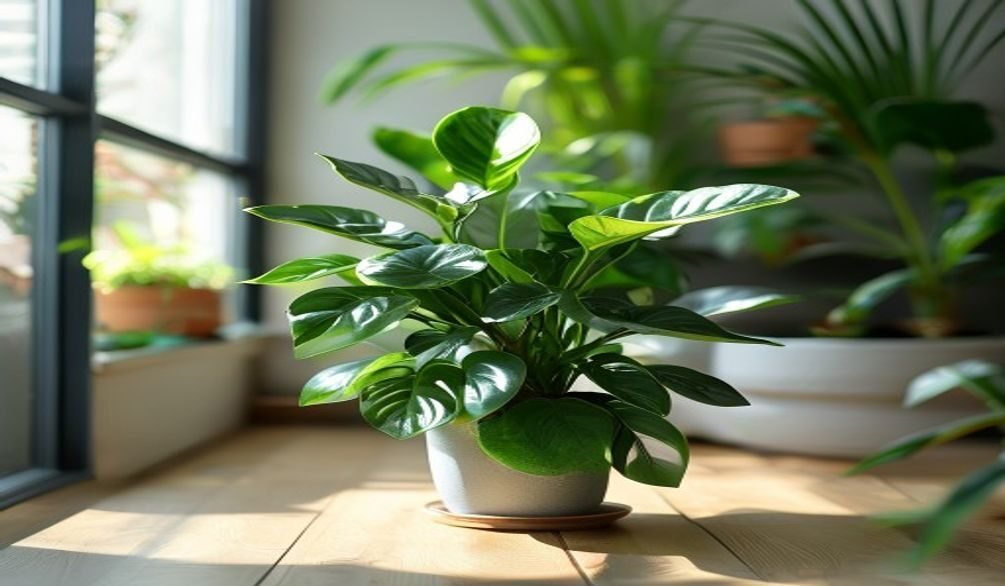
| Pothos (Epipremnum aureum) | Low to medium indirect | When top inch of soil is dry | Vining plant, easy to propagate, adaptable to various light levels. |
| Spider Plant (Chlorophytum comosum) | Medium to bright indirect | When top inch of soil is dry | Produces “spiderettes” for easy propagation, non-toxic for pets. |
| Peace Lily (Spathiphyllum) | Low to medium indirect | When leaves droop slightly | Visually tells you when it needs water, produces white flowers. |
These varieties are fantastic for creating indoor plant oasis because they are resilient and provide a lush, green aesthetic without demanding constant attention.
How do you make an indoor plant thrive long-term?
Making an indoor plant thrive long-term involves consistent care, regular observation, and proactive adjustments to its environment. Just giving them the basics isn’t enough; you need to understand their evolving needs. This is where most guides stop—we won’t.
One common mistake I’ve seen is people neglecting ongoing maintenance. You can’t just set it and forget it when creating indoor plant oasis.
* Pruning and Cleaning: Regular pruning encourages bushier growth and removes dead or yellowing leaves. Lisa Eldred Steinkopf, “The Houseplant Guru,” and Christopher Satch of NYC Plant Help, both highlight the crucial role of cleaning plant leaves. Satch explains that dust and grime can clog plant pores (stomata), hindering their ability to take in air, while Eldred Steinkopf adds that this also impacts photosynthesis, making a sickly plant more susceptible to pests and disease (2026). Use a soft, damp cloth to wipe down leaves regularly. Basic pruning techniques are really helpful here.
* Fertilization: Most indoor plants benefit from feeding during their active growing season (spring and summer). A general liquid fertilizer, such as Schultz All Purpose Plant Food Plus, can be applied every 2-4 weeks. Always dilute according to package directions to avoid burning roots.
* Repotting: Plants eventually outgrow their pots. When roots start circling the bottom or poking out of drainage holes, it’s time to repot into a slightly larger container with fresh soil. This usually happens every 1-2 years.
* Pest Prevention: Beyond immediate treatment, prevent pests by isolating new plants, inspecting regularly, and maintaining good plant hygiene. A healthy plant is less susceptible to infestations.
Troubleshooting common problems in your indoor plant oasis
Troubleshooting common problems in your indoor plant oasis often comes down to identifying symptoms and adjusting basic care parameters. Even with the best intentions, issues like yellowing leaves or stunted growth can arise, and learning to diagnose them is a key step in creating indoor plant oasis successfully.
Real talk: sometimes, despite your best efforts, a plant looks unhappy. Don’t panic! It’s usually a solvable problem. Here’s how to approach it.
* Yellow Leaves: This is often a sign of overwatering or underwatering. Check the soil moisture deeply. If soggy, reduce watering; if bone dry, give it a good drink. It can also indicate a nutrient deficiency, so consider a light feeding if watering isn’t the issue.
* Brown, Crispy Leaf Tips: Typically points to low humidity or inconsistent watering. Mist your plant, consider a humidifier, or group plants together.
* Drooping Leaves: Most commonly means the plant is thirsty, especially for a Peace Lily. Water it thoroughly. It can also be a sign of overwatering if the soil is constantly wet, leading to root rot.
* Stunted Growth: Lack of light or nutrients can cause this. Move the plant to a brighter spot or provide a balanced liquid fertilizer during the growing season.
* Pests (e.g., small flies, sticky residue): Small flies often indicate fungus gnats, which thrive in overly wet soil. Sticky residue could be sap from aphids or mealybugs. Isolate the plant and treat with insecticidal soap or neem oil. Garsum Sticky Traps are great for fungus gnats.
Integrating your plant oasis with wellness routines
Integrating your plant oasis with wellness routines can significantly enhance your mental and physical well-being. Indoor plants can reduce stress and anxiety levels by 37%, according to research (2025), making the act of caring for them a powerful tool for personal calm. This is a key benefit of creating indoor plant oasis.
Let me be honest with you: the simple act of watering, cleaning, or just observing your plants can be incredibly meditative. Hilton Carter believes the process of watering plants is a “zen, centering experience.” This surprised me the first time I truly focused on it.
* Mindful Watering: Instead of rushing, take a few minutes to truly observe your plants while you water. Feel the soil, notice new growth, and appreciate their beauty. This can become a grounding daily ritual.
* Green Breaks: Step away from screens and spend a few minutes among your plants. The Sill predicts 2026 as the “year of wellness gardening,” where plants encourage calm, creativity, and screen-free moments. This quick reset can boost your mood and focus.
* Air Quality Improvement: While the air-purifying claims are often exaggerated, plants do contribute to a fresher indoor environment. This subtle improvement can contribute to a feeling of overall wellness.
* Increased Productivity: Indoor plants can increase productivity in office spaces by 15%, according to studies (2025). This benefit extends to home offices, making your plant oasis a smart investment in your work-life balance.
Creating an indoor plant oasis on a budget
Creating an indoor plant oasis on a budget is entirely achievable by being resourceful, choosing affordable plants, and utilizing DIY solutions. You don’t need to spend a fortune to enjoy the benefits of a lush indoor garden.
What most people think is that you need expensive pots and rare plants to have a beautiful indoor space. Not true! In my experience, some of the most charming plant setups are created with creativity and a small budget. This is where you can truly make your indoor garden ideas shine without breaking the bank.
* Start with Cuttings: Ask friends or family for cuttings of their healthy plants. Many common houseplants, like Pothos or Spider Plants, root easily in water or soil, providing free plants for creating indoor plant oasis.
* Shop Sales and Local Markets: Keep an eye out for sales at nurseries or big-box stores. Local farmers’ markets can also offer unique plants at better prices than specialty shops. Costa Farms expanded their indoor plant portfolio in March 2026 with air-purifying and low-maintenance varieties, often available at competitive prices.
* Repurpose Containers: Use old mugs, jars, or even plastic food containers (with drainage holes added) as planters. This is a sustainable indoor gardening practice that saves money and adds character.
* DIY Soil Mixes: Instead of buying expensive specialty soil, purchase basic potting mix and amend it with affordable perlite or coco coir for better drainage and aeration.
* Propagate Your Own: Once you have a few healthy plants, learn how to propagate them. This is a fantastic way to expand your collection for free, helping you in creating indoor plant oasis.
* Consider Grow Lights: If light is an issue, a basic LED grow light for a few plants is more cost-effective than constantly replacing light-starved plants.
Frequently asked questions
How do you create a plant oasis indoors?
Creating a plant oasis indoors involves selecting plants suited to your home’s light, ensuring proper watering and well-draining soil, and managing humidity and pests. Focus on beginner-friendly options like Snake Plants and Pothos to build confidence. The global indoor plant market is projected to reach USD 21.07 billion by 2034, according to market analysis (2026), showing a clear trend towards more indoor greenery.
How do i start an indoor plant garden for beginners?
To start an indoor plant garden for beginners, begin by assessing your available light and choosing resilient, easy-care plants that match those conditions. Provide them with adequate water, good drainage, and a suitable potting mix. Terrie Wallace, a UNH Extension Master Gardener, states, “It’s simple—because it’s fun. There’s joy in nurturing a living organism and watching it thrive,” emphasizing the rewarding nature of starting small.
What are the 5 basic needs for a plant?
The 5 basic needs for a plant are light, water, nutrients (from soil/fertilizer), air, and warmth. Meeting these needs consistently ensures healthy growth and vitality. Neglecting any of these can lead to stress and decline in your plants.
What are the easiest indoor plants to care for?
The easiest indoor plants to care for include Snake Plants, ZZ Plants, Pothos, Spider Plants, and Peace Lilies. These varieties are known for their tolerance to varying conditions and resilience, making them ideal for anyone new to plant care. Foliage plants, often low-maintenance, held a 41.12% revenue share in the indoor plants market in 2025, according to industry data.
How do you make an indoor plant thrive?
You make an indoor plant thrive by providing consistent care: proper light, appropriate watering, well-draining soil, and regular cleaning and pruning. Fertilize during the growing season and repot when necessary to ensure continuous healthy development. Hilton Carter, a renowned plant stylist, emphasizes that pruning shears are a must-have for tending to houseplants (2026).
Creating indoor plant oasis is a truly rewarding endeavor that brings life, beauty, and tranquility into your home. By following these 7 steps—from choosing the right plants to understanding their long-term needs and even integrating them into your wellness routine—you’ll be well on your way to cultivating a thriving green space. Embrace the journey of creating indoor plant oasis, learn from your plants, and enjoy the profound benefits they bring to your daily life. Your efforts in creating indoor plant oasis will surely pay off with a vibrant, calming sanctuary.