Are you a proud plant parent whose collection has outgrown every available windowsill and tabletop, leaving your green space feeling a little chaotic? You’re not alone! Finding clever indoor plant shelf ideas is the key to transforming that verdant clutter into a beautifully organized display, maximizing your existing space, and giving your beloved plants the spotlight they deserve.
Why Consider Indoor Plant Shelves?
Indoor plants do more than just look pretty; they infuse your home with a welcoming vibe, add a pop of natural color, and even aid in air purification. However, as your plant family grows, finding suitable spots for all your pots can become a real challenge. You might find plants scattered across floors, tables, and precarious window sills, creating a disheveled look.
Here’s the thing: without proper staging, your plants might not receive enough light, making them difficult to water and maintain. This is where plant display ideas involving shelves come into play. A well-chosen plant shelf tames your collection, offers better sun exposure, and inspires more consistent plant care.
Beyond functionality, plant shelves contribute significantly to your home’s aesthetic. They allow you to create stunning home decor plants arrangements, turning once-empty walls or corners into vibrant, living art installations. It’s about creating a dedicated sanctuary for your greenery that enhances your living space.
What Types of Indoor Plant Shelves Are There?
The world of plant shelving units is incredibly diverse, offering solutions for every style and space constraint. Understanding the different types available is the first step to finding your perfect fit.
Wall-Mounted & Floating Plant Shelves
- Wall-Mounted Shelves: These shelves use visible brackets to attach securely to your wall. They are excellent wall plant holders that keep pots off the floor, freeing up valuable real estate. They are ideal for small to medium-sized pots and can add a clean, modern feel to any room.
- Floating Plant Shelves: Similar to wall-mounted but without visible brackets, floating shelves create a minimalist, clean look. They are a popular choice for floating plant shelves because they maximize wall space without adding visual clutter. Many homeowners use them to create tiered arrangements or highlight individual prized plants.
Freestanding & Leaning Options
- Ladder Plant Stands: These multi-tiered units lean against a wall, offering varying shelf depths and heights. They are simple to move and perfect for showing off plants of varied sizes, creating a dynamic vertical gardening display.
- Tiered Plant Stands: Often freestanding, these stands come with multiple levels, allowing you to arrange many plants in a compact footprint. They are versatile and can accommodate a mix of plant sizes, making them excellent for open spaces or spacious rooms.
- Bookshelves: Don’t underestimate the power of repurposing! Existing bookshelves can easily become beautiful plant display areas. As Sarai Reed, a designer who created her own honeycomb shelving system, notes, even if primarily for books, “there’s always room for some greenery.”
Specialty Plant Shelf Designs
- Corner Plant Display: Utilizing a corner plant display shelf transforms an often-overlooked area into a vibrant focal point. These can be wall-mounted or freestanding, making excellent use of otherwise dead space.
- Window Plant Shelf: Designed to fit within a window frame, these shelves are fantastic for maximizing natural light for sun-loving plants. They are typically narrow and can be clear or minimalist to avoid obstructing views.
- Hanging Shelves: These shelves suspend from the ceiling or a wall bracket, adding a unique, airy dimension to your plant arrangements. They are perfect for trailing plants or creating a layered look.
How to Choose the Best Indoor Plant Shelf for Your Space
Selecting the right plant shelf involves more than just aesthetics; it’s about functionality, safety, and integration with your existing decor. Here’s what to consider when choosing your ideal indoor plant shelf ideas.
Prioritize Load Capacity and Stability
Plant pots, especially when filled with soil and water, can be surprisingly heavy. You need a shelf that is sturdy enough to support the total weight without warping, wobbling, or tipping over. Always check the manufacturer’s specified weight limit per shelf.
In practice, I’ve seen countless shelves collapse because homeowners underestimated the weight of multiple watered plants. This is crucial not only for the safety of your plants but also for your home.
Assess Footprint and Space Constraints
Before buying, measure the exact dimensions of the space where you intend to place the shelf. Some shelves take up a lot of floor space, while others are tall and slim. For apartments or smaller rooms, small space plant shelves like narrow, wall-hung units or vertical gardening solutions are ideal for maximizing space.
Conversely, for larger rooms, wide or multi-level shelves can accommodate more plants without feeling oppressive. The short answer is: measure twice, buy once.
Consider Adjustability and Modular Design
As your plant collection evolves, so do the sizes and light requirements of your plants. Shelves with adjustable heights or a modular design offer incredible flexibility. Mish of Planty of Mish, for example, switched to a String shelf with wire tiers, allowing her to arrange plants based on their size and light needs, even integrating grow lights.
Match Aesthetic Style and Cohesion
A plant shelf should look good in the room, not just hold plants. There are plenty of styles to choose from, including minimalist, rustic, boho, or industrial. Choose a shelf that complements your room’s existing design if you want everything to look neat and deliberate.
Rattan and wicker shelves, while not always as sturdy as wood or metal, bring charming texture and are often best for holding small to medium plants in living rooms or corners. The right style can transform a simple plant shelf into a stylish part of your decor.
Creative Indoor Plant Shelf Ideas for Every Room
Beyond the basic types, there are countless creative plant shelf ideas to bring life to every corner of your home. Think outside the traditional plant stand to truly maximize space and elevate your greenery.
Living Room & Dining Area Displays
- Bookshelf Integration: Blend your plant collection with your literary one. Experiment with your book-to-pot ratio, placing small trailing plants or succulents on empty cubbies. Darryl Cheng of Houseplant Journal often uses neutral vessels for a cohesive look.
- Geometric Floating Shelves: For a modern touch, hang hexagon or other uniquely shaped floating plant shelves on a blank wall. These are playful and instantly elevated by a single potted plant or a small grouping.
- Ladder-Style Statements: A ladder plant stand in a living room can become a striking focal point. Arrange plants of varying heights and textures for a lush, dynamic display.
Kitchen & Bathroom Greenery
- Counter Tabletop Shelves: Utilize free space on kitchen counters or bathroom vanities with small plant tables. These can hold one or two small potted plants, perfect for herbs in the kitchen or humidity-loving plants in the bathroom.
- Shower Niche Plants: If your bathroom gets good light, don’t let the shower niche be just for toiletries. A couple of small, light-loving pots can thrive there, adding a refreshing feel.
Bedroom & Home Office Accents
- Minimalist Wall Plant Holders: For a serene bedroom or focused home office, a minimalist approach works wonders. Style a contemporary wall plant shelves unit with just one or two plants in sleek pots. This keeps the space clean and promotes calm.
- Window Plant Shelves: Especially beneficial for bedrooms or offices, a window plant shelf ensures your plants get ample light, which is vital for their health and growth.
Balconies & Indoor Porches
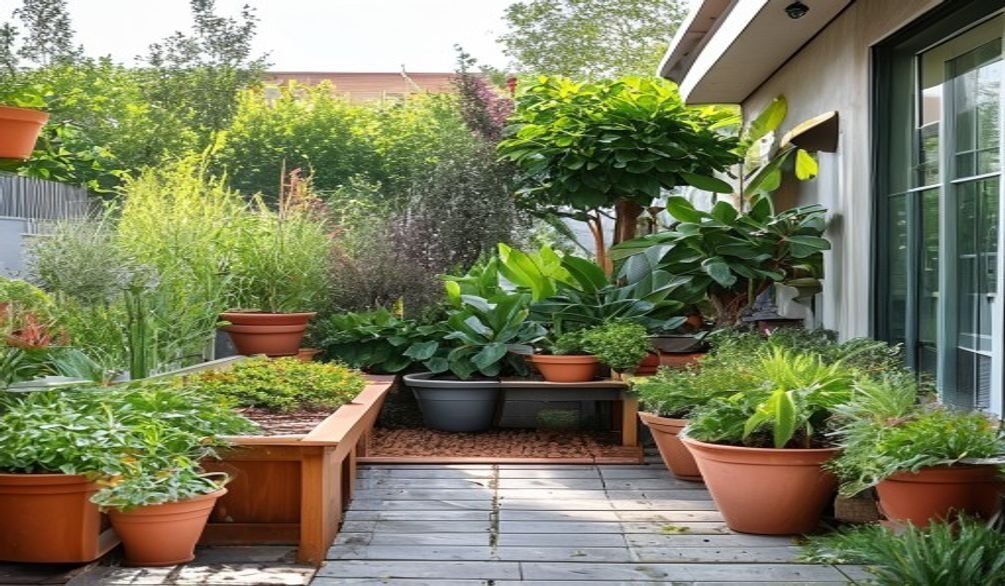
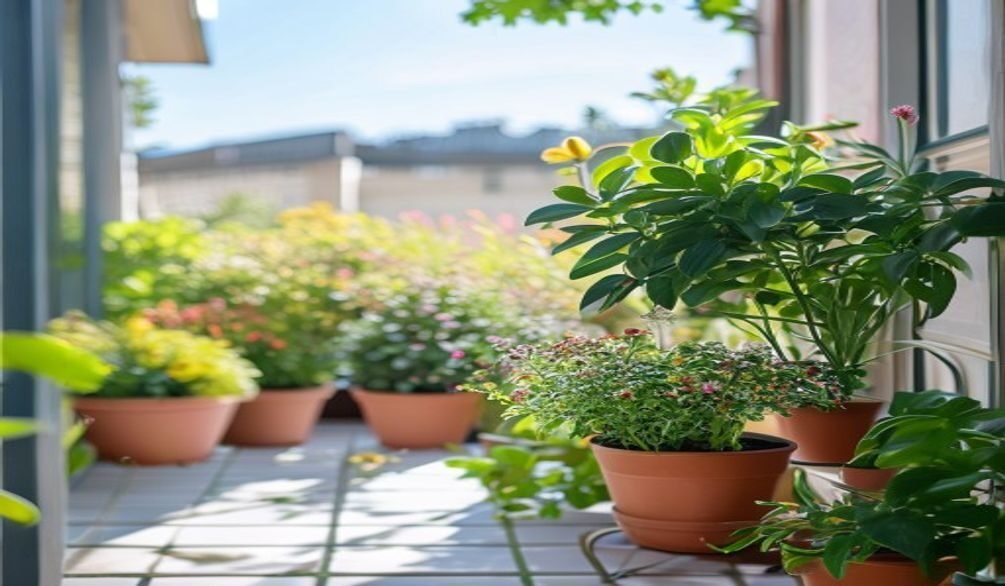
These areas often receive the most light, making them ideal for plant shelves. Consider metal or weather-resistant wood shelves. Include rolling plant stands or caddies for easy repositioning, especially if you want to move plants to catch more sun or protect them from harsh conditions.
What most people miss is the opportunity to combine flowering plants with greenery on these shelves for a truly vibrant and welcoming look. Lean shelves against a wall or railing to free up floor space effectively.
Styling Your Plant Shelves: Tips for a Lush Display
Once you have your shelves, the real fun begins: arranging your plants to create a visually appealing and thriving display. This is where your creativity truly shines, turning simple indoor plant shelf ideas into botanical masterpieces.
Curate Your Collection
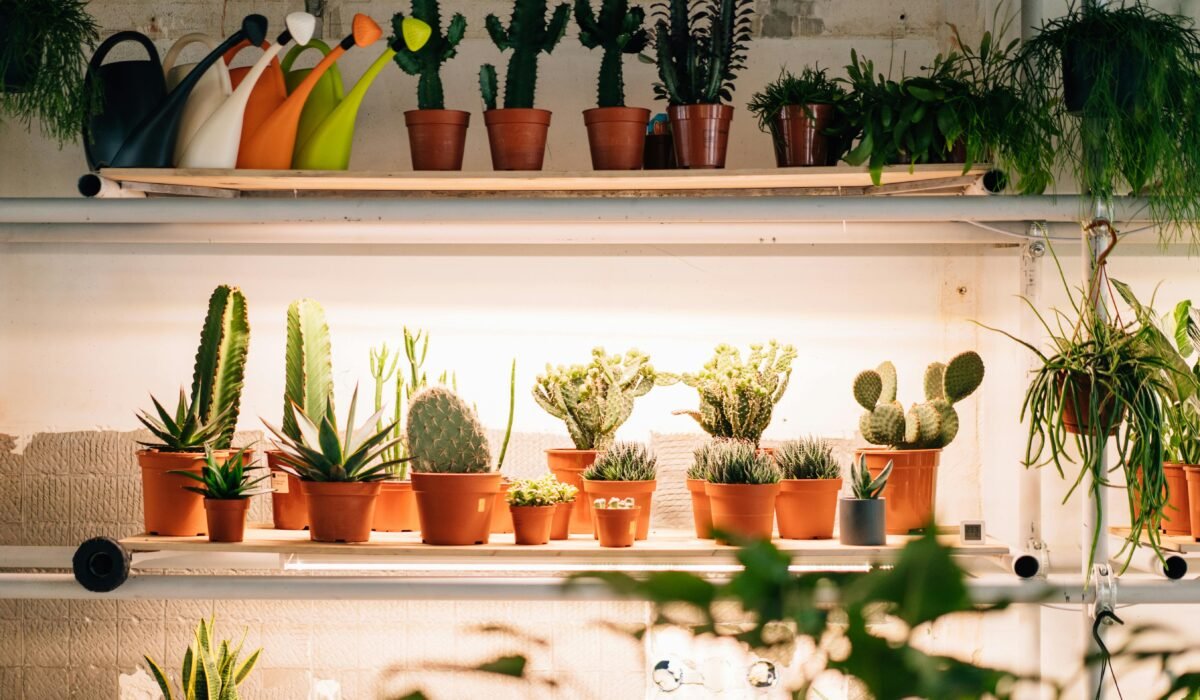
- Vary Heights and Textures: Combine tall, upright plants with trailing varieties and compact, bushy ones. This creates visual interest and depth. For instance, place a snake plant next to a pothos or a string of pearls.
- Group by Pot Color/Style: A consistent color palette for your pots can bring a sense of cohesion to even the most eclectic plant collection. Neutral vessels are always a safe bet, as demonstrated by Darryl Cheng’s snake plant arrangements.
- Integrate Non-Plant Decor: Don’t be afraid to add small decorative items like books, candles, or small sculptures to your shelves. This adds personality and breaks up the greenery, creating compelling plant shelf decor.
Optimize for Visual Balance
Staggering shelves across a wall, as designer James Renaud suggests, allows you to incorporate plants and pots of varying heights, making the most of available light and wall space. Think about the “flow” of your display, ensuring it feels balanced and not top-heavy or cluttered.
My genuine insight here is that less can often be more. Sometimes, a single, beautifully styled plant on a minimalist shelf makes a bigger statement than an overcrowded one. Give each plant room to breathe and be appreciated.
Maximizing Light and Care for Shelf Plants
Even the most beautiful plant display ideas won’t thrive without proper light and consistent care. This is where understanding your plants’ needs becomes paramount.
Understanding Light Requirements
Before placing any plant, consider how much light the room receives. As Lindsey of Fancy Plants Chic advises, different plants thrive in different light conditions. South-facing windows typically offer the brightest indirect light, while north-facing windows provide softer, more consistent light. You can learn more about specific plant needs in our guide on Indoor Plant Light Requirements.
For shelves in lower-light areas, consider integrating grow lights. Some modern plant shelves even come with built-in lighting. This ensures your plants get the necessary photons to photosynthesize effectively, preventing leggy growth and promoting lush foliage.
Essential Plant Care Tips for Shelf Plants
- Watering: Ensure your shelf material is water-resistant or use drip trays to protect surfaces. When watering, consider taking plants to a sink or bathtub to allow for thorough drainage, preventing root rot and messy spills.
- Humidity: Many indoor plants, especially tropical varieties, appreciate higher humidity. If you have a wire shelf, a humidifier can mist the entire area effectively, as Mish of Planty of Mish discovered. Grouping plants together can also create a microclimate with increased humidity.
- Air Circulation: While plants on shelves are off the floor, ensure good air circulation to prevent common plant diseases. Avoid placing shelves in overly stagnant corners.
- Repositioning: Rolling plant stands or caddies can be incredibly useful for plants that need to be moved to follow the sun or get a break from direct light. Even fixed shelves might require you to rotate pots periodically to ensure even growth.
Regularly cleaning your plant shelves and wiping down leaves also contributes to overall plant health and keeps your display looking pristine. For more comprehensive plant care tips, consult reputable sources like the Royal Horticultural Society.
Frequently Asked Questions
What are the best materials for indoor plant shelves?
The best materials depend on your aesthetic and the weight of your plants. Wood offers a classic, warm look and can be very sturdy. Metal provides an industrial or modern feel and is excellent for heavy pots. Rattan and wicker add texture and charm but are generally best for lighter, smaller plants.
How do I make a plant shelf look good with different sized plants?
To make a plant shelf look good with varied plant sizes, focus on visual balance and height variation. Place taller plants on lower shelves or at one end, and smaller plants or trailing varieties on upper shelves. Use risers or decorative books to elevate smaller pots, creating dynamic levels and ensuring all plants get adequate light.
Can I use regular bookshelves for plants?
Yes, you can absolutely use regular bookshelves for plants! They are excellent plant display ideas for maximizing space. Just ensure the shelves are sturdy enough for the weight of your pots, and use drip trays to protect the wood from water damage. Consider placing grow lights on shelves that don’t receive enough natural light.
How do I maximize light for plants on shelves?
To maximize light for shelf plants, position your shelves near the brightest windows, ideally south or east-facing. Utilize window plant shelf designs if possible. Supplement natural light with LED grow lights, especially for shelves in darker corners or during winter months. Regularly rotate plants to ensure all sides receive adequate light for even growth.
Embracing indoor plant shelf ideas is a game-changer for any plant enthusiast looking to organize, beautify, and optimize their green space. By thoughtfully selecting shelves that fit your home’s style and your plants’ needs, you create not just a home for your plants, but a vibrant, living extension of your personality. Start exploring these options today and watch your indoor garden flourish!