Key Takeaways
- Americans spend up to 90% of their time indoors, often in places with little ventilation, according to research.
- The NASA Clean Air Study (1989) found plants can remove organic chemicals from indoor air under specific, sealed conditions.
- A 2019 Drexel University meta-analysis indicated 10 to 1,000 plants per square meter are needed to match natural air exchange.
- Dracaena marginata can remove up to 80% of benzene from the air, a common indoor pollutant.
- The indoor air purification market is projected to reach $29.54 billion in 2026, growing at a 9.3% CAGR.
Most Mumbai balcony gardeners know the struggle of keeping their indoor plants thriving amidst city pollution, constantly wondering if their green friends are actually doing more than just looking pretty. If you’re hoping for genuine indoor plants air purification, you’re not alone in seeking practical ways to make them work harder for cleaner air. This guide will walk you through proven methods to maximize the benefits of your houseplants, ensuring they contribute meaningfully to your home’s air quality.
Quick Answer: To maximize air purification with indoor plants, choose effective varieties like snake plants and peace lilies, ensure proper care, and integrate them with good ventilation and air purifiers for a comprehensive approach to indoor air quality.
Do indoor plants really purify air effectively?
Yes, indoor plants do purify air, but their effectiveness in typical home environments is a bit more nuanced than often portrayed. While the NASA Clean Air Study (1989) famously demonstrated that plants can remove organic chemicals from indoor air under specific, sealed chamber conditions, more recent research suggests a different picture for real-world settings. This original study was groundbreaking, leading to some plants being considered for biological life support systems in space.
However, a 2019 meta-analysis by Dr. Michael Waring, an environmental engineer at Drexel University, reviewed 196 experiments on plant-based air cleaning. His team found that the air cleaning effect of houseplants in real homes was “negligible to non-existent,” according to a study published in the Journal of Exposure Science & Environmental Epidemiology (2019). The key takeaway here is that while plants *do* perform indoor plants air purification on a molecular level, the sheer volume of air exchange in a typical home often dilutes this effect significantly. It’s not that plants don’t clean air; it’s that our homes are rarely sealed chambers.
How do plants purify indoor air?
Plants purify indoor air through a fascinating combination of biological processes, primarily involving their leaves, roots, and the soil microorganisms. The main mechanism is photosynthesis, where plants absorb carbon dioxide and release oxygen, but their air-purifying capabilities go beyond that. They actively absorb various volatile organic compounds (VOCs) and other pollutants through tiny pores in their leaves, called stomata.
Once inside the plant, these toxic air pollutants are broken down and converted into nutrients or stored within plant tissues. The soil and root system also play a crucial role; microorganisms in the potting mix contribute significantly to breaking down airborne toxins that are absorbed by the roots. This dual action makes houseplants natural air purifiers plants, constantly working to improve indoor air quality.
What are the best plants for air purification?
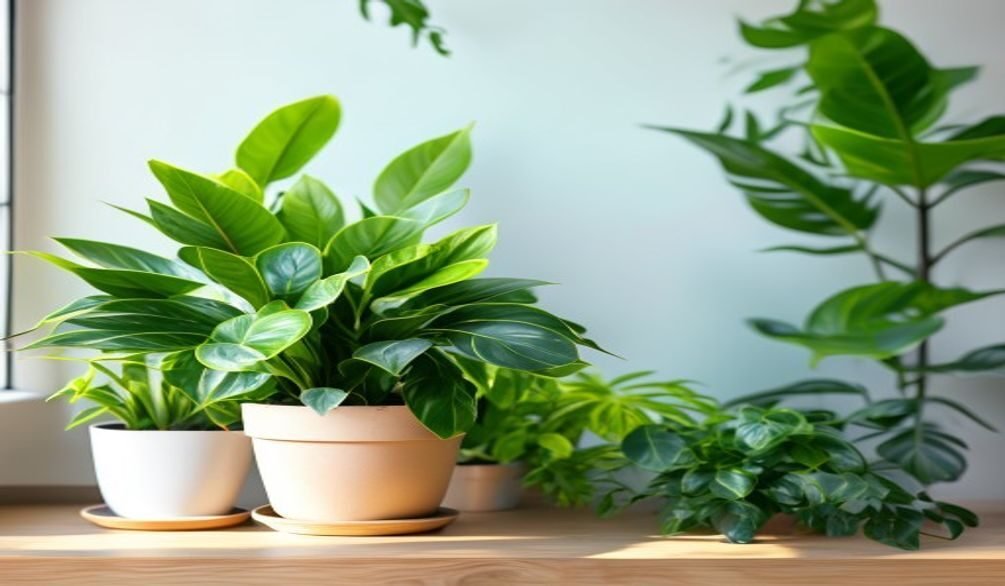
Certain houseplants stand out as the best indoor air purifying plants due to their proven ability to tackle common indoor pollutants. These plants have been consistently highlighted in various studies, including the initial NASA research, for their efficiency in removing specific toxins. When I’m selecting plants for my own Pune terrace garden, I always lean towards these varieties because they’re not just effective but also relatively easy to care for, which is a huge plus in India’s varied climate.
Here are some top contenders for indoor plants air purification:
* Snake Plant (Sansevieria trifasciata): This plant is a champion, converting carbon dioxide to oxygen even at night, making it perfect for bedrooms. It’s incredibly forgiving with low light and infrequent watering, a boon for busy urban gardeners. The Snake Plant targets formaldehyde, benzene, trichloroethylene, xylene, and toluene. You can find them at local nurseries for around ₹150–300, depending on size.
* Spider Plant (Chlorophytum comosum): These adaptable plants are known for removing formaldehyde, xylene, and toluene. They are tough and excellent at tackling airborne toxins like carbon monoxide, often present from vehicle exhaust fumes that seep into homes in cities like Delhi. Plus, they produce “spiderettes” that are easy to propagate.
* Peace Lily (Spathiphyllum): With its elegant white blooms, the Peace Lily effectively breaks down various VOCs. It’s particularly good at removing formaldehyde, benzene, and trichloroethylene. Just be mindful of its watering needs; it tells you when it’s thirsty by drooping a bit.
* Golden Pothos (Epipremnum aureum): This plant excels at filtering common household chemicals off-gassed by carpets and furniture finishes. It’s incredibly forgiving with watering and thrives in various light conditions, making it a popular choice for beginners.
* Dracaena (Dracaena spp.): Many varieties of Dracaena are effective against benzene, a common component in paints, glues, and waxes. The Dracaena Marginata, or red-edged dracaena, can remove up to 80% of this toxin, according to research. I’ve often recommended these for homes with new furniture because of their specific pollutant-fighting power.
How many plants do you need to purify a room?
The number of plants needed for significant air purification in a typical room is far greater than most people imagine, especially when compared to the findings of the original NASA Clean Air Study. While that research showed plants working wonders in sealed environments, our homes are anything but sealed. Dr. Michael Waring’s 2019 meta-analysis concluded that to match the rate at which normal building air exchange removes volatile organic compounds (VOCs), you would need approximately 10 to 1,000 plants per square meter of floor space.
That’s a lot of plants! For context, a typical 100-square-foot (roughly 9.3 square meters) living room could require anywhere from 90 to 9,300 plants to achieve the same air-cleaning rate as simply opening a window or running a basic mechanical ventilation system. So, while plants for cleaner indoor air certainly contribute, they are not a standalone solution for significant air quality improvement in a well-ventilated space. It’s a classic case of scientific findings being applied too broadly without considering the scale.
| Plant Type | Primary Pollutants Targeted | Effectiveness (Real-World) |
|---|---|---|
| Snake Plant | Formaldehyde, Benzene, Trichloroethylene, Xylene, Toluene | High for specific toxins, but large quantities needed for significant room impact. |
| Spider Plant | Formaldehyde, Xylene, Toluene, Carbon Monoxide | Good for localized pollutant reduction; negligible for whole-room in typical homes. |
| Peace Lily | Formaldehyde, Benzene, Trichloroethylene, Ammonia | Breaks down various VOCs; more effective in smaller, less ventilated areas. |
| Dracaena | Benzene, Formaldehyde, Trichloroethylene, Xylene | Dracaena marginata can remove up to 80% of benzene in specific conditions. |
Beyond plants: a holistic approach to indoor air quality
Relying solely on houseplants for air purification is often insufficient for comprehensive indoor air quality improvement; a holistic approach combining ventilation, other purification methods, and source control is far more effective. The truth is, while we love our natural air purifiers plants, they’re just one piece of a bigger puzzle. Americans spend up to 90% of their time indoors, often in places with little or no ventilation, according to research. This makes addressing indoor air pollution a critical concern.
Here’s how to build a robust strategy:
* Ventilation is Key: Regularly opening windows, even for a few minutes, flushes out stale air and pollutants. Consider exhaust fans in kitchens and bathrooms to remove moisture and cooking fumes.
* Mechanical Air Purifiers: For serious concerns, a HEPA filter air purifier can remove particulate matter and some VOCs much more efficiently than plants. The indoor air purification market is projected to grow from $27.02 billion in 2025 to $29.54 billion in 2026, at a compound annual growth rate (CAGR) of 9.3%, highlighting their growing importance.
* Source Control: Reduce pollutants at the source by choosing low-VOC paints and furnishings, avoiding aerosol sprays, and using natural cleaning products.
Maximizing your plants’ air-purifying power
To truly get the most out of your indoor plants air purification efforts, you need to go beyond just picking the right varieties; proper care and strategic placement are crucial. It’s not enough to just buy a Snake Plant and hope for the best. You’ve got to treat them right!
Here are some ways to boost their effectiveness:
* Ensure Optimal Health: Healthy plants are efficient plants. Provide adequate light, water, and nutrients. A struggling plant won’t be able to process toxins effectively. I learned this the hard way with my hibiscus — I tried liquid seaweed fertilizer expecting faster flowering, but got 3 new leaves and no flowers for 8 weeks because the seaweed was pushing vegetative growth as the soil was already nitrogen-rich. Understand what your plant needs before adding any fertilizer.
* Clean Leaves Regularly: Dust on leaves can clog stomata, reducing the plant’s ability to absorb airborne pollutants. Gently wipe leaves with a damp cloth every few weeks.
* Proper Potting and Soil: Use good quality potting mix that allows for aeration and drainage. And speaking of pots, you might have heard that plastic pots are fine because they retain moisture. In practice, for most Indian balcony plants, terracotta pots outperform plastic. Yes, they dry faster and might cost a bit more, but the breathability prevents root rot, which is the number one killer of container plants during India’s humid monsoon months. I’ve seen countless plants drown in plastic pots during July and August in Mumbai.
* Strategic Placement: Place plants in rooms where you spend the most time and where pollutants are likely to accumulate, such as living areas or home offices. Consider placing a Snake Plant in your bedroom for its night-time oxygen production.
* Group Plants: Grouping several plants together can create a localized microclimate that enhances their collective air-purifying capabilities. This also helps maintain humidity, which many indoor plants appreciate.
Are air-purifying plants right for your home?
Absolutely, air-purifying plants are a fantastic addition to almost any home, offering aesthetic beauty alongside their air-cleaning benefits, even if they aren’t a standalone solution for severe indoor air pollution. They contribute to a healthier indoor environment by continually working to improve indoor air quality plants. Remember, the goal isn’t just to replace a mechanical air purifier, but to create a more vibrant, living space.
They’re great for reducing common household chemicals and adding a touch of nature. Think of them as a natural, low-cost complement to good ventilation and other air quality practices. Plus, the act of gardening itself, even with just a few pots, offers proven mental health benefits. So, if you’re looking to enhance your space with some green goodness and enjoy the subtle but real benefits of houseplants air purification effectiveness, these plants are definitely for you.
Frequently asked questions
Do indoor plants really purify air?
Yes, indoor plants do purify air by absorbing pollutants through their leaves and roots, with soil microorganisms also playing a role. However, a 2019 Drexel University study found that their real-world air cleaning effect in typical homes is negligible compared to natural air exchange. They are most effective in specific, sealed conditions or as part of a broader air quality strategy.
What is the #1 air purifying plant?
The Snake Plant (Sansevieria trifasciata) is often cited as a top air-purifying plant because it converts CO2 to oxygen at night and effectively removes formaldehyde, benzene, and trichloroethylene. It’s also incredibly low-maintenance, making it a favorite among gardeners and ideal for bedrooms.
How many plants do you need to purify a room?
To significantly purify a room to the same extent as natural air exchange, you would need between 10 to 1,000 plants per square meter of floor space, according to Dr. Michael Waring’s 2019 meta-analysis. This means a typical room would require a substantial number of plants to make a measurable difference.
What 5 plants are best for air purification?
The five best plants for air purification are the Snake Plant, Spider Plant, Peace Lily, Golden Pothos, and Dracaena. These varieties are highly effective against common indoor pollutants like formaldehyde, benzene, and trichloroethylene, as identified by the NASA Clean Air Study and subsequent research.
Do houseplants clean air effectively in real-world conditions?
Houseplants clean air effectively on a small scale, but their impact in real-world home conditions is often limited due to high air exchange rates. A 2019 study in the Journal of Exposure Science & Environmental Epidemiology concluded that their air cleaning effect in actual homes was “negligible to non-existent.” They are best viewed as contributors to overall well-being and minor pollutant reduction.