
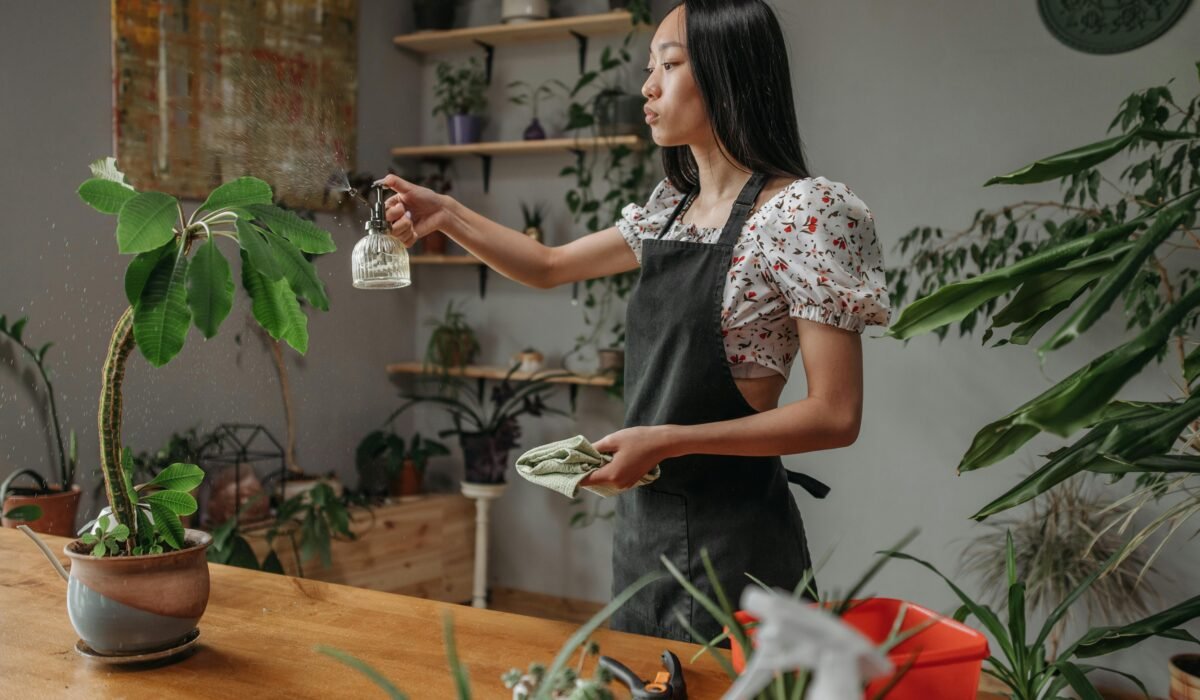
Taking a much-needed break from your daily routine shouldn’t mean sacrificing the vibrant life of your indoor plants. Knowing **how to keep indoor plants alive on vacation** is a common concern for plant parents, especially with 66% of American households owning houseplants, according to a 2026 survey. This comprehensive guide will equip you with practical strategies and expert tips to ensure your beloved greenery thrives, no matter how long you’re away.
Preparing Your Indoor Plants for Vacation: A Checklist
Before you even think about packing your suitcase, dedicating time to plant preparation is paramount for successful indoor plant vacation care. This proactive approach significantly reduces stress on your plants and ensures they have the best possible start to their time alone. Dan Gill, an LSU AgCenter Horticulturist, rightly points out that many plant owners neglect to arrange proper care, leading to sad returns.
Pre-Vacation Plant Health & Hydration
Start by giving your plants a thorough health check. Remove any yellowing leaves or spent flowers to conserve plant energy, and inspect closely for pests; addressing these issues now prevents them from worsening in your absence. About a week before you leave, give your plants a deep, slow watering, allowing the soil to fully absorb moisture. A deep irrigation before leaving can keep soil moist for 10–13 days, according to Punjab Agricultural University Extension.
Light Adjustment for Plants
Move all indoor plants away from direct, intense sunlight, especially south-facing windows. Intense light increases water evaporation from both the soil and the plant’s leaves, depleting their water reserves faster. Consider relocating them to a north-facing window, a shadier corner of the room, or even a bathroom with indirect light, which often offers higher humidity. For plants that require specific light conditions, you might consider adjusting timers on grow lights, as explored in our guide on Best Lighting for Indoor Herbs.
Grouping Plants for Humidity
One of the most effective vacation plant care hacks is to group your plants together. This simple technique, recommended by Michele Warmund, a University of Missouri Extension horticulturist, creates a microclimate. The combined transpiration from their leaves increases local humidity, reducing individual plant hydration loss. Banaras Hindu University also notes that grouping containers reduces evaporation because the plant canopies shade one another.
Pruning & Fertilizing
Avoid fertilizing your plants right before vacation, as this encourages new growth that will require more water. Instead, prune off any excess foliage or large leaves that might transpire heavily. This helps your plants conserve energy and moisture while you’re away.
How to Keep Indoor Plants Alive for a Week (3-7 Days)
For shorter trips, keeping indoor plants alive on vacation is relatively straightforward, often relying on simple adjustments and DIY solutions. The key is to maximize moisture retention and minimize water loss.
Thorough Watering & Humidity Boost
Give your plants a generous drink just before you depart, ensuring water drains through the pot. To boost humidity, place pots on pebble trays filled with water, ensuring the pot bottoms don’t sit directly in the water. This creates a humid microclimate around the plants, slowing down water evaporation.
DIY Plant Watering System for Vacation
A simple **plastic bottle drip system** can provide consistent moisture. Puncture tiny holes in the cap of a plastic bottle, fill it with water, and invert it into the soil near the plant’s base. The water will slowly drip into the soil, providing steady plant hydration for several days. Another easy method is the **watering wick** system, which Rob from the RHS recommends as “the simplest and least expensive method.” You can use a cotton rope or capillary matting, pushing one end into the plant’s soil and placing the other in a reservoir of water. The plant then draws moisture as needed.
The Bathtub Method
For moisture-loving plants, the **bathtub method** can be a lifesaver. Clean your bathtub, lay down a towel or a layer of pebbles, and fill it with an inch or two of water. Place your potted plants (ensure they have drainage holes) on the towel or pebbles. The plants will absorb water from the bottom, and the evaporating water will create a humid environment. This method can sustain plants for up to a week, or even three weeks for very thirsty varieties.
Keeping Indoor Plants Alive for 2 Weeks While on Vacation
When your trip extends to two weeks, you need more robust strategies to keep indoor plants alive on vacation. This duration often calls for more advanced DIY setups or the investment in self-watering solutions.
Leveraging Self-Watering Pots for Vacation
Investing in **self-watering pots** is an excellent strategy for longer absences. These pots feature a water reservoir at the bottom and a wicking system or sub-irrigation design that allows the plant to draw water as needed. Brands like Gardenix Decor and Bloem Ariana offer effective and often budget-friendly options, with some allowing plants to go for up to two weeks without a refill. Remember to fill the reservoir completely before you leave, as advised by the RHS.
Advanced DIY Solutions
For a **diy plant watering system for vacation** that lasts two weeks, consider a larger-scale **watering wick** setup. Use multiple wicks for larger plants or group several smaller plants around a central water reservoir. Another option is using **plant globes**, also known as watering bulbs. These decorative glass or plastic spheres are filled with water and inserted into the soil, slowly releasing moisture over time. While often sufficient for a week, larger globes or multiple globes per plant can extend their effectiveness for two weeks.
Creating a Mini Greenhouse
For humidity-loving plants, you can create a temporary mini-greenhouse. Water the plant thoroughly, then enclose it in a clear plastic bag, ensuring the bag doesn’t touch the leaves. Punch a few small holes in the bag for air circulation. This traps humidity and can significantly extend the time between waterings.
Watering Indoor Plants While Away for a Month (Long-Term Solutions)
A month-long absence requires the most diligent preparation and often a combination of methods for successful **long-term plant care while traveling**. This is where automated solutions or external help become indispensable.
Automatic Plant Waterer for Vacation
For extended trips, an **automatic plant waterer for vacation** system is highly recommended. These systems range from simple pump-and-drip kits that draw water from a large reservoir to sophisticated smart devices that can be programmed or even controlled remotely. Look for systems with adjustable drip rates to cater to different plant needs. While an initial investment, the peace of mind is often worth it for dedicated plant parents.
Large-Scale Wicking or Bathtub Method
The **watering wick** method can be scaled up for a month by using a very large water reservoir, such as a five-gallon bucket, and ensuring the wicks are sufficiently thick and numerous for each plant. Similarly, the **bathtub method** can work for a month if you have a very moisture-retentive substrate (like coco coir) and extremely humidity-loving plants, but it carries a higher risk of issues like root rot or stagnant water problems.
Consider Professional Self-Watering Systems
Beyond basic **self-watering pots for vacation**, some advanced planters, like the Lechuza Balconera, offer very large water reservoirs and robust wicking systems designed for extended periods. These durable, UV and frost-resistant options are built for long-term plant hydration. For a truly hands-off approach, these commercial solutions often provide the most reliable **plant hydration** for a month or more.
DIY Self-Watering Systems vs. Commercial Solutions
Choosing between a DIY **plant watering system for vacation** and a commercial solution depends on your budget, trip duration, and comfort level with improvisation. Both have their merits, and understanding their comparative effectiveness helps you make an informed decision.
Budget-Friendly DIY Options
DIY solutions like the **plastic bottle drip system** or the **watering wick** method are incredibly cost-effective, often utilizing materials you already have. They are ideal for short to medium trips (up to two weeks) and for those who enjoy hands-on gardening. The primary investment is your time in setting them up correctly and testing them beforehand. Homemade by Carmona highlights many such methods for when a plant-savvy neighbor isn’t available.
Reliable Commercial Investments
Commercial **self-watering pots** and **automatic plant waterer for vacation** systems offer convenience, reliability, and often a more aesthetically pleasing solution. While they require an initial financial outlay, they are designed for consistent performance and can be invaluable for longer vacations or for owners of many plants. Products like the WSMKSZ Self-Watering Planter Pot Trio, featuring integrated cotton string, have reviewers noting their plants “were still thriving” after extended breaks. These systems minimize the risk of human error and can provide superior **plant hydration**.
| Feature | DIY Self-Watering Systems | Commercial Self-Watering Systems |
|---|---|---|
| Cost | Very low (often repurposing materials) | Moderate to high initial investment |
| Setup Time | Moderate (requires assembly & testing) | Low (ready-to-use) |
| Reliability | Good for short/medium trips; can vary | High, designed for consistent performance |
| Duration | Up to 2 weeks (with careful setup) | Up to 1 month+ (depending on reservoir size) |
| Aesthetics | Functional, less decorative | Often integrated, sleek designs |
In practice, many plant parents use a hybrid approach: DIY solutions for less critical or hardier plants, and commercial systems for high-value or more sensitive specimens. The short answer is, evaluate your needs and budget before committing.
Post-Vacation Plant Revival: Reviving Stressed Houseplants
Returning home to stressed or wilting plants can be disheartening, but most houseplants are surprisingly resilient. A strategic approach to post-vacation plant revival can bring them back to health.
Immediate Assessment & Rehydration
Upon returning, first, assess the damage. Check the soil moisture in each pot. If bone dry, slowly rehydrate your plants. Don’t drown them; instead, give them a moderate watering, wait an hour, and then water again if the soil is still dry. For severely dehydrated plants, a temporary soak in a basin of water (for 30 minutes) can help the soil reabsorb moisture.
Addressing Yellowing Leaves & Wilting
Yellowing leaves are often a sign of underwatering or stress. Remove any dead or severely damaged foliage; this helps the plant conserve energy for new growth. For wilting plants, ensure they are not in direct sunlight and maintain consistent humidity. A light misting can sometimes help revive drooping leaves, though over-misting can lead to other issues.
Pest Checks & Repotting Considerations
Stressed plants are more susceptible to pests. Thoroughly inspect your plants for any signs of new infestations, like mealybugs or spider mites. Our guide on How to Get Rid of Mealybugs offers effective solutions if you find unwelcome guests. If a plant appears root-bound or has been in the same pot for an extended period, consider repotting it into a slightly larger container with fresh soil a week or two after it has recovered from vacation stress.
Hiring a Plant Sitter: When & How to Brief Them
For extended absences or a large collection of high-value plants, a **plant sitter for vacation** is often the most reliable solution. Michele Warmund emphasizes that arranging for a reliable neighbor or plant sitter is crucial. This personalized care ensures your plants receive attention tailored to their individual needs.
When to Hire a Plant Sitter
Consider hiring a plant sitter if you’re going away for more than two weeks, have a collection of particularly sensitive or expensive plants, or simply prefer the peace of mind that comes with human oversight. While automatic systems are great, they can’t detect a sudden pest outbreak or a system malfunction.
How to Brief Your Plant Sitter
A clear, detailed brief is essential for a successful plant-sitting experience. Don’t assume your sitter knows your plants as well as you do.
- Categorize Plants: Group plants by watering needs (e.g., “water weekly,” “water every other week,” “water only when dry”).
- Clear Instructions: Provide written instructions for each plant or group, including specific watering amounts, preferred light conditions, and any special care notes. Show them exactly where your watering can and any plant food are located.
- Demonstrate: Walk through the watering routine with your sitter for a few key plants. Show them how to check soil moisture effectively.
- Emergency Contacts: Leave your contact information and that of a local nursery or plant expert in case of emergencies.
- Payment & Expectations: Discuss payment clearly upfront, whether it’s a monetary fee or a reciprocal plant-sitting arrangement.
Providing this level of detail not only ensures your plants are well cared for but also shows respect for your sitter’s time and effort.
Frequently Asked Questions
How do you keep indoor plants alive for 2 weeks while on vacation?
To keep indoor plants alive for 2 weeks while on vacation, you can combine several strategies. Thoroughly water them before leaving, move them away from direct sunlight, and group them together to create humidity. Implement a **diy plant watering system for vacation** like a large-scale watering wick or utilize **self-watering pots for vacation** with good reservoirs.
How do you water plants while away for a month?
Watering plants while away for a month typically requires more robust solutions than shorter trips. An **automatic plant waterer for vacation** system, which uses pumps and drip emitters from a large reservoir, is highly effective. Alternatively, a scaled-up watering wick system with a very large water source or investing in high-capacity self-watering planters can provide sufficient long-term plant hydration.
How do you keep plants alive for a week without watering?
You can keep plants alive for a week without watering by preparing them properly. Give them a deep watering just before you leave, then move them to a cooler, shadier spot to reduce evaporation. Grouping plants and placing them on pebble trays can boost humidity. For an extra measure, a simple **plastic bottle drip system** or the **bathtub method** can provide supplemental moisture.
What is the best self-watering system for houseplants?
The “best” self-watering system for houseplants depends on your specific needs and budget. For convenience and reliability over longer periods, commercial **self-watering pots** like those from Gardenix Decor or Lechuza are highly rated. For budget-friendly, short-to-medium term solutions, a DIY **watering wick** system using cotton rope or capillary matting from a water reservoir is often considered the simplest and most effective.
Taking a vacation doesn’t have to mean sacrificing your beloved indoor plants. By implementing these expert-backed strategies, from careful preparation and strategic **grouping plants** to utilizing innovative **self-watering pots** and knowing when to hire a trusted **plant sitter for vacation**, you empower your greenery to thrive in your absence. So, pack your bags with confidence, knowing your leafy companions are set for success. Explore our other guides, like Best Indoor Plants for Small Spaces, to further enhance your indoor gardening expertise.







