Key Takeaways
- Urban gardening participation reached nearly 49% across Asia-Pacific in 2026, driven by rooftop and terrace gardening trends.
- Approximately 63.6% of gardeners plan to expand their gardens in 2026, indicating a growing interest in home cultivation.
- Succulents are top choices for low-maintenance balcony plants due to their drought tolerance and minimal watering needs.
- Terracotta pots are often superior to plastic for Indian balcony plants, preventing root rot in humid monsoon conditions.
- The average gardener expects to spend more time gardening in 2026, with 49.5% having spent more money in 2025, according to Axiom (2026).
Most Mumbai balcony gardeners lose their tomato plants every May — not from pests, but from the scorching 40°C heat before the monsoon arrives. It’s a common struggle, isn’t it? If you’re looking to create a thriving green space without constant fuss, focusing on low maintenance balcony plants is your best bet. This guide will walk you through the easiest options and practical tips to ensure your balcony garden flourishes, even with a busy schedule.
Quick Answer: The five best low-maintenance plants for a balcony garden are succulents, lavender, snake plants, geraniums, and rosemary, chosen for their resilience, minimal watering needs, and adaptability to various light conditions.
What is the easiest plant to grow on a balcony?
The easiest plant to grow on a balcony is generally a succulent, like an Echeveria or Aloe vera, because they are incredibly forgiving and require minimal attention. Urban gardening participation stands at nearly 49% across Asia-Pacific alone, with many choosing resilient plants for their limited spaces, according to Axiom (2026). These drought-tolerant balcony plants store water in their leaves, meaning you don’t have to worry about daily watering—perfect for those busy weeks.
In my 10 years of experience with Indian balcony gardens, succulents like Sedum or even a small Aloe have proven to be virtually indestructible. They handle the intense Indian summer heat remarkably well, as long as they get enough sun and aren’t overwatered. You might have heard that all plants need frequent watering. In practice, for succulents, overwatering is the number one killer, especially during the monsoon when the humidity is high. It’s better to underwater them than to drown their roots.
How do i make my balcony garden low maintenance?
Making your balcony garden low maintenance involves selecting the right plants, using appropriate containers, and establishing smart watering routines. Approximately 63.6% of gardeners plan to plant more and expand their gardens in 2026, often seeking simpler methods, according to Axiom (2026). The key is to minimize daily tasks and maximize plant self-sufficiency.
Here are some practical steps to achieve a truly low-maintenance balcony garden:
- Choose resilient plants: Focus on drought-tolerant species like succulents, snake plants, and hardy herbs. These are your go-to low maintenance balcony plants.
- Select suitable containers: Terracotta pots, in my opinion, outperform plastic for most Indian balcony plants. Yes, they dry faster and can cost a bit more (around ₹80–150 for a 6-inch pot at local nurseries), but their breathability prevents root rot, which is the number one killer of container plants during India’s humid monsoon months. It’s a small investment for healthier plants.
- Implement self-watering systems: Consider self-watering planters or drip irrigation for consistent moisture without daily checks. This is a game-changer for busy folks.
- Use quality potting mix: A well-draining mix with cocopeat (I swear by Cocogreen cocopeat) and compost will retain moisture better and reduce watering frequency.
- Mulch your pots: Adding a layer of pebbles or shredded bark helps retain soil moisture and suppresses weeds, further reducing your workload.
Honestly, the biggest mistake I’ve seen beginners make is trying to grow delicate, high-water plants in small pots under the relentless sun. It’s a recipe for daily watering and constant stress. Instead, choose plants that naturally thrive on neglect, and you’ll enjoy your green space much more.
5 best low-maintenance plants for your balcony garden
When it comes to creating a beautiful yet easy-to-care-for outdoor space, choosing the right low maintenance balcony plants is crucial. These five options are tried and tested survivors, perfect for various Indian balcony conditions.
-
Succulents (echeveria, aloe, sedum)
Succulents are the ultimate easy balcony plants. They store water in their thick leaves, making them incredibly drought-tolerant and perfect for sunny, hot balconies. Just ensure they get plenty of sunlight and well-draining soil. I’ve had Echeveria thrive in a west-facing balcony in Pune, needing water only once every 7-10 days even in summer.
-
Lavender (lavandula)
Lavender is a fantastic choice for a fragrant balcony plant that loves full sun and doesn’t demand much water once established. Its beautiful purple blooms also attract pollinators. It’s a resilient outdoor plant that adds a touch of elegance and a lovely aroma to your space, and you can easily find small plants at nurseries for ₹100–200.
-
Snake plant (sansevieria trifasciata)
For shaded balconies or those with inconsistent light, the snake plant is a champion. These beginner balcony plants tolerate low light and neglect like no other. They require very little water—sometimes just once a month during cooler periods—and are excellent air purifiers. Plus, their upright growth makes them great for small space gardening.
-
Geraniums (pelargoniums)
Geraniums are classic balcony garden ideas because they offer long-lasting, vibrant blooms and handle heat well. They prefer full sun to partial shade and need only occasional watering once the top inch of soil is dry. They’re cheerful and robust, making them excellent low maintenance balcony plants.
-
Rosemary (rosmarinus officinalis)
If you want a balcony herb garden, rosemary is a top contender. This hardy herb thrives in full sun and dry conditions, requiring minimal watering. It’s both decorative and practical, perfect for cooking. I’ve grown rosemary successfully in a 10-inch terracotta pot, and it became a prolific producer with very little fuss.
What plants are good for a windy balcony?
For a windy balcony, you need plants that are sturdy, have strong stems, and can tolerate some jostling without breaking or drying out too quickly. Wind can be a real challenge, causing plants to dehydrate faster and even topple over. One common mistake I’ve seen is planting tall, delicate varieties in exposed areas; they rarely survive a strong gust.
Consider these options for their resilience:
- Succulents: Many varieties like Sedum and Portulacaria afra (Jade plant) are naturally compact and have tough leaves that resist wind damage.
- Rosemary: This woody herb is surprisingly tough and its needle-like leaves are well-adapted to windy conditions. It’s a fantastic low maintenance balcony plant that pulls double duty as a culinary delight.
- Bougainvillea: You might not think of it as a low-maintenance balcony plant, but once established, bougainvillea is incredibly hardy and tolerates wind very well. However, be warned: I once planted a bougainvillea in a 6-inch pot thinking I would repot later. It became root-bound in 6 weeks, started dropping leaves, and took 4 months to recover after I moved it to a 12-inch container. Bougainvillea needs at least a 12-inch pot from day one or it stalls.
- Snake Plant: Its stiff, upright leaves are not easily affected by wind, and it’s happy even in shaded, windy spots.
- Grasses (Ornamental): Varieties like Lemon Grass or some dwarf bamboo can add texture and withstand wind, though they might need larger pots to remain stable.
Always use heavy pots or secure lighter ones to prevent them from blowing over. And remember, strategic placement, like tucking smaller plants behind larger, sturdier ones, can offer a bit of a windbreak.
What can i plant in a small balcony garden?
Even with limited space, you can create a vibrant and productive small balcony garden by choosing compact plants and utilizing vertical space. Many gardeners want elegant outdoor spaces that are low maintenance, even in small areas, according to Katie Tamony, Chief Marketing Officer at Monrovia Plants. The trick is to think vertically and select varieties that don’t spread too wide.
For a small balcony, consider these easy balcony plants:
- Herbs: Pudina, dhania, tulsi, and rosemary are perfect. They stay relatively compact and offer fresh ingredients. You can grow them in small individual pots or a window box. For growing herbs faster, check out this guide.
- Dwarf Vegetables: Cherry tomatoes like Pusa Ruby work better in containers than large indeterminate varieties. Dwarf chilli plants (lal mirch) or bhindi can also thrive in 8-10 inch pots.
- Strawberries: These grow well in hanging baskets or vertical planters, giving you sweet fruit without taking up floor space.
- Flowering annuals: Petunias, marigolds, and small varieties of geraniums provide color and are relatively easy to care for. They’re great low maintenance balcony plants to brighten up a corner.
- Snake Plants: As mentioned, their upright growth makes them ideal for tight spots, and they require minimal care.
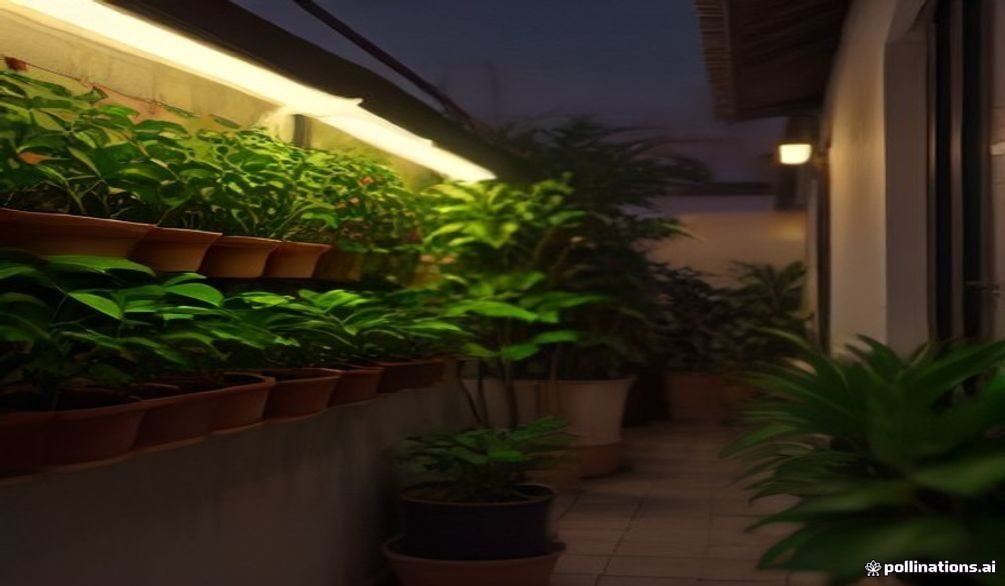
Vertical gardening solutions, like wall-mounted planters or tiered shelves, can double your growing area without occupying precious floor space. This is how I manage to grow a mix of herbs and flowers on my own small balcony in Bangalore.
Essential tips for a thriving low-maintenance balcony garden
Beyond choosing the right plants, a few essential practices can significantly reduce your workload and ensure your low maintenance balcony plants stay healthy. Isabelle, a garden expert, notes that “mindfulness and tranquility play a huge part in balcony garden ideas,” which means minimizing stress for both you and your plants.
Smart watering techniques
Overwatering or underwatering is often the downfall of container plants. For most low maintenance balcony plants, it’s better to let the top inch or two of soil dry out completely before watering again. For example, in Delhi’s summer, I might water my snake plants once every 10-14 days, but during the monsoon, it’s closer to once every 3 weeks. Always check the soil moisture with your finger before watering.
Fertilization for longevity
Container plants deplete nutrients faster than in-ground gardens. A slow-release granular fertilizer applied every 2-3 months is usually sufficient for low maintenance balcony plants. Alternatively, a diluted liquid feed (like a balanced NPK solution) once a month during the growing season works wonders. Don’t overdo it, though; less is often more.
Pest and disease management
Even resilient plants can face issues. Regularly inspecting your plants for early signs of pests like aphids or mealybugs can prevent major infestations. A simple neem oil spray, available for around ₹150–250 at local garden stores or online platforms like Ugaoo, is often enough to keep common balcony plant problems at bay. For more help with plant problems, you can refer to this article.
| Plant Type | Light Needs | Watering Frequency (Indian Summer) | Maintenance Level |
|---|---|---|---|
| Succulents | Full sun | Every 7-10 days | Very Low |
| Lavender | Full sun | Every 5-7 days | Low |
| Snake Plant | Low to partial shade | Every 10-14 days | Very Low |
| Geraniums | Full sun to partial shade | Every 3-5 days | Low |
| Rosemary | Full sun | Every 5-7 days | Low |
Frequently asked questions
What is the best type of soil for low-maintenance balcony plants?
The best soil for low-maintenance balcony plants is a well-draining potting mix that includes cocopeat, compost, and perlite. A good mix ensures proper aeration and moisture retention without becoming waterlogged, which is vital for preventing root rot. Using a quality mix means less frequent watering and healthier plants.
How often should i water my low-maintenance balcony plants?
You should water your low-maintenance balcony plants when the top 1-2 inches of soil feel dry to the touch, which can range from every 3-5 days in summer to once every 2-3 weeks in cooler months. Over 50.2% of gardeners expect to spend more time gardening in 2026, so efficient watering is key, according to Axiom (2026). Always check soil moisture before adding more water to avoid overwatering.
Can low-maintenance balcony plants survive in partial shade?
Yes, many low-maintenance balcony plants can thrive in partial shade, including snake plants, ferns, and some varieties of coleus. While many prefer sun, selecting the right plant for your specific light conditions is crucial for success. For example, a snake plant will do perfectly fine with just a few hours of indirect light.
Are there any fragrant low-maintenance balcony plants?
Yes, lavender and rosemary are excellent fragrant low-maintenance balcony plants that also offer beautiful foliage or flowers. Lavender provides a soothing aroma, while rosemary gives off a fresh, herbaceous scent. These plants not only look good but also enhance the sensory experience of your balcony garden.
What are common mistakes to avoid with low-maintenance balcony plants?
Common mistakes to avoid with low-maintenance balcony plants include overwatering, using small pots, and neglecting drainage. For instance, a friend tried growing methi from seeds bought at a kirana store instead of a seed shop; germination was only 15% because cooking seeds aren’t meant for gardening. Always use proper garden seeds, ensure good drainage, and choose appropriate pot sizes for lasting plant health.
Creating a beautiful, thriving balcony garden doesn’t have to be a chore, especially when you focus on low maintenance balcony plants. By choosing resilient species like succulents, lavender, snake plants, geraniums, and rosemary, and implementing smart care practices, you can enjoy your green oasis without constant effort. It’s about working with nature, not against it. So, go ahead, pick your favorites, and watch your balcony transform into a peaceful retreat, giving you more time to simply enjoy the beauty of your urban garden.