Key Takeaways
- Over 43% of Americans are now growing some kind of food at home, according to recent data.
- Herbs are grown by 37% of American households engaged in home food gardening.
- The leaves of herbs are most flavorful when harvested before the plant begins to flower, as noted by gardening experts.
- Total spending in the lawn and garden industry reached an all-time high of $79.0 billion in 2025, according to industry reports.
- Per-household spending on gardening climbed to a record $740 in 2025, reflecting increased interest in home cultivation.
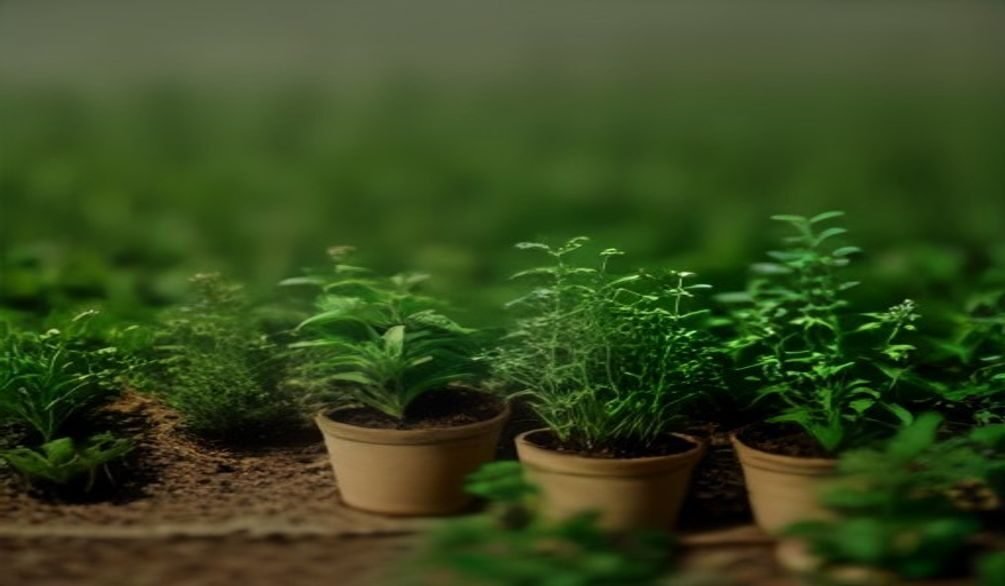
When you’re tending your balcony dhania or pudina, it’s frustrating to see a sparse harvest, isn’t it? You want to maximize herb harvest so you can enjoy fresh flavors all the time, not just in small bursts. This guide will walk you through proven methods, drawing on years of Indian gardening experience, to ensure your herb pots are always overflowing.
Quick Answer: To maximize your herb harvest, focus on timely and proper cutting techniques, prune regularly to encourage new growth, use appropriate tools like sharp shears, consider succession planting, and provide optimal growing conditions like adequate sunlight and soil nutrients.
What is the best way to harvest herbs for maximum yield?
The best way to maximize herb harvest for maximum yield is by regularly snipping the top sets of leaves, which encourages the plant to branch out rather than grow tall and spindly. The leaves of herbs are most flavorful when harvested before the plant begins to flower, according to gardening experts. This technique, often called “pinching back,” redirects the plant’s energy into producing more foliage, leading to a bushier, more productive plant.
Think of it this way: when you remove the growing tip, the plant doesn’t just stop there. Instead, it activates dormant buds lower down the stem, making them grow into new shoots. This is especially effective for herbs like basil (tulsi, if you’re talking holy basil) and mint (pudina). I’ve found that a consistent light harvest every week or two works far better than one big chop every month. You want to keep the plant in a continuous growth cycle.
Early morning harvesting for flavor
Harvesting herbs in the early morning, after the dew has dried but before the sun gets too intense, is ideal for preserving their essential oils and flavor. This practice helps ensure you get the most potent and aromatic leaves, which is key to a high-quality herb harvest. In my experience, especially during the pre-monsoon heat in cities like Pune, harvesting after 10 AM can lead to wilting leaves and less intense flavor, even if the yield is technically the same.
How do you harvest herbs so they keep growing back?
To ensure your herbs keep growing back, you need to harvest strategically, always leaving enough foliage for the plant to photosynthesize and regenerate. A good rule of thumb is to never remove more than one-third of the plant at any one time. This allows the plant to recover quickly and push out new growth, helping you to maximize herb harvest consistently.
When harvesting, aim to cut just above a leaf node or a set of leaves. This is where new growth points are located, and making a clean cut here signals to the plant to produce two new stems from that spot. For example, with basil, I always snip right above a pair of leaves. You’ll see new shoots emerge from those nodes within days, ready for another harvest. It’s like giving the plant a little haircut that makes it grow thicker.
Here’s a quick guide for common herbs:
- Basil (Tulsi): Pinch off the top sets of leaves and stems, cutting just above a node. This prevents flowering and encourages bushiness.
- Mint (Pudina): Cut stems back to about one-third of their length, just above a leaf node. Mint is vigorous, so don’t be shy!
- Coriander (Dhania): Snip outer leaves as needed, close to the base, being careful not to damage the central growing point. For a big harvest, cut the whole plant at the base when it’s about 6-8 inches tall, but then you’ll need to replant.
- Rosemary/Thyme: Snip off the softer, newer growth at the tips. Avoid cutting into the woody stems too deeply, as these regenerate slower.
How often should you harvest herbs for continuous supply?
The frequency of harvesting herbs for a continuous supply depends heavily on the herb’s growth rate and the specific climate, but generally, light, frequent harvests every 1-2 weeks are best for most culinary herbs. Regular harvesting prevents herbs from “bolting” (going to seed), which can drastically reduce leaf production and flavor quality. For instance, fast-growing herbs like basil can be harvested weekly during peak season.
You might have heard that it’s okay to let herbs grow big before harvesting. In practice, waiting too long often leads to leggy plants with less flavorful leaves and a tendency to flower prematurely — which stops leaf production. I’ve found that a consistent pruning schedule keeps the plant focused on foliage, helping you maximize herb harvest throughout the season. For slow growers like rosemary, you might stretch it to every 3-4 weeks, taking just a few sprigs at a time.
Succession planting for uninterrupted yield
To truly ensure an uninterrupted supply, especially for annuals like dhania, consider succession planting. This involves starting new seeds or plants every 2-3 weeks. This way, as one plant finishes its peak production, another is ready to take its place. This is crucial for herbs like coriander that tend to bolt quickly in Indian summer heat. I lost my entire coriander crop in May – sowed directly in a pot kept on the south-facing balcony during peak summer. The soil hit 45°C by afternoon and the seedlings fried within 4 days. Moving to morning sun only with afternoon shade and starting new batches every fortnight gave me a full, continuous harvest on the next attempt.
What are the best tools for harvesting herbs efficiently?
The best tools for harvesting herbs efficiently are sharp, clean shears or snips that make precise cuts without tearing plant tissue, which helps prevent disease and promotes faster healing. “The right harvesting tools can improve efficiency, reduce worker fatigue, increase crop quality, and help growers maximise returns from every bed,” according to a June article on harvest efficiency. Using blunt instruments can crush stems, leaving jagged edges that are more susceptible to pests and diseases, hindering your efforts to maximize herb harvest.
For most balcony gardeners, a good pair of small, sharp snips is all you need. I prefer ones with comfortable grips, especially if I’m spending a lot of time in the garden. For thicker, woody stems on herbs like rosemary or sage, a slightly larger hand pruner might be necessary.
Here’s a comparison of common harvesting tools:
| Tool Type | Best For | Pros | Cons |
|---|---|---|---|
| Small Herb Snips | Basil, Mint, Coriander, Thyme | Precise cuts, easy to maneuver in tight spaces, minimal plant damage. | Not suitable for thick stems. |
| Hand Pruners (Bypass) | Rosemary, Sage, Lavender, woody stems | Stronger cut, good for thicker growth. | Can be bulky for delicate herbs; ensure they are clean. |
| Scissors (Kitchen/Garden) | Quick snips of soft leaves | Readily available, easy to use for small tasks. | Can crush stems if not sharp; less precise for detailed work. |
Felco Pruners are often recommended by experts like the Chestnut School of Herbal Medicine for their durability and quality, and you can find good quality local alternatives at nurseries for ₹150-₹300. Wazakura traditional bonsai shears, hand-forged in Japan, are excellent for precise clipping of plant material up to half an inch in diameter, including fresh herbs, though they are a bit pricier.
Pruning for regrowth: a key to abundant herb harvests
Pruning for regrowth is absolutely critical to maximize herb harvest, as it directs the plant’s energy into producing more foliage rather than flowers or seeds. This technique, when done correctly, keeps your herb plants bushy, productive, and healthy over a longer period. Most people skip this step, thinking they’re being kind to the plant by letting it grow, but it actually shortens its productive life.
The first cut is often the hardest — not because of technique, but because most gardeners are afraid to remove a branch that looks healthy. But trust me, it’s for the plant’s own good! When you prune, you’re essentially telling the plant, “Hey, grow more leaves here!” This is especially true for annual herbs that want to complete their life cycle quickly by flowering and setting seed. By preventing flowering, you extend their leafy lifespan. For example, if you see a flower bud forming on your basil, pinch it off immediately.
Understanding plant hormones and pruning
When you remove the apical (top) bud of an herb, you disrupt the flow of auxin, a plant hormone that suppresses lateral growth. This reduction in auxin allows cytokinins, another group of hormones, to promote the growth of side shoots. It’s a natural process that savvy gardeners use to their advantage to maximize herb harvest. This is why a simple snip above a leaf node makes such a big difference in how bushy your plant becomes.
Beyond the snip: advanced techniques for maximizing herb yield
Beyond simple snipping, several advanced techniques can significantly help you maximize herb harvest, turning a good crop into a truly abundant one. These methods often involve understanding the plant’s growth habits and providing optimal conditions to encourage vigorous, continuous production. You’re not just reacting to growth; you’re actively shaping it.
One powerful technique is companion planting, which involves growing certain plants together to mutual benefit. For instance, planting strong-smelling herbs like rosemary or mint near vegetables can deter pests, leading to healthier plants and indirectly boosting your herb yield by reducing stress on the plant. Another strategy is to ensure your plants are in the right container. My neighbour grew tomatoes in a black plastic pot on her Mumbai terrace and got nothing two summers in a row. Switched her to a terracotta pot with the same soil mix and she got her first harvest in 8 weeks. Black plastic heats up to 55°C in direct sun — it cooks the roots silently, which definitely applies to herbs too.
Optimizing growing conditions
To truly maximize herb harvest, you need to ensure your plants are getting everything they need. This includes:
- Sunlight: Most herbs need 6-8 hours of direct sunlight daily. For balcony gardens, this often means moving pots throughout the day or choosing a south-facing spot.
- Soil: Well-draining, nutrient-rich soil is paramount. I always recommend a mix of good garden soil, compost, and cocopeat for Indian conditions.
- Watering: This is my contrarian point. You might have heard “water every two days” or “water daily in summer.” In practice, watering on a fixed schedule is one of the worst habits an Indian balcony gardener can have — soil dries at completely different rates in summer versus monsoon, morning versus afternoon sun, terracotta versus plastic pots. Always check the soil with your finger, never follow a calendar. Stick your finger about an inch deep; if it feels dry, then water.
- Nutrients: While herbs aren’t heavy feeders, a light feed with organic liquid fertilizer every 2-4 weeks can make a huge difference, especially for potted plants.
Raised beds are also a valuable tool for producing abundant harvests, allowing control over sun exposure, soil quality, and moisture, making harvesting and tending plants easier.
Sustainable herb harvesting: extending the life of your plants
Sustainable herb harvesting focuses on practices that not only maximize herb harvest in the short term but also ensure the long-term health and productivity of your plants. This means thinking about the plant’s entire life cycle and making choices that allow it to thrive for multiple seasons, or at least its full potential annual cycle. It’s about being a good steward of your plant.
One core principle is to avoid over-harvesting. While frequent light harvests are good, stripping a plant bare can stress it significantly, making it vulnerable to disease and stunting its growth. Always leave at least two-thirds of the foliage intact. This ensures the plant has enough leaves to perform photosynthesis and gather energy for regrowth. Charles Dowding, a proponent of no-dig gardening, emphasizes a sustainable approach that can lead to continuous cropping without synthetic feeds.
Proper winter care for perennials
For perennial herbs like rosemary, thyme, and mint, sustainable harvesting also includes proper winter care. In cooler regions of North India, bringing potted herbs indoors or providing winter protection can help them survive the cold and bounce back vigorously in spring. Even in milder climates like Bangalore, a reduction in harvesting during the cooler months allows the plant to conserve energy. This little break helps them prepare for another abundant growth phase, allowing you to maximize herb harvest year after year.
Frequently asked questions
What is the best way to harvest herbs?
The best way to harvest herbs involves snipping the top growth just above a leaf node, which encourages the plant to branch out and produce more leaves. This technique helps you maximize herb harvest by promoting bushier growth. Over 43% of Americans are now growing some kind of food at home, according to recent data, indicating a growing interest in home harvesting.
How do you harvest herbs so they keep growing?
To ensure herbs keep growing, always leave at least two-thirds of the plant intact after harvesting, cutting just above a leaf node to stimulate new shoots. This method sustains the plant’s vitality, allowing for continuous regrowth. Herbs are grown by 37% of American households engaged in home food gardening, highlighting their popularity.
How often should you harvest herbs?
You should harvest most culinary herbs lightly every 1-2 weeks to encourage continuous production and prevent them from flowering prematurely. Regular trimming maintains the plant’s focus on leaf growth, which is key to a consistent supply.
What are the best tools for harvesting herbs?
The best tools for harvesting herbs are sharp, clean shears or snips that make precise cuts without tearing plant tissue. These tools ensure clean wounds that heal quickly, reducing the risk of disease. Felco Pruners are a highly recommended brand for their durability.
When should i harvest herbs for the best flavor?
Harvest herbs in the early morning after the dew has dried but before the sun becomes too intense, as this preserves their essential oils and maximizes flavor. The leaves are most flavorful before the plant begins to flower, according to gardening experts.
Maximizing your herb harvest isn’t just about getting more leaves; it’s about cultivating a thriving, resilient herb garden that continuously provides fresh flavor for your kitchen. By consistently applying these techniques — from strategic snipping and proper pruning to choosing the right tools and understanding your plant’s needs — you’ll keep your pots overflowing. Don’t forget to pay attention to your specific climate, especially the intense Indian summer heat, and always check the soil before you water. You’ll be enjoying fresh dhania, pudina, and tulsi all season long, making every meal a little bit fresher.