Key Takeaways
- 55% of U.S. households, or 71.5 million, have a garden, according to RubyHome (2025).
- A 100-200 sq. ft. food garden can feed one person year-round, according to RubyHome (2025).
- Multi-grafted fruit trees allow growing several fruit varieties on a single trunk, saving significant space.
- Espaliered fruit trees are trained along walls or fences, making them ideal for narrow urban spaces.
- Terracotta pots prevent root rot in humid climates due to their breathability, outperforming plastic for most Indian balcony plants.
Most urban Indian gardeners face the constant challenge of limited space, often looking at their small balconies or terraces and wondering how to truly maximize space fruit garden dreams. It’s frustrating when you want to grow a variety of fresh, delicious fruits but feel boxed in by square footage. But don’t worry, there are plenty of smart strategies to turn even the tiniest corner into a thriving fruit haven.
Quick Answer: To maximize space in a fruit garden, utilize vertical growing with trellises and espalier, plant dwarf and multi-grafted fruit varieties, practice high-density planting, grow in containers, and incorporate succession planting for continuous harvests. These methods let you grow more in less area.
What fruits are best for small gardens?
For small gardens, the best fruits are those with compact growth habits, high yields per plant, or varieties that can be easily trained. Globally, the sale of gardening supplies is projected to be $120.5 billion in 2023, showing a huge interest in home growing, according to Today’s Homeowner (2025). This means plenty of compact fruit options are available now. When I’m scouting for plants at my local nursery in Pune, I always look for varieties that promise a good harvest without sprawling too much.
Here are some top picks for your urban fruit garden:
- Strawberries: These are fantastic for containers, hanging baskets, or even as ground cover under larger plants. Varieties like ‘Chandler’ do really well.
- Blueberries: Dwarf varieties thrive in pots and love acidic soil. Just make sure you pick a self-pollinating type or plant two different varieties for better yield.
- Dwarf Citrus: Improved Meyer lemon trees, kumquats, and calamondin are perfect for pots and can be brought indoors during harsh Delhi winters. They can be maintained at 4-5 feet with regular pruning.
- Figs: Dwarf fig varieties, like ‘Brown Turkey’, do incredibly well in containers and produce delicious fruit.
- Bush Cherries: Varieties like ‘Carmine Jewel’ are more like large shrubs than trees, making them suitable for small spaces.
- Pomegranates: Dwarf varieties are excellent for container growing and can handle the Indian summer heat pretty well.
You’ll find many of these options at local nurseries for ₹250–500, depending on the plant’s maturity.
How do you maximize space in a small fruit garden?
To truly maximize space in a small fruit garden, you need to think vertically, efficiently, and selectively about your plant choices. Sustainable Holly, a gardening expert, emphasizes that “There are a few key tricks I’ve learnt along the way I want to share to help you grow a wider variety of fruit in a small space.” It’s about working smarter, not harder, with the area you have.
Here are some key strategies I’ve found work wonders, especially on my Mumbai balcony:
- Go Vertical: Use trellises, espaliers, and hanging baskets to utilize wall space. Think about growing climbing fruits like certain grape varieties or even cherry tomatoes (which, botanically speaking, are fruits!).
- Choose Dwarf and Compact Varieties: Opt for fruit trees and bushes specifically bred to stay small. This is a game-changer for small space fruit trees.
- High-Density Planting: Plant multiple trees in a single hole or very close together, a technique often called “backyard orchard culture.”
- Container Gardening: Grow fruits in pots on patios, balconies, or even rooftops. This gives you flexibility and control over soil conditions.
- Multi-Grafted Trees: These amazing “fruit salad trees” grow several different fruits on one rootstock, giving you variety in a tiny footprint.
The goal is to stack functions and use every available cubic foot, not just square foot. When you maximize space fruit garden efforts this way, you’ll be surprised by how much you can yield.
How much space do i need for a small fruit garden?
You don’t need a sprawling farm to have a productive fruit garden; even a few square feet can make a difference. A 100-200 sq. ft. food garden can feed one person year-round, according to RubyHome (2025). This really puts into perspective how much you can achieve in a compact area.
In my experience, even a 5×5 foot (25 sq. ft.) balcony can support a significant amount of fruit production if you plan it right. It’s not about the absolute size, but how effectively you design and manage that space. For instance, a single dwarf citrus tree in a large pot, a few strawberry plants in a vertical planter, and an espaliered fig along a wall can all fit within a very modest footprint. The key is to select plants that fit your microclimate and available light. Don’t underestimate the power of a tiny urban fruit garden.
What is the best way to plant fruit trees in a small space?
The best way to plant fruit trees in a small space is by focusing on techniques that control their size and maximize their yield per footprint. This often involves specific pruning methods and choosing the right varieties from the start. You might have heard that fruit trees need vast open spaces to thrive. In practice, this is only true for standard-sized trees; with modern techniques, you can grow them in surprisingly tight spots.
Here’s a breakdown of effective methods:
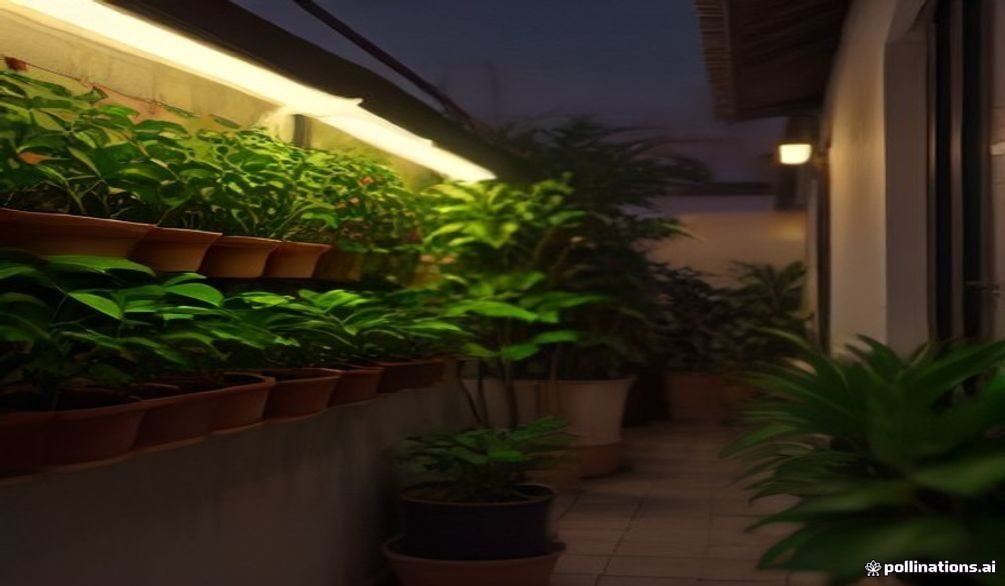
- Container Planting: Use large pots (at least 15-20 gallons for dwarf trees) with good drainage. Terracotta pots outperform plastic for most Indian balcony plants—yes, they dry faster and cost more (a good 18-inch terracotta pot might be ₹600-900), but the breathability prevents root rot, which is the number one killer of container plants in India’s humid monsoon months. I’ve seen countless plants drown in plastic pots during heavy rains.
- Espaliering: Train trees flat against a wall or fence using wires or a trellis. This is a beautiful and highly space-efficient way to grow apples, pears, or even certain citrus.
- High-Density Planting: Plant several dwarf or semi-dwarf trees very close together, treating them almost like a single hedgerow. This technique requires aggressive pruning to manage growth.
- Multi-Grafted Trees: Purchase trees that already have multiple fruit varieties grafted onto a single rootstock. This is essentially a “fruit salad tree” in a single pot or planting spot.
Remember, consistent pruning is non-negotiable for keeping small space fruit trees productive and compact.
Embrace vertical growing with trellises and espalier
Vertical growing is a phenomenal strategy to maximize space fruit garden potential, especially in urban settings where horizontal space is a luxury. This method transforms walls, fences, and even empty air into productive growing areas. Leonie Shanahan and Karen Sutherland, writers for ABC Organic Gardener Magazine, offer expert tips on maximizing garden space, including training trees through espalier.
Think about it: why use just the ground when you have vertical surfaces available?
You can achieve this through:
- Trellises: Simple structures made of wood, bamboo, or metal can support climbing fruits like grapevines (try varieties like ‘Bangalore Blue’), passionfruit, or even certain berry canes. This lets them grow upwards, saving precious floor space. I often use bamboo poles tied together for my quick-growing gourds, and the same principle applies to fruits.
- Espalier: This ancient technique involves training fruit trees to grow flat against a wall or fence. It’s not just space-saving; it’s incredibly artistic. Apples, pears, plums, apricots, and even figs can be espaliered beautifully. The trees benefit from the radiant heat of the wall, which can sometimes encourage earlier ripening. Plus, it makes harvesting a breeze!
- Vertical Planters: Stackable planters or wall-mounted pockets are perfect for strawberries, bush tomatoes, or even small herbs like pudina and dhania, which, while not fruits, can share vertical space efficiently.
Utilizing these methods means you’re not just gardening, you’re designing a functional and beautiful vertical fruit garden. It’s a smart way to maximize space fruit garden output without needing more land.
Choose dwarf and multi-grafted fruit varieties
Selecting dwarf and multi-grafted fruit varieties is one of the most effective ways to maximize space fruit garden production without needing a large plot. These specialized plants are bred or engineered to deliver big results in small packages. Instead of struggling with a full-sized mango tree on your balcony, why not opt for something more manageable?
Here’s why these are game-changers for small spaces:
- Dwarf and Semi-Dwarf Trees: These varieties are naturally smaller, making them perfect for containers or compact garden beds. They typically reach 4-10 feet in height, compared to standard trees that can soar to 20-30 feet. Look for dwarf citrus trees like the improved Meyer lemon or dwarf fig trees, which can be easily maintained at 4-5 feet with regular pruning.
- Multi-Grafted Fruit Trees: These are often called “fruit salad trees” because they have several different fruit varieties grafted onto a single rootstock. Imagine one tree giving you peaches, plums, and apricots, or various types of citrus! This is an incredible way to get variety without sacrificing space. Stark Bro’s, a well-known nursery, offers many such options.
| Variety Type | Space Saving Benefit | Example Fruits | Maintenance |
|---|---|---|---|
| Dwarf Fruit Trees | Naturally compact size, container-friendly | Improved Meyer Lemon, Dwarf Fig, Pomegranate ‘Nana’ | Regular pruning to maintain shape and size |
| Multi-Grafted Trees | Multiple fruit types on one plant | Stone fruit mixes (peach, apricot, plum), Citrus mixes | Careful pruning to balance growth of all grafts |
Choosing these varieties means you can literally have a mini-orchard on your terrace, allowing you to maximize space fruit garden potential exponentially.
Utilize high-density planting techniques
High-density planting is a savvy method that enables you to grow multiple fruit trees in an area traditionally reserved for just one, making it a critical strategy to maximize space fruit garden yield. This technique is all about strategic proximity and aggressive pruning to keep trees productive yet compact. I’ve personally seen this work wonders in small backyard orchards, where a single planting hole can host several different fruit trees.
Here’s how you can implement this:
- Planting Multiple Trees in One Hole: You can plant 2-4 dwarf or semi-dwarf fruit trees (of the same type or compatible varieties) in a single hole, spaced just 18-24 inches apart. This creates a “mini-grove” effect. For example, planting two different apple varieties this way ensures better pollination and a longer harvest window.
- Close-Spacing for Hedgerows: For fruits like blueberries or raspberries, plant them much closer than recommended, creating a dense hedgerow. This maximizes yield per linear foot and simplifies care.
- Succession Planting: While more common for vegetables, you can apply this to certain fruits like strawberries. As one patch finishes producing, you can start a new batch in a different spot or container, ensuring a continuous harvest. This is particularly useful in Bangalore’s mild climate, allowing for longer growing seasons.
The key to high-density planting is diligent pruning. Without it, the trees will become overgrown and unproductive. Mike Reiber, founder and CEO of Axiom, noted in the Annual Gardening Outlook Study that “gardeners spent record amounts of time and money on their gardens,” highlighting the dedication many put into optimizing their growing spaces. This dedication is especially important for high-density planting.
Container gardening: fruits for patios and balconies
Container gardening is an incredibly versatile and accessible way to maximize space fruit garden aspirations, especially for those with only patios, balconies, or small courtyards. This method gives you the flexibility to move plants around, control their growing environment, and grow fruits that might not thrive in your native soil. Most Mumbai balcony gardeners, myself included, rely heavily on containers.
Here’s why container gardening is a top choice:
- Mobility: You can shift plants to follow the sun or protect them from harsh weather, like the intense pre-monsoon heat or heavy monsoon rains. This flexibility is invaluable in India’s varied climate.
- Soil Control: You can create the perfect soil mix for specific fruits, like acidic soil for blueberries or well-draining sandy loam for citrus. Remember my experience with cocopeat? I tested cocopeat from three different brands in 2023—COCO COIR, Royal, and a local loose brand from the nursery. The loose brand had salt residue that burned my seedling roots. I had to wash it 4 times before it was safe to use. Branded cocopeat costs ₹80–120 more per block but saves a ruined batch of plants. Quality matters!
- Variety: A surprising array of fruits thrive in pots.
Excellent fruit choices for containers include:
- Strawberries: They love hanging baskets or tiered planters.
- Blueberries: Use large pots (at least 15-20 gallons) and an acidic potting mix.
- Dwarf Citrus: Lemons, limes, and kumquats are ideal.
- Dwarf Figs: Their compact size and tolerance for root restriction make them perfect.
- Gooseberries and Currants: These bush fruits do well in medium to large pots.
When choosing containers, always prioritize good drainage. And remember my point about terracotta versus plastic for Indian conditions—it’s a small investment that pays off in plant health.
Frequently asked questions
What fruits are easiest to grow in pots?
Strawberries, blueberries, and dwarf citrus varieties like the Improved Meyer lemon are generally the easiest fruits to grow in pots. These plants are naturally compact and adapt well to container life, requiring less overall space and simpler care routines for urban fruit garden enthusiasts.
How do you maximize space in a garden?
To maximize space in a garden, integrate vertical growing solutions like trellises and espalier, choose dwarf and multi-grafted plant varieties, and employ high-density planting techniques. Additionally, utilize container gardening for flexible placement and consider succession planting for continuous harvests, as 43% of people garden to grow food, according to RubyHome (2025).
What is a good size for a small fruit garden?
A good size for a small fruit garden can be as little as 25-50 square feet, like a balcony or a compact patio. The average U.S. garden is 600 sq. ft. and produces $600 worth of food, according to RubyHome (2025), showing even small spaces can be highly productive with smart planning.
Can you grow fruit trees in small spaces?
Yes, you can absolutely grow fruit trees in small spaces by selecting dwarf or semi-dwarf varieties, using multi-grafted trees, and training them through espalier or growing them in large containers. Consistent pruning is essential to manage their size and maintain productivity, transforming a small plot into a thriving urban fruit garden.
What are some vertical fruit gardening ideas?
Vertical fruit gardening ideas include training grapevines or passionfruit on a trellis, espaliering apple or fig trees against a wall, and using hanging baskets for strawberries. These methods efficiently use vertical surfaces, allowing you to maximize space fruit garden potential even in tight urban environments.
Making the most of your limited gardening area doesn’t have to be a struggle; it’s an opportunity to get creative and smart with your planting choices. By embracing vertical growing, opting for dwarf and multi-grafted varieties, practicing high-density planting, and leveraging container gardening, you can truly maximize space fruit garden dreams on any Indian balcony or terrace. So don’t let a small footprint deter you—start planning your compact fruit paradise today and enjoy the sweet rewards of your labor!