Key Takeaways
- The global greenhouse horticulture market is projected to reach USD 70.2 Billion by 2034, according to IMARC Group (2026).
- U.S. sales of certified organic products grew by 6.8 percent in 2025, reaching $76.6 billion, as reported by the Organic Trade Association (2026).
- Organic greenhouse gardening extends the growing season, allowing year-round cultivation of fresh, chemical-free produce.
- Effective organic pest control in greenhouses relies on beneficial insects and proactive monitoring, minimizing crop damage.
- Building vibrant organic soil is foundational for continuous, healthy plant growth in a greenhouse environment.
Are you ready to transform your gardening experience and enjoy fresh, organic produce year-round? Embracing Organic Greenhouse Gardening 2026 is the definitive way to extend your growing season, ensuring a consistent supply of healthy, chemical-free food for your family. This comprehensive guide will walk you through everything you need to know, from designing your ideal greenhouse to mastering organic soil health and pest control, empowering you to cultivate abundance beyond typical seasonal limits.
Quick Answer: Organic greenhouse gardening in 2026 extends your growing season by creating a controlled, chemical-free environment, enabling year-round cultivation of diverse crops. This approach uses natural pest management, robust soil health practices, and strategic planting to maximize harvests and produce fresh, sustainable food.
Why Choose Organic Greenhouse Gardening in 2026?
Choosing organic greenhouse gardening in 2026 offers unparalleled benefits, primarily by extending your growing season and ensuring a supply of pure, healthy produce. This method provides a controlled environment that shields plants from harsh weather, allowing for cultivation far beyond traditional outdoor limits. The global greenhouse horticulture market is projected to reach USD 70.2 Billion by 2034, according to IMARC Group (2026), highlighting the growing interest and investment in controlled environment agriculture.
Organic greenhouse gardening aligns perfectly with the increasing consumer demand for sustainable and chemical-free food. U.S. sales of certified organic products grew by 6.8 percent in 2025, reaching $76.6 billion, as reported by the Organic Trade Association (2026). This significant growth underscores a clear societal shift towards healthier, more environmentally conscious choices, making organic greenhouse gardening a timely and beneficial endeavor.
Benefits of Organic Greenhouse Gardening 2026
The advantages of embracing organic greenhouse gardening in 2026 are extensive, impacting both your personal health and the environment. From my 10+ years of experience in horticulture, I’ve seen firsthand how a well-managed organic greenhouse can revolutionize a gardener’s output.
* Extended Growing Season: Greenhouses create microclimates, allowing you to start seedlings earlier in spring, grow heat-loving crops longer into fall, and even cultivate certain plants through mild winters. This means fresh vegetables and herbs are available when outdoor gardens are dormant.
* Protection from Pests and Diseases: While not entirely immune, a greenhouse offers a significant barrier against many common outdoor pests and diseases, simplifying organic pest management. The enclosed space allows for more targeted and effective organic pest control greenhouse strategies.
* Optimal Growing Conditions: You have greater control over temperature, humidity, and light, enabling you to tailor conditions precisely to your plants’ needs. This leads to healthier, more vigorous growth and higher yields compared to open-field gardening.
* Water Conservation: Greenhouse horticulture significantly reduces water usage, with hydroponic greenhouses using only about 15 liters of water per kilogram of tomatoes compared to approximately 60 liters in open fields, as highlighted by IMARC Group (2026). This efficiency is crucial for sustainable practices.
* Chemical-Free Produce: By committing to organic practices, you ensure that your harvests are free from synthetic pesticides, herbicides, and fertilizers. This commitment to chemical-free food is a core principle of Organic Greenhouse Gardening 2026.
* Increased Yields and Diversity: The extended season and controlled environment allow for multiple harvests and the cultivation of a wider variety of crops, including exotic or delicate plants that wouldn’t thrive outdoors in your climate.
“Greenhouses are undoubtedly one of the most valuable tools in a gardener’s arsenal,” states Joe of @joesgarden, a popular gardening influencer. He emphasizes their role in year-round production and crop protection. This expert insight reinforces the strategic advantage an organic greenhouse provides.
Designing Your Organic Greenhouse for Extended Season
Designing your organic greenhouse for an extended season involves strategic planning that maximizes natural light, thermal efficiency, and ventilation to support year-round organic crop production. The key is to create a stable, conducive environment that minimizes the need for external energy inputs, which is central to sustainable organic greenhouse design.
A well-designed organic greenhouse will integrate principles of passive solar greenhouse design, effectively capturing and storing solar energy to maintain warmth. Ceres Greenhouses, for instance, are renowned for their passive solar designs that provide excellent thermal performance. “Organic gardening in 2026 involves natural approaches that work with nature rather than against it,” notes First Tunnels Polytunnels, emphasizing the importance of design that supports natural processes.
Key Considerations for Organic Greenhouse Design 2026
When planning your organic greenhouse gardening 2026 project, several elements are crucial for long-term success and efficiency. Thinking through these details now will save you time and resources later.
1. Orientation: Position your greenhouse to maximize southern exposure for optimal sunlight collection throughout the day, especially in winter. This is a fundamental aspect of passive solar greenhouse design.
2. Glazing Material: Choose materials like twin-wall polycarbonate or glass that offer good insulation and light transmission. Twin-wall polycarbonate is a popular choice for its durability and insulating properties, crucial for maintaining stable temperatures for organic greenhouse gardening 2026.
3. Ventilation: Adequate ventilation is vital for temperature regulation, humidity control, and preventing fungal diseases. Incorporate automatic roof vents and side vents for passive airflow. Cross-ventilation is particularly effective for managing heat buildup.
4. Thermal Mass: Integrate elements like water barrels painted black or stone walls within the greenhouse to absorb heat during the day and release it slowly at night. This thermal mass is a cornerstone of effective passive solar greenhouse design.
5. Size and Layout: Consider your growing needs and available space. A larger greenhouse provides more stable temperatures and greater growing area for diverse year-round organic crops. Plan for pathways, raised beds, or benches to optimize your organic greenhouse design.
6. Water Collection: Implement a rainwater harvesting system to collect and store water for irrigation. This sustainable practice reduces reliance on municipal water and provides plants with chemical-free water, perfect for organic greenhouse gardening.
Proper planning of your organic greenhouse design ensures a resilient environment for your plants. It’s about creating a space where the natural systems can thrive, supporting your organic greenhouse gardening 2026 goals.
Building & Maintaining Organic Soil Health in Your Greenhouse
Building and maintaining organic soil health in your greenhouse is the cornerstone of successful organic greenhouse gardening 2026, as healthy soil directly translates to vigorous, disease-resistant plants and abundant harvests. The soil is a living ecosystem that requires continuous nourishment and care, especially in an intensive greenhouse environment. “Soil health remains the foundation of every thriving organic garden,” according to First Tunnels Polytunnels, a sentiment I strongly echo from my own extensive experience.
For continuous, extended production in a greenhouse, focus on enriching your soil with organic matter and beneficial microorganisms. The organic fertilizers market is expected to reach USD 10.1 billion in 2026, with a 6.1% CAGR projected through 2036, as estimated by Future Market Insights (2025), indicating a strong trend towards natural soil amendments. This growth reflects the understanding that organic soil mix greenhouse practices are essential for sustainable yields.
Strategies for Superior Organic Soil Mix Greenhouse
Creating and sustaining a vibrant organic soil mix greenhouse environment is an ongoing process that involves several key practices. These methods ensure your plants receive a balanced diet of nutrients, promoting robust growth for year-round organic crops.
* Start with a Quality Base: Begin with a rich blend of compost, aged manure, and peat-free potting mix. This organic soil mix greenhouse foundation provides essential nutrients and structure. For container plants, a specialized organic potting mix is crucial.
* Regular Compost Amendments: Continuously incorporate well-rotted compost into your greenhouse beds or containers. This replenishes organic matter, improves soil structure, and feeds beneficial microbes. Regular composting is vital for maintaining organic soil health in your greenhouse.
* Cover Cropping and Green Manures: Even in a greenhouse, short-term cover crops can be beneficial. They suppress weeds, prevent nutrient leaching, and add organic matter when tilled back into the soil. This practice is a powerful season extension technique for soil health.
* Organic Fertilizers: Supplement with approved organic fertilizers like bone meal, blood meal, kelp meal, or fish emulsion as needed. These provide slow-release nutrients that support sustained plant growth. Hoss Tools offers Pro-Mix Premium Seed Starting Mix, an excellent choice for organic greenhouse growers looking for a quality organic soil mix greenhouse solution.
* Mycorrhizal Fungi and Beneficial Microbes: Introduce beneficial fungi and bacteria to enhance nutrient uptake and root health. These microscopic allies form symbiotic relationships with plant roots, improving their resilience.
* Mulching: Apply a layer of organic mulch, such as straw or shredded leaves, to retain soil moisture, regulate temperature, and suppress weeds. Mulching also gradually breaks down, contributing to the organic soil mix greenhouse.
“Organic container production systems must implement practices that ensure a ‘natural and diverse soil ecology’ in the container,” states the Organic Trade Association (OTA) position statement. This emphasizes that even in confined spaces, maintaining a living, thriving soil is paramount for organic greenhouse gardening 2026. Sensoterra soil moisture sensors can assist in optimizing irrigation, preventing overwatering which can harm soil biology.
Mastering Organic Pest Control for Greenhouse Environments
Mastering organic pest control for greenhouse environments is crucial for maintaining healthy plants and ensuring chemical-free produce in your organic greenhouse gardening 2026 efforts. The enclosed nature of a greenhouse, while protective, can also create ideal breeding grounds for pests if not managed proactively. Effective organic pest management greenhouse strategies focus on prevention, early detection, and biological controls rather than synthetic pesticides.
The goal is to establish an ecological balance within your greenhouse, where beneficial insects can naturally keep pest populations in check. This proactive approach is far more sustainable and effective than reactive chemical treatments, aligning perfectly with the principles of year-round organic crops production. For instance, AC Hartman BV, a greenhouse organic tomato and cucumber grower, successfully used Sensoterra soil moisture sensors to optimize irrigation and maintain crop vitality, which also contributes to plant health and pest resistance.
Integrated Organic Pest Management Greenhouse Strategies
Successful organic pest control greenhouse relies on a multi-faceted approach, combining various techniques to create an environment where pests struggle to thrive. These strategies are essential for sustainable organic greenhouse gardening 2026.
1. Sanitation: Keep your greenhouse meticulously clean. Remove plant debris, weeds, and old potting mixes where pests can hide or overwinter. Regularly clean tools and surfaces. This is your first line of defense in organic pest management greenhouse.
2. Inspection and Monitoring: Regularly inspect your plants, especially the undersides of leaves, for signs of pests or disease. Yellow sticky traps can help monitor flying insects like whiteflies, thrips, and fungus gnats, providing early detection for organic greenhouse gardening 2026.
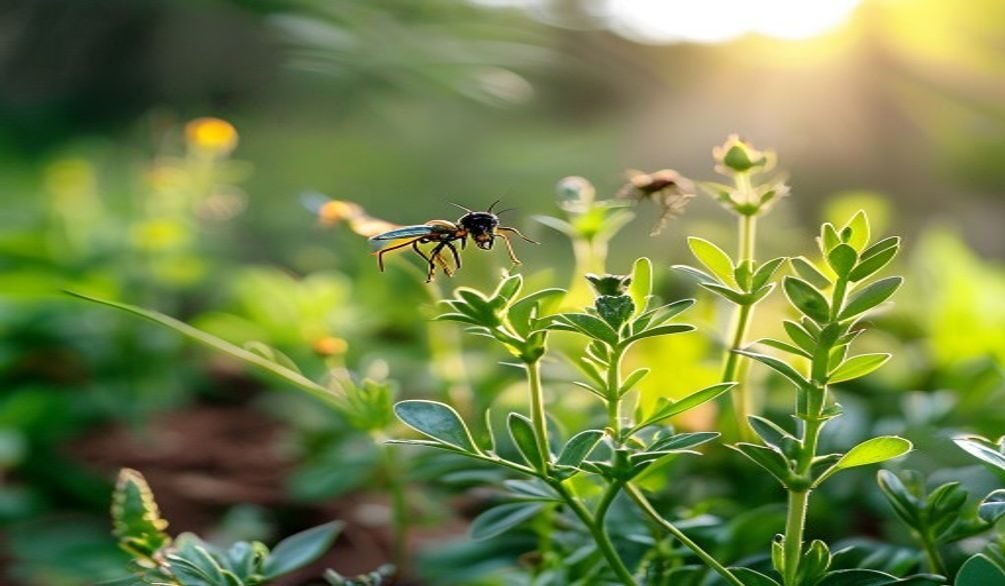
3. Beneficial Insects: Introduce natural predators like ladybugs for aphids, parasitic wasps for whiteflies, or predatory mites for spider mites. These beneficial insects greenhouse programs are highly effective in controlling pest populations organically.
4. Companion Planting: Strategically plant aromatic herbs like basil, marigolds, or nasturtiums alongside your main crops. These can deter certain pests or attract beneficial insects, enhancing your organic pest control for greenhouse environments.
5. Organic Sprays: For localized outbreaks, use approved organic sprays such as neem oil, insecticidal soap, or horticultural oils. Always apply these according to label instructions and test on a small area first. These are effective for pest control for organic greenhouse tomatoes.
6. Physical Barriers: Use fine mesh screening on vents and doors to prevent larger pests from entering. Row covers can also provide a temporary barrier for vulnerable plants within the greenhouse.
“Consumers are more intentional about their food; seeking health, sustainability and trusting organic options. At the same time, CEA technology enables year-round production with consistent quality, longer shelf life and reliable supply,” explains Jose Covarrubias, General Manager at Wholesum Family Farms, a certified organic greenhouse producer. This highlights the importance of robust organic pest control in meeting consumer expectations for quality organic produce.
Year-Round Organic Crop Planning: What to Grow in 2026
Year-round organic crop planning in 2026 is about strategically selecting and scheduling plants that thrive in a greenhouse environment, allowing for continuous harvests and maximum productivity. The goal is to optimize your space and conditions to grow a diverse array of year-round organic crops, catering to both seasonal demands and your personal preferences.
Successful planning for organic greenhouse gardening 2026 involves understanding the specific needs of each plant regarding light, temperature, and space, and then orchestrating their growth cycles. This approach ensures that your greenhouse remains productive even during the “shoulder seasons” when outdoor gardens are less active.
Recommended Year-Round Organic Crops for Greenhouses
For successful organic greenhouse gardening 2026, consider crops that are well-suited to controlled environments and offer continuous yields. My experience has shown that certain vegetables and herbs perform exceptionally well, providing consistent harvests.
* Leafy Greens: Lettuce, spinach, kale, Swiss chard, and arugula are excellent choices. They grow quickly, tolerate cooler temperatures, and can be harvested repeatedly. They are ideal for year-round organic crops.
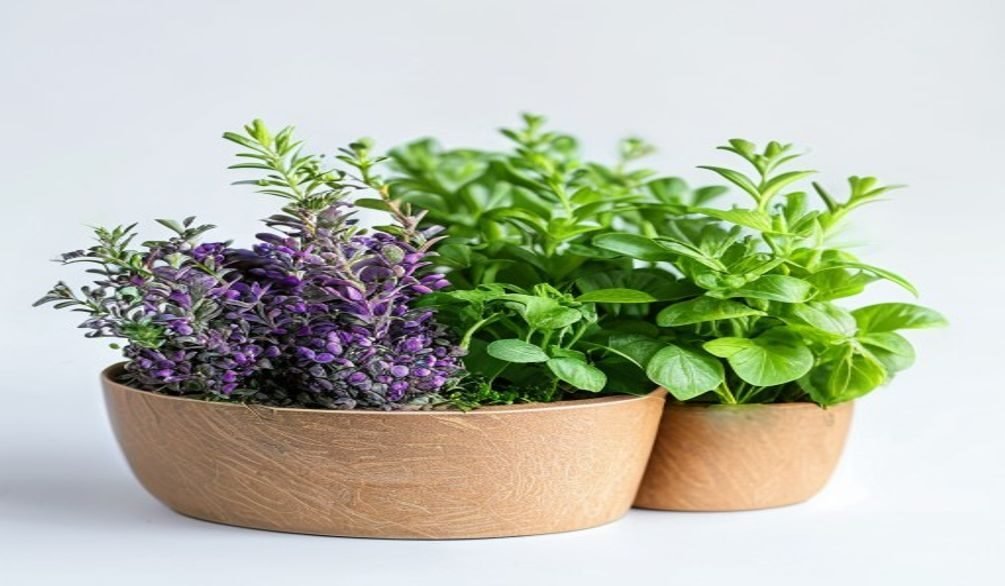
* Herbs: Basil, cilantro, parsley, mint, and chives thrive in greenhouse conditions, offering fresh flavor for cooking throughout the year. Many herbs also benefit from the protection of organic greenhouse gardening 2026.
* Tomatoes: Choose determinate varieties for smaller greenhouses or indeterminate types for continuous harvesting with proper trellising. These are popular year-round organic crops, especially with good pest control for organic greenhouse tomatoes.
* Cucumbers: Bush varieties or trellised vining types can produce abundantly. Ensure good pollination or select self-pollinating varieties.
* Peppers: Both sweet and hot peppers love the warmth of a greenhouse, yielding prolifically over an extended period.
* Root Vegetables: Radishes, carrots, and beets can be grown in deep raised beds or containers, especially during cooler months.
* Strawberries: Ever-bearing varieties can produce fruit for many months, offering a sweet treat from your organic greenhouse gardening 2026 efforts.
To maximize your yield, practice succession planting, where you sow small batches of seeds every few weeks. This ensures a continuous supply of produce rather than a single large harvest. Winterfell Acres CSA Farm, for example, successfully uses a Ceres HighYield™ Kit greenhouse for year-round organic vegetable production, supplying 120 families weekly through a CSA model. Their success showcases the potential for year-round organic crops with dedicated organic greenhouse gardening 2026.
Essential Organic Greenhouse Kits & Tools for 2026
Equipping yourself with the essential organic greenhouse kits and tools for 2026 is a critical step towards establishing a productive and efficient organic greenhouse gardening operation. The right equipment can simplify tasks, enhance plant health, and ensure that your efforts in season extension techniques are successful. Investing in quality tools designed for durability and effectiveness will pay dividends in the long run.
The market for greenhouse kits 2026 offers a wide range of options, from small backyard models to larger commercial-grade structures. Your choice will depend on your space, budget, and gardening ambitions for organic greenhouse gardening 2026.
Top Organic Greenhouse Kits 2026 and Must-Have Tools
Selecting the right greenhouse kit and accompanying tools is fundamental for successful organic greenhouse gardening 2026. Here’s a look at some popular options and essential items that will make your gardening journey smoother.
Recommended Greenhouse Kits (2026)
Many reputable brands offer kits suitable for various needs. These kits provide a solid foundation for your organic greenhouse gardening 2026.
| Greenhouse Kit | Key Features | Ideal For |
|---|---|---|
| Ceres HighYield™ Kit | Passive solar design, high insulation, robust construction | Year-round organic crop production, cold climates, serious growers |
| Palram Canopia Snap & Grow | Twin-wall polycarbonate panels, aluminum frame, easy assembly | Beginners, moderate climates, quick setup for season extension techniques |
| Backyard Discovery Willow & Bellerose | Cedar wood frame, polycarbonate panels, aesthetic appeal | Home gardeners, combining beauty with functionality in organic greenhouse design |
| Jocisland Learn-To Greenhouse | Twin-wall polycarbonate, aluminum frame, compact size | Small spaces, educational purposes, starting organic greenhouse gardening |
Ceres Greenhouses are particularly noted for their HighYield™ Kit, which utilizes advanced passive solar greenhouse design principles for maximum efficiency. For those just starting out, Palram Canopia offers accessible and reliable options.
Essential Tools for Organic Greenhouse Gardening 2026
Beyond the greenhouse structure itself, a selection of specialized tools will significantly enhance your organic greenhouse gardening 2026 experience.
* High-Quality Pruners: Essential for pruning, harvesting, and maintaining plant health. Hoss Tools offers durable options for all your gardening needs.
* Soil Moisture Meter/Sensors: Devices like Sensoterra soil moisture sensors provide accurate readings, helping you avoid over or under-watering. This is crucial for maintaining optimal organic soil health in your greenhouse.
* Thermometer/Hygrometer: To monitor temperature and humidity, vital for disease prevention and ensuring the right conditions for year-round organic crops.
* Seed Starting Trays and Heating Mats: For early germination and robust seedling development. Pro-Mix Premium Seed Starting Mix from Hoss Tools is an excellent complement.
* Watering Can with Fine Rose: For gentle and even watering, especially for seedlings and delicate plants.
* Hand Trowel and Cultivator: For planting, weeding, and working with your organic soil mix greenhouse.
* Compost Bin: An on-site compost system is invaluable for continuously feeding your organic greenhouse gardening 2026 beds.
* Organic Fertilizers: Stock up on approved organic fertilizers like kelp meal, fish emulsion, and bone meal to nourish your plants.
These tools and kits form the backbone of a successful organic greenhouse gardening 2026 setup, enabling you to manage your environment and plants effectively for extended season yields.
Maximizing Your Organic Greenhouse Harvest: Advanced Tips
Maximizing your organic greenhouse harvest involves implementing advanced techniques that go beyond basic gardening, focusing on optimizing every aspect of your controlled environment for peak productivity. These advanced tips are designed to ensure you get the most out of your organic greenhouse gardening 2026 efforts, producing an abundance of healthy, organic produce year-round.
The key to a truly abundant harvest lies in a deep understanding of plant physiology combined with clever greenhouse management. This includes optimizing light, temperature, humidity, and nutrient delivery to support continuous growth and multiple crop cycles.
Advanced Strategies for Organic Greenhouse Gardening 2026
To truly excel in organic greenhouse gardening 2026 and achieve exceptional yields, consider integrating these advanced strategies into your routine. They build upon foundational practices to push your productivity further.
1. Vertical Growing Systems: Utilize vertical space with trellises, hanging baskets, or vertical garden towers. This dramatically increases your growing area for year-round organic crops without expanding your greenhouse footprint.
2. Supplemental Lighting: While passive solar greenhouse design is great, consider LED grow lights during shorter winter days to ensure plants receive adequate light for photosynthesis. This can significantly boost winter harvests.
3. Automated Climate Control: Invest in automated systems for ventilation, heating, and irrigation. These systems maintain optimal conditions more consistently than manual adjustments, reducing stress on plants and improving efficiency for organic greenhouse gardening 2026.
4. Hydroponic or Aquaponic Integration (Organic Approved): Explore organic-approved hydroponic or aquaponic systems within your greenhouse. These soilless methods can offer faster growth and higher yields, though careful attention to organic certification standards is vital. Our guide on Hydroponic System Calibration: Ultimate Guide 2026 provides relevant insights.
5. CO2 Enrichment: Supplementing carbon dioxide levels can significantly enhance plant growth and yield, especially in a sealed greenhouse environment. This is an advanced technique for maximizing organic greenhouse gardening 2026.
6. Grafting: Grafting scions of desired varieties onto disease-resistant rootstock can improve vigor, yield, and resistance to soil-borne diseases, particularly for crops like tomatoes and cucumbers.
7. Intensive Succession Planting: Plan your succession planting meticulously, ensuring that as one crop finishes, another is ready to take its place. This continuous rotation is a core season extension technique.
“At Wholesum Family Farms, we see the future of organic produce in controlled environments,” says Jose Covarrubias. He emphasizes that advanced techniques allow for consistent quality and supply. By adopting these advanced tips for organic greenhouse gardening 2026, you can transform your greenhouse into a highly productive, year-round organic food factory.
Frequently Asked Questions
What are the benefits of organic greenhouse gardening?
Organic greenhouse gardening offers benefits like an extended growing season, protection from pests, and the ability to grow chemical-free produce year-round. U.S. sales of certified organic products grew by 6.8 percent in 2025, reaching $76.6 billion, according to the Organic Trade Association (2026), reflecting consumer demand for such produce. This approach allows gardeners to enjoy fresh harvests even during off-seasons.
How do you extend the growing season in a greenhouse organically?
You extend the growing season in a greenhouse organically by optimizing passive solar design, using thermal mass, and implementing strategic crop planning. These season extension techniques create a stable microclimate, allowing earlier planting in spring and later harvesting into winter. Maintaining consistent temperatures and humidity levels is crucial for continuous plant growth.
What are the best organic pest control methods for greenhouses?
The best organic pest control methods for greenhouses include proactive monitoring, maintaining excellent sanitation, and introducing beneficial insects. For example, ladybugs can effectively control aphid populations, minimizing the need for harmful chemical interventions. Early detection and biological controls are key to effective organic pest management greenhouse.
What crops grow best in an organic greenhouse year-round?
Leafy greens, herbs, tomatoes, cucumbers, and peppers are among the crops that grow best in an organic greenhouse year-round. These year-round organic crops thrive in controlled environments, providing continuous harvests with proper care and succession planting. Focusing on these high-yield varieties maximizes your organic greenhouse gardening 2026 output.
How do I prepare soil for organic greenhouse growing?
You prepare soil for organic greenhouse growing by starting with a rich base of compost and aged manure, then consistently amending it with organic matter. The organic fertilizers market is expected to reach USD 10.1 billion in 2026, with a 6.1% CAGR projected through 2036, according to Future Market Insights (2025), highlighting the importance of natural amendments. This ensures a living, fertile organic soil mix greenhouse that supports robust plant health.
Embracing Organic Greenhouse Gardening 2026 is more than just a hobby; it’s a sustainable lifestyle choice that promises fresh, healthy produce year-round. By applying the principles of intelligent design, robust soil health, proactive pest control, and strategic crop planning, you can transform your gardening efforts into a consistent source of organic abundance. Start planning your organic greenhouse today and experience the profound satisfaction of cultivating your own food, extending your harvest far beyond traditional limits.