Key Takeaways
- The global organic farming market is projected to reach USD 136.75 billion in 2026, according to Fortune Business Insights (2026).
- Vertical farms can yield up to 390 times more food per square foot compared to traditional farms, according to Eden Green (2025).
- Vertical gardening systems can reduce water usage by 90-98% compared to conventional methods, as stated by Environmental Plant Management (2025).
- U.S. sales of certified organic products grew by 6.8% in 2025, reaching $76.6 billion, as reported by the Organic Trade Association (2026).
- Integrated vermicomposting systems, like the Garden Tower® 2, can transform kitchen scraps into rich fertilizer directly within your vertical garden.
Are you struggling to grow fresh, organic produce due to limited space, or perhaps a desire to cultivate a more sustainable lifestyle? Embracing **Organic Vertical Gardening Maximizing Space 2026** is the answer for urban dwellers and anyone looking to boost their food production naturally. This comprehensive guide will show you how to transform even the smallest areas into thriving organic gardens, maximizing your yields with eco-friendly methods.
Quick Answer: Organic vertical gardening maximizes space by growing plants in stacked layers using sustainable, soil-based, or organic hydroponic methods. This approach conserves water, reduces land use, and allows for year-round fresh produce in limited areas.
What is Organic Vertical Gardening in 2026?
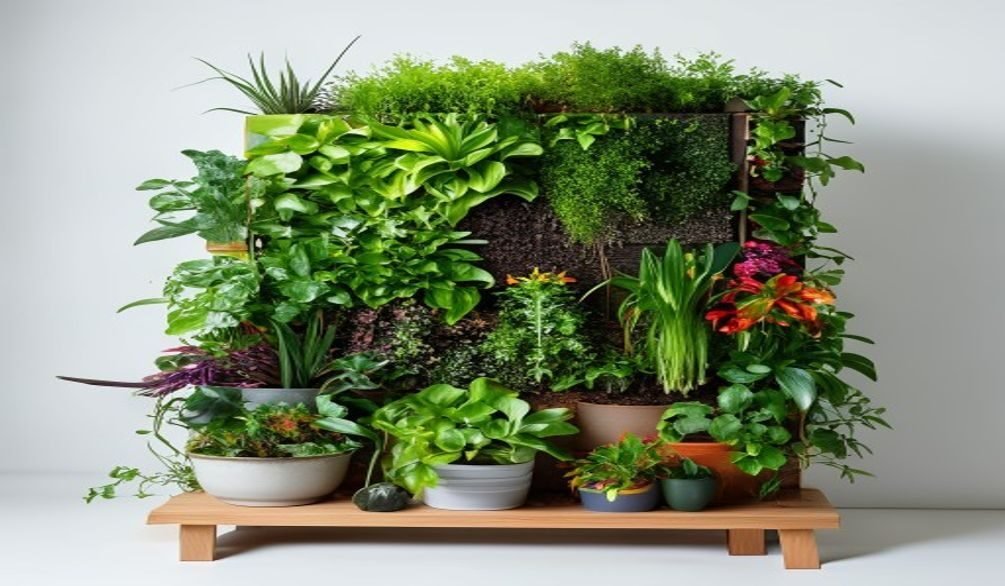
Organic vertical gardening is the practice of growing plants in vertically stacked layers, using natural and sustainable methods, to produce food in limited spaces. This innovative approach integrates traditional organic principles with modern space-saving techniques, making it ideal for urban environments. The concept of vertical farming, on which vertical gardening is based, was developed by environmental health sciences professor Dickson Despommier in 1999, according to Wikipedia (Undated).
This method is gaining significant traction as we move through 2026, offering a practical solution for fresh, healthy produce at home. It allows you to cultivate a diverse range of crops, from herbs to vegetables, without needing a large plot of land. The core idea behind **Organic Vertical Gardening Maximizing Space 2026** is to maximize yield per square foot while adhering to strict organic standards.
The global vertical farming market size surpassed USD 9,630.13 million in 2025 and is predicted to increase from USD 11,662.67 million in 2026, according to Precedence Research (2026). This growth highlights the increasing interest in efficient, space-saving agricultural practices.
For home gardeners, this means embracing systems that allow for growth upwards, whether on a balcony, patio, or even indoors. My 10 years of gardening experience confirms that vertical solutions are not just a trend but a necessity for many modern growers.
Why Choose Organic Vertical Gardening for Your Home in 2026?
Choosing **Organic Vertical Gardening Maximizing Space 2026** offers a multitude of benefits, from environmental sustainability to personal health and economic savings. The most compelling reason is its unparalleled efficiency in utilizing limited areas for food production. Vertical farms can produce yields up to 390 times greater per square foot than traditional methods, according to Eden Green (2025).
This efficiency translates directly to your home garden, allowing you to grow significantly more produce in a compact footprint. Beyond space, the organic aspect ensures that your food is free from synthetic pesticides and fertilizers, promoting healthier eating. U.S. sales of certified organic products reached USD 76.6 billion in 2025, showing an annual growth rate of 6.8%, as reported by the Organic Trade Association (2026).
Here are the key advantages of adopting **Organic Vertical Gardening Maximizing Space 2026**:
- Space Optimization: It allows you to grow a substantial amount of food in minimal square footage, perfect for urban homes, balconies, or small yards.
- Water Conservation: Vertical gardening systems can use 90-98% less water than traditional farms, often through recirculating irrigation, according to Environmental Plant Management (2025). This makes it an incredibly sustainable choice.
- Year-Round Production: Many vertical setups can be adapted for indoor use, enabling fresh harvest regardless of the season or climate.
- Reduced Pest and Disease Issues: Controlled environments and elevated planting can naturally deter ground-dwelling pests and soil-borne diseases.
- Improved Air Quality: Indoor vertical gardens contribute to better indoor air quality, acting as natural air purifiers.
- Fresher, Healthier Food: Growing your own organic produce ensures you have access to nutrient-dense, chemical-free food right at your fingertips.
- Educational Opportunity: It’s a fantastic way to teach children about food systems, sustainability, and the joy of gardening.
Todd Haiman, creative director of Todd Haiman Landscape Design, and Shauna Moore, interim vice president of horticulture at Brooklyn Botanic Garden, noted in 2026 that gardening is shifting towards smarter practices and regenerative systems. This aligns perfectly with the principles of **Organic Vertical Gardening Maximizing Space 2026**.

Best Organic Soil & Composting for Vertical Gardens
The foundation of any successful organic vertical garden lies in its soil, which must be nutrient-rich, well-draining, and free from synthetic additives. Crafting the best organic soil mix for **Organic Vertical Gardening Maximizing Space 2026** is crucial for plant health and maximizing yields. Unlike traditional beds, vertical containers require a lighter mix that retains moisture without becoming waterlogged.
A high-quality organic potting mix forms the base, often amended with compost and other natural materials. For instance, the Garden Tower Project’s Garden Tower® 2 system integrates a central vermicomposting tube, allowing you to turn kitchen scraps directly into nutrient-rich fertilizer for your plants. This closed-loop system embodies the spirit of **Organic Vertical Gardening Maximizing Space 2026**.
When selecting or creating your soil, look for mixes certified by the USDA Organic program, ensuring they meet stringent standards. This certification guarantees no synthetic pesticides, herbicides, or GMOs are present in the soil. Proper soil aeration is also critical; studies show 72% of container plants fail due to poor drainage, according to Penn State Extension (2023).
Step 1: Choose Your Organic Potting Mix
Start with a high-quality organic potting mix specifically designed for containers. These mixes are typically lighter than garden soil, preventing compaction in vertical systems. Ensure the mix is OMRI (Organic Materials Review Institute) listed for verified organic compliance.
Step 2: Amend for Optimal Drainage and Nutrition
Enhance your base mix with amendments to improve drainage, water retention, and nutrient content. This step is vital for **Organic Vertical Gardening Maximizing Space 2026**.
- Compost: Add 20-30% organic compost or worm castings. This provides a slow-release source of essential nutrients and beneficial microbes.
- Perlite or Vermiculite: Incorporate 10-20% perlite or vermiculite for improved aeration and drainage. Perlite, for example, improves drainage and aeration by about 40% when added to heavy soils.
- Coconut Coir: Use coconut coir for excellent water retention and aeration. It’s a sustainable alternative to peat moss.
- Organic Fertilizers: Supplement with organic granular fertilizers like bone meal for phosphorus, kelp meal for micronutrients, or alfalfa meal for nitrogen, as needed.

Step 3: Implement Vertical Composting Systems
Consider integrating a composting system directly into your vertical garden, especially for **Organic Vertical Gardening Maximizing Space 2026**.
The Garden Tower® 2 is an excellent example, featuring a central tube where you can add kitchen scraps and composting worms. The worms break down the organic matter, and the nutrient-rich leachate fertilizes the surrounding soil, creating a self-sustaining ecosystem. This significantly reduces waste and provides continuous plant nutrition.
Learn more about vertical garden soil mixes for 2026.
Natural Pest Control for Organic Vertical Systems
Maintaining an organic vertical garden means saying no to synthetic pesticides, making natural pest control a fundamental aspect of **Organic Vertical Gardening Maximizing Space 2026**. The elevated and often more isolated nature of vertical gardens can naturally deter some ground pests, but vigilance and proactive strategies are still essential. A healthy ecosystem is your best defense against common garden invaders.
My experience has shown that a holistic approach, focusing on prevention and early intervention, is most effective. This means creating an environment where plants are strong enough to resist pests and beneficial insects are encouraged. For example, companion planting certain herbs can naturally deter pests while attracting beneficial predatory insects.
Step 1: Promote Plant Health and Resilience
Healthy plants are less susceptible to pest infestations. Ensure your plants receive adequate light, water, and nutrients from your organic soil mix.
- Proper Watering: Avoid overwatering, which can lead to root rot and weak plants. Monitor moisture levels in your vertical containers.
- Adequate Airflow: Good air circulation prevents fungal diseases, a common issue in compact vertical setups. Ensure plants aren’t too crowded.
- Nutrient-Rich Soil: Use the organic soil and composting methods discussed previously to provide continuous, balanced nutrition.
Strong, well-nourished plants are naturally more resistant to pests and diseases, making them less attractive targets. This proactive health management is a cornerstone of successful **Organic Vertical Gardening Maximizing Space 2026**.
Step 2: Implement Companion Planting Strategies
Strategic planting can naturally deter pests and attract beneficial insects. This is a highly effective, non-toxic method for **Organic Vertical Gardening Maximizing Space 2026**.

| Plant | Pest Deterrent | Beneficial Attractor |
|---|---|---|
| Marigolds | Nematodes, whiteflies, aphids | — |
| Nasturtiums | Aphids, squash bugs, cucumber beetles (trap crop) | — |
| Basil | Flies, mosquitoes, tomato hornworms | — |
| Dill | Aphids, spider mites | Ladybugs, parasitic wasps |
| Calendula | Asparagus beetles, tomato hornworms | Hoverflies, lacewings |
Step 3: Utilize Physical Barriers and Manual Removal
Sometimes, the simplest methods are the most effective for **Organic Vertical Gardening Maximizing Space 2026**.
- Hand-picking: Regularly inspect your plants for pests and remove them manually. This is particularly easy in a vertical system where plants are at eye level.
- Insecticidal Soaps: For persistent infestations, use organic insecticidal soaps. These break down quickly and are safe for organic gardening.
- Neem Oil: A natural pesticide, neem oil disrupts insect feeding and growth cycles. Apply according to product instructions.
- Row Covers: For outdoor vertical gardens, light row covers can protect young plants from flying insects.
For more specific guidance on pest identification, you might refer to resources like “How to Identify and Treat Anthracnose: Your Complete 2026 Guide” for broader plant health tips, even if it’s not a pest issue.
DIY Organic Vertical Garden Ideas with Upcycled Materials
Creating a DIY organic vertical garden using upcycled materials is an incredibly rewarding and sustainable way to embrace **Organic Vertical Gardening Maximizing Space 2026**. This approach not only saves money but also reduces waste, aligning perfectly with eco-conscious gardening principles. You can transform everyday items into functional and aesthetic planting solutions.
The beauty of DIY is the flexibility to customize your system to your specific space and plant needs. From my experience, some of the most successful vertical gardens come from repurposed items. A YouTube video from March 2025 even demonstrates making a vertical garden using recycled 20-liter plastic jerrycans for organic vegetables.
Idea 1: Repurposed Pallet Gardens
Wooden pallets can be easily transformed into multi-tiered planters, perfect for **Organic Vertical Gardening Maximizing Space 2026**.
Simply stand a pallet upright, staple landscaping fabric to the inside of the slats to create pockets, and fill with your organic soil mix. These are great for growing herbs, strawberries, and leafy greens. Ensure the pallets are heat-treated (marked HT) rather than chemically treated (MB) for organic safety.
Idea 2: Upcycled Gutter or PVC Pipe Systems
Old gutters or PVC pipes can be mounted horizontally along a fence or wall, creating shallow, linear growing spaces.
Drill drainage holes in the bottom, secure them with brackets, and fill with organic potting mix. This method is excellent for continuous rows of shallow-rooted plants like lettuce, spinach, and radishes, offering a sleek look for **Organic Vertical Gardening Maximizing Space 2026**.

Idea 3: Stacked Tire or Container Gardens
For a more robust DIY solution, stack old tires or large food-grade containers (like 5-gallon buckets) in an offset pattern.
Each layer can hold a plant or two, offering stability and ample root space. This method is particularly good for larger organic vegetables like peppers or bush tomatoes, allowing for significant **Organic Vertical Gardening Maximizing Space 2026** in a small footprint.
Idea 4: Hanging Bottle or Jar Gardens
Plastic bottles or glass jars can be repurposed into hanging planters, ideal for herbs or small succulents.
Cut a section out of the bottle, leaving the ends intact for structural integrity, or use jars with appropriate drainage. Suspend them from a rod or frame using strong twine or wire. This is a creative and very low-cost option for an indoor **Organic Vertical Gardening Maximizing Space 2026** setup.
Explore more vertical vegetable garden ideas for balconies.
Easiest Organic Plants to Grow in Vertical Gardens
Choosing the right plants is crucial for a thriving **Organic Vertical Gardening Maximizing Space 2026** setup, especially when you’re just starting. The best plants for vertical gardens are typically those with shallow root systems, compact growth habits, and a high yield-to-space ratio. Opting for organic varieties ensures your harvest is healthy and chemical-free.
From my years of experience, certain plants consistently perform well in vertical environments, making them ideal for beginners and seasoned gardeners alike. These plants are generally low-maintenance and adapt well to the unique conditions of stacked or tiered systems.
Here are some of the easiest organic plants to grow in your vertical garden:
- Leafy Greens: Lettuce, spinach, kale, and Swiss chard are perfect. They have shallow roots, grow quickly, and can be harvested repeatedly. Varieties like ‘Black Seed Simpson’ lettuce or ‘Red Russian’ kale thrive in containers.
- Herbs: Basil, mint, chives, parsley, cilantro, and thyme are excellent choices. Many herbs are compact and provide continuous harvests. Mint, in particular, benefits from containerization to prevent it from spreading.
- Strawberries: These are a classic vertical garden plant, especially trailing varieties. They love to spill over the edges of containers, making them both productive and ornamental for **Organic Vertical Gardening Maximizing Space 2026**.
- Bush Beans: Unlike pole beans, bush bean varieties are compact and don’t require extensive trellising, making them suitable for larger pockets in vertical systems.
- Radishes: Quick-growing and requiring minimal space, radishes are an excellent choice for filling smaller pockets or gaps in your vertical garden.
- Cherry Tomatoes (Dwarf Varieties): Look for ‘Patio Princess’ or ‘Tiny Tim’ varieties, which are bred for compact growth and container living. They produce a steady supply of small, sweet tomatoes.
- Peppers (Dwarf Varieties): Similar to tomatoes, dwarf pepper varieties like ‘Pimiento’ or ‘Sweet Banana’ can do well in larger vertical pockets.
When selecting seeds or starts, always ensure they are certified organic. The USDA provides guidelines for organic certification, guaranteeing that your plants are grown without prohibited substances. This commitment to organic practices underpins the success of **Organic Vertical Gardening Maximizing Space 2026**.

Top Organic Vertical Garden Systems for Small Spaces 2026
Investing in a quality vertical garden system can significantly simplify your journey into **Organic Vertical Gardening Maximizing Space 2026**, especially for those with limited space. While DIY options are fantastic, ready-made systems offer convenience, specific features, and often integrated organic solutions. The market offers a range of innovative systems designed for efficiency and ease of use in 2026.
My professional opinion, based on observing various systems, is that the best options combine durable construction with features that support organic growing principles. These systems often prioritize water efficiency, ease of planting, and integrated nutrient management.
Here are some of the top organic vertical garden systems suitable for small spaces in 2026:
Garden Tower Project (Garden Tower® 2)
The Garden Tower® 2 is a highly recommended soil-based vertical garden system that allows growing up to 50 plants in just 4 square feet. It embodies **Organic Vertical Gardening Maximizing Space 2026** by featuring an integrated vermicomposting tube.
This allows you to add kitchen scraps, which worms convert into nutrient-rich fertilizer, directly feeding your plants. It rotates 360° for optimal sun exposure and is specifically designed for organic growing without electricity, making it incredibly sustainable.
Lettuce Grow Farmstand
While primarily a hydroponic system, the Lettuce Grow Farmstand can be used with organic nutrient solutions, aligning with the spirit of **Organic Vertical Gardening Maximizing Space 2026**. Made from ocean-bound plastic, it’s a self-watering, self-fertilizing tower.
Ashlie Thomas, a professional gardener and author, recommends the Lettuce Grow Farmstand as a user-friendly kit for various plants. It’s highlighted for its sustainability and ability to grow plants up to 30% faster, available in sizes from 12 to 36 plants.
Tower Garden (FLEX Growing System)
Another popular aeroponic system, the Tower Garden FLEX Growing System, is endorsed by Jenn Frymark, chief greenhouse officer of Gotham Greens. Like Lettuce Grow, it can be adapted for organic nutrient solutions.
This system boasts using up to 90% less water and space compared to traditional gardening, making it an excellent choice for **Organic Vertical Gardening Maximizing Space 2026**. It’s also utilized by community partners like the Green Bronx Machine for educational and food production purposes.
Stack & Sprout
Positioned as an easy-to-use, stackable vertical garden built for condominium patios, Stack & Sprout focuses on fresh organic food and nutrient-dense produce with minimal space requirements. Its modular design allows for expansion as your gardening ambitions grow.
Mother (Forest System & MicroPod)
For indoor options, Mother offers innovative solutions. The Forest system is a modular green wall made from recycled aluminum with dimmable grow lights, improving air quality while growing plants. The MicroPod simplifies growing microgreens organically indoors, a perfect small-scale option for **Organic Vertical Gardening Maximizing Space 2026**.
Each of these systems offers unique advantages, but all share the common goal of helping you achieve a productive vertical garden within a limited footprint, emphasizing the core principle of **Organic Vertical Gardening Maximizing Space 2026**.
Maximizing Space in Your Organic Vertical Garden
True mastery of **Organic Vertical Gardening Maximizing Space 2026** goes beyond just setting up a vertical structure; it involves strategic planning, plant selection, and ongoing maintenance to ensure every inch yields its full potential. The goal is to optimize both horizontal and vertical dimensions, creating a dense, productive, and healthy ecosystem. Think of your vertical garden as a living wall where every pocket and surface can contribute to your harvest.
From my perspective, many gardeners focus only on the vertical aspect and forget the small, clever ways to enhance density and productivity. It’s about smart design and consistent care.
Tip 1: Strategic Plant Placement
Consider the light requirements and growth habits of your chosen organic plants.
- Sun Lovers Up Top: Place plants requiring full sun (e.g., tomatoes, peppers, strawberries) in the uppermost tiers or sunniest spots.
- Shade Tolerant Below: Leafy greens and many herbs can thrive in partial shade, making them ideal for lower tiers or areas with less direct sunlight.
- Trailing Plants: Utilize trailing plants like strawberries or nasturtiums to spill over the edges, adding beauty and productivity without occupying additional vertical space.
This careful arrangement ensures each plant receives optimal conditions, contributing to the overall success of your **Organic Vertical Gardening Maximizing Space 2026**.
Tip 2: Utilize Every Surface and Edge
Don’t limit yourself to just the designated planting pockets.
For example, if you have a wall-mounted system, consider adding small hooks to hang lightweight planters for herbs. If your system has a flat top, place a small container there for a compact plant. Every surface is an opportunity for **Organic Vertical Gardening Maximizing Space 2026**.

Tip 3: Implement Succession Planting
Succession planting ensures a continuous harvest throughout the growing season.
As one crop finishes, immediately plant another in its place. For fast-growing greens like lettuce or radishes, this means sowing new seeds every 2-3 weeks in different pockets. This technique is particularly effective in maximizing yields from your **Organic Vertical Gardening Maxim