Are you wondering how far apart to plant your seedlings, or if that tiny sprout really needs all that room? Proper plant spacing for beginners is one of the most crucial, yet often overlooked, aspects of successful gardening. This guide will demystify plant spacing, helping you cultivate a thriving, healthy garden from day one.
Why is Proper Plant Spacing for Beginners So Important?
Correct plant spacing is the foundation for a flourishing garden, especially when you’re just starting out. It’s not just about aesthetics; it’s about providing each plant with the essential resources it needs to thrive.
When plants have adequate room, they can access sufficient sunlight, water, and nutrients from the soil without undue competition. This leads to stronger, healthier plants and a significantly improved garden yield.
One of the key benefits is enhanced air circulation plants receive. As Nature Hills Nursery states, “Proper space between plants prevents fungal diseases and mildew. Air can flow freely, drying leaves after rain or watering.” This natural ventilation is critical to help prevent plant disease and maintain overall plant vitality.
Furthermore, good spacing supports long-term soil health. When plants aren’t fighting for every inch, their root systems can develop robustly, contributing to better soil structure and nutrient cycling. This means less work for you in the long run.
What Happens If You Plant Too Close Together?
While the urge to pack your garden full is strong, planting too closely can sabotage your efforts before they even begin. Overcrowding creates a cascade of problems that hinder growth and reduce productivity.
First, plants compete intensely for limited resources like light, water, and nutrients. This competition often results in stunted plant growth, as individual plants don’t receive enough to develop their full potential. You might end up with many plants, but very few robust harvests.
Secondly, poor air circulation in dense plantings creates a humid, stagnant environment. This is a breeding ground for pests and diseases, like powdery mildew and blight, which can quickly spread through your entire garden. Utah State University Extension confirms that “proper plant spacing allows good air movement around the plants to minimize common diseases.”
Finally, planting too close together drastically reduces your potential garden yield. Even if some plants survive, they’ll produce fewer fruits, smaller vegetables, or weaker blooms compared to their well-spaced counterparts. This is why understanding optimal plant spacing for maximum yield is so important for beginners.
Overcoming the “Overplanting” Urge: A Patient Gardener’s Mindset
Here’s the thing many beginner gardeners face: the empty space after planting feels… well, empty. There’s a natural inclination to fill every inch, hoping for an instant lush look. This “overplanting” urge is common, but it’s crucial to resist it.
What most people miss is that gardening is a journey, not an instant gratification project. You need to trust the process and visualize the mature plant size, not just the tiny seedling in front of you. As professional garden designer Amy from Pretty Purple Door wisely advises, “Always space your plants based on their mature size. Not the size they are when you buy them.”
Adopting “The Patient Gardener’s Guide to Perfect Plant Spacing” means understanding that initial sparseness transforms into abundant, healthy growth. Think of it as an investment in your garden’s future. That seemingly empty space is vital real estate for roots to expand and foliage to unfurl.
In practice, remind yourself that a few well-spaced, thriving plants will produce far more satisfying results than a multitude of struggling, overcrowded ones. Embrace the calm anticipation, knowing that good things take time and space.
Understanding General Plant Spacing Guidelines
While specific plant spacing varies, there are fundamental principles that apply across the board. The golden rule is to always consult the seed packet or plant tag for recommended spacing, as these are tailored to the specific variety.
Most recommendations refer to “on-center” spacing, meaning the distance from the center of one plant to the center of the next. This accounts for the plant’s eventual mature plant size, ensuring adequate room for its roots and canopy.
For a quick reference, a basic plant spacing chart for vegetables often categorizes plants by their growth habit:
- Small Root Vegetables (e.g., Radishes, Carrots): 2-4 inches apart, though intensive methods can go tighter.
- Leafy Greens (e.g., Lettuce, Spinach): 4-8 inches apart, depending on the variety and desired harvest size.
- Bush Beans, Peppers, Eggplant: 12-18 inches apart.
- Tomatoes, Zucchini, Winter Squash: These require significant space, often 2-3 feet apart, especially if indeterminate.
Remember, these are general guidelines. Understanding the specific needs of each crop will help you achieve the optimal plant spacing for maximum yield.
Plant Spacing for Different Garden Types: Beds, Containers, & More
The way you space your plants can also depend on your garden’s setup. Different environments call for slightly different approaches to maximize growth and efficiency.
Raised Beds & In-Ground Gardens
For traditional in-ground rows or raised beds, conventional spacing often dictates wider gaps. However, many gardeners are turning to methods like intensive gardening or square foot gardening to optimize space.
Square foot gardening, for example, divides your bed into 1×1 foot squares, with specific plant counts per square based on their size. This method helps beginners visualize and implement how to space plants in raised beds effectively. Tools like the Seeding Square are designed to make this process foolproof, claiming to boost yields by 2-5 times by optimizing spacing.
Gardenary’s Nicole Johnsey Burke advocates for intensive planting, where plants are spaced closer so their leaves touch. She notes this “actually makes my garden easier to manage. There are so many benefits, like less watering, fewer weeds, and no need for fertilizer; the plants balance each other out.” This approach capitalizes on plants helping each other by shading soil and conserving moisture.
Container Gardening
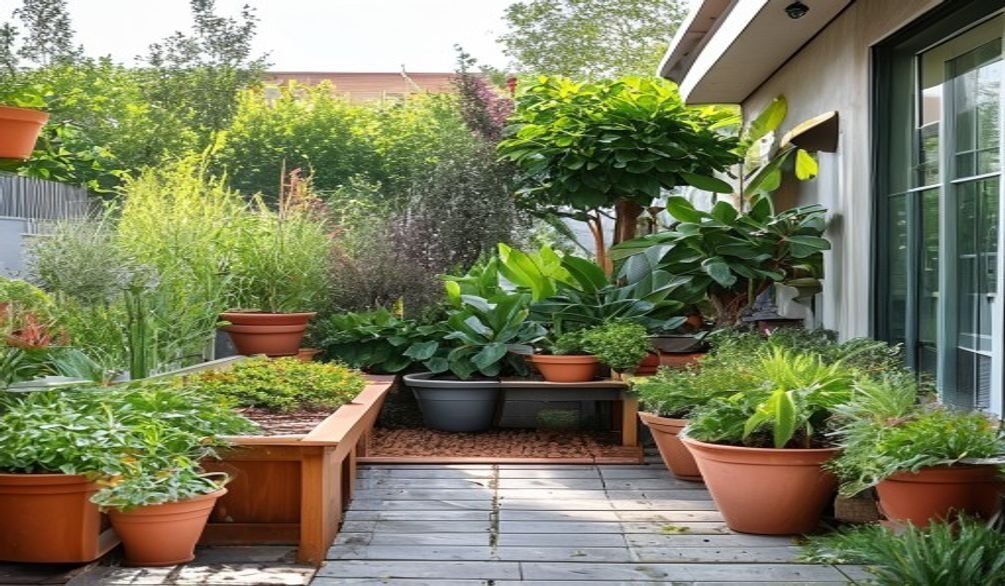
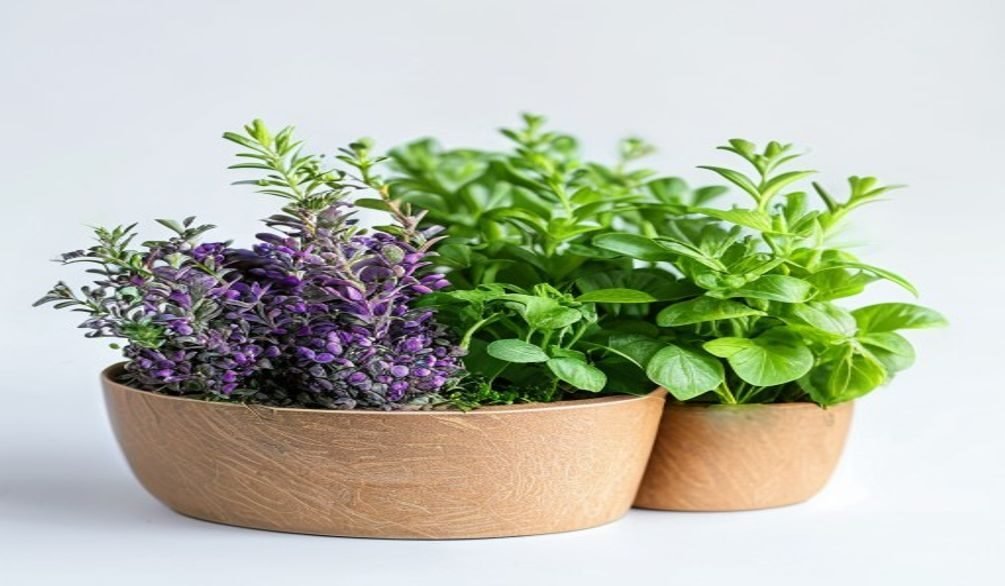
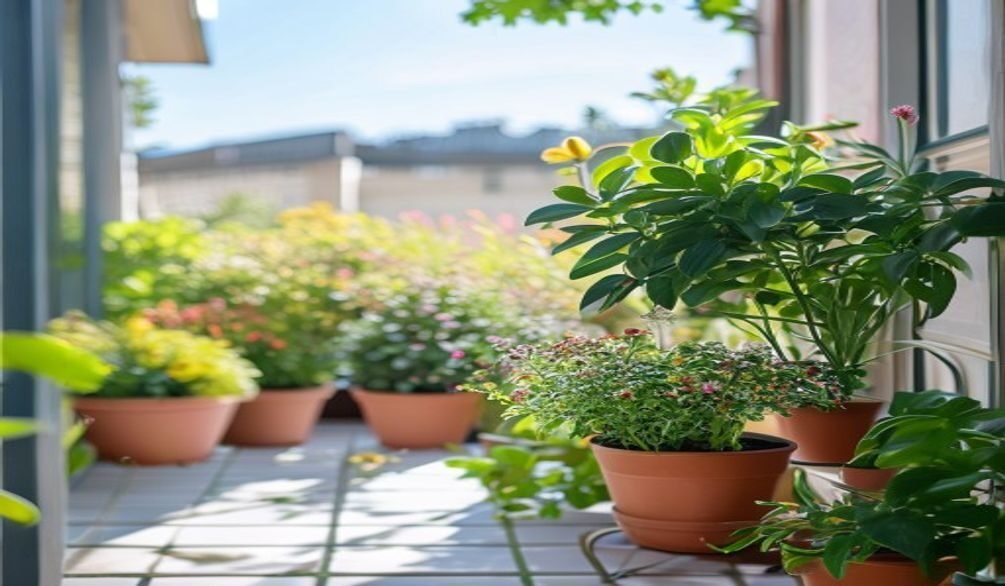
Container plant spacing is dictated primarily by the size of your pot. A common mistake is trying to fit too many plants into one container, leading to the same overcrowding issues as in a garden bed. For example, a single tomato plant often needs a 5-gallon container or larger to thrive.
When choosing containers, consider the plant’s root system. Small leafy greens like lettuce can share a wider, shallower container, while root vegetables like carrots need depth. For specific advice on growing root vegetables in containers, especially on a balcony, check out our guide on how to grow root vegetables on a balcony.
Remember that container plants dry out faster and deplete nutrients quicker, so proper spacing ensures each plant gets adequate moisture and fertilizer without intense competition.
Vertical Gardening
Vertical gardening naturally limits horizontal space, making vertical plant spacing more about strategic placement. Plants are typically spaced according to their mature width, ensuring they don’t shade out their neighbors on the same level or below. For inspiration on plant combinations, our guide on vertical garden plant combinations offers great design ideas.
Using Thinning and Succession Planting to Maximize Space
For beginners, understanding that plant spacing isn’t a one-time decision but an ongoing strategy can be a game-changer. Two powerful techniques are thinning and succession planting.
The Art of Thinning
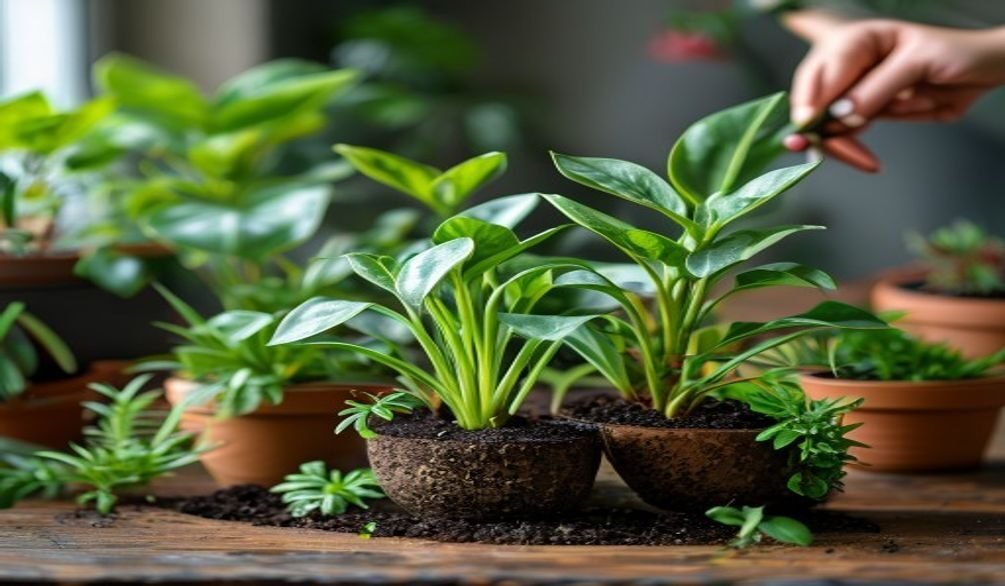
Many seeds are tiny, making it difficult to sow them at their perfect final spacing. This is where thinning seedlings comes in. It’s the process of removing excess seedlings to give the remaining plants enough room to grow vigorously.
You might sow densely to ensure good germination, then thin once seedlings have their first set of “true leaves.” For example, if you sow carrots thickly, you’d thin them to 2-4 inches apart. The removed seedlings aren’t wasted; many can be enjoyed as microgreens!
Thinning might feel counterintuitive, but it’s essential for achieving the optimal plant spacing for maximum yield for the remaining plants. Don’t be afraid to sacrifice some to save the many.
Succession Planting for Continuous Harvests
Succession planting is a brilliant strategy for maximizing your garden’s productivity and space over time. Instead of planting your entire crop of lettuce at once, you plant smaller batches every 2-3 weeks.
This ensures a continuous harvest rather than a single, overwhelming bounty, and it allows you to reuse space as earlier crops finish. For example, once your early radishes are harvested, you can plant a new batch of bush beans or leafy greens in that same spot.
This technique is fantastic for extending your garden yield throughout the growing season, turning a single bed into a dynamic, productive space.
Tools and Techniques for Perfect Plant Spacing
Achieving perfect plant spacing doesn’t require advanced skills; a few simple plant spacing tools for gardening and techniques can make all the difference for beginners.
One popular tool is The Seeding Square, a patented, color-coded seed spacer designed for raised beds and in-ground gardens. It helps you plant vegetables with “perfect spacing in seconds” and is a great guide for square foot gardening spacing.
Another useful item is a simple garden planting ruler, like those from Raw Rutes. These stainless steel rulers often include sowing holes and a vegetable planting guide, making it easy to keep rows straight and ensure appropriate spacing.
Beyond tools, here are practical techniques:
- Read the Label: Always start by checking the seed packet or plant tag for specific spacing recommendations.
- Measure Twice, Plant Once: Use a ruler, measuring tape, or even your hand (e.g., a hand’s width for 4-6 inches) to ensure accurate spacing.
- Use a Template: For square foot gardening, a grid template or a DIY frame with strings can help you visualize and maintain consistent spacing.
- Mark Your Spots: Before planting, use a stick or dibber to make small indentations where each seed or seedling will go.
- Visualize Mature Size: Mentally picture the plant at its full size. If it looks like it will touch its neighbor, increase the spacing.
Remember that consistent spacing isn’t just about giving roots room; it’s also about ensuring uniform light exposure and airflow to every plant, promoting even growth and health across your garden.
Frequently Asked Questions
Why is plant spacing important?
Plant spacing is crucial because it ensures each plant has adequate access to sunlight, water, and nutrients, preventing competition and promoting strong root development. Proper spacing also improves air circulation, which is vital for preventing the spread of fungal diseases and pests throughout your garden.
What happens if you plant too close together?
If you plant too close together, your plants will compete for essential resources, leading to stunted growth and reduced yields. Overcrowding also creates a humid environment with poor airflow, making plants more susceptible to diseases like powdery mildew and insect infestations, ultimately compromising the health of your entire garden.
What is the 1/2 rule for plant spacing?
The “1/2 rule” for plant spacing, often used in landscaping, suggests planting shrubs or perennials at a distance equal to half their mature width from a wall or fence. This allows the plant to grow to its full size without being pressed against a structure, ensuring good air circulation and preventing damage to both the plant and the building.
How far apart should plants be from a house?
Plants should generally be spaced at least 1-3 feet away from a house foundation, depending on their mature size. This distance prevents roots from damaging the foundation, allows for proper air circulation around the house and plants (reducing humidity and mold risks), and provides space for maintenance and growth without rubbing against the siding.
Mastering plant spacing for beginners is less about rigid rules and more about understanding your plants’ needs and embracing a patient approach. By giving each plant the room it deserves, you’ll foster stronger growth, prevent common problems, and ultimately enjoy a more abundant and rewarding harvest. Step back, visualize your garden’s future, and trust that a little space now means a lot more flourishing later.