Key Takeaways
- Cilantro, dill, and parsley are prone to bolting when temperatures reach 80°F (26.7°C), according to Homegrown Garden (2025).
- ‘Slo Bolt’ cilantro varieties can extend harvest by 2-3 extra weeks compared to standard types, as noted by Isla’s Garden Seeds (2025).
- A 30-50% shade cloth is ideal for preventing leafy greens and herbs from bolting in intense sun, according to Grow Organic (2023).
- Succession planting new herb seeds every 2-3 weeks ensures a continuous supply of young, less bolt-prone plants, per Botanical Interests (2024).
- Terracotta pots prevent root rot in humid climates due to better breathability, a common issue for Indian balcony plants (Gaurav, 2024).
Most Mumbai balcony gardeners know the heartbreak of seeing their lush dhania or pudina suddenly shoot up a flower stalk in the scorching pre-monsoon heat. It’s a common frustration, but you absolutely can prevent herbs from bolting and keep that fresh harvest coming. This guide will walk you through seven foolproof ways to keep your favorite kitchen herbs leafy and productive longer, even in challenging Indian climates.
Quick Answer: Prevent herb bolting by providing adequate shade, consistent watering, regular harvesting, choosing bolt-resistant varieties, and strategic planting times to avoid heat and stress, extending your fresh harvest.
What is bolting in herbs and why does it happen?
Bolting is when an herb plant prematurely sends up a flower stalk and goes to seed, switching its energy from producing edible leaves to reproduction. It’s essentially a plant’s panic response, as it switches from a growth mindset to a survival mindset when conditions become unfavorable, according to Homegrown Garden (2025). Once this happens, the leaves often become bitter, tough, and less flavorful, making them undesirable for culinary use. You’ll notice the stems elongating rapidly, and small flower buds forming at the top.
Several factors trigger this rush to seed, especially for herbs commonly grown in Indian climates. The main culprits are often environmental stressors. High temperatures are a huge one; many cool-season herbs like dhania (cilantro) and methi (fenugreek) simply can’t handle the intense Indian summer heat. Think about Delhi in May – it’s brutal! Lack of consistent moisture, too much direct sun, or even nutrient deficiencies can all signal to the plant that its time is running out, so it needs to reproduce fast.
Overcrowding in pots or garden beds can also contribute, as plants compete for resources and space, leading to stress. And remember, bolting is a normal part of any plant’s life cycle; it’s just that we, as gardeners, want to delay it for as long as possible to enjoy those fresh leaves.
Can you stop a plant from bolting once it starts?
Unfortunately, once an herb plant begins to bolt, you can’t truly reverse the process and make it return to its leafy, pre-bolting state. As Seeds ‘n Such noted in 2022, “Once plants have bolted they can’t go back, so prevention is the best cure.” The plant has already committed its energy to flowering and seed production, altering its internal chemistry and growth hormones.
You might be able to slow it down a tiny bit by cutting off the flower stalk immediately, which we’ll discuss more. But honestly, that’s like trying to stop a train once it’s left the station – you can pull the emergency brake, but it’s not going back to the platform. The leaves will likely still be tougher and less aromatic than before. Your best bet is always to prevent herbs from bolting in the first place, rather than trying to fix it afterward.
7 foolproof ways to prevent herbs from bolting
To keep your herbs happy and leafy, you need a multi-pronged approach. Here are seven strategies that have worked wonders for me and countless other urban gardeners in India:
1. provide adequate shade, especially in summer
Intense sun and heat are major triggers for bolting, particularly in the Indian summer. Many herbs, especially leafy greens like dhania and methi, prefer cooler temperatures. A 30-50% shade cloth is often ideal for preventing leafy greens and herbs from bolting due to intense sun, according to Grow Organic (2023). This helps keep the soil and air temperatures around your plants lower.
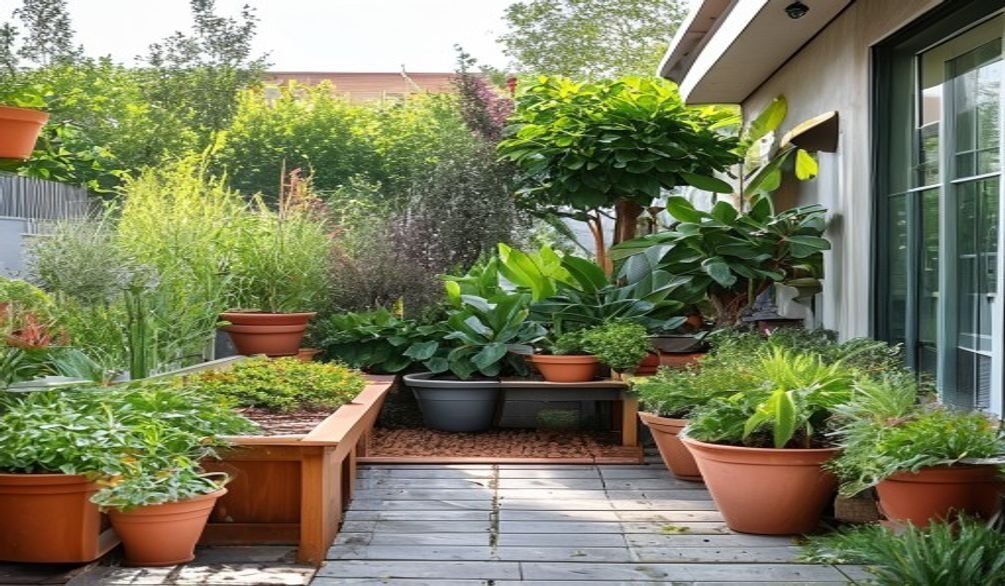
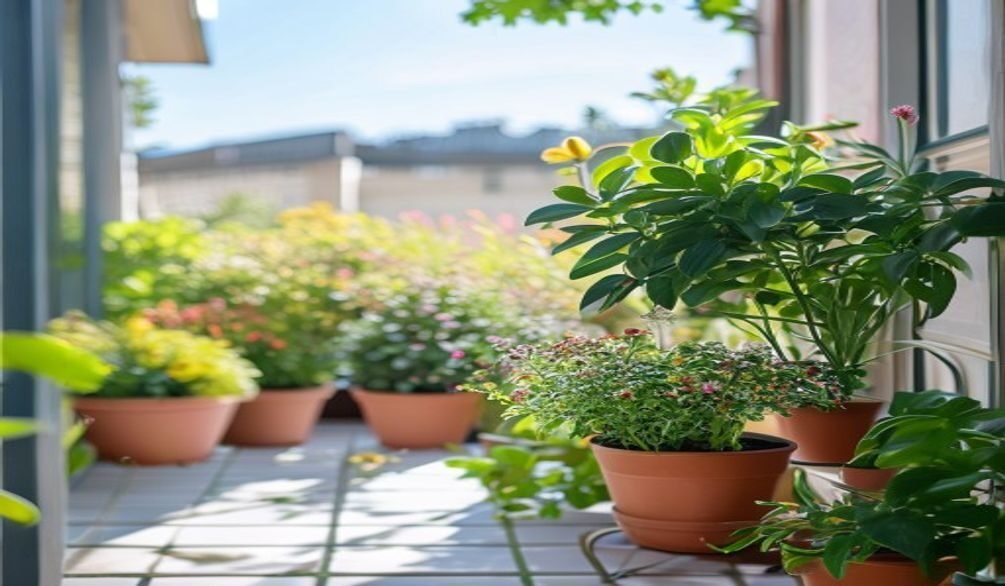
- For balcony gardens: Move pots to a shadier spot during the hottest part of the day (usually 12 PM to 4 PM). I’ve found my pudina thrives on a west-facing balcony if it gets morning sun but afternoon shade from a larger plant or wall.
- For terrace gardens: Consider setting up a simple shade net structure. You can find these easily online on Ugaoo or Nurserylive, or at your local nursery, typically costing around ₹300-₹800 for a decent size.
2. ensure consistent watering
Irregular watering stresses plants, making them think they need to reproduce quickly. You want the soil to be consistently moist, but not waterlogged. In my 10 years of experience, I once over-watered a curry leaf plant for three weeks straight because I was following a fixed schedule instead of checking the soil. By the time the leaves started yellowing it was already too late — roots had rotted. Now I always push my finger 2 inches into the soil before watering anything. This helps prevent herbs from bolting due to drought stress.
- Check soil moisture: Stick your finger about an inch or two into the soil. If it feels dry, it’s time to water.
- Water deeply: Don’t just sprinkle the surface. Water until you see it drain from the bottom of the pot.
- Consider terracotta pots: You might have heard plastic pots retain moisture better. In practice, for most Indian balcony plants, terracotta pots outperform plastic. Yes, they dry faster and cost more (a 6-inch terracotta pot might be ₹80-₹150), but the breathability prevents root rot which is the number one killer of container plants in India’s humid monsoon months. This breathability also helps regulate soil temperature, further assisting to delay bolting.
3. harvest regularly and aggressively
Regular harvesting signals to the plant that it needs to produce more leaves, rather than setting seeds. Leigh Cook (2026) noted that “Keeping herbs trimmed back can help slow bolting and reduce the tough, woody stems.” Don’t be shy!
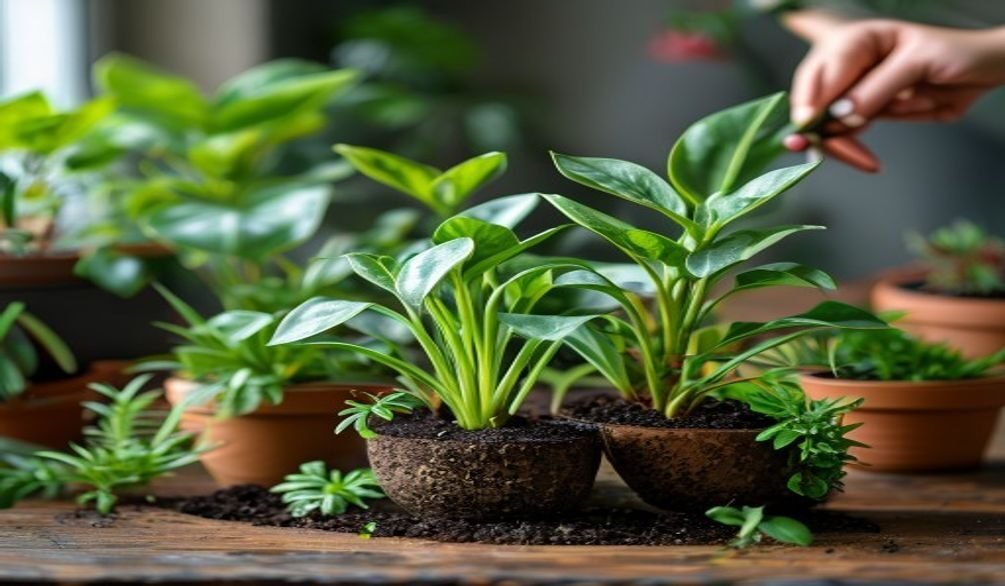
- Pinch back: For herbs like basil (tulsi, if you’re growing holy basil for leaves), pinch off the top set of leaves just above a node. This encourages bushier growth.
- Cut whole stems: For dhania or pudina, cut the outer leaves or entire stems close to the base, leaving the inner growth to continue.
- Aim for 1/3 rule: Never remove more than one-third of the plant at any one time.
4. practice succession planting
Since some herbs are destined to bolt no matter what you do, planting in stages is a smart strategy. Succession planting new seeds every 2-3 weeks can provide a continuous supply of young plants, which are less likely to bolt, according to Botanical Interests (2024). This way, as one batch starts to fade, another is ready to take its place.
- Small batches: Sow a small amount of dhania or methi seeds every couple of weeks.
- Rotate pots: As older plants start to bolt, remove them and replace them with your younger seedlings.
5. choose the right planting time
Timing is everything, especially in India’s diverse climate zones. Planting cool-season herbs during the peak of summer is almost a guaranteed way to see them bolt quickly. Plant dhania and methi in the cooler months of post-monsoon (October-November) or late winter (January-February) for the best results in North India. In milder climates like Bangalore, you might get away with a longer season, but still avoid the hottest months. For warmer regions like Chennai, focus on early morning sun and afternoon shade.
6. ensure proper soil and nutrition
Healthy soil makes for healthy, resilient plants. Use a well-draining potting mix that’s rich in organic matter. A good mix usually contains cocopeat, compost, and perlite. I use Cocogreen cocopeat mixed with vermicompost from my local nursery. Avoid excessive nitrogen, which can lead to lush leafy growth but also make plants more susceptible to bolting under stress. A balanced organic fertilizer applied sparingly is usually enough for most herbs.
7. consider vertical gardening solutions
Vertical gardening isn’t just for saving space; it can also help you manage environmental conditions better. Products like the GreenStalk Vertical Planter allow you to easily rotate your plants throughout the day to catch morning sun and avoid harsh afternoon rays. This mobility is a great tool to prevent herbs from bolting by optimizing their light exposure. You can also move them indoors during extreme heat waves, giving them a much-needed break.
What herbs bolt easily and how to manage them?
Certain herbs are notorious for bolting quickly, especially when faced with heat stress. These usually include your leafy greens that prefer cooler weather. Cilantro, dill, and parsley tend to bolt once temperatures consistently reach around 80°F (26.7°C), according to Homegrown Garden (2025). Basil, though a warm-weather herb, will also bolt if it gets too hot or if its flowers aren’t pinched off regularly.
Here’s a quick rundown on common culprits and specific management tips to help prevent herbs from bolting:
| Herb | Bolting Trigger | Management Tip |
|---|---|---|
| Dhania (Cilantro) | High heat, long days | Plant in succession, provide afternoon shade, harvest outer leaves frequently. Look for ‘Slo Bolt’ varieties. |
| Pudina (Mint) | Root bound, too much sun, dryness | Keep well-watered, grow in partial shade, divide roots annually. Cuttings from a sabziwala bunch are super easy to root. |
| Methi (Fenugreek) | Heat, drought stress | Grow in cooler months, keep soil consistently moist, harvest young leaves often. |
| Basil (Tulsi) | Flowering (natural cycle), heat stress | Pinch off flower buds as soon as they appear, ensure consistent moisture, protect from extreme afternoon sun. |
| Dill | Heat, dryness, root disturbance | Plant directly from seed to avoid transplant shock, provide consistent moisture, use ‘Fernleaf’ dill for slower bolting. |
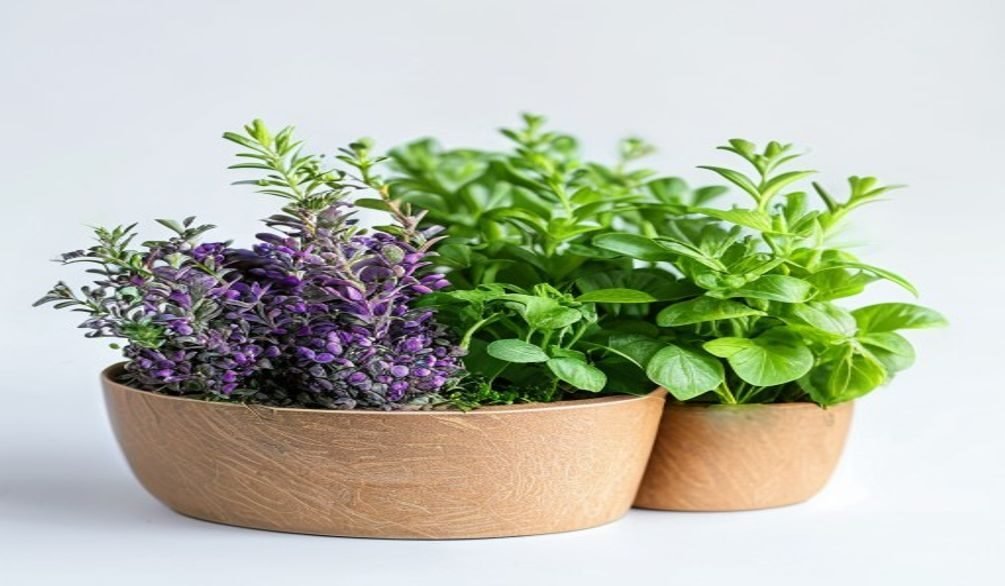
For pudina, I’ve had zero luck with seeds. I grew pudina from seeds twice and both times it was slow and patchy. Switched to cuttings from a fresh sabziwala bunch — 9 out of 10 rooted in water in 6 days and were in soil by day 8. Seeds are never worth it for pudina when cuttings work this well! It’s a great way to ensure you always have fresh pudina without worrying about bolting from old plants.
Does cutting flowers prevent bolting?
Cutting flowers off your herbs can certainly help extend the leafy harvest, but it won’t truly prevent the plant from bolting entirely. When you snip off flower stalks, you’re essentially telling the plant, “Hey, don’t worry, you haven’t reproduced yet, keep making leaves!” This can delay the inevitable for a few extra weeks, which is fantastic for home gardeners.
For herbs like basil, regularly pinching off those tiny flower buds is crucial. If you let them go to seed, the plant’s energy shifts, and the leaves can become bitter. So, while it’s not a complete “stop” button, it’s a very effective pause button, giving you more time to enjoy your fresh herbs. Think of it as a key strategy to prevent herbs from bolting prematurely and keep them in their vegetative growth phase.
What can you do with bolted herbs?
So, despite your best efforts, your dhania or methi decided to bolt. Don’t worry, it’s not a total loss! You still have a few options for those stubborn plants.
- Harvest the Seeds: The most common use for bolted herbs is to harvest their seeds. For dhania, those seeds are coriander, a staple in Indian cooking! Allow the flowers to dry completely on the plant, then collect the seeds. You can then use them for cooking or save them for planting next season. This is a natural cycle, and you’re just assisting it.
- Eat the Flowers (Some): Some herb flowers are edible and can add a pretty garnish to salads. Dill flowers, for example, have a mild dill flavor and look lovely. Just taste a little first to make sure you like it.
- Make Infused Oils or Vinegars: While the leaves might be bitter for fresh eating, their essential oils are still present. You can steep bolted herb leaves and flowers in oil or vinegar to create flavorful infusions. Just be sure to strain out all plant material before storing to prevent spoilage.
- Compost Them: If you really can’t find a use, just add them to your compost pile! They’ll break down and return nutrients to your garden, helping future plants thrive. It’s a simple, eco-friendly way to deal with them.
Choosing bolt-resistant herb varieties
One of the easiest ways to prevent herbs from bolting is to start with varieties specifically bred to resist it. Plant breeders have done a lot of work to create “slow-bolt” or “bolt-resistant” strains that can withstand warmer temperatures for longer. This is a game-changer for gardeners in places like India where heat is a constant challenge.
- ‘Slo Bolt’ Cilantro: This specific variety is a lifesaver. It can extend the harvest by 2-3 extra weeks compared to standard varieties, according to Isla’s Garden Seeds (2025). You can find seeds online on platforms like Ugaoo or through specialized seed suppliers.
- ‘Fernleaf’ Dill: This type of dill is noted for resisting bolting significantly longer than traditional types, offering a more extended harvest period.
- ‘Genovese’ Basil vs. ‘Nufar’ Basil: While ‘Genovese’ is classic, some newer varieties like ‘Nufar’ are more heat-tolerant and slower to bolt. Always check the seed packet descriptions for terms like “slow bolt,” “heat tolerant,” or “bolt resistant.”
Investing a little more in these specific varieties can save you a lot of frustration and give you a much longer season of fresh herbs. It’s often worth the slightly higher price for the extended yield, especially when you consider the cost of repeatedly buying new plants.
Frequently asked questions
What is bolting in herbs?
Bolting is when an herb plant prematurely sends up a flower stalk and goes to seed, shifting its energy from producing edible leaves to reproduction. This process is triggered by environmental stressors, causing leaves to become bitter and tough, according to Seeds ‘n Such (2022).
What herbs bolt easily?
Herbs like cilantro (dhania), dill, parsley, and fenugreek (methi) are particularly prone to bolting, especially in high temperatures. Cilantro, dill, and parsley tend to bolt once temperatures consistently reach around 80°F (26.7°C), as stated by Homegrown Garden (2025).
Can you stop a plant from bolting once it starts?
No, you cannot truly stop a plant from bolting once it has initiated the process; the plant’s internal chemistry has already shifted. While cutting off flower stalks can delay further seed production, it won’t revert the plant to its previous leafy state, making prevention key.
What can i do with bolted herbs?
You can harvest the seeds from bolted herbs, like collecting coriander from bolted dhania, or use the leaves and flowers for infused oils and vinegars. Bolted herbs can also be added to your compost pile to enrich future garden soil.
Does cutting flowers prevent bolting?
Cutting flowers helps delay bolting by signaling the plant to continue vegetative growth, but it doesn’t entirely prevent the natural life cycle. Regularly pinching off flower buds, especially for herbs like basil, is an effective strategy to extend the harvest of fresh leaves.
Keeping your herbs happy and productive in an Indian climate can feel like a constant battle against the heat and humidity, but it doesn’t have to be. By consistently applying these seven strategies – from providing shade and consistent watering to choosing the right varieties and harvesting regularly – you can absolutely prevent herbs from bolting and enjoy a steady supply of fresh flavors from your balcony or terrace. Don’t be afraid to experiment with these tips, and you’ll soon find your rhythm for a thriving herb garden.