Key Takeaways
- Plant diseases cause over $220 billion in global crop losses annually, according to research.
- Up to 40% of global crop production is lost annually to biotic stresses like pests and diseases.
- The plant disease diagnostics market is projected to rise from $0.76 billion in 2025 to $0.82 billion in 2026, a 7.6% compound annual growth rate.
- Crop rotation for just three years can disrupt disease cycles for soilborne pathogens affecting plants like tomatoes.
- Disinfecting gardening tools with a 10% bleach solution is an effective sanitation practice to prevent disease spread.
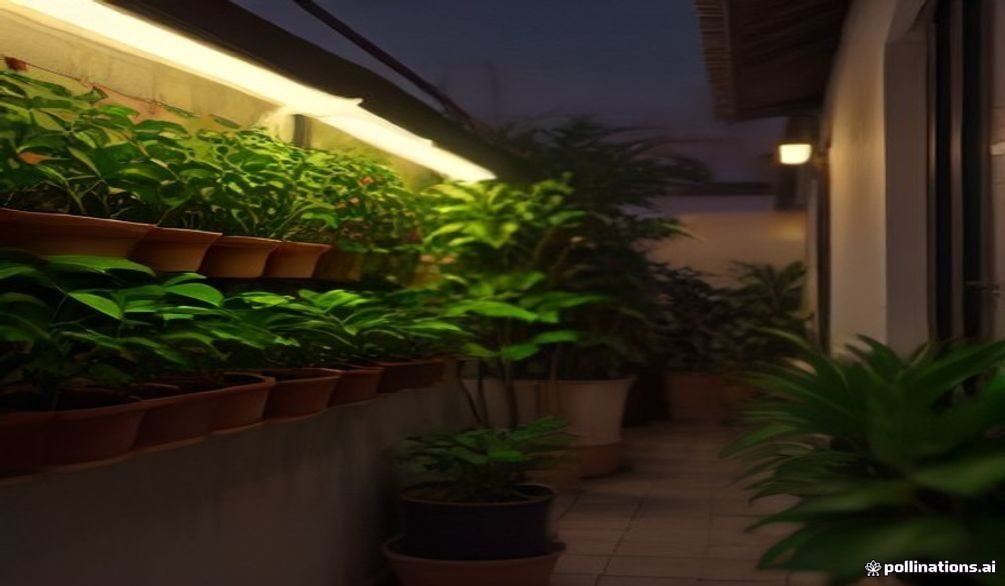
There’s nothing quite as disheartening for an Indian home gardener as seeing your healthy methi or bhindi plants suddenly wilt or develop spots, making you realize you need to better prevent plant diseases. Most Mumbai balcony gardeners, myself included, have faced the frustration of fungal issues during the monsoon or bacterial blight on their dhania, turning a promising harvest into a sad sight. But don’t worry, you’re not alone in finding this hard; it’s a common struggle, and the good news is there are plenty of simple, effective ways to keep your green friends thriving.
Quick Answer: Prevent plant diseases by selecting resistant varieties, practicing crop rotation, ensuring good sanitation, providing proper watering and air circulation, maintaining healthy soil, and monitoring for pests. These methods create an environment unfavorable for disease development.
How do you keep plants from getting diseases?
You keep plants from getting diseases by creating an environment where pathogens struggle to thrive and plants can naturally defend themselves. Up to 40% of global crop production is lost annually to biotic stresses, including pests and diseases, highlighting the constant threat, according to research. It’s really about being proactive rather than reactive, focusing on prevention before problems even start.
The truth is, a healthy plant is your best defense. Think of it like a strong immune system. When your plant is robust, well-fed, and not stressed, it’s far less likely to succumb to common ailments. This means paying attention to the basics: good soil, proper light, and consistent care. Honestly, most plant problems I’ve seen in Pune terrace gardens come down to one of these fundamental neglects.
What are the best ways to prevent plant diseases?
The best ways to prevent plant diseases involve a multi-pronged approach that combines smart gardening practices with careful observation. Over $220 billion in global crop losses are caused by pests and diseases annually, underscoring the critical need for effective prevention strategies. It’s not just one magic bullet; it’s a combination of small, consistent efforts that add up to big results.
For us urban gardeners, especially those dealing with limited space in Bangalore or Delhi, these methods are even more crucial. Why? Because diseases can spread incredibly fast in a compact environment. Here are some key strategies I rely on:
- Choose Disease-Resistant Varieties: This is your first line of defense.
- Practice Crop Rotation: Don’t plant the same thing in the same spot year after year.
- Maintain Good Sanitation: Cleanliness in the garden is non-negotiable.
- Ensure Proper Watering: How and when you water makes a huge difference.
- Provide Good Air Circulation: Crowding is a disease magnet.
- Nurture Healthy Soil: It’s the foundation of plant health.
- Monitor Regularly for Pests: Pests often transmit diseases.
You might have heard that organic fertilizers are always best for everything. In practice, for small container gardens, the soil volume in a 12-inch pot is often too small for slow-release nutrients to work the way they do in ground soil. Liquid fertilizers like diluted jeevamrit or seaweed extract work faster and are easier to control in pots, providing nutrients exactly when the plant needs them to prevent plant diseases.
Why is crop rotation important for disease prevention?
Crop rotation is important for disease prevention because it breaks the life cycles of soilborne pathogens and pests that build up over time when the same crop is grown repeatedly. For example, some soilborne diseases affecting tomatoes can persist in the soil for up to 3 years, making it wise to plant different crops like corn or beans in that spot for at least three years, according to expert advice. This simple shift can make a huge difference in your garden’s overall health and your ability to prevent plant diseases.
Imagine a villain (the pathogen) living in your soil, just waiting for its favorite victim (your tomato plant) to show up. If you keep planting tomatoes there, you’re essentially setting out a welcome mat. But if you switch to something like a legume (say, a nice cluster of chawli beans), the pathogen starves, and its numbers dwindle. It’s a clever way to naturally manage soil health and garden disease prevention without harsh chemicals.
In my 10 years of experience with Indian balcony and terrace gardens, I’ve seen this play out often. A friend tried growing methi from seeds bought at a kirana store instead of a seed shop, and her germination rate was a dismal 15%. She then switched to Sarpan or Indo-American seeds, which are specifically for gardening, and got an 80%+ germination rate. The quality of your initial plant material, combined with good rotation, sets the stage for success and helps prevent plant diseases.
How do disease-resistant varieties help prevent plant illnesses?
Disease-resistant varieties help prevent plant illnesses by possessing genetic traits that make them inherently less susceptible to specific pathogens. Selecting disease-resistant cultivars, such as ‘Bob White’ or ‘Red Jewel’ crabapples instead of ‘Radiant’ to avoid apple scab fungus, is a key prevention strategy. This means you’re giving your plants a built-in defense mechanism right from the start, making your job to prevent plant diseases much easier.
When you’re at your local nursery or browsing online on Ugaoo, always look for those little codes or descriptions. For instance, tomato varieties labeled “VFN” indicate resistance to Verticillium wilt (V), Fusarium wilt (F), and Southern Root-Knot Nematode (N). Choosing these varieties is a powerful step in garden disease prevention, especially for common plant ailments you know are prevalent in your area, like powdery mildew, which topped the list of troublesome plant diseases for growers in 2025 and is an even bigger concern for 2026.
It’s like picking a strong, healthy breed of dog; you’re stacking the odds in your favor. This strategy is particularly effective for container gardening, where a single infected plant can quickly compromise its neighbors. Investing a little more in good quality, resistant seeds or saplings often saves you a lot of headache (and money) later on.
What role does sanitation play in preventing plant diseases?
Sanitation plays a crucial role in preventing plant diseases by removing sources of infection and stopping their spread. The fungus causing rose black spot, for instance, overwinters on infected leaves and canes; removing these from the garden helps prevent new infestations. Keeping your garden clean is one of the simplest yet most effective plant health tips you can follow to prevent plant diseases.
Think of your garden like your kitchen: you wouldn’t cook with dirty utensils, right? The same logic applies here. Disinfecting tools with a 10% bleach solution (10% bleach, 90% water) after pruning an infected plant is an effective sanitation practice. This stops you from becoming an accidental disease spreader, which is a common mistake I’ve seen many enthusiastic gardeners make.
Beyond cleaning tools, garden sanitation practices also include:
- Removing diseased plant material immediately: Don’t just toss it into your compost pile unless you’re sure your compost gets hot enough to kill pathogens. Bag and discard it.
- Weeding regularly: Weeds can harbor pests and diseases.
- Clearing fallen leaves and debris: Many fungi and bacteria overwinter in plant litter.
- Washing hands after handling infected plants: Yes, you can transfer pathogens too!
My neighbor grew tomatoes in a black plastic pot on her Mumbai terrace and got nothing two summers in a row. She switched to a terracotta pot with the same soil mix and got her first harvest in 8 weeks. The black plastic heats up to 55°C in direct sun — it cooked the roots silently, stressing the plant and making it incredibly susceptible to disease, something simple sanitation and pot choice could have helped mitigate.
How do proper watering techniques stop disease spread?
Proper watering techniques stop disease spread primarily by minimizing leaf wetness and preventing soilborne pathogens from splashing onto foliage. Watering early in the morning allows foliage to dry by midday, significantly reducing the chances of fungal diseases taking hold. This seemingly small detail is incredibly important if you want to prevent plant diseases, especially here in India where humidity can be high.
Fungal diseases plants love moisture. When leaves stay wet for extended periods, it creates the perfect breeding ground for spores. Using drip irrigation minimizes the risk of water transferring disease from the soil to plants, as it delivers water directly to the root zone. It’s a game-changer for gardeners looking for organic plant disease prevention.
Here’s a quick watering checklist:
| When to Water | How to Water | Why It Helps |
|---|---|---|
| Early Morning | At the base of the plant | Allows foliage to dry, prevents fungal growth. |
| Deeply & Infrequently | Slow, steady stream or drip | Encourages strong root development, reduces surface wetness. |
| Avoid Overhead Watering | Use a watering can with a long spout or drip system | Prevents splashing soil-borne pathogens onto leaves. |
During the monsoon, you’ll find you need to water much less, sometimes not at all for days. Overwatering is a silent killer, leading to root rot and making plants weak, easy targets for disease. Always check the soil moisture before you water – stick your finger an inch or two deep. If it feels moist, wait. This simple habit goes a long way to keep plants healthy.
Can soil health and air circulation prevent plant diseases?
Yes, both soil health and air circulation are fundamental to helping prevent plant diseases by fostering strong plant growth and inhibiting pathogen development. “The health of soil, plant, animal and man is one and indivisible,” as Sir Albert Howard wisely stated, highlighting the interconnectedness. Healthy soil provides the nutrients and structure plants need to resist disease, while good air circulation reduces the humid conditions that many fungal diseases crave.
For us urban gardeners, especially in container gardens, soil health for plants is paramount. Well-draining soil prevents waterlogging, which can lead to root rot. Incorporating organic matter, like well-rotted compost or vermicompost (easily available at local nurseries for ₹80–150 per kg), improves soil structure and provides beneficial microbes that can suppress disease-causing pathogens. Mulching with straw or wood chips also creates a protective barrier between the soil and foliage, preventing soil-borne diseases from splashing onto plants.
And air circulation? It’s often overlooked. Crowded plants create a humid microclimate where fungal diseases plants thrive. Proper spacing between your plants, whether they’re Cherry tomatoes like Pusa Ruby or a cluster of tulsi, allows air to move freely, drying foliage and reducing humidity. Pruning lower leaves or dense growth can also improve air flow, which is a key aspect of garden pest and disease control. It’s about giving your plants room to breathe, literally.
What are some advanced tools for plant disease detection?
While traditional observation remains vital, advanced tools for plant disease detection leverage technology to provide early warnings and more precise diagnoses. The plant disease diagnostics market is projected to rise from $0.76 billion in 2025 to $0.82 billion in 2026, representing a compound annual growth rate (CAGR) of 7.6%, according to industry reports. This growth shows just how much innovation is happening to help us prevent plant diseases.
For the average home gardener, some of these high-tech solutions might seem out of reach, but the underlying principles are becoming more accessible. Platforms like Agrio offer AI-powered solutions for early detection of diseases and pests, providing real-time alerts and personalized treatment recommendations. Imagine getting an alert on your phone that your pudina might be developing a fungal issue before you even spot it!
Beyond AI apps, there are professional tools that use geospatial AI technology, like FlyPix AI, for detecting and analyzing crop issues from satellite and aerial imagery. While these are mostly for large-scale agriculture, the trickle-down effect means better understanding of pathogens and more effective treatments eventually become available to us. For immediate, hands-on help, brands like BONIDE offer various organic disease control treatments, including copper fungicide and neem oil, which can be part of your pest control disease strategy.
Frequently asked questions
How do you keep plants from getting sick?
You keep plants from getting sick by ensuring they have healthy soil, proper watering, good air circulation, and by choosing disease-resistant varieties. Over $220 billion in global crop losses are caused by pests and diseases annually, according to research, so prevention is key. Regularly inspect your plants for early signs of stress or pests to address issues quickly.
What are 5 ways to prevent plant disease?
Five ways to prevent plant disease include selecting resistant varieties, practicing crop rotation, maintaining garden sanitation, providing optimal watering, and ensuring good air circulation. Crop diseases reduced corn yields by 6.0% in the United States in 2024, according to the Crop Protection Network, showing the impact of effective prevention. These methods collectively create a hostile environment for pathogens.
What are the 3 ways to prevent plant disease?
Three key ways to prevent plant disease are choosing disease-resistant plants, rotating your crops, and maintaining excellent garden hygiene. As Jim Chatfield of Brooklyn Botanic Garden states, “Diseases can occur only when a susceptible host, a pathogen, and a conducive environment are present.” Break any of these links, and disease won’t occur.
What is the best way to prevent plant diseases?
The best way to prevent plant diseases is a holistic approach combining several proactive strategies, with selecting disease-resistant varieties often being the first and most impactful step. The Missouri Master Gardener Core Manual emphasizes, “The first and best defense against plant diseases is a healthy plant.” A healthy plant is naturally more resilient to various common plant ailments.
Keeping your garden free from common plant ailments and knowing how to prevent plant diseases doesn’t have to be a constant battle. By implementing these 8 simple, practical strategies – from choosing the right seeds to keeping your tools clean – you’re already ahead of the game. It’s about consistent care, observation, and creating a supportive environment for your plants, whether they’re thriving in Mumbai’s humidity or Delhi’s dry heat. So, roll up your sleeves, apply these tips, and watch your balcony or terrace garden flourish, giving you bountiful harvests and the joy of healthy, vibrant plants.