Key Takeaways
- Over 50% of houseplant owners have accidentally killed a plant, with overwatering being the leading cause, according to general plant ownership surveys.
- 54% of plant owners identify overwatering as their biggest unintentional plant killer, primarily due to watering on a fixed schedule, not by soil check.
- Dual-sensor moisture probes can reduce root rot incidence by up to 68%, offering a precise way to monitor soil moisture levels.
- Using terracotta pots helps wick away excess moisture, preventing the soggy conditions that lead to root rot in indoor plants.
- A well-draining potting mix, amended with materials like perlite or pumice, is crucial for aeration and preventing waterlogging around roots.
Most Delhi gardeners know the heartbreak of a lush tulsi plant suddenly wilting, its leaves turning yellow despite regular watering. It’s a common scenario, and often, the culprit is root rot. Learning how to prevent root rot indoor plants is one of the most important skills any houseplant enthusiast can master, especially in India’s varied climates where humidity and watering habits can be tricky.
Quick Answer: Prevent root rot by ensuring proper watering (checking soil moisture before watering), using pots with adequate drainage holes, and selecting a well-draining potting mix amended with materials like perlite or pumice to improve aeration.
What is root rot and why does it happen?
Root rot is a destructive condition where a plant’s roots begin to decay due to a lack of oxygen, often caused by overwatering. This issue is the single leading cause of indoor plant death, largely because people water on a fixed schedule instead of checking the soil, according to general houseplant care observations.
When the soil stays waterlogged for too long, the roots can’t breathe. They literally drown, and then become susceptible to various soil-borne fungi and water molds like Pythium and Phytophthora, which thrive in anaerobic conditions. Brian Hudelson from UW-Madison Plant Pathology lists these as common pathogens, with symptoms like poor growth and discolored, deteriorated roots. You’ll notice houseplant root rot symptoms like yellowing or wilting leaves, stunted growth, and a general droopy appearance, even though the soil feels wet. It’s a cruel trick because it often looks like the plant is thirsty!
In my 10 years of growing plants on balconies in places like Pune and Bangalore, I’ve seen how quickly this can happen, especially during the monsoon season when humidity is high and evaporation is slow. Preventing root rot indoor plants means understanding this delicate balance.
How do you stop root rot in houseplants?
To stop root rot in houseplants, you need to address the underlying cause: too much moisture and not enough oxygen around the roots. GrowTropicals states that preventing it comes down to three things: watering correctly, using free-draining compost and pots with drainage holes, and checking roots periodically. This proactive approach is key to keeping your plants healthy.
Here’s how you can effectively prevent root rot indoor plants:
- Water Smartly: Always check the soil moisture before watering. Stick your finger about two inches deep; if it feels damp, wait. This simple step alone can save countless plants.
- Ensure Drainage: Use pots with proper drainage holes. I’ve seen many folks in local nurseries buy beautiful ceramic pots without holes, thinking they’ll just water less. That’s a recipe for disaster.
- Choose the Right Mix: A well-draining potting mix is non-negotiable. More on this later, but it’s crucial for aeration.
- Don’t Overpot: Planting a small sapling in a huge pot can lead to root rot because the large volume of soil holds too much moisture for the tiny root system. I learned this the hard way with a bougainvillea. I planted it in a 6-inch pot thinking I would repot later, but it became root-bound in just 6 weeks, started dropping leaves, and took 4 months to recover after I moved it to a 12-inch container. Bougainvillea needs at least a 12-inch pot from day one or it stalls.
It sounds simple, but consistency is critical, especially when dealing with overwatering indoor plants.
What is the best way to prevent root rot?
The best way to prevent root rot is a combination of vigilant watering, appropriate pot selection, and a high-quality, well-draining potting mix. More than 50% of houseplant owners have accidentally killed a plant, with 54% naming overwatering as their biggest unintentional plant killer, according to various houseplant ownership surveys.
This tells us that watering is where most people go wrong. Here’s a detailed breakdown:
- Master Your Watering Schedule:
- The Finger Test: This is your primary tool. Don’t just water on Tuesdays. Feel the soil.
- Lifting the Pot: A dry pot is significantly lighter than a wet one. Get to know the weight of your plants.
- Moisture Meters: For those who want precision, a moisture meter can take the guesswork out. Dual-sensor probes have been shown to reduce root rot by up to 68%, according to product research.
- Select Pots Wisely:
- Drainage Holes: This cannot be stressed enough. If a pot doesn’t have them, drill them or use it as a decorative cachepot with the plant in a nursery pot inside.
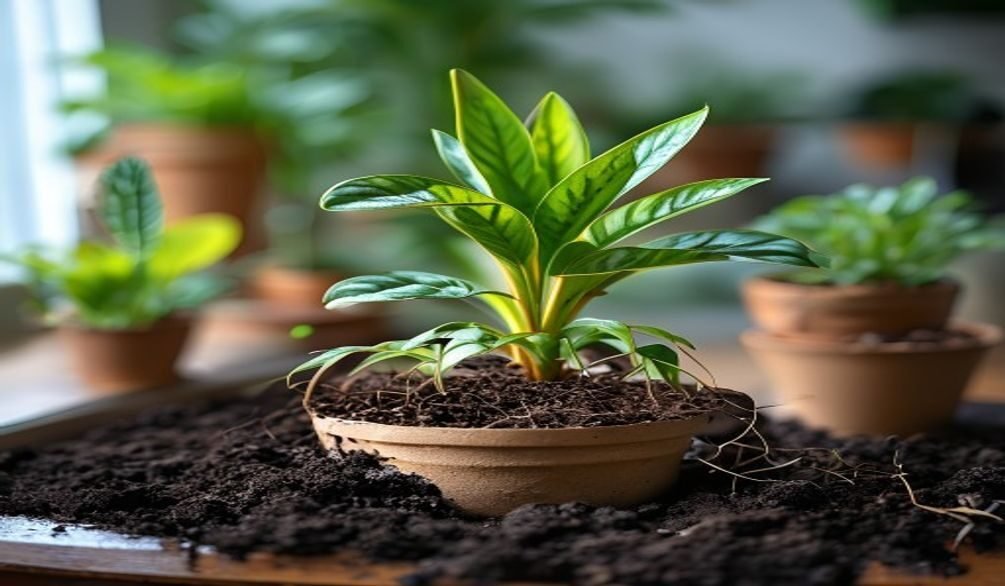
- Terracotta Pots: These porous pots are fantastic for plants prone to overwatering issues. They help wick moisture away from the soil, promoting better aeration plant roots.
- Avoid Rocks at the Bottom: Wisconsin Horticulture advises against putting rocks or gravel at the bottom of the pot, as this can actually inhibit drainage and create a perched water table, making root rot worse.
- Opt for Superior Potting Mix:
- Commercial Mixes: Use a pasteurized commercial potting mix, not garden soil. Garden soils often contain root rot fungi, according to Wisconsin Horticulture (2023).
- Amendments: Incorporate perlite, pumice, or coarse sand to improve drainage and aeration. I often find good quality perlite at local nurseries for ₹80–150 a bag.
You might have heard that adding 50% compost to your container mix is ideal for nutrients. In practice, especially in our humid Indian climate, a 50% compost ratio in containers actually suffocates roots because it holds too much moisture. I’ve found that 20–30% is the sweet spot for most vegetables and indoor plants, allowing for better drainage and air circulation while still providing nutrients. This approach helps to prevent root rot indoor plants more effectively.
Can a plant recover from root rot?
Yes, a plant can definitely recover from root rot if the problem is caught early and treated promptly. The key is to act fast once you notice the houseplant root rot symptoms like wilting, yellowing leaves, or a foul smell from the soil.
Here’s how to treat root rot:
- Unpot the Plant: Carefully remove the plant from its pot. Gently shake off as much of the old soil as possible.
- Inspect the Roots: Healthy roots are firm and white or light tan. Roots affected by root rot will be mushy, brown, or black, and might smell foul.
- Trim Away Damaged Roots: Using clean, sharp scissors or pruners, cut away all the diseased, soft, and dark roots. Don’t be shy; remove anything that looks unhealthy.
- Rinse and Repot: Rinse the remaining healthy roots under lukewarm water. Repot the plant into a fresh, well-draining potting mix in a clean pot (or a thoroughly sterilized old one).
- Consider Fungicides or Supplements:
- A diluted solution of hydrogen peroxide (one tablespoon of 3% hydrogen peroxide per cup of water) can be used to water plants after repotting to help kill fungi and bacteria and restore oxygen to roots.
- Products like Houseplant Resource Center Root Supplement use phosphite to fortify plants against harmful soil-borne agents like Pythium and Phytophthora, promoting healthier root systems. Revitalize by Bonide also helps stimulate the plant’s natural immune response.
- Cinnamon powder has natural antifungal properties; you can dust it over affected roots before repotting.
After treatment, water sparingly until the plant shows signs of new growth. Remember, prevention is always better than cure, so focus on strategies to prevent root rot indoor plants going forward.
Choosing the right potting mix for prevention
Choosing the right potting mix is fundamental to preventing root rot, as it directly impacts drainage and aeration for your plant’s roots. A good mix will allow water to flow through freely while retaining just enough moisture for the plant, without becoming waterlogged.
Here’s what to look for and what to avoid:
| Component | Why it helps prevent root rot | Notes for Indian gardeners |
|---|---|---|
| Coco Peat (Cocogreen) | Provides good moisture retention while remaining light when mixed. | Widely available at local nurseries and online on Ugaoo. Ensure it’s not too fine. |
| Perlite or Pumice | Creates air pockets, significantly improving drainage and aeration. | Crucial for heavy soils. Mix 10-20% into your potting blend. |
| Coarse Sand | Adds weight and improves drainage, especially for succulents. | Use river sand, not beach sand. Available at hardware stores. |
| Compost (Vermicompost) | Provides nutrients but can hold too much moisture if overused. | Aim for 20-30% of the total mix, not 50% in humid climates. |
| Garden Soil | Heavy, compacts easily, and often contains pathogens. | Avoid entirely for indoor plants. It’s a major cause of fungal root rot. |
I always recommend starting with a good quality commercial potting mix and then amending it. For example, for my money plants or even a small dhania pot, I’ll use a standard mix but always add an extra handful of perlite. This small step goes a long way to prevent root rot indoor plants, especially during the monsoon when the air is already saturated.
Essential tools for root rot prevention
Having the right tools can make a significant difference in your ability to prevent root rot indoor plants, turning guesswork into informed care. These aren’t just gadgets; they’re investments in your plant’s health.
- Moisture Meter: These inexpensive tools (available for ₹200–500 online or at larger nurseries) accurately measure soil moisture levels, taking the guesswork out of watering. Stick it into the soil, and it’ll tell you if it’s wet, moist, or dry.
- Pots with Drainage Holes: This is a non-negotiable “tool.” If you have beautiful decorative pots without holes, use them as cachepots and keep your plant in a standard nursery pot inside. This allows you to remove the inner pot for proper drainage after watering.
- Sharp, Sterilized Pruning Shears: Essential for trimming away affected roots if root rot does occur. Always clean them with rubbing alcohol before and after use to prevent spreading diseases.
- Perlite or Pumice: While an amendment, I consider these essential tools for creating a well-draining environment. They’re readily available and make a huge difference in soil aeration.
Using these tools consistently helps you maintain optimal soil moisture and aeration, which are the cornerstones of how to prevent root rot indoor plants effectively.
When to repot and check your plant's roots
Repotting your plants and periodically checking their roots is a crucial preventative measure, giving you a chance to catch potential issues like fungal root rot before they become severe. Generally, most indoor plants need repotting every 1-2 years, or when they become root-bound.
Here’s how to know it’s time to intervene:
- Roots Emerging from Drainage Holes: This is a clear sign your plant has outgrown its current home.
- Stunted Growth: If your plant isn’t growing much, even with proper care, it might be root-bound or struggling with soil issues.
- Water Drains Too Quickly or Not at All: If water rushes straight through or sits on top of the soil, it indicates either an extremely root-bound plant or compacted soil that needs refreshing.
- General Health Check: When you repot, it’s the perfect opportunity to inspect the roots. Look for any discolored, mushy, or foul-smelling roots that might indicate early stages of root rot. Trim them away and repot into fresh soil.
This regular check-up allows you to replace old, compacted soil with a fresh, well-draining potting mix, significantly reducing the chances of root rot. It’s a bit like a health check-up for your plants, ensuring their root systems are robust and healthy.
Frequently asked questions
How do you stop root rot in houseplants?
You stop root rot in houseplants primarily by correcting overwatering habits, ensuring adequate drainage, and using a well-aerated potting mix. Overwatering is the single leading cause of indoor plant death, according to general plant care observations. Always check soil moisture before watering and use pots with drainage holes.
What kills root rot?
What kills root rot is a combination of removing infected roots and creating an environment where the fungi cannot thrive. A diluted hydrogen peroxide solution can help kill fungi and restore oxygen to roots, according to common gardening advice. However, addressing the underlying issue of poor drainage and overwatering is most critical.
What is the best way to prevent root rot?
The best way to prevent root rot is by implementing consistent proper watering techniques, using pots with ample drainage, and selecting a highly porous, well-draining potting mix. Dual-sensor probes have been shown to reduce root rot by up to 68%, offering precise moisture control. These practices ensure roots receive enough oxygen and don’t sit in soggy soil.
Can a plant recover from root rot?
Yes, a plant can recover from root rot if the damage isn’t too extensive and you act quickly. This involves unpotting the plant, trimming away all diseased roots, and repotting in fresh, well-draining soil in a clean pot. Early intervention significantly increases the chances of recovery.
What are common houseplant root rot symptoms?
Common houseplant root rot symptoms include yellowing or wilting leaves, stunted growth, a general droopy appearance, and a soft, mushy stem base. Often, the soil will smell foul or stagnant, indicating anaerobic conditions. These symptoms mimic underwatering, making careful observation of soil moisture crucial.
Learning to prevent root rot indoor plants is truly a game-changer for any home gardener. It boils down to a few key practices: smart watering, excellent drainage, and the right potting mix. By paying close attention to your plant’s needs and being proactive, you’ll ensure your green companions thrive, not just survive. So go ahead, give your plants the best chance at a healthy life, and watch them flourish!