Are your garden plants struggling, looking a bit yellow, or just not thriving the way you expect? You might be overlooking a crucial factor: understanding soil pH for beginners is often the missing piece for a healthy, vibrant garden. This simple guide will demystify soil pH, explain why it’s so vital, and show you exactly how to test and adjust your garden’s foundation for optimal plant growth.
What is Soil pH in Simple Terms for Gardeners?
Think of soil pH as your soil’s personal balance beam, measuring how acidic or alkaline it is. This balance is expressed on a scale from 0 to 14, where 7 is perfectly neutral. Values below 7 indicate acidic soil, while values above 7 mean your soil is alkaline.
Most garden soils typically fall somewhere between 3.5 and 10 on this scale. What’s truly fascinating is that a change of just one pH unit represents a tenfold difference in acidity or alkalinity; for instance, soil at pH 5 is ten times more acidic than soil at pH 6. Understanding this fundamental concept is the first step towards better plant health.
Why is Soil pH Important for Plant Health?
Soil pH is arguably the most critical factor influencing plant health because it directly controls how well your plants can access the food they need. As the University of New Hampshire Extension states, “Soil pH is a key factor in determining plant health because it directly affects nutrient availability.”
Here’s the thing: essential nutrients like nitrogen, phosphorus, potassium, calcium, and iron are all present in your soil, but their solubility—and therefore their availability to plant roots—changes dramatically with pH. If the pH is off, even a nutrient-rich soil can effectively starve your plants.
The Link Between pH and Nutrient Availability
Imagine your plant roots as tiny straws trying to drink from the soil. The pH level determines whether the nutrients are dissolved enough to be sucked up. This concept of nutrient availability is central to successful gardening.
- Acidic Soils (pH < 6): In overly acidic conditions, crucial nutrients like calcium, magnesium, and phosphorus become less soluble and thus harder for plants to absorb. At the same time, elements like aluminum and manganese can become excessively available, reaching toxic levels that harm plant growth.
- Alkaline Soils (pH > 7.5): Conversely, when soil is too alkaline, micronutrients such as iron, zinc, and manganese tend to bind up and become less soluble. This often leads to nutrient deficiencies, even if these elements are technically present in the soil.
Getting the pH right ensures your plants can efficiently absorb a balanced diet, leading to stronger growth, healthier foliage, and more abundant blooms or harvests. It’s a foundational element of good plant care.
What is the Ideal Soil pH for Most Garden Plants?
While some plants have very specific preferences, the optimal pH range for the vast majority of garden plants falls between 5.5 and 7.5. However, many common vegetables, fruits, and turf grasses truly thrive in a slightly more acidic to neutral range, specifically from 6.0 to 6.8.
According to WVU Extension Agent Emily Morrow, “Most gardens thrive at a pH between 6.0 to 6.8, because at this level other key elements are made available for plants to uptake in the right doses.” This sweet spot ensures a broad spectrum of nutrients are readily accessible, supporting robust growth and preventing deficiencies.
Understanding the Soil pH Chart
A soil pH chart helps visualize which plants prefer what conditions. While the 6.0-6.8 range is common, some plants are outliers:
- Acid-Loving Plants (pH 4.5-6.0): If you’re growing plants like blueberries (see our guide on growing blueberries), azaleas, rhododendrons, camellias, or hydrangeas (learn how to grow beautiful hydrangeas), you’ll need a more acidic environment. These plants have evolved to thrive where other nutrients might be less available but the specific ones they need are plentiful.
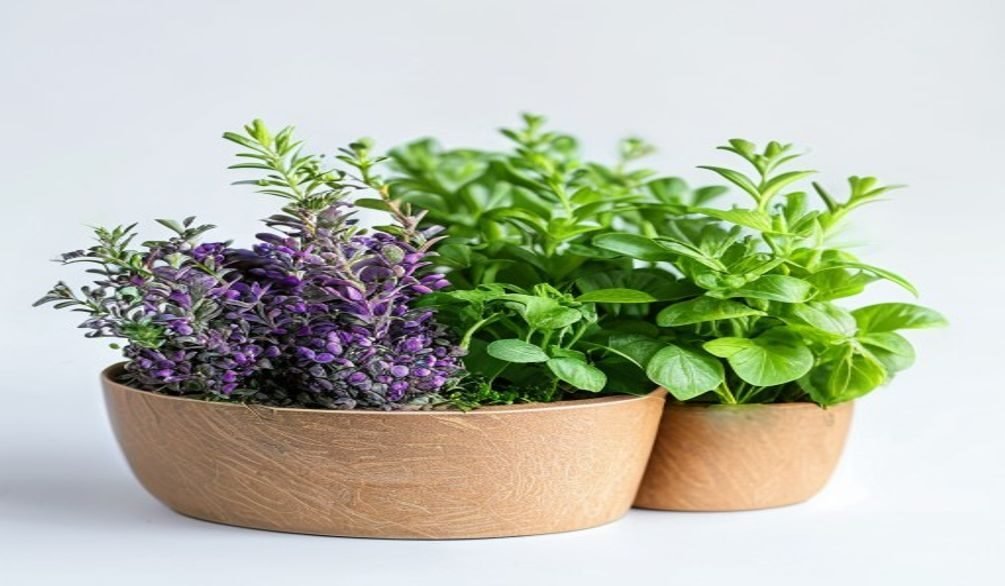
- Alkaline-Tolerant/Loving Plants (pH 7.0-8.0+): Many herbs like lavender, rosemary, and thyme, along with vegetables such as broccoli and kale, prefer or at least tolerate slightly alkaline conditions. These plants often perform poorly in acidic soils where they can’t access essential micronutrients.
Knowing your plant’s specific needs, like the best soil pH for tomatoes (typically 6.0-6.8), is key to success. Don’t guess; test!
How Do You Test Soil pH for Beginners?
Testing your soil’s pH is a straightforward process, and it’s the most important step in understanding your garden’s foundation. You can’t fix what you don’t measure! For beginners, there are several accessible options, far simpler than sending samples to a professional lab (though that’s an option for advanced gardeners).
Choosing a Soil Testing Kit
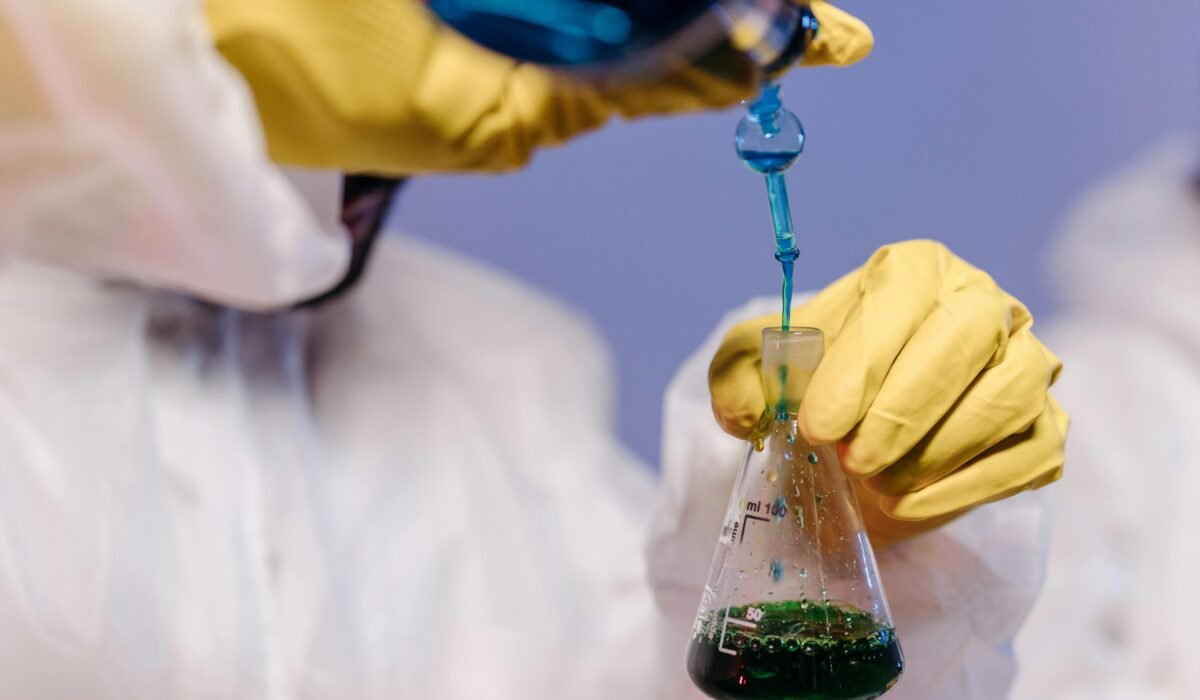
The easiest way to test your soil pH for beginners is with a home soil testing kit. These kits vary in complexity and accuracy, but all provide a good starting point.
- pH Test Strips/Liquid Kits: These are very affordable and involve mixing a soil sample with distilled water, then adding a reagent or dipping a strip. The color change indicates the pH level. Brands like Garden Tutor Soil pH Test Kit Strips are popular for their simplicity.
- Digital Soil pH Meters: A soil pH meter for garden use, like the Sonkir Soil pH Meter MS02, offers a quick digital readout. You simply insert the probe into moist soil. While convenient, some cheaper models can be less accurate than liquid kits or lab tests.
- Combination Kits: Some kits, such as the Luster Leaf RapiTest 1605, test for multiple factors (N-P-K and pH), offering a more comprehensive overview of your soil health.
Always follow the specific instructions included with your chosen kit carefully for the most accurate results. Most importantly, take several samples from different areas of your garden, especially if you have varying plant types or conditions.
Step-by-Step Guide for Home Soil pH Testing
Regardless of the kit you choose, the general process for collecting samples and testing is similar:
- Collect Samples: Using a clean trowel, take small soil samples from 5-10 different spots across the area you want to test. Dig down about 4-6 inches for garden beds. Avoid areas near foundations or compost piles, as these can skew results.
- Prepare Sample: Mix all your collected soil thoroughly in a clean bucket. Remove any rocks, roots, or debris. Let the soil air dry if it’s very wet.
- Perform Test: Follow your kit’s instructions precisely. For liquid kits, this usually means mixing a small amount of soil with distilled water, letting it settle, and then adding a color-changing capsule or liquid. For digital meters, ensure the probe is clean and inserted deeply into moist soil.
- Read Results: Compare the color change to the provided soil pH chart or read the digital display. Note down your results. If you took multiple samples, average them or note significant variations.
Testing your soil every 2-3 years, or whenever you notice plant problems, is a smart habit for any gardener.
Soil pH Too High or Too Low? Common Plant Problems & Symptoms
One of the biggest “aha!” moments for beginner gardeners comes when they realize their plants’ struggles aren’t always about watering or pests, but about invisible soil chemistry. When your soil pH is either too high or too low, your plants will display clear signs of distress, often mimicking nutrient deficiencies.
This is where our “pH Troubleshooting Guide” comes in handy. By recognizing these symptoms, you can quickly identify a potential pH imbalance and take corrective action.
Symptoms of Acidic Soil (pH Too Low)
If your soil is too acidic, plants often struggle to absorb calcium, magnesium, and phosphorus, leading to specific visible problems. You might notice:
- Stunted Growth: Overall poor growth, smaller leaves, and a general lack of vigor.
- Yellowing of Older Leaves (Chlorosis): Especially between the veins, indicating magnesium deficiency.
- Purple Tints on Leaves: Often a sign of phosphorus deficiency, particularly noticeable on the undersides of leaves or stems.
- Poor Flowering or Fruiting: Plants may produce fewer flowers or fruits, or they may drop prematurely.
- Increased Susceptibility to Disease: Weakened plants are more vulnerable to pathogens.
For example, if you’re trying to grow vegetables that prefer a neutral pH but your soil is very acidic, you might see these issues even if you’re fertilizing regularly. The nutrients are there, but the plants can’t access them.
Symptoms of Alkaline Soil (pH Too High)
Conversely, if your soil is too alkaline, micronutrients like iron, zinc, and manganese become tied up. The most common symptom is:
- Interveinal Chlorosis (Yellowing) of New Leaves: The veins remain green, but the tissue between them turns yellow, especially on younger leaves. This is a classic sign of iron deficiency, which is very common in alkaline soils.
- Overall Pale Green or Yellow Foliage: A general lack of vibrant green color.
- Stunted Growth: Similar to acidic soil, but for different reasons, plants will show reduced growth.
- Marginal Leaf Burn: Edges of leaves may turn brown and crispy.
If you have an acidic soil plants list and they’re showing these symptoms, it’s a strong indicator your soil is too alkaline for their needs. Always connect the visible problem back to your soil test results.
How to Adjust Soil pH: Raising & Lowering for Optimal Growth
Once you know your soil pH, you can take action to bring it into the ideal range for your plants. Adjusting pH isn’t an instant fix; it takes time and often requires repeated applications, especially for significant changes. The goal is gradual, consistent change for long-term plant health.
How to Raise Soil pH (Make More Alkaline)
If your soil is too acidic, you’ll want to raise its pH. The most common and effective method is applying lime.
- Garden Lime: This is the go-to soil amendment for raising pH. It’s typically made from ground limestone (calcium carbonate) or dolomitic lime (which also contains magnesium). Apply according to package directions, as the amount needed depends on your current pH, desired pH, and soil type. Dolomitic lime is particularly beneficial if your soil also lacks magnesium.
- Wood Ashes: If you have a fireplace, wood ashes can provide a quick, though less lasting, increase in pH due to their potassium and calcium content. Use sparingly and ensure they are from untreated wood.
- Baking Soda: For very small, localized adjustments (e.g., a single potted plant), a baking soda solution can offer a temporary boost. However, it’s not practical or sustainable for garden beds.
Spread lime evenly over the soil surface, then gently work it into the top few inches. Water thoroughly afterward to help it begin dissolving. Remember, lime takes time to react with the soil, often several months, so retest your soil pH after 3-6 months.
How to Lower Soil pH (Make More Acidic)
If your soil is too alkaline, you’ll need to lower its pH. This is often necessary for acid-loving plants like blueberries and hydrangeas.
- Elemental Sulfur: This is one of the most effective and lasting ways to lower pH. Soil microbes convert the sulfur into sulfuric acid, which gradually reduces the pH. It works slowly, typically taking several months, but provides a stable adjustment. Apply according to package directions based on your soil type and desired pH change.
- Aluminum Sulfate: This acts much faster than elemental sulfur but can be overused and potentially lead to aluminum toxicity if not applied carefully. It’s often used for quick changes, such as altering hydrangea flower color to blue.
- Acidifying Fertilizers: Fertilizers containing ammonium sulfate or urea can also contribute to lowering pH over time, especially when used consistently.
- Organic Matter: Adding large quantities of organic materials like peat moss, pine needles, or oak leaves can help acidify soil naturally over time. While slower, this also improves soil structure and fertility. This is often part of how to adjust soil pH naturally.
Similar to lime, spread sulfur or other amendments evenly and incorporate them into the soil. Retest after a few months to gauge the effectiveness of your application.
Maintaining Healthy Soil pH Long-Term: Tips for Beginners
Adjusting soil pH isn’t a one-time task; it’s an ongoing commitment to your garden’s health. Soil pH can naturally fluctuate due to rainfall, irrigation water, the type of fertilizers you use, and even the decomposition of organic matter. Understanding these dynamics is key to maintaining healthy soil pH long-term.
Regular Retesting is Crucial
The best way to maintain optimal pH is through consistent monitoring. Plan to retest your soil pH every 1-3 years, or whenever you notice your plants showing signs of stress. This proactive approach allows you to make minor adjustments before problems become severe. What most people miss is that regional geology, like limestone bedrock, or heavy rainfall can naturally push your soil’s pH in one direction, requiring more frequent monitoring and adjustment.
Incorporate Organic Matter Regularly
Adding compost, well-rotted manure, or other forms of organic soil amendments is one of the best things you can do for your soil. Organic matter acts as a buffer, helping to stabilize pH and making it less prone to drastic swings. It also slowly releases nutrients and improves soil structure, benefiting plants regardless of pH.
Mulch with Purpose
Your choice of mulch can also subtly influence soil pH over time. For acid-loving plants, consider using pine bark, pine needles, or oak leaves, which will gradually contribute to soil acidity as they decompose. For plants that prefer neutral to alkaline conditions, mulches like shredded hardwood or straw are more appropriate.
Consider Your Water Source
The pH of your irrigation water can have an impact, especially in containers or raised beds. If your tap water is consistently very acidic or very alkaline, it will slowly alter your soil pH over time. While difficult to change for an entire garden, it’s a factor to be aware of, particularly if you’re struggling to maintain a specific pH.
Frequently Asked Questions
What is pH in simple terms for gardening?
In simple terms for gardening, pH is a measure of how acidic or alkaline your soil is, using a scale from 0 (very acidic) to 14 (very alkaline), with 7 being neutral. This measurement directly affects how well your plants can absorb essential nutrients from the soil.
What is the ideal pH for most garden plants?
The ideal pH for most garden plants generally falls between 5.5 and 7.5, with many common vegetables and fruits preferring a slightly acidic to neutral range of 6.0 to 6.8. This range ensures optimal nutrient availability for healthy growth.
How do you fix soil pH naturally?
To fix soil pH naturally, you can incorporate organic matter like compost, peat moss (to lower pH), or wood ashes (to raise pH). For more significant and lasting changes, elemental sulfur can lower pH gradually, while garden lime can raise it effectively over time.
What happens if soil pH is too high?
If soil pH is too high (alkaline), essential micronutrients like iron, zinc, and manganese become less soluble and unavailable to plants. This often leads to symptoms like yellowing of new leaves with green veins (iron chlorosis) and stunted growth, even if these nutrients are present in the soil.
By taking the time to understand and manage your soil’s pH, you’re investing in the fundamental health of your garden. Start by testing your soil today, then make informed adjustments using the right amendments. Your plants will thank you with lush foliage, abundant blooms, and a bountiful harvest, transforming your gardening experience from guesswork to confident success.