Key Takeaways
- Fresh vegetable prices increased by 11.5% from April 2025 to April 2026, according to USDA ERS data (2026).
- 71% of Americans planned to grow a food garden in 2025, showing widespread interest in home gardening.
- Tomatoes are the most popular homegrown vegetable, appearing in 86% of food gardens.
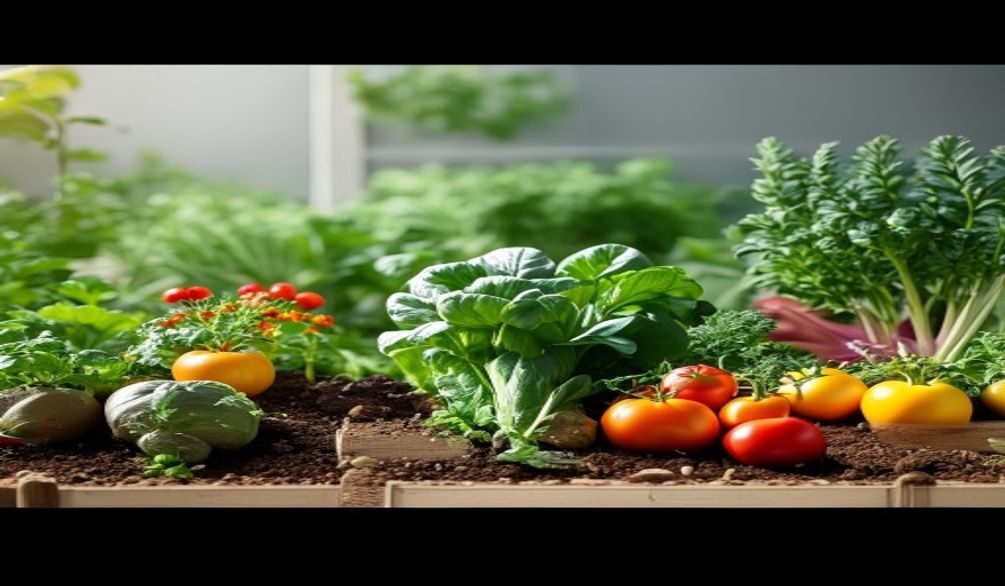
- A 4×8-foot raised bed provides 32 square feet of growing space, ideal for beginners, as highlighted by The Old Farmer’s Almanac.
- Fiskars Ergo D-Handle Square Garden Spade reduces wrist strain by up to 40%, according to Fiskars (2026).
Most Mumbai balcony gardeners lose their tomato plants every May, not from pests, but from the intense 40°C+ heat before the monsoon arrives. It’s a common struggle, but you can absolutely start a vegetable garden for beginners and succeed, even with India’s challenging climate. This guide will walk you through 10 simple steps to get your own fresh produce growing, no matter where you are.
Quick Answer: To start a vegetable garden, choose a sunny spot, begin with a small plot or raised bed, improve your soil with compost, select easy-to-grow vegetables, plant at the right time, and ensure consistent watering and weeding.
Why start a vegetable garden?
Starting a vegetable garden offers a ton of benefits, from saving money to enjoying fresher, healthier food. Fresh vegetable prices were up 11.5% from April 2025 to April 2026, according to USDA ERS data (2026), making home gardening a smart financial move.
Beyond the cost savings, there’s a real joy in eating something you’ve grown yourself. You’ll know exactly what went into your food – no mystery chemicals or long transport times. Plus, gardening is incredibly therapeutic; it’s a great way to de-stress and connect with nature, even in a busy city. It’s truly rewarding to watch tiny seeds sprout and turn into a bounty for your kitchen.
What are the first steps to starting a vegetable garden?
The very first steps to successfully start a vegetable garden for beginners involve planning and starting small. You really don’t need a huge plot to begin; a small space can yield a surprising amount of food.
71% of Americans reported plans to grow a food garden in 2025, showing just how popular this hobby has become. Don’t feel overwhelmed by grand visions of a sprawling farm. Instead, focus on these manageable initial steps:
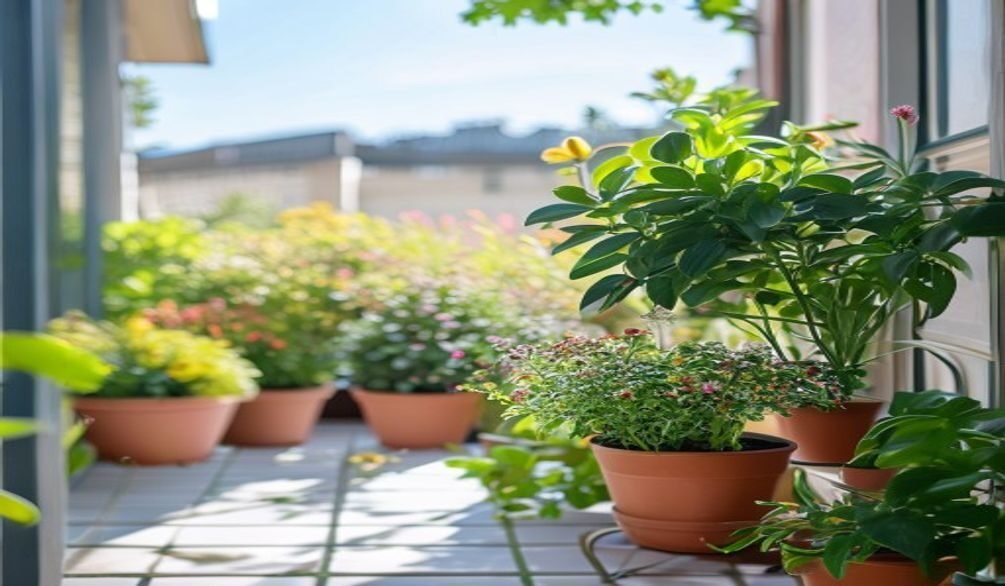
- Assess your space and sunlight: Look around your home – balcony, terrace, backyard, or even a sunny windowsill. Most vegetables need at least 6-8 hours of direct sunlight daily.
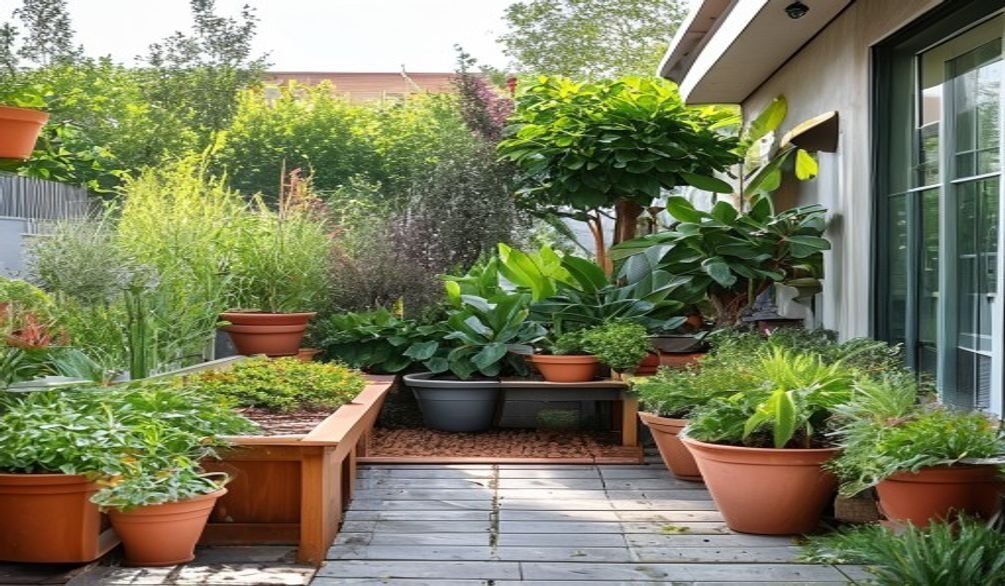
- Decide on your garden type: Will it be in-ground, raised beds, or containers? Raised beds are fantastic for beginners, especially in India, because they offer better drainage and soil control. My personal experience with terrace gardens in Pune has shown that raised beds are a game-changer for monsoon months.
- Choose what to grow: Start with vegetables you love to eat and that are known to be easy growers. We’ll dive into specific recommendations soon, but think about what you’d actually use from your garden.
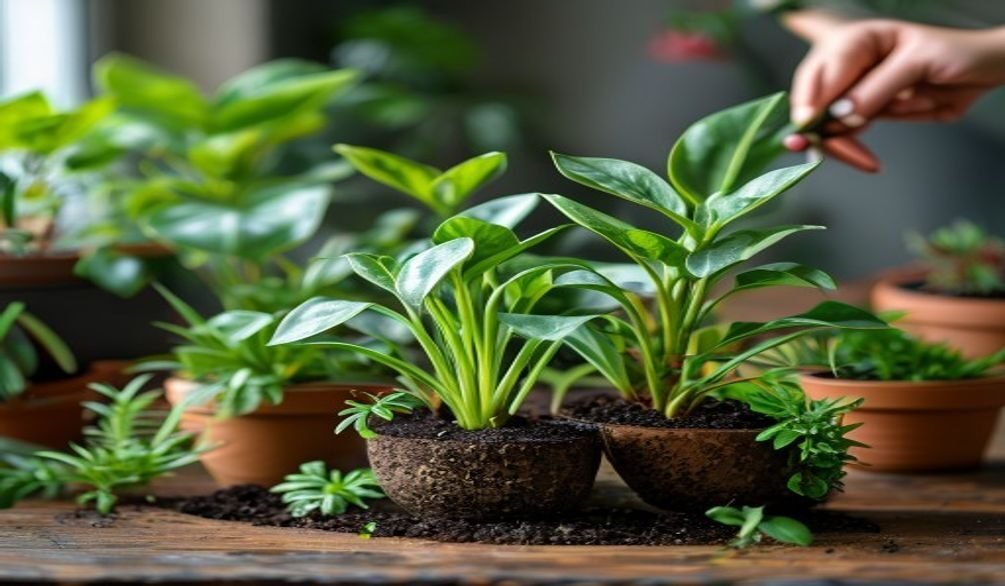
- Gather your basic supplies: You’ll need some good quality potting mix, seeds or seedlings, and a few essential tools. Don’t overbuy; you can always add more later.
These initial choices set the foundation. A small vegetable garden layout, maybe a couple of pots or a single raised bed, is perfect for your first time vegetable garden. It helps build confidence without the overwhelm.
How do i choose the best location for my beginner garden?
Choosing the best location for your beginner garden boils down to one critical factor: sunlight. Most vegetables are sun-worshippers, needing a minimum of 6-8 hours of direct sun each day.
Walk around your space throughout the day and observe where the sun hits. Is there a spot on your balcony that gets morning sun but is shaded from the harsh afternoon sun in Delhi? Or a terrace corner in Bangalore that gets full sun all day? That’s your sweet spot. The Old Farmer’s Almanac highlights that a 4×8-foot raised bed is an ideal beginner size, providing 32 square feet of growing space that can fit surprisingly well in a sunny corner.
Consider proximity to a water source too. Dragging a hose or watering can across a huge distance gets old fast, trust me. Also, think about wind protection – strong winds can damage delicate seedlings. If you’re using a balcony, a railing or a higher wall can offer some natural protection. And remember, for container plants on covered balconies, you’ll still need to water them during monsoon, as the roof blocks the rain. I once lost a pudina plant during July because I assumed the monsoon rains were enough, but the soil under the balcony roof was bone dry.
What vegetables are easiest to grow for beginners?
When you start a vegetable garden for beginners, picking the right plants makes all the difference for your success and confidence. Tomatoes remain the most popular homegrown vegetable, found in 86% of food gardens.
But beyond tomatoes, there are plenty of other easy vegetables to grow. I always recommend starting with these hardy varieties:
- Leafy Greens: Palak (spinach), methi (fenugreek), and leaf lettuce are incredibly forgiving. They grow quickly, often allowing for multiple harvests. Plant some Loose-leaf lettuce and you’ll be snipping leaves in just a few weeks.
- Radishes: These are the speed demons of the garden! You can go from seed to harvest in less than a month. They’re perfect for impatient gardeners.
- Bush Beans: Unlike pole beans, bush beans don’t need elaborate trellises. Varieties like ‘Contender’ are prolific and easy to manage.
- Green Onions/Spring Onions: You can even regrow these from kitchen scraps! They require minimal effort and are a staple in Indian cooking.
- Cherry Tomatoes: While larger tomatoes can be tricky, cherry varieties like Pusa Ruby or Roma are often more resilient and productive, especially in containers.
- Bhindi (Okra): This Indian favorite thrives in warm weather and is relatively pest-resistant.
Avoid anything too finicky or slow-growing for your first attempt. The goal is to get some wins under your belt, so you feel encouraged to keep going with your small vegetable garden. These choices will help you start a vegetable garden for beginners without much fuss.
How do i prepare soil for a new vegetable garden?
Preparing soil for a new vegetable garden is arguably the most crucial step for long-term success. Good soil is the foundation of a healthy garden, and it’s where most beginners can make or break their efforts. For more detailed guidance, check out our guide on prep soil vegetable garden.
Your soil needs to be well-draining, rich in organic matter, and have a balanced pH. Most Indian soils can be quite heavy or sandy, so amending them is key. Here’s how to do it right:
- Start with a good base: If you’re using containers or raised beds, invest in a high-quality potting mix. Don’t just scoop garden soil into a pot; it compacts easily and lacks the drainage container plants need.
- Add compost: This is your garden’s best friend. Compost improves soil structure, drainage, and fertility. Aim for a mix of about 30-50% compost with your existing soil or potting mix. You can buy compost from local nurseries or online on platforms like Ugaoo.
- Consider cocopeat: Especially for balcony gardens in humid cities like Mumbai, cocopeat (from brands like Cocogreen) helps retain moisture without making the soil waterlogged. It also lightens heavy soil. A 1:1:1 ratio of garden soil, compost, and cocopeat works wonders for most container vegetables.
- Avoid direct vermicompost for seedlings: You might hear about vermicompost, and it’s excellent for established plants. But I once mixed vermicompost directly into a seed-starting tray at a 30% ratio. Every seedling burned within five days because the nutrients were far too concentrated for their delicate roots. Use it for feeding growing plants, not for germination.
The truth is, investing time in soil preparation now will save you countless headaches later. Healthy soil helps you start a vegetable garden for beginners that truly thrives.
<h2 id="what-tools-do-i-need-for a beginner vegetable garden?
You don’t need a shed full of expensive gadgets to start a vegetable garden for beginners. a few key tools will get you far, and you can always add more as your garden grows. think simple and functional.
for instance, the fiskars ergo d-handle square garden spade is a top choice for 2026, known for its ergonomic design that can reduce wrist strain by up to 40%, according to fiskars (2026). this kind of thoughtful design makes a real difference when you’re working in the garden.
here’s a breakdown of the essentials:
tool
why you need it
estimated price range (₹)
hand trowel
for digging small holes, transplanting seedlings, mixing soil.
₹150-₹300
hand cultivator/fork
breaking up clumps of soil, weeding, aerating.
₹100-₹250
pruning shears
trimming plants, harvesting vegetables, deadheading. felco f-2 is professional standard.
₹200-₹800 (basic), ₹2000+ (pro)
watering can or hose with sprayer
consistent and gentle watering is key.
₹300-₹1000
gardening gloves
protect your hands from thorns, dirt, and blisters.
₹100-₹400
small spade/shovel
for mixing larger batches of soil or filling raised beds.
₹400-₹1000
for container gardening, you might also consider a good quality plastic or terracotta pot. i genuinely believe terracotta pots outperform plastic for most indian balcony plants. yes, they dry faster and cost more (often ₹80-₹150 for a medium size), but that breathability is crucial. it prevents root rot, which is the number one killer of container plants in india’s humid monsoon months. it’s an investment that pays off.
how do i maintain my vegetable garden?
Maintaining your vegetable garden involves consistent care, but it doesn’t have to be a daily chore. The key is regular observation and proactive action. Bruce Spangenberg from PBS Wisconsin’s Garden & Green Living Expo emphasizes, “Hydration is a key thing all summer. There is a balance between providing enough water and providing too much water.”
This balance is especially important in India’s varied climates. Here are the core maintenance tasks:
- Watering: This is probably the most frequent task. Check your soil daily by sticking a finger an inch or two deep. If it feels dry, it’s time to water. In Indian summers, especially in places like Chennai, you might need to water every day, sometimes twice. During monsoon, reduce frequency but don’t stop entirely, especially for covered balcony plants.
- Weeding: Weeds compete with your vegetables for nutrients and water. Pull them out when they’re small – it’s much easier. Mulching, as Spangenberg also recommends, can significantly reduce weed growth and conserve soil moisture. Use dry leaves, cocopeat, or wood chips.
- Pest and Disease Management: Keep an eye out for any unusual spots on leaves or tiny insects. Early detection is crucial. For organic pest control garden solutions, a neem oil spray can work wonders against common pests like aphids.
- Fertilizing: Once your plants start growing and producing, they’ll need more nutrients. A balanced liquid organic fertilizer or a top-dressing of vermicompost every 2-4 weeks can boost growth. Remember, use vermicompost for established plants, not seedlings.
- Pruning and Harvesting: Remove any yellowing or dead leaves. Harvest vegetables regularly to encourage more production. For example, picking bhindi often keeps the plant producing more pods.
Consistent, thoughtful care helps your plants thrive. Learning how to maintain your garden is a huge step to successfully start a vegetable garden for beginners.
Troubleshooting common beginner garden problems
Even the most experienced gardeners face issues, so don’t get discouraged when problems pop up. You’re not alone in finding this hard; most people feel exactly this way. The trick is to identify the problem and act quickly. Knowing how to fix common plant problems is essential for anyone looking to start a vegetable garden for beginners.
Here are some common snags and their solutions:
- Yellowing Leaves: This is a classic symptom with multiple causes. It could be overwatering (most common for beginners, especially in containers), underwatering, or nutrient deficiency. Check soil moisture first. If it’s soggy, let it dry out. If it’s bone dry, water deeply. If neither, consider a balanced liquid fertilizer.
- Wilting Plants: Often, this points to extreme thirst or root rot. Again, check soil moisture. If it’s hot, the plant might just be stressed from the heat and will perk up after a good evening watering. But if the soil is constantly wet and the plant is wilting, it’s likely root rot – ensure better drainage.
- Holes in Leaves: Pests are usually the culprits here. Small holes might be caterpillars (look for tiny green worms on the underside of leaves). Chewed edges could be slugs or snails. Inspect your plants closely, especially under leaves. For organic pest control garden solutions, try hand-picking pests or spraying with neem oil.
- No Flowers/Fruit: This can be frustrating. Ensure your plants are getting enough sunlight (8+ hours for fruiting plants like tomatoes). Also, check for proper pollination – sometimes, especially indoors, you might need to gently shake plants to help pollen transfer.
- Seedlings Not Sprouting: This usually comes down to old seeds, incorrect planting depth, or improper soil temperature. Always check seed packet instructions for optimal depth and temperature.
Remember, a garden is a grand teacher. It teaches patience and careful watchfulness, as Gertrude Jekyll wisely noted. Every problem is a learning opportunity to help your small vegetable garden flourish.
Frequently asked questions
What are the 7 steps to starting a garden?
To start a garden, the seven key steps are: choosing a sunny location, selecting a garden type (in-ground, raised bed, or container), preparing your soil, choosing easy-to-grow vegetables, planting at the right time, ensuring consistent watering, and managing weeds and pests. Following these steps helps you to start a vegetable garden for beginners successfully.
How do i start a small vegetable garden for beginners?
To start a small vegetable garden for beginners, begin by selecting a compact, sunny spot like a balcony or a 4×8-foot raised bed, which provides 32 square feet of growing space, according to The Old Farmer’s Almanac. Focus on 3-5 easy-to-grow vegetables such as leaf lettuce, radishes, or bush beans, and ensure your soil is enriched with compost. Starting small reduces overwhelm and increases your chances of success.
What month should i start a vegetable garden?
The best month to start a vegetable garden largely depends on your local climate and the specific vegetables you want to grow. In many parts of India, the post-monsoon period (September-October) is ideal for winter vegetables, while pre-monsoon (March-May) is good for heat-loving plants. Always check seed packets for optimal planting times specific to your region’s last frost date or monsoon patterns.
What vegetables are easiest to grow for beginners?
The easiest vegetables to grow for beginners include leafy greens like palak and leaf lettuce, quick-growing radishes, bush beans, green onions, and cherry tomatoes. These plants are generally forgiving, produce quickly, and don’t require complex care, making them perfect for your first time vegetable garden. Tomatoes are a popular choice, found in 86% of food gardens.
What is the ideal size for a beginner vegetable garden?
The ideal size for a beginner vegetable garden is typically a small, manageable plot or a single raised bed, such as a 4×8-foot raised bed. This size provides enough space for a variety of plants without becoming overwhelming, allowing you to learn the basics of gardening without a huge commitment. It’s much easier to start a vegetable garden for beginners when it’s compact.
Starting a vegetable garden for beginners might seem daunting, but it’s entirely achievable with a little planning and consistent effort. From choosing that perfect sunny spot to watching your first bhindi pod grow, every step is a learning experience. Don’t be afraid to get your hands dirty, observe your plants, and adjust your routine as needed. You’ll soon be enjoying fresh, homegrown produce, and that’s a reward like no other. So, go ahead, pick up those seeds, and start a vegetable garden for beginners today!