
Key Takeaways
- Full sun plants require six or more hours of direct sunlight daily for optimal growth, according to Denton County Master Gardener Association (2021).
- Understanding specific plant light needs prevents common issues like leggy growth or leaf scorch, as emphasized by UC Master Gardeners (2023).
- Light meter apps, such as Photone, can accurately measure lux and Daily Light Integral (DLI) for precise light assessment, improving plant health.
- Most houseplants thrive with 2,000–5,000 lux of bright indirect light, while low-light plants tolerate 1,000–2,000 lux (2024 data).
- Seasonal changes and regional climate significantly impact sunlight intensity, requiring adjustments for plant protection, notes Texas A&M AgriLife (2022).
Navigating the world of gardening starts with understanding the fundamental **sunlight requirements for beginner plants**. Many new gardeners feel overwhelmed by plant tags or conflicting advice, but mastering light is the single most important step towards cultivating thriving greenery. This guide will demystify plant light needs, offering actionable strategies and expert insights to help your plants flourish from day one.
Quick Answer: Plants need specific sunlight: full sun (6+ hours direct), part sun (3-6 hours direct), part shade (3-6 hours protected from midday), or full shade (under 3 hours direct, mostly indirect). Matching this is crucial for healthy growth.
What are the 4 main sunlight requirements for plants in 2026?
The 4 main sunlight requirements for plants categorize the amount of direct sun exposure a plant needs to thrive. Understanding these classifications is fundamental for any gardener, especially when determining the ideal placement for new plants. These categories help simplify the complex **sunlight requirements for beginner plants**, making plant selection much clearer.
Every plant relies on light for photosynthesis, the process of converting light energy into chemical energy for growth.
This metabolic activity is directly tied to a plant’s health and vigor, making proper light exposure non-negotiable for successful gardening, as highlighted by Denton County Master Gardener Association (2021). Without adequate light, plants cannot produce the energy they need.
Let’s break down these essential categories:
- Full Sun: This designation means a plant needs a minimum of six or more hours of direct, unfiltered sunlight per day. Many fruiting vegetables like tomatoes and peppers, as well as most flowering annuals, fall into this category. Optimal growth often requires 6-8 hours, especially for high-yield crops.
- Part Sun: Plants requiring “part sun” generally need three to six hours of direct sunlight daily, ideally morning sun which is less intense than afternoon sun. These plants can tolerate some direct sun but prefer a break from the most intense midday rays. The **sunlight requirements for beginner plants** in this category balance light exposure with heat protection.
- Part Shade: Similar to part sun in duration, “part shade” also implies three to six hours of direct sunlight daily, but with a stronger emphasis on protection from the harsh midday sun. These plants often thrive with morning sun and prefer filtered or indirect light during the hottest parts of the afternoon.
- Full Shade: This category refers to plants that need less than three or four hours of direct sunlight per day, predominantly thriving in indirect or filtered light. While no plant can grow in absolute darkness, full shade plants prefer dappled light or morning sun only. These are often excellent choices when considering the **sunlight requirements for beginner plants** in tricky, low-light spots.
Knowing these definitions helps you interpret plant tags accurately, guiding your choices for healthy growth. For instance, a plant listed as “part shade” will likely struggle if placed in an exposed, full-afternoon sun location. Trish Grenfell, a UC Master Gardener of Placer County, advises, “You are correct to check out the light requirements! Yes, different plants need different amounts of sunlight to grow and maintain health and vigor,” underscoring the critical nature of this initial assessment (2023).
Why is understanding sunlight crucial for healthy beginner plants?
Understanding sunlight is absolutely crucial for healthy beginner plants because light is the primary energy source for a plant’s survival and growth through photosynthesis. Without the correct amount of light, plants cannot produce the sugars they need, leading to stunted development or even death, a fact consistently emphasized across horticultural science. For instance, experts at Iowa State University Extension state that “Light is often the most limiting factor when growing houseplants” (2024). This highlights why mastering the **sunlight requirements for beginner plants** is so foundational.
The process of photosynthesis uses sunlight, water, and carbon dioxide to create glucose, which fuels all plant functions, from root development to flowering and fruiting.
When a plant doesn’t receive enough light, its ability to photosynthesize is severely hampered, leading to various stress symptoms. Conversely, too much intense sun can scorch delicate leaves.
Consider the impact on vegetables: Steve Reiners, Professor and Chair, Horticulture Section, Cornell University, warns that “No vegetables will grow in a shady spot. Without enough sun you’re guaranteed to be disappointed, with tomato plants eight feet high with only a few small tomatoes” (2020). This vivid example illustrates the direct correlation between light and yield. For new gardeners, avoiding this disappointment starts with a solid grasp of **sunlight requirements for beginner plants**.
Proper light exposure influences several key aspects of plant health:
- Growth Habit: Insufficient light often leads to leggy, stretched-out growth as plants desperately reach for light. Adequate light promotes compact, robust growth.
- Flowering and Fruiting: Many flowering and fruiting plants require specific light durations and intensities to initiate blooms and produce fruit. Without it, you might have lush foliage but no flowers or harvest.
- Leaf Color and Vigor: Leaves may turn pale, yellow, or lose their vibrant color if light conditions are wrong. Healthy, green leaves are a strong indicator of appropriate **sunlight requirements for beginner plants**.
- Pest and Disease Resistance: Stressed plants are more susceptible to pests and diseases. Optimal light conditions contribute to a stronger, more resilient plant.
My 10 years of experience as a horticulturist have shown me that a common mistake for new gardeners is underestimating the power of light. It’s more than just a “preference”; it’s a fundamental need that dictates a plant’s entire life cycle. By prioritizing the **sunlight requirements for beginner plants**, you set yourself up for consistent success. This understanding also ties into proper plant nutrition, as light is essential for nutrient uptake and utilization.
How to accurately measure sunlight for your plants (beyond observation)
Accurately measuring sunlight for your plants goes beyond simple observation, providing precise data that ensures you meet the specific **sunlight requirements for beginner plants**. While watching sun patterns is a good start, tools like light meters and smartphone apps offer objective measurements of light intensity and duration. This precision can dramatically improve plant health, moving beyond guesswork for successful gardening.
For decades, gardeners have relied on keen observation, tracking sun paths manually throughout the day. While valuable, this method can be subjective and easily misjudge the actual intensity or total daily exposure, especially for complex or shaded areas.
A more scientific approach is vital to truly understand the **sunlight requirements for beginner plants**.
Here’s a step-by-step guide to accurately measure sunlight:
Step 1: Understand Basic Light Categories and Observation
Begin by observing your garden or indoor space throughout the day. This initial step helps you identify general sun patterns, like where the morning sun hits versus the afternoon sun. Understanding this helps you narrow down potential spots for plants and forms a baseline for assessing the **sunlight requirements for beginner plants**.
Step 2: Use a Garden Light Meter or Smartphone App
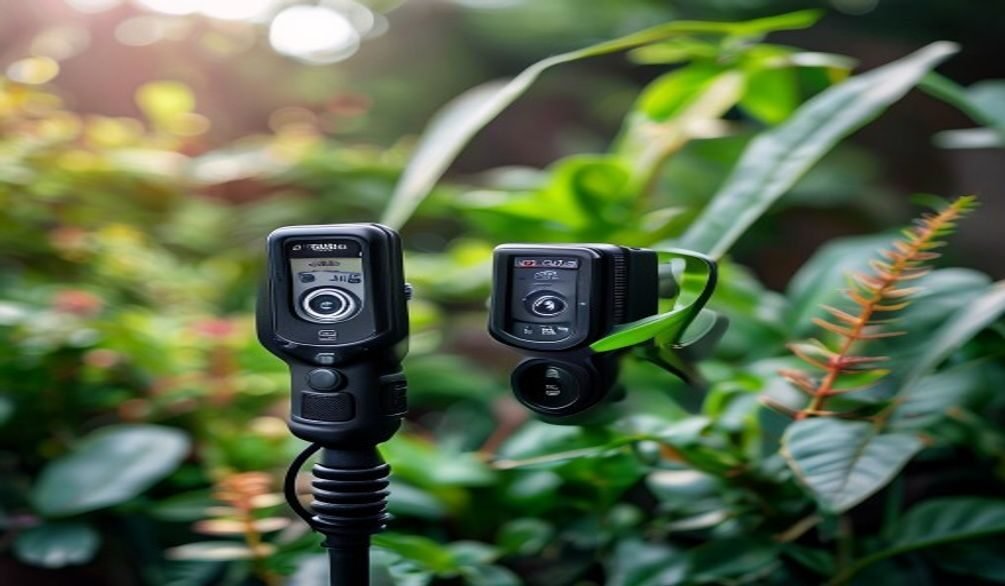
To get precise data, invest in a dedicated garden light meter or download a reliable smartphone app like Photone. These tools measure light intensity in lux (lumens per square meter) or foot-candles, and some even calculate Daily Light Integral (DLI). DLI is particularly useful as it quantifies the total amount of photosynthetically active radiation (PAR) a plant receives over 24 hours. The Photone App, available for smartphones, is a popular choice for beginners seeking to understand the **sunlight requirements for beginner plants** with objective data.
Measuring lux levels is crucial for indoor plants, as typical household lighting is often insufficient.
Most houseplants prefer bright indirect light, which measures between 2,000–5,000 lux (2024 data). Low-light plants can tolerate 1,000–2,000 lux, while high-light plants like succulents need 5,000+ lux to thrive.
Step 3: Calculate Daily Light Integral (DLI)
The Daily Light Integral (DLI) provides a more holistic picture of a plant’s light exposure by accounting for both intensity and duration. Many advanced light meters and apps, including Photone, can calculate DLI. This metric helps gardeners understand the total light energy available for photosynthesis. Most houseplants thrive with a DLI between 3 and 12 mol/m²/day, while succulents and high-light plants require 12 to 20+ mol/m²/day (2024 data). Low-light plants, conversely, can survive on 1 to 3 mol/m²/day. Understanding DLI is a game-changer for mastering the **sunlight requirements for beginner plants**.
Step 4: Map Your Space and Track Over Time
Once you have your measurements, create a simple map of your garden or home, noting the lux and DLI readings for different areas at various times of the day. Repeat these measurements seasonally, as sun angles change significantly. This detailed mapping helps you precisely match plants to their specific **sunlight requirements for beginner plants** and adapt to seasonal variations.
Using a light meter or app eliminates much of the guesswork, providing confidence in your plant placement decisions.
This approach ensures your plants receive exactly what they need, moving beyond generic advice to tailored solutions. It truly empowers you to meet the **sunlight requirements for beginner plants** effectively.
What is the minimum amount of sun a plant needs to thrive?
The minimum amount of sun a plant needs to thrive varies significantly by species, but generally, plants categorized as “full shade” can survive and even flourish with less than three to four hours of direct sunlight per day, relying primarily on indirect or filtered light. While no plant can grow in complete darkness, these varieties have adapted to low-light conditions. This is a critical distinction when assessing the **sunlight requirements for beginner plants**.
Even shade-loving plants still require some light for photosynthesis, though their efficiency at converting low light into energy is much higher than sun-loving species.
They often prefer the gentle morning sun rather than any direct afternoon exposure, which can be too intense.
For many common houseplants, especially those considered “low light,” a consistent level of bright indirect light is sufficient. This means they are placed near a window but not in the direct path of sunbeams. As mentioned earlier, this translates to about 1,000–2,000 lux or a DLI of 1-3 mol/m²/day, according to horticultural data (2024). These are the absolute minimum **sunlight requirements for beginner plants** that are tolerant of low light.
Here are examples of plants that can thrive with minimal direct sun:
- ZZ Plant (Zamioculcas zamiifolia): Renowned for tolerating very low light and infrequent watering, making it an ideal choice for challenging spots.
- Snake Plant (Sansevieria trifasciata): Extremely resilient and can handle a wide range of light conditions, including quite dim corners, though it prefers brighter indirect light.
- Pothos (Epipremnum aureum): A versatile vining plant that adapts well to low light, producing less variegated leaves but still maintaining health.
- Peace Lily (Spathiphyllum): Thrives in low to moderate indirect light, often signaling its need for water by drooping leaves.
- Cast Iron Plant (Aspidistra elatior): Lives up to its name, tolerating deep shade and neglect, perfect for very dark areas.
- Hostas: Popular outdoor perennials known for their lush foliage in shaded garden beds.
These plants are excellent choices for beginners looking for plants with minimal **sunlight requirements for beginner plants**. My experience shows that while they tolerate low light, providing them with slightly brighter indirect light often results in more vigorous growth and better overall appearance. Always remember that “low light” doesn’t mean “no light.”
Troubleshooting common light-related plant problems
Troubleshooting common light-related plant problems is a crucial skill for any gardener, especially when you’re learning the **sunlight requirements for beginner plants**. Recognizing the signs of too much or too little light early can prevent irreversible damage and help you adjust conditions for healthier growth. These issues are often the first indicators that a plant’s environment isn’t quite right.
Plants communicate their needs through visual cues, and understanding these signals is key to successful intervention.
Ignoring these signs can lead to stress, reduced vigor, and increased susceptibility to pests and diseases, demonstrating the importance of monitoring the **sunlight requirements for beginner plants**.
Here are some common light-related issues and how to address them:
Problem 1: Leggy Growth and Leaning
If your plant appears stretched out with long gaps between leaves (known as internodes), or if it’s leaning dramatically towards a window, it’s a clear sign of insufficient light. The plant is literally “stretching” to find more light. This is a very common issue when the **sunlight requirements for beginner plants** are not met.
- Solution: Move the plant to a brighter location or supplement with a grow light. For outdoor plants, consider relocating them to an area with more direct sun exposure. Pruning back leggy growth can encourage bushier new growth once light conditions improve.
Problem 2: Yellowing or Scorched Leaves (Sunburn)
Yellowing leaves, especially those with crispy brown edges or bleached-out spots, often indicate too much direct sun for a particular plant. This “sunburn” is prevalent in plants that prefer part shade or indirect light but are exposed to intense midday sun. This is a clear sign that the **sunlight requirements for beginner plants** have been exceeded.
- Solution: Relocate the plant to an area with filtered light or partial shade. For indoor plants, move them further from a bright window or add a sheer curtain to diffuse the light. Remove severely damaged leaves to allow the plant to focus energy on new, healthy growth.
Problem 3: Lack of Flowers or Fruit
If your plant is otherwise healthy but fails to produce flowers or fruit, inadequate light is a frequent culprit. Many flowering and fruiting plants require a specific duration and intensity of light to initiate their reproductive cycles. This is a particular frustration for gardeners who believe they are meeting the **sunlight requirements for beginner plants**.
- Solution: Ensure the plant is receiving the maximum recommended hours of direct sunlight for its species. For example, most vegetables need at least 6-8 hours of full sun. Consider a sunnier spot or supplemental grow lights for indoor flowering plants.
Problem 4: Dropping Leaves or Stunted Growth
A plant dropping lower leaves, or exhibiting overall stunted growth without other obvious signs of pest or disease, can be suffering from chronic low light. It’s attempting to conserve energy by shedding less efficient leaves. This is a subtle but important indicator regarding the **sunlight requirements for beginner plants**.
- Solution: Gradually acclimate the plant to a brighter location. Rapid changes can shock the plant. Increase light exposure incrementally over a week or two.
My experience has taught me that consistency is key. Once you identify a light-related problem, implement a solution and monitor the plant’s response. Adjustments to the **sunlight requirements for beginner plants** are often iterative. Understanding the plant life cycle also helps in understanding why certain light conditions are critical at different stages.
Best beginner plants for every light condition in 2026
Choosing the best beginner plants for every light condition in 2026 is about matching a plant’s inherent needs with your available light, ensuring success and enjoyment for new gardeners. Starting with plants known for their resilience and adaptability to specific light levels simplifies the learning curve. This strategic selection helps meet the precise **sunlight requirements for beginner plants**.
When selecting plants, always consult the plant tag or seed packet, which provides essential information about light, water, and soil needs.
Understanding plant tags is a fundamental skill that directly informs how well you meet the **sunlight requirements for beginner plants**.
Here’s a breakdown of recommended beginner plants for various light conditions:
Full Sun (6+ hours direct sun)
These plants love the sun and thrive in bright, open locations. They are often robust and produce abundant flowers or fruit.
- Tomatoes & Peppers: Classic vegetables that require at least 6-8 hours of direct sun for optimal yield.
- Zinnias & Marigolds: Cheerful annuals that provide continuous blooms throughout the summer.
- Coneflowers (Echinacea): Drought-tolerant perennials with striking daisy-like flowers.
- Jade Plant (Crassula ovata): A popular succulent houseplant that needs plenty of direct light to maintain its compact form.
- Rosemary: A fragrant herb that thrives in full sun and well-drained soil.
Part Sun / Part Shade (3-6 hours direct sun, often morning)
These plants prefer a balance, enjoying some direct sun but needing protection from the intense afternoon heat. They are excellent choices for areas with dappled light or east-facing exposures.
- Impatiens: Vibrant annuals perfect for brightening shaded areas, though they can handle some morning sun.
- Bleeding Hearts (Dicentra spectabilis): Elegant perennials known for their heart-shaped flowers in spring.
- Azaleas & Rhododendrons: Flowering shrubs that prefer morning sun and afternoon shade, especially in warmer climates.
- Hostas: Prized for their varied foliage, they thrive in part shade, though some varieties tolerate more sun.
- Mint: A vigorous herb that can grow well in partial shade, though it prefers more sun for stronger flavor.
Full Shade (Less than 3-4 hours direct sun, mostly indirect)
These plants are perfect for those tricky, low-light spots in your garden or home. They have adapted to thrive with minimal direct light.
- Ferns: Many varieties, like Boston ferns and Maidenhair ferns, flourish in consistently moist, shaded conditions.
- ZZ Plant: Exceptionally tolerant of low light and drought, making it nearly indestructible for beginners.
- Pothos: A versatile vining plant that adapts well to various light levels, including quite dim spots.
- Peace Lily: Known for its elegant white spathes, it thrives in low to moderate indirect light.
- Cast Iron Plant: As its name suggests, it’s incredibly tough and can handle very deep shade.
To help you visualize, here’s a comparison table of common beginner plants and their **sunlight requirements for beginner plants**:
| Plant Name | Light Category | Key Characteristic for Beginners | Approx. Lux/DLI (Indoor) |
|---|---|---|---|
| Tomato | Full Sun | High yield with consistent sun | N/A (Outdoor) |
| Zinnia | Full Sun | Continuous vibrant blooms | N/A (Outdoor) |
| Mint | Part Sun / Part Shade | Fast-growing, aromatic herb | 2,500-4,000 lux |
| Hosta | Part Shade | Varied foliage, low maintenance | N/A (Outdoor) |
| ZZ Plant | Full Shade | Extremely drought & low-light tolerant | 1,000-2,000 lux |
| Pothos | Full Shade | Versatile vining, air purifier | 1,500-3,000 lux |

By selecting plants that naturally align with your home or garden’s existing light conditions, you’ll significantly increase your chances of success. This approach simplifies the learning process for the **sunlight requirements for beginner plants** and builds confidence.
Adapting sunlight strategies for regional climates and seasonal changes
Adapting sunlight strategies for regional climates and seasonal changes is a sophisticated but essential step in mastering the **sunlight requirements for beginner plants**, as the intensity and duration of sunlight are not uniform across all locations or throughout the year. What constitutes “full sun” in a northern climate can be drastically different from a southern, arid region, requiring gardeners to adjust their approach. This nuance is often overlooked but critical for long-term plant health.
The angle of the sun changes with the seasons, meaning a spot that receives full sun in summer might only get partial sun in winter.
Similarly, the intensity of midday sun in a hot climate can be far more damaging than the same duration of sun in a cooler region. These factors directly influence how effectively you meet the **sunlight requirements for beginner plants**.
Dr. William M. Johnson, a horticulturist with the Galveston County Office of Texas A&M AgriLife Extension Service, highlights this regional difference: “Morning sun for six hours will be acceptable for many sun or part sun plants while four hours of afternoon sun along the Texas Gulf Coast could cause leaf burn and bleaching on part sun or shade loving plants” (2022). This expert insight underscores the need for localized knowledge.
Here’s how to adapt your strategies:
Consider Your Climate Zone
Gardeners in hot, arid climates (like the American Southwest or regions along the Texas Gulf Coast) must be particularly cautious with afternoon sun, even for full-sun plants. The intense heat combined with direct light can lead to leaf scorch and dehydration. In these areas, providing some afternoon shade, either through taller plants, shade cloth, or strategic placement, can protect plants. Conversely, gardeners in cooler, cloudier regions might need to maximize every hour of direct sunlight to meet the **sunlight requirements for beginner plants**.
Monitor Seasonal Sunlight Shifts
As the seasons change, the sun’s path across the sky shifts.
- Summer: The sun is high, and days are long, providing maximum direct light. This is when plants with high **sunlight requirements for beginner plants** thrive.
- Winter: The sun is lower, and days are shorter, resulting in less intense and shorter periods of direct light. Indoor plants near south-facing windows might receive more direct light than in summer, but overall light levels are reduced.
- Spring/Autumn: These transitional seasons offer moderate light, often ideal for acclimating plants or growing cool-season crops.
For indoor plants, consider moving them to different windows or supplementing with grow lights during darker winter months. For outdoor plants, be aware that deciduous trees will provide different levels of shade once their leaves drop.
Use Temporary Shade Solutions
For sensitive plants in hot climates, temporary shade solutions can be invaluable. Shade cloths, strategically placed trellises, or even movable umbrellas can protect plants from the most intense midday sun. This allows them to receive adequate morning light while preventing heat stress. This proactive measure is key to meeting the **sunlight requirements for beginner plants** in challenging environments.
Acclimate Plants Gradually
Whenever moving a plant to a significantly different light condition, do so gradually. For example, if moving a houseplant outdoors for the summer, start by placing it in a shaded spot for a few days, then gradually expose it to more sun over a week or two. This process, known as hardening off, prevents shock and sunburn. This careful acclimation is vital for success with the **sunlight requirements for beginner plants**.
By taking regional climate and seasonal changes into account, you move beyond generic advice to provide tailored care that ensures your plants thrive year-round. This expertise in adapting to different light environments is a hallmark of a truly successful gardener.
Frequently Asked Questions
What are the 4 types of light for plants?
The 4 main types of light for plants are full sun, part sun, part shade, and full shade, each defined by the duration and intensity of direct sunlight received daily. Full sun means 6+ hours of direct sun, while full shade means less than 3 hours of direct light, mostly indirect. These classifications are crucial for understanding the **sunlight requirements for beginner plants**.
What is the easiest plant for beginners to grow?
The easiest plants for beginners to grow are typically those that tolerate a wide range of conditions and are forgiving of occasional neglect, such as the ZZ Plant, Snake Plant, or Pothos. These plants have minimal **sunlight requirements for beginner plants**, thriving even in low-light environments, and are resilient to inconsistent watering. My 10 years of gardening experience confirms these are excellent choices.
What is the minimum amount of sun a plant needs?
The minimum amount of sun a plant needs to survive is generally less than three to four hours of direct sunlight per day, relying mostly on indirect or filtered light, characteristic of “full shade” conditions. Even shade-loving plants still require some light for photosynthesis, as stated by the Denton County Master Gardener Association (2021). These minimal **sunlight requirements for beginner plants** allow for growth in darker spaces.
What plants do well in 4 hours of sun?
Plants that do well in 4 hours of sun typically fall into the “part sun” or “part shade”







