Key Takeaways
- Urban gardening participation reached nearly 49% across Asia-Pacific alone in 2026, driven by rooftop and terrace gardening trends.
- 96.67% of urban households in a Hyderabad study reported fresh, healthy vegetables from terrace gardening.
- The home gardening market is projected to reach approximately USD 16.71 billion in 2026, according to Axiom Marketing.
- 42.8% of gardeners expect to spend more money and 50.2% expect to spend more time gardening in 2026.
- Most first-time gardening failures (80%) stem from wrong pot size, season, or soil mix, not poor technique.
Most Mumbai balcony gardeners lose their tomato plants every May — not from pests, but from the 40°C heat before the monsoon arrives. It’s frustrating when your plants aren’t thriving, especially when you’re putting in the effort. If you’re looking to significantly boost terrace garden growth fast and get those abundant harvests, you’re in the right place. We’ll explore five proven methods that can truly accelerate your plants’ development, helping you avoid common pitfalls and enjoy a flourishing urban green space.
Quick Answer: To boost terrace garden growth quickly, focus on optimal sunlight (4-6 hours daily), quality potting mix with organic compost, consistent watering, proper drainage, and appropriate container selection. These foundational elements ensure plants receive the necessary resources to thrive and produce abundantly in limited spaces.
What is terrace gardening and why is it popular?
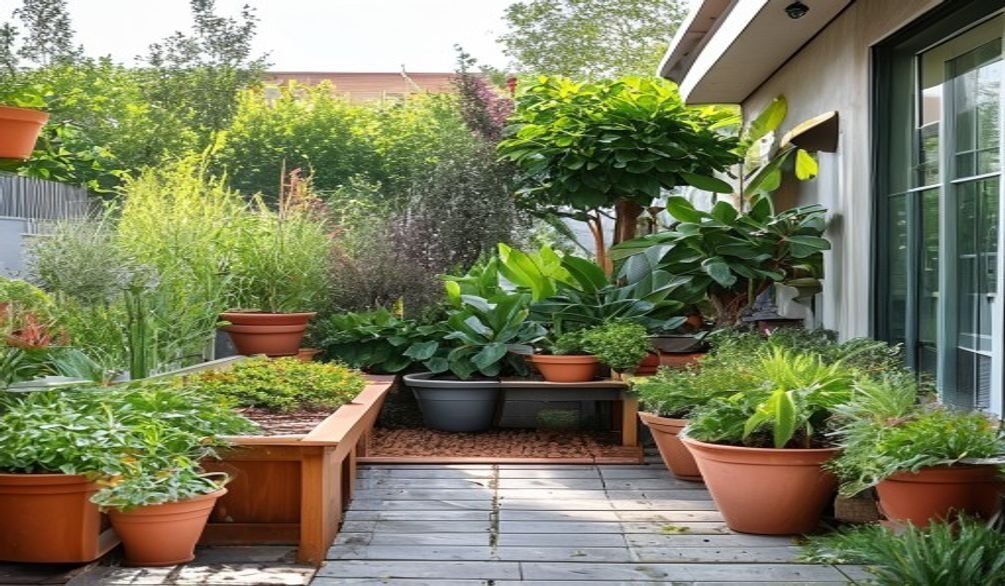
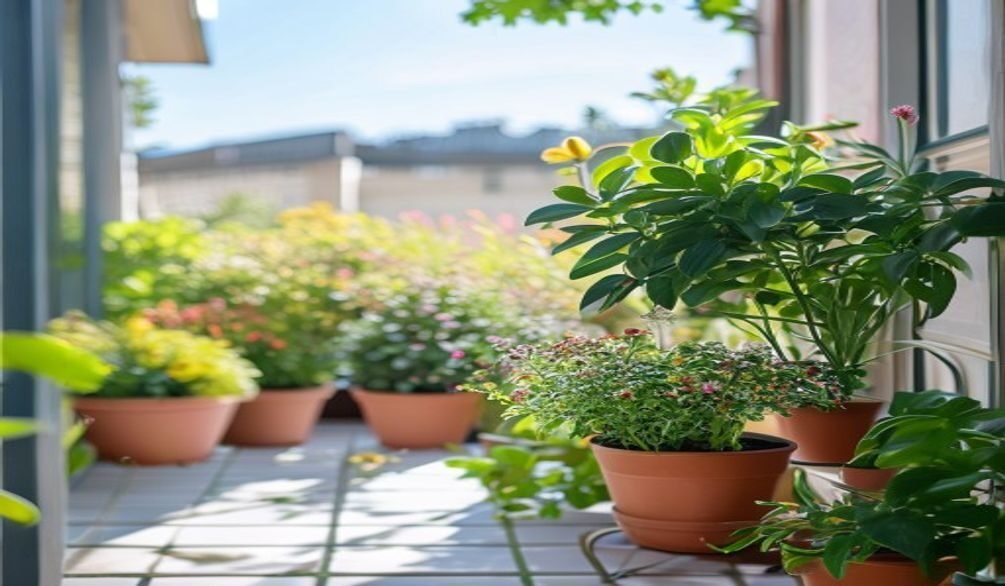
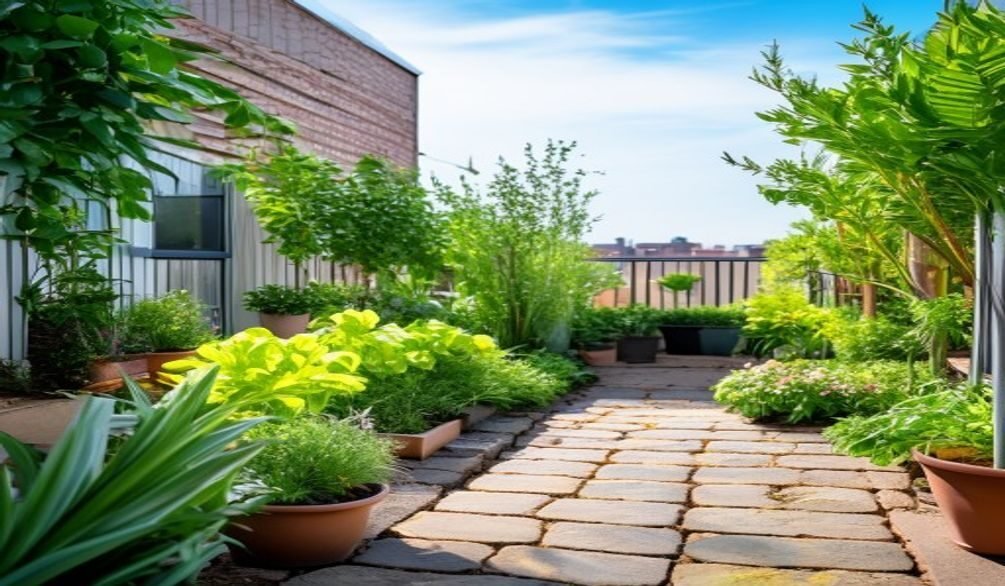
Terrace gardening involves cultivating plants on rooftops, balconies, or other elevated outdoor spaces, making it a perfect solution for urban dwellers. Urban gardening participation stands at nearly 49% across Asia-Pacific alone in 2026, with rooftop and terrace gardening trends fueling significant demand. It’s a fantastic way to bring nature closer to home, even if you don’t have a traditional yard.
For many, it’s about more than just aesthetics; it’s about self-sufficiency and fresh produce. I’ve seen countless families in Bangalore turn their unused terraces into vibrant oases, growing everything from dhania to bhindi. This form of urban gardening techniques allows you to control the environment more closely than in a ground garden, which can be a huge advantage for boosting growth.
The appeal of rooftop gardens
The popularity of terrace gardens stems from several key benefits. It offers a practical solution to limited space in cities, allowing you to grow fresh vegetables and herbs right outside your door. Plus, there’s the joy of nurturing plants and seeing them thrive, which is incredibly rewarding.
* Space Optimization: It transforms unused space into productive green areas.
* Fresh Produce: You get access to organic, healthy vegetables and herbs.
* Environmental Benefits: Helps cool buildings and improves air quality.
* Well-being: Gardening is a proven stress-buster and connects you with nature.
How can you make your terrace garden grow faster?
To make your terrace garden grow faster, you need to optimize several critical factors that directly impact plant health and vigor. Most people give up on gardening after one failed crop and blame themselves — but honestly, 80% of first failures are caused by wrong pot size, wrong season, or wrong soil mix, not wrong technique. Get those three right, and almost any plant becomes easy to grow. Focusing on these elements will truly boost terrace garden growth fast.
1. optimize sunlight and location
Sunlight is non-negotiable for rapid plant growth. Most fruiting and flowering plants need at least 6-8 hours of direct sunlight daily, according to the University of California Agriculture and Natural Resources (2020). Position your containers strategically to maximize sun exposure. For instance, in my own experience, I lost my entire coriander crop in May 2022 because I sowed it directly in a pot kept on a south-facing balcony during peak Indian summer heat. The soil hit 45°C by afternoon and the seedlings fried within four days. Moving it to a spot with morning sun only and afternoon shade resulted in a full harvest on the next attempt. This simple adjustment can drastically boost terrace garden growth fast.
2. use superior potting mix and nutrients
The soil in your containers isn’t just dirt; it’s the lifeblood of your plants. A high-quality, well-draining potting mix is crucial. I always recommend a blend of cocopeat, vermicompost, and perlite or sand for containers. This mix provides excellent drainage while retaining moisture and nutrients. You can find good quality Cocogreen cocopeat and vermicompost at local nurseries or online on Ugaoo.
Here’s why this matters:
* Drainage: Prevents root rot, which is a common killer for container plants. You might have heard that rich garden soil is best. In practice, heavy garden soil compacts in pots, leading to poor drainage and suffocated roots — a free-draining, lighter mix actually works better in containers.
* Aeration: Allows roots to breathe, promoting healthy development.
* Nutrient Retention: Holds onto fertilizers without becoming waterlogged.
To truly boost terrace garden growth fast, you’ll also need to feed your plants regularly. Organic terrace farming relies heavily on compost and natural fertilizers. I use a liquid seaweed extract once every two weeks and top-dress with a handful of vermicompost every month. This ensures a steady supply of micronutrients that synthetic fertilizers sometimes miss.
3. consistent and smart watering
Watering correctly is an art, especially for rooftop garden care. Container plants dry out much faster than in-ground plants. I used to skip watering during monsoon, assuming rain was enough. But I lost a container plant one July because the balcony roof blocked all rain — the soil was bone dry while the ground around it was soaked! Container plants on covered balconies still need watering in monsoon. Check the soil moisture daily by sticking your finger about an inch deep. If it feels dry, it’s time to water.
Consider these tips:
* Water deeply: Ensure water drains out from the bottom, encouraging deep root growth.
* Morning watering: Reduces evaporation and allows leaves to dry before nightfall, preventing fungal diseases.
* Drip irrigation: For larger terrace gardens, a simple drip irrigation system can save water and ensure consistent moisture, especially in hot Delhi summers.
4. choose the right containers and vertical solutions
The size and type of container directly impact how much your plant can grow. Small pots stunt growth. Aim for at least 10-12 inch pots for most vegetables. For larger plants like tomatoes or bhindi, 15-18 inch pots are ideal.

| Container Type | Pros | Cons | Best For |
|---|---|---|---|
| Terracotta Pots | Breathable, classic look | Dries out fast, heavy, fragile | Herbs, small flowers |
| Plastic Pots | Lightweight, retains moisture, affordable (₹80-₹200) | Less breathable, can overheat in sun | Most vegetables, larger plants |
| Grow Bags | Excellent aeration, light, easy to move | Dries out quickly, less aesthetic | Root vegetables, potatoes, seasonal crops |
| Vertical Planters | Space-saving, good for small spaces | Limited soil volume, needs frequent watering | Leafy greens, herbs, strawberries |
Vertical garden solutions are also brilliant for maximizing space and can help you boost terrace garden growth fast in compact areas. Companies like The Greenish Affair offer customized vertical garden solutions that not only save space but also create a lush green ambiance.
5. pruning and pest management
Regular pruning encourages bushier growth and higher yields. For plants like tomatoes or chillies (lal mirch), pinching off suckers or growing tips redirects energy into fruit production. And you’ll need to keep an eye out for pests. Natural pest control terrace methods are always my first choice. Neem oil spray or a diluted soap solution can tackle most common pests without harsh chemicals.
What are the best plants for a fast-growing terrace garden?
The best plants for a fast-growing terrace garden are typically those with compact growth habits and a quick turnaround time, perfect for container gardening growth. In my 10 years of experience, I’ve found that some plants just thrive better in the unique conditions of an Indian terrace.
Here are some excellent choices that will help you boost terrace garden growth fast:
* Leafy Greens: Pudina, dhania (coriander), palak (spinach), and methi (fenugreek) grow incredibly fast and can be harvested repeatedly. They’re perfect for beginners.
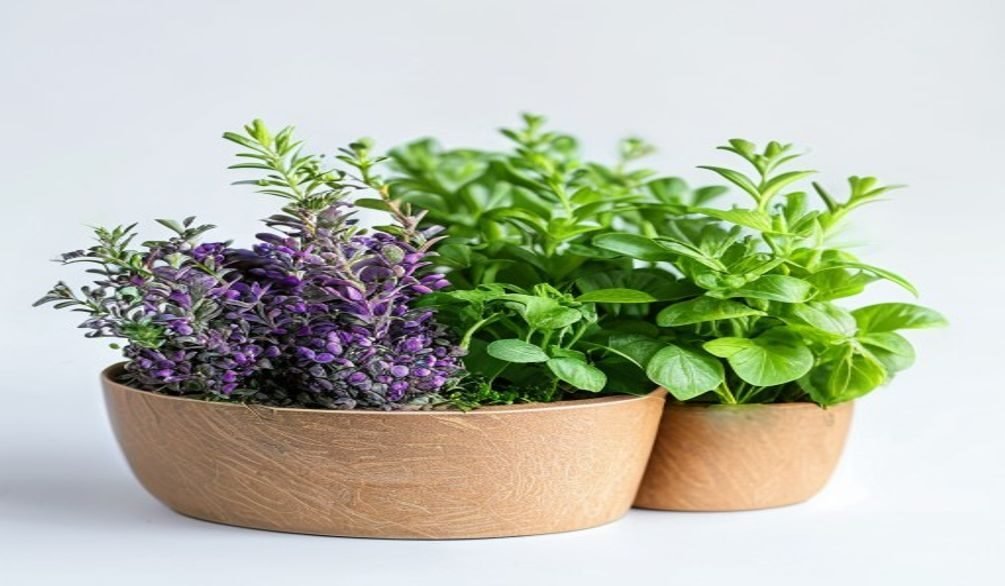
* Herbs: Tulsi, basil, and mint are robust and provide continuous harvests. They also require minimal care.
* Cherry Tomatoes: Varieties like Pusa Ruby or Roma tomatoes work really well in 12-15 inch containers and produce prolifically.
* Chillies (Lal Mirch): Small chilli varieties are surprisingly high-yielding in pots.
* Radishes: From seed to harvest in just 3-4 weeks! They’re a fantastic choice for quick gratification.
* Bhindi (Okra): If you have slightly larger containers, bhindi can give you a steady supply of pods.
Choosing the right varieties adapted to your local climate — be it Mumbai humidity or Delhi winters — is key. Many local nurseries carry seeds and saplings that are already well-suited to Indian conditions.
How do you maintain a high-yield terrace garden?
Maintaining a high-yield terrace garden involves consistent care, vigilance, and understanding your plants’ needs. It’s not just about planting and hoping for the best; it’s about active rooftop garden care.
Regular feeding and soil enrichment
As I mentioned, container plants deplete nutrients faster. To ensure continuous high yields, you need a consistent feeding schedule. I use a combination of liquid organic fertilizers every two weeks and a slow-release granular organic fertilizer once a month. Soil enrichment for containers can also involve adding fresh compost or vermicompost to the top layer of your pots every few months. This keeps the microbial life in the soil healthy, which is essential for nutrient uptake.
Pest and disease monitoring
Regularly inspect your plants for any signs of pests or diseases. Catching problems early is crucial. Look under leaves, check stems, and observe new growth. If you spot aphids, mealybugs, or fungal spots, act immediately. A simple spray of neem oil solution (available at most local nurseries for ₹150-₹250) can often resolve issues. For more severe problems, consider organic pesticides like those based on garlic or chilli.
Pruning and training
Pruning isn’t just for aesthetics; it’s a vital part of terrace garden maintenance for higher yields. Removing spent flowers (deadheading) encourages more blooms and, for fruiting plants, more fruit. Training vining plants like gourds or cucumbers up a trellis saves space and improves air circulation, which can prevent fungal issues. This active management helps boost terrace garden growth fast by directing the plant’s energy where it’s most needed.
What are the benefits of a productive terrace garden?
A productive terrace garden offers a multitude of benefits, from fresh, healthy food to environmental advantages and personal well-being. A study in Hyderabad found that 96.67% of urban households reported having fresh and healthy vegetables by practicing terrace gardening.
Beyond fresh produce, the act of gardening itself is incredibly therapeutic. You’re connecting with nature, reducing stress, and getting some light exercise. It’s truly feeding not just the body, but the soul, as Alfred Austin once observed.
* Fresh, Organic Produce: Enjoy chemical-free vegetables and herbs, often more flavorful than store-bought options.
* Cost Savings: Reduce your grocery bill, especially for expensive organic items.
* Environmental Impact: Helps cool your home, reduces urban heat island effect, and contributes to local biodiversity.
* Improved Air Quality: Plants naturally filter pollutants and release oxygen.
* Educational Value: A great way to teach children about where food comes from.
* Community Building: Often sparks conversations and sharing with neighbours.
The home gardening market is projected to reach approximately USD 16.71 billion in 2026, according to Axiom Marketing, reflecting a growing global interest in these benefits. People are genuinely investing more time and money into their gardens, recognizing the immense value they provide.
Are there any disadvantages to rapid terrace garden growth?
While the goal is to boost terrace garden growth fast, there can be a few downsides to extremely rapid growth if not managed properly. The primary concern is that fast growth often demands more resources and attention from the gardener.
One potential disadvantage is that plants growing too quickly can sometimes become leggy or less sturdy if they aren’t getting enough light relative to their growth rate. This can happen if you’re over-fertilizing without adequate sunlight, leading to weak stems. Another issue is that rapid growth can exhaust the soil’s nutrients even faster, requiring more frequent feeding. You need to keep up with the plant’s demands.
Also, a very dense, fast-growing garden can sometimes create microclimates that are overly humid, potentially increasing the risk of fungal diseases if air circulation isn’t good. It’s a delicate balance; you want robust growth, but not at the expense of plant health or stability. Ensuring proper spacing and airflow, even in a thriving garden, is key to preventing these issues.
Frequently asked questions
What is terrace gardening?
Terrace gardening involves growing plants on elevated outdoor surfaces like rooftops or balconies, making urban gardening accessible in limited spaces. It’s a popular method for cultivating fresh produce and enhancing green cover in cities, with nearly 49% urban gardening participation across Asia-Pacific alone in 2026. This practice transforms unused areas into productive green havens.
How can i make my terrace garden grow faster?
You can make your terrace garden grow faster by optimizing sunlight exposure, using high-quality potting mix, ensuring consistent watering, and providing regular nutrients. For instance, 96.67% of urban households in a Hyderabad study reported fresh, healthy vegetables with terrace gardening, largely due to focused care. Implementing these steps helps to quickly boost terrace garden growth fast.
What are the best plants for a terrace garden?
The best plants for a terrace garden are compact, high-yielding varieties like leafy greens (palak, methi), herbs (tulsi, pudina), cherry tomatoes, and small chillies. These options thrive in containers and offer quick harvests, making them ideal for small space gardening. They allow you to maximize your yield even in limited areas.
How do you maintain a terrace garden?
Maintaining a terrace garden requires consistent watering, regular feeding with organic fertilizers, timely pruning, and diligent pest and disease monitoring. Axiom Marketing reports that 42.8% of gardeners expect to spend more money and 50.2% expect to spend more time gardening in 2026, highlighting the commitment needed for maintenance. Proper rooftop garden care ensures sustained plant health and productivity.
Is terrace gardening good?
Yes, terrace gardening is excellent, offering benefits like fresh, organic produce, improved air quality, reduced stress, and efficient use of urban space. It connects you with nature and provides a sustainable way to grow food, contributing to personal well-being and environmental health. It’s a rewarding activity that enriches urban living.