Key Takeaways
- 63.6% of gardeners plan to expand their gardens and plant more in 2026, according to Axiom (2026).
- Container gardening was adopted by 78% of U.S. gardeners post-2020, highlighting its growing relevance for terraces, according to Axiom (2026).
- 42% of Europeans aged 25-34 engage in balcony gardening, showing strong interest in urban gardening solutions, according to Axiom (2026).
- Gen Y (66.7%) and Gen Z (63.8%) spent more time gardening in 2025 than Gen X (33.1%), indicating a generational shift, according to Axiom (2026).
- Many first-time gardening failures stem from incorrect pot size, season, or soil mix, not poor technique, according to Gaurav (2024).
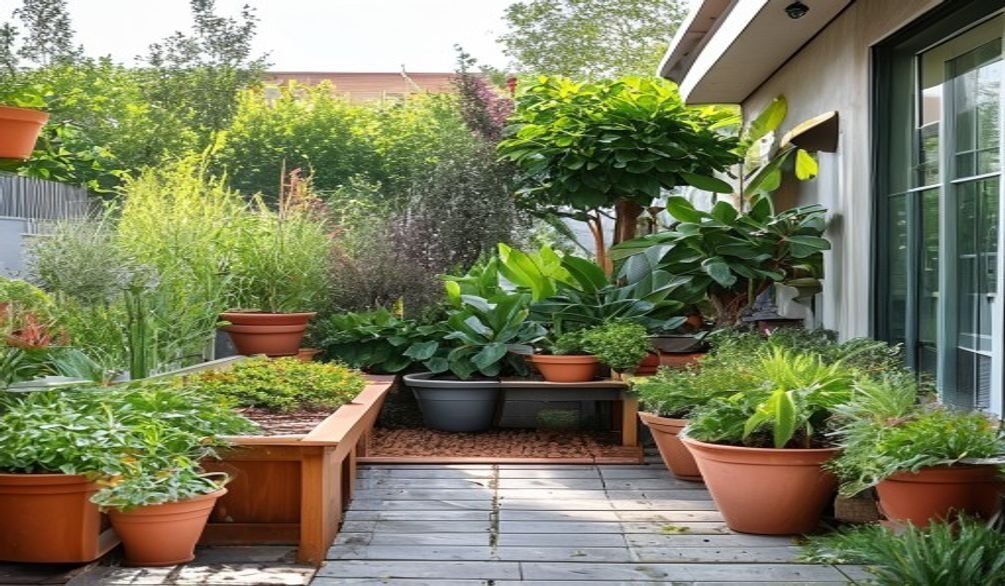
Most Mumbai balcony gardeners struggle to find plants that thrive without direct sunlight, leaving their shaded corners looking a bit dull. But don’t worry, creating a vibrant outdoor space with **terrace garden plants for shade** is absolutely doable, even in India’s varied climates. We’ll dive into the best plants that love the low-light life and how to make them flourish on your terrace.
Quick Answer: For a shaded terrace garden, excellent plant choices include Hostas, Begonias, Japanese Forest Grass, Heucheras, and Ferns. These varieties offer diverse foliage and blooms, thriving in low-light container conditions and transforming outdoor spaces.
What are ideal plants for a shady balcony or terrace?
Ideal plants for a shady balcony or terrace are those that naturally thrive in low-light conditions, often focusing on lush foliage rather than abundant blooms. These varieties can transform even the darkest corners into green havens, and 63.6% of gardeners plan to expand their gardens and plant more in 2026, according to Axiom (2026). When you’re dealing with a north-facing balcony or a terrace covered by an awning, sunlight is a precious commodity, so choosing the right **terrace garden plants for shade** is key.
You’re not alone in finding this hard; many urban gardeners face similar challenges. The truth is, just because a plant tolerates shade doesn’t mean it thrives in it—knowing the difference is crucial, as Rebecca Sweet of Harmony in the Garden points out. My own experience in Delhi, where the winter sun is weak, taught me that even seemingly shade-tolerant plants need *some* indirect light to truly flourish.
Here are some excellent choices for your shaded terrace:
- Hostas: These are champions of the shade garden, with their incredible variety of leaf shapes, sizes, and colors. They’re perfect for containers.
- Ferns: From the delicate Maidenhair fern to the robust Boston fern, these bring a lush, tropical feel. They absolutely love humidity, which is a plus for places like Mumbai during the monsoon.
- Heuchera (Coral Bells): Known for their stunning foliage in shades of purple, green, and bronze, they add a splash of color even without flowers.
- Begonias: Many varieties, especially Rex Begonias, offer spectacular, variegated leaves that are just as showy as flowers.
- Japanese Forest Grass (Hakonechloa macra): This elegant grass adds movement and texture, softening hard edges of pots and walls.
These plants are fantastic for adding visual interest, even if your terrace gets only a couple of hours of weak morning sun or dappled light all day. They’re truly the backbone of a successful **terrace garden plants for shade**.
Which plants are considered the most shade-tolerant for containers?
When it comes to container gardening in shaded areas, some plants are true champions, showing remarkable resilience and beauty even with minimal light. In fact, 78% of U.S. gardeners adopted container gardening post-2020, highlighting its growing relevance for urban spaces like terraces, according to Axiom (2026). The key is to pick varieties that don’t just survive, but actually thrive, in pots and low-light conditions.
For a successful **terrace garden plants for shade**, you’ll want to look for plants that have adapted to forest floors or understory environments. These are the ones that naturally prefer indirect light.
Here are some of the most shade-tolerant options that do incredibly well in containers:
- Hostas: Seriously, I can’t stress Hostas enough for shade. They come in hundreds of varieties—from tiny ‘Blue Mouse Ears’ perfect for a small pot to giant ‘Empress Wu’ for a large planter. Their leaves can be blue, green, variegated, smooth, or corrugated.
- Ferns (e.g., Boston Fern, Kimberly Queen Fern): These classic shade lovers are fantastic for hanging baskets or taller pots, creating a waterfall of green foliage. They love consistent moisture, so don’t let them dry out, especially in Chennai’s humidity.
- Begonia Rex: These are not your grandma’s outdoor annuals; Rex Begonias are all about their spectacular, often metallic and patterned, leaves. They’re perfect for adding a pop of color to a dimly lit corner.
- Caladiums: With their heart-shaped leaves splashed with red, pink, white, and green, Caladiums are like living art. They prefer warm, humid conditions, making them great for post-monsoon planting in many Indian cities.
- Coleus (ColorBlaze® varieties are excellent): While some Coleus can take sun, many varieties absolutely flourish in shade, offering an explosion of vibrant foliage color. Proven Winners offers some great shade-tolerant options.
I’ve seen many folks try to grow sun-loving plants in shade, hoping for the best, only to be disappointed. The trick is to embrace the shade and choose plants genetically wired to love it. This approach saves you a lot of frustration and ensures your **terrace garden plants for shade** look their best.
What flowering plants work well in shaded outdoor spaces?
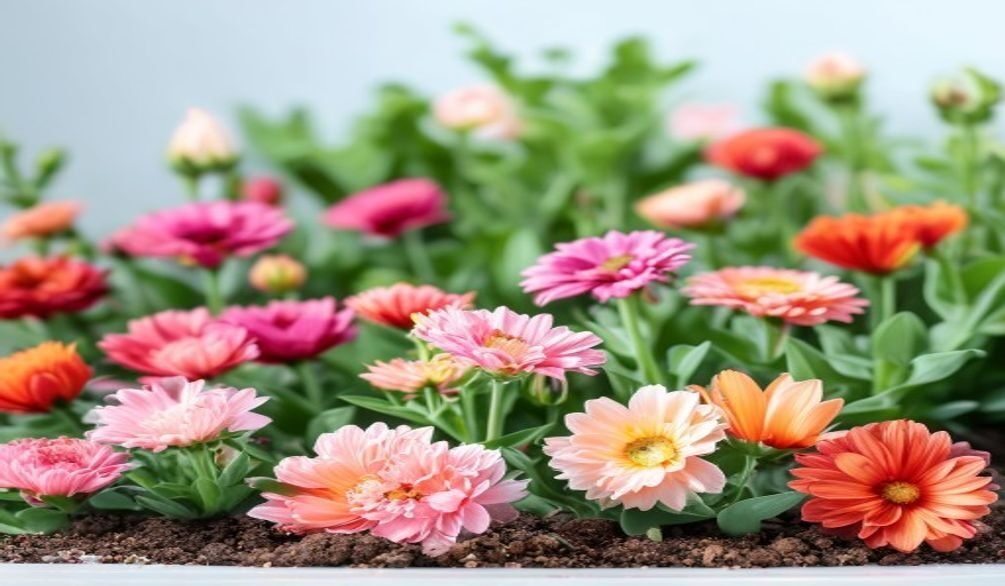
Even if your terrace is mostly shaded, you can absolutely enjoy beautiful blooms by selecting the right flowering plants that are naturally adapted to lower light levels. The notion that shade means no flowers is a common misconception; in fact, shade is the perfect foil for bright colors, as Chuck Pavlich, director of new product development with Terra Nova Nurseries, observes. You’ll find that many flowering shade plants offer more subtle, delicate blooms that are incredibly charming.
Here are some of my top picks for flowering **terrace garden plants for shade**:
| Plant Name | Bloom Color & Type | Light Preference | Key Features for Terrace |
|---|---|---|---|
| Impatiens (New Guinea & Busy Lizzy) | Vibrant, various shades (pink, red, orange, white) | Partial to Full Shade | Continuous blooms, excellent for containers and hanging baskets. |
| Begonias (Wax & Tuberous) | Red, pink, orange, white; often prolific | Partial to Full Shade | Long blooming season, great for adding consistent color. |
| Hydrangea (Compact varieties) | Large clusters of pink, blue, white flowers | Morning Sun, Afternoon Shade | Stunning focal points, compact varieties like ‘Little Lime’ work in large pots. |
| Fuchsia | Pendulous, bell-shaped flowers in pink, purple, white | Partial Shade | Dramatic hanging basket plant, delicate and elegant. |
| Pansies & Violas | Bright, cheerful faces in many colors | Partial Shade to Sun | Great for cooler seasons in North India, can tolerate some shade. |
Compact Hydrangea varieties, for instance, are fantastic. I’ve seen them thrive in large pots on Pune terraces, especially when they get a bit of morning sun and are protected from the harsh afternoon glare. Just remember that flowering plants in shade might not produce as many blooms as their sun-loving counterparts, but the flowers they do produce will often last longer. It’s all about appreciating what your specific light conditions can offer for your **terrace garden plants for shade**.
What are the best low-maintenance shade plants for a terrace?
For those of us who love the idea of a lush terrace garden but don’t have endless hours to spend on care, low-maintenance shade plants are an absolute godsend. These plants are tough, forgiving, and won’t demand constant attention, making them ideal **terrace garden plants for shade**. You’ll find they often require less watering and are more resistant to common pests, which is a huge bonus.
Here’s a list of some fantastic low-maintenance options:
- Asparagus Fern (Asparagus setaceus): Despite its name, it’s not a true fern but has delicate, feathery foliage that adds texture. It’s incredibly resilient and can handle some neglect. I’ve had one in a pot on my Delhi balcony for years that just keeps going.
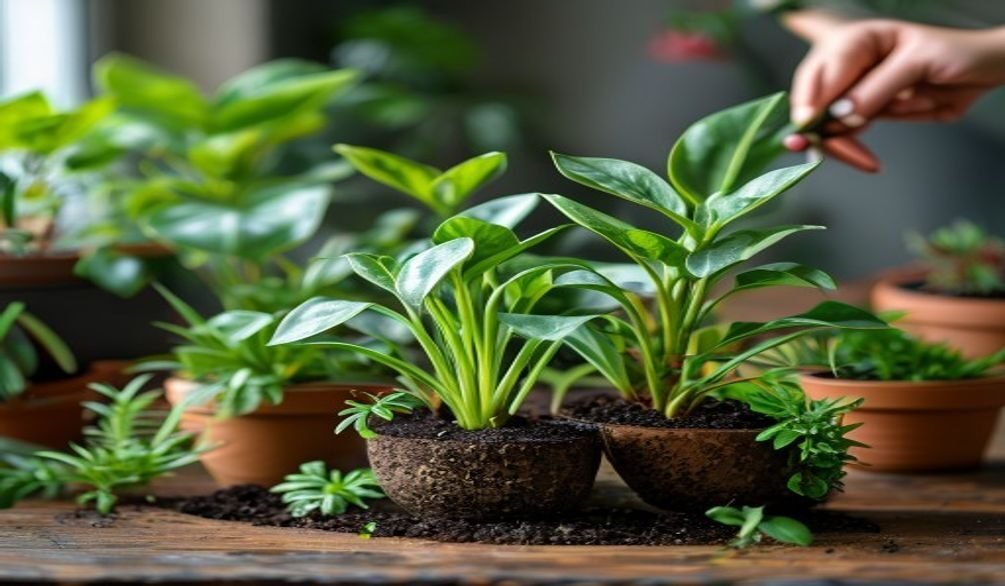
- Money Plant (Pothos/Epipremnum aureum): A classic for a reason! Money plants are super easy to grow, whether trailing from a hanging pot or climbing a small trellis. They tolerate a wide range of light conditions, including deep shade, and are very forgiving if you forget to water occasionally.
- Sansevieria (Snake Plant): These architectural plants are famous for their ability to survive almost anything. They need very little water and thrive in low light, making them perfect for those really dim spots on your terrace.
- ZZ Plant (Zamioculcas zamiifolia): Another virtually indestructible option, the ZZ plant has glossy, dark green leaves and needs minimal water. It’s excellent for adding a modern touch to your shaded terrace.
- Cast Iron Plant (Aspidistra elatior): Its name says it all! This plant is incredibly tough, tolerates deep shade, and can handle inconsistent watering. It’s a fantastic choice for a no-fuss green presence.
One common mistake I’ve seen is overwatering these tough, low-maintenance plants. Because they need less water, especially in shade where evaporation is slower, it’s easy to accidentally drown them. Always check the soil moisture before watering again. This simple step can save you a lot of heartache and ensure your **terrace garden plants for shade** thrive without much effort.
Can i grow flowers in a very low light terrace area?
Yes, you can absolutely grow flowers even in a very low-light terrace area, though your choices will be more limited and the blooms might be less prolific than in brighter spots. It’s all about managing expectations and selecting the right species that are truly adapted to minimal light. You might have heard that “flowers need sun” – and that’s true for many, but not all. The key is to seek out plants that flourish in dappled light or even deep shade.
Here’s how to approach growing flowers in those dim corners:
- Focus on Shade-Loving Annuals: Plants like Impatiens (Busy Lizzy) and some Begonia varieties are excellent. They are bred to produce flowers even with just a few hours of indirect light per day.
- Embrace Foliage with Subtle Blooms: Consider plants like Cyclamen, which offer delicate, often upward-facing flowers along with attractive foliage, especially during cooler months.
- Prioritize Plant Health: In very low light, plants are more susceptible to rot from overwatering. Make sure your pots have excellent drainage and use a well-aerated potting mix. My advice on organic garden soil enrichment can help you create the perfect foundation.
Honestly, in my 10 years of growing on Indian balconies, I’ve learned that sometimes the best “flowers” in very low light come from the vibrant foliage of plants like Rex Begonias or Coleus. They offer consistent color without needing a single bloom. For a truly dark spot, you’ll want to lean into the beauty of variegated leaves rather than pushing for a flower show. This approach ensures your **terrace garden plants for shade** always look fantastic.
How to care for shade plants in terrace containers?
Caring for **terrace garden plants for shade** in containers involves a slightly different approach than their sun-loving counterparts, mainly concerning watering, soil, and feeding. The goal is to mimic their natural forest-floor environment as much as possible, where light is diffused and moisture is consistent. This is particularly important since 42% of Europeans aged 25-34 engage in balcony gardening, showing a significant interest in compact solutions, according to Axiom (2026).
Here are key care tips to keep your shade plants thriving:
- Watering Wisely: Shade means less evaporation. You’ll need to water less frequently than sun-exposed plants. Always check the soil moisture with your finger before watering. If the top inch is dry, it’s time to water; otherwise, wait. Overwatering is a common killer for shade plants in pots.
- Well-Draining Potting Mix: This is non-negotiable. Use a good quality potting mix that drains freely. I often mix in some extra perlite or coarse sand to ensure aeration. In my experience, most people give up on gardening after one failed crop and blame themselves — but 80% of first failures are caused by wrong pot size, wrong season, or wrong soil mix, not wrong technique. Get those three right, and almost any plant becomes easy to grow.
- Fertilizing Sparingly: Shade plants generally grow slower and need less fertilizer. A balanced liquid fertilizer applied at half strength every 4-6 weeks during the growing season (pre-monsoon to post-monsoon) is usually sufficient.
- Appropriate Pot Size: Ensure your pots are large enough to accommodate root growth but not so big that the soil stays wet for too long. For instance, a Hosta will appreciate a pot that’s at least 10-12 inches wide. I once bought a “grow bag” online advertised as 15 litres — it held only 9 litres when filled properly because the sides were too thin to stand upright. Wasted an entire season of tomatoes because the root volume was not enough. Now I only buy grow bags from physical nurseries where I can check the material thickness.
- Humidity Boost: Many shade plants, especially ferns, love humidity. Consider grouping plants together to create a microclimate or misting them occasionally, particularly during dry periods in Bangalore’s mild climate.
Remember, your **terrace garden plants for shade** are adapting to a unique environment. Observing them closely will tell you what they need; limp leaves might mean underwatering, while yellowing leaves often signal overwatering.
Combining terrace garden plants for shade: design tips
Designing a shaded terrace garden isn’t just about picking individual plants; it’s about creating a cohesive, visually appealing space that maximizes texture, form, and subtle color. Susan Hampton recommends combining “the bold, architectural leaves of one such as Hosta sieboldiana ‘Elegans’ with a softer and more feathery texture from hardy ferns such as Polystichum setiferum ‘Herrenhausen,'” highlighting the importance of contrast. Your **terrace garden plants for shade** can become a true work of art with a little planning.
Here are some design principles to elevate your shaded terrace:
- Vary Leaf Textures: Combine plants with broad, smooth leaves (like some Hostas) with those that have fine, feathery foliage (ferns or Japanese Forest Grass). This creates depth and interest.
- Play with Foliage Colors: Shade doesn’t mean boring green! Incorporate plants with variegated leaves (Pothos, Caladiums), deep purples (Heuchera), or chartreuse greens (some Hostas or Coleus). These colors pop beautifully in lower light.
- Consider Plant Heights: Create layers by placing taller plants (a compact Hydrangea or a large Sansevieria) at the back or center of a grouping, medium-height plants (Hostas, Begonias) in the middle, and trailing plants (Money Plant, Ivy) along the edges of pots or in hanging baskets.
- Use Groupings: Instead of scattering individual pots, group them in clusters. This creates a fuller, more impactful display and also helps maintain humidity for shade-loving plants.
- Integrate Hardscaping & Decor: Don’t forget elements like small water features, decorative pebbles, or even a subtle garden statue. These can enhance the serene atmosphere of a shaded garden. A small terracotta bird bath can add charm and attract local birds.
- Strategic Lighting: Even with **terrace garden plants for shade**, a few strategically placed solar-powered fairy lights or a small lantern can dramatically transform the mood of your terrace in the evenings, highlighting textures and forms.
When arranging your containers, think about how the light changes throughout the day. Even a “shaded” terrace might get a brief burst of morning sun. Place any flowering plants or those needing a bit more light in these slightly brighter spots. Remember, the goal is to create a peaceful, inviting retreat with your chosen **terrace garden plants for shade**.
Frequently asked questions
What are some ideal plants for a shady balcony or terrace?
Ideal plants for a shady balcony or terrace include Hostas, Ferns, Begonias, and Heucheras, which all thrive in lower light conditions. These plants offer diverse foliage and can create a lush, inviting atmosphere, according to horticultural experts like Rebecca Sweet (2024). Focusing on foliage plants often yields the best results in truly shaded areas.
Which plant is considered the most shade-tolerant for containers?
Hostas are widely considered among the most shade-tolerant plants for containers, offering immense variety in leaf shape, size, and color. They are exceptionally versatile and can adapt to different pot sizes, making them perfect for varied terrace garden designs. Many other shade-loving plants, like Caladiums, also perform exceptionally well in containers.
Are there any plants that can grow in very low light conditions?
Yes, several plants can grow in very low light conditions, including Money Plant (Pothos), Sansevieria (Snake Plant), and ZZ Plant. These are incredibly resilient and require minimal direct sunlight, making them excellent choices for the dimmest spots on your terrace. They are also highly forgiving if you occasionally forget to water them.
What flowering plants work well in shaded outdoor spaces?
Flowering plants like Impatiens, Begonias, and compact Hydrangeas work well in shaded outdoor spaces, providing vibrant blooms even with limited sunlight. While they may not flower as profusely as in full sun, their blooms often last longer in cooler, shaded conditions, according to Chuck Pavlich (2024). Fuchsias are also fantastic for adding a pop of color to hanging baskets.
What are the best low maintenance shade plants?
The best low-maintenance shade plants include Asparagus Fern, Money Plant (Pothos), Sansevieria, and ZZ Plant, known for their resilience and minimal care requirements. These plants tolerate inconsistent watering and generally aren’t bothered by many pests, making them ideal for busy gardeners. They are perfect for creating a lush look without constant attention.
Creating a beautiful, thriving terrace garden even in the shade is absolutely possible with the right plant choices and a bit of thoughtful care. By focusing on **terrace garden plants for shade** like Hostas, ferns, and various Begonias, you can transform dim corners into vibrant, green retreats. Don’t let low light deter you; instead, embrace it as an opportunity to cultivate a unique and serene space. So, go ahead and explore these wonderful options for your shaded terrace, and watch your urban oasis come to life!