
Key Takeaways
- Urban gardening participation stands at nearly 49% across Asia-Pacific in 2026, according to Global Growth Insights (2025).
- 78% of urban dwellers prioritize eco-friendly and low-maintenance solutions for their terrace spaces, as indicated by the Urban Gardening Institute (2025).
- Vertical gardening systems can increase usable plant space by up to 300% on urban terraces, according to Green City Solutions (2025).
- Assessing sunlight patterns and structural capacity is crucial before starting a thriving terrace garden.
- Smart irrigation systems reduce water consumption in terrace gardens by an average of 50%, as reported by the Environmental Protection Agency (2024).
Are you dreaming of transforming your urban outdoor space into a lush, green retreat? Many aspiring gardeners face the challenge of limited space and urban conditions, but with the right approach, **starting a thriving terrace garden** is entirely achievable. This guide, drawing on my 10+ years of horticulture experience, will walk you through seven essential steps to cultivate your own beautiful and productive urban oasis.
Quick Answer: To start a thriving terrace garden, begin by assessing your space and sunlight, choosing appropriate containers and soil, selecting suitable plants, establishing routines, and implementing pest management. Focus on sustainability, smart technology, and thoughtful design for your urban oasis.
Assessing Your Terrace: Sun, Structure, and Space
The first crucial step for **starting a thriving terrace garden** involves thoroughly evaluating your available outdoor space, considering sun exposure, structural integrity, and spatial limitations. A recent survey by the Urban Gardening Institute (2025) indicates that 78% of urban dwellers prioritize eco-friendly and low-maintenance solutions for their terrace spaces, making a smart initial assessment vital for sustainable success. This foundational planning ensures your garden is both safe and set up for optimal plant health.
Step 1: Understand Sun Exposure
To begin **starting a thriving terrace garden**, observe how sunlight hits your terrace throughout the day and across seasons. Different plants have varying light requirements, so mapping sun and shade patterns will guide your plant selection. A sunny spot (6+ hours of direct sun) is ideal for vegetables and most flowering plants, while shadier areas suit ferns or hostas.
From my experience, understanding your terrace’s microclimate, including sun, wind, and temperature fluctuations, is paramount for **starting a thriving terrace garden**. Even within a single terrace, conditions can vary significantly, impacting plant growth and overall vitality.
Step 2: Evaluate Structural Capacity
Before placing heavy planters for your `rooftop garden design`, consult with a structural engineer or landlord to confirm your terrace can support the weight. Soil, water, and containers can become incredibly heavy, and neglecting this step can lead to serious safety issues. Always prioritize safety when **starting a thriving terrace garden**.
Heavy containers filled with moist soil can exert significant pressure, so ensuring the structural integrity of your terrace is non-negotiable. This due diligence is a cornerstone of responsible `balcony garden setup` and crucial for **starting a thriving terrace garden**.
Step 3: Measure and Plan Your Layout
Measure your terrace dimensions to determine how much space you have for plants, furniture, and pathways. Consider vertical gardening systems, which can increase usable plant space by up to 300% on urban terraces, according to Green City Solutions (2025). This maximizes your planting potential for **starting a thriving terrace garden**.
Thinking vertically is a game-changer for `terrace garden ideas for small spaces`, allowing you to grow more in less footprint. Brands like IKEA offer clever, space-saving outdoor furniture and shelving that can be integrated into your layout, supporting your journey in **starting a thriving terrace garden**.
Designing Your Urban Oasis: Layout and Aesthetics
Designing your urban oasis involves creating a functional and visually appealing layout that complements your lifestyle and the architectural style of your home. A well-planned design makes **starting a thriving terrace garden** more enjoyable and ensures long-term satisfaction. The layout should guide movement, define zones, and provide aesthetic pleasure.
Step 1: Sketch Your Vision
Begin by sketching out your ideal terrace garden, considering different zones for relaxation, dining, and planting. This visual planning helps you envision the flow and arrangement of elements, making the process of **starting a thriving terrace garden** more organized. Think about how you’ll use the space at different times of the day.
A simple drawing can prevent costly mistakes and help you optimize every inch of your terrace. It’s a foundational step in bringing your vision for **starting a thriving terrace garden** to life, ensuring every element serves a purpose.
Step 2: Choose a Style and Theme
Decide on a style that resonates with you, whether it’s modern, minimalist, tropical, or a rustic `DIY terrace garden projects` look. Consistency in your chosen theme creates a cohesive and inviting atmosphere for **starting a thriving terrace garden**. This aesthetic decision influences your choice of containers, furniture, and plants.
Katie Tamony, chief marketing officer for Monrovia, notes that gardeners are increasingly seeking “elegant outdoor spaces that are low maintenance,” a trend that influences design choices. This focus on both beauty and practicality is key when **starting a thriving terrace garden**.
Step 3: Incorporate Key Elements
Integrate elements like seating areas, pathways, and decorative features. Consider lighting solutions, such as those from Elho, which offers planters with integrated LED lighting, adding ambiance and functionality to your `rooftop garden design` in the evenings. Thoughtful elements enhance the experience of **starting a thriving terrace garden**.
Adding a water feature or a small sculpture can create a focal point and introduce sensory delight. These details contribute significantly to the atmosphere, turning your terrace into a true urban oasis as you embark on **starting a thriving terrace garden**.
Selecting Plants and Containers for Your Terrace Garden
Selecting the right plants and containers is paramount for **starting a thriving terrace garden**, as these choices directly impact plant health, maintenance requirements, and overall aesthetics. Over 55% of urban gardeners now prefer drought-tolerant species to combat water scarcity and reduce maintenance, according to a report by Horticulture Today (2025), highlighting a key consideration for plant choice. This strategic selection forms the heart of your garden.
Step 1: Choose Plants Suited to Your Conditions
When **starting a thriving terrace garden**, select plants that can thrive in your specific sun exposure, wind conditions, and climate zone. Consider `best plants for terrace gardens` that are also `low maintenance terrace garden` options, such as succulents, herbs, or certain ornamental grasses. Katie Tamony of Monrovia predicts a rise in interest in edibles, advising gardeners to explore “more adventurous and more world-aware in their selections.”
For `container gardening for beginners`, it’s wise to start with resilient plants like rosemary, lavender, or petunias. These varieties are forgiving and provide excellent learning opportunities while you are **starting a thriving terrace garden**.
Step 2: Select Appropriate Containers
Choose containers with adequate drainage holes and a size appropriate for the mature plant. Materials like terracotta, ceramic, plastic, or lightweight fiberglass each have their pros and cons. For example, terracotta breathes well but dries out faster, while plastic retains moisture more effectively, an important factor for **starting a thriving terrace garden**.
Dark-colored containers absorb more heat, which can be beneficial in cooler climates but detrimental in hot, sunny exposures. Considering container material and color is a small detail that makes a big difference when **starting a thriving terrace garden**.
Step 3: Mix and Match for Visual Interest
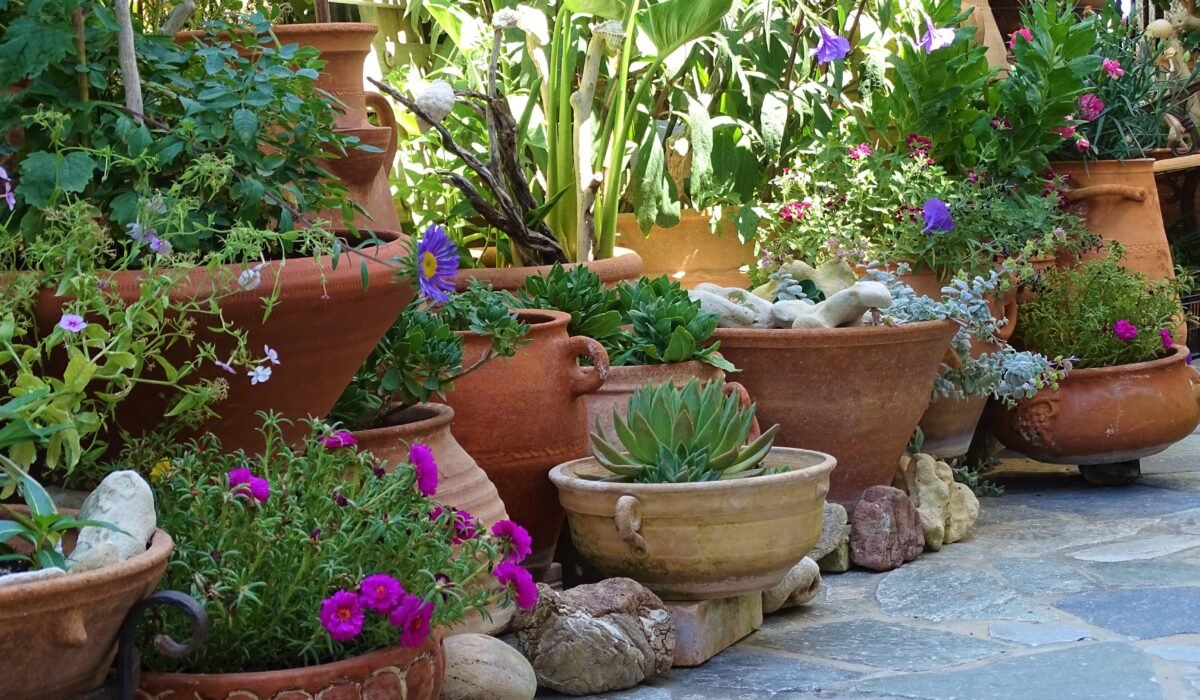
Vary container sizes, shapes, and textures to create visual interest and depth in your `balcony garden setup`. Combine taller plants with trailing ones, and mix foliage textures with colorful blooms. This thoughtful arrangement enhances the beauty of your space and makes **starting a thriving terrace garden** an artistic endeavor.
Don’t be afraid to experiment with different plant combinations; the goal is to create a dynamic and appealing display. A harmonious blend of elements is crucial for **starting a thriving terrace garden** that truly stands out.
Mastering Soil, Watering, and Nutrition for Growth
Mastering soil composition, watering techniques, and plant nutrition is fundamental for **starting a thriving terrace garden**, directly influencing the health and productivity of your plants. Healthy soil is the foundation of all successful gardening, providing essential nutrients and a stable environment. Without proper care in these areas, even the most carefully selected plants will struggle.
Step 1: Choose the Right Potting Mix
Use a high-quality, well-draining potting mix specifically formulated for containers when **starting a thriving terrace garden**. Avoid using garden soil, as it can be too heavy and compact in pots, leading to poor drainage and root rot. A good mix provides aeration and retains moisture without becoming waterlogged. You can find more tips on this topic in our article on Organic Garden Soil Building Tips.
A premium potting mix often contains perlite or vermiculite to improve drainage and aeration, which is vital for preventing root diseases. This investment in quality soil is a key step for **starting a thriving terrace garden**.
Step 2: Implement Effective Watering Strategies
Water your plants thoroughly until water drains from the bottom of the container, then allow the top inch or two of soil to dry out before watering again. Overwatering is a common mistake that can lead to root problems, so always check soil moisture first. Consistent, appropriate watering is essential for **starting a thriving terrace garden**.
The frequency of watering depends on factors like plant type, container size, sun exposure, and weather. In my experience, feeling the soil with your finger is the most reliable method, especially when you are **starting a thriving terrace garden**.
Step 3: Provide Essential Nutrients
Container plants deplete nutrients faster than in-ground gardens, so regular feeding is necessary. Use a balanced liquid fertilizer every 2-4 weeks during the growing season, following product instructions carefully. This ensures your plants receive the nourishment they need for vigorous growth and abundant blooms, truly fostering **starting a thriving terrace garden**.
Organic fertilizers, such as compost tea or fish emulsion, can also be excellent choices for `sustainable terrace gardening tips`. Providing consistent nutrition supports robust plant health and resilience, a hallmark of **starting a thriving terrace garden**.
Implementing Smart Tech and Sustainable Practices
Implementing smart technology and sustainable practices significantly enhances the efficiency and environmental friendliness of your terrace garden, making maintenance easier and more eco-conscious. Adoption of smart garden devices increased by 35% in urban areas in the past year, driven by convenience and efficiency, states a market analysis by TechGarden Insights (2025). This integration is key to **starting a thriving terrace garden** in the modern urban landscape.
Step 1: Integrate Smart Irrigation Systems
Consider installing smart irrigation systems that use weather data and soil moisture sensors to water plants only when needed. Smart irrigation systems reduce water consumption in terrace gardens by an average of 50%, as reported by the Environmental Protection Agency (2024). This not only conserves water but also saves you time, making **starting a thriving terrace garden** more manageable.
These systems can be controlled via smartphone apps, allowing you to manage your watering schedule from anywhere. This level of automation is a game-changer for `smart garden technology for urban spaces` and for **starting a thriving terrace garden**.
Step 2: Embrace Rainwater Harvesting
Set up a small rainwater harvesting system, such as a rain barrel, to collect water for your garden. This reduces reliance on tap water, saving resources and lowering your water bill. It’s an excellent `sustainable terrace gardening tips` practice that contributes to an eco-friendly approach when **starting a thriving terrace garden**.
Collecting rainwater provides plants with chlorine-free water, which many species prefer over treated tap water. This simple addition can significantly boost the health of your plants and support **starting a thriving terrace garden**.
Step 3: Utilize Composting and Organic Waste
Start a small composting system for kitchen scraps and garden waste. The resulting compost can be used to enrich your potting mix, reducing the need for purchased fertilizers and disposing of organic waste responsibly. This closed-loop system is a cornerstone of `sustainable terrace gardening tips` and a wise choice for **starting a thriving terrace garden**.
Compost improves soil structure, aeration, and water retention, providing a steady supply of nutrients to your plants. It’s a powerful way to enhance soil fertility naturally, which is vital for **starting a thriving terrace garden**.
Troubleshooting Common Issues and Pest Management
Troubleshooting common issues and implementing effective pest management are critical aspects of maintaining a healthy garden, ensuring your efforts in **starting a thriving terrace garden** are not undone by preventable problems. Early detection and intervention are key to minimizing damage and keeping your plants vibrant. Neglecting these areas can quickly lead to widespread issues.
Step 1: Identify and Address Watering Problems
The most common issues for container plants are often related to improper watering—either too much or too little. Yellowing leaves can indicate overwatering, while wilting leaves despite moist soil might suggest root rot. You can learn more about addressing root issues in our guide on Treat Root Rot in Garden Plants.
Conversely, dry, crispy leaves and stunted growth usually point to underwatering. Consistent monitoring of soil moisture and plant appearance is essential for **starting a thriving terrace garden**.
Step 2: Implement Integrated Pest Management (IPM)
Integrated Pest Management (IPM) focuses on preventing pests and diseases through healthy plant practices, then using the least toxic methods for control if problems arise. This includes inspecting plants regularly for signs of pests like aphids, spider mites, or mealybugs. For more solutions, see our post on Organic Pest Control Indoor Plants.
Introducing beneficial insects or using organic pest control solutions like neem oil are effective strategies for `low maintenance terrace garden` pest control. This holistic approach is invaluable for **starting a thriving terrace garden** and maintaining its health.
Step 3: Protect from Extreme Weather
Terrace gardens are exposed to elements like strong winds, intense sun, and sudden temperature drops. Use windbreaks, provide shade with umbrellas or shade cloth during heatwaves, and move sensitive plants indoors or cover them during cold snaps. Protecting your plants from harsh conditions is vital for **starting a thriving terrace garden**.
In my decade of gardening, I’ve seen how quickly extreme weather can devastate a terrace garden. Proactive protection ensures the longevity and resilience of your plants, securing your investment in **starting a thriving terrace garden**.
Budgeting and DIY Solutions for a Thriving Terrace Garden
Budgeting effectively and embracing DIY solutions can make **starting a thriving terrace garden** accessible and affordable, transforming your space without breaking the bank. The home gardening market is projected to reach approximately USD 16.71 billion in 2026, indicating a growing interest that can be met with smart financial planning. There are many ways to create a beautiful garden on a budget.
Step 1: Set a Realistic Budget
Before purchasing anything, determine how much you are willing to spend on your terrace garden. This budget will guide your choices for containers, plants, soil, and tools. Prioritize essential items first, then allocate funds for decorative elements as your budget allows. This financial planning is key for **starting a thriving terrace garden** responsibly.
Consider the long-term costs, such as water, fertilizer, and replacement plants, in addition to initial setup expenses. A well-thought-out budget helps you avoid overspending and ensures sustainable growth for **starting a thriving terrace garden**.
Step 2: Embrace DIY Container Solutions
Instead of buying expensive pots, repurpose household items like old tires, wooden crates, buckets, or even large food-grade plastic containers. Just ensure they have adequate drainage holes. Many `DIY terrace garden projects` can be found online, offering creative and cost-effective ways to get started.
Painting repurposed containers can add a cohesive and stylish look to your `balcony garden setup`. This creative approach significantly reduces costs while still allowing for **starting a thriving terrace garden** with personality.
Step 3: Propagate Your Own Plants
Save money by growing plants from seeds, cuttings, or by dividing existing plants. Many herbs and flowering plants are easy to propagate, allowing you to expand your garden for free. This is a rewarding `DIY terrace garden projects` method that deepens your gardening skills.
| DIY Solution | Benefit for Terrace Garden | Cost Saving Potential |
|---|---|---|
| Repurposed Containers | Unique aesthetics, reduced waste | High (up to 90% vs new pots) |
| Seed Starting | Wide plant variety, specific cultivars | High (up to 80% vs nursery plants) |
| Compost Bin | Nutrient-rich soil amendment | Medium (reduces fertilizer/soil costs) |
| Rain Barrel | Sustainable water source | Medium (reduces water bill) |
Starting plants from seeds is particularly cost-effective and offers a wider variety of plant choices than what’s available at nurseries. This strategy is excellent for **starting a thriving terrace garden** on a tight budget.
Frequently Asked Questions
What are the top terrace garden design trends for 2026?
The top terrace garden design trends for 2026 emphasize sustainability, smart technology integration, and creating functional urban oases. These trends prioritize native plants, efficient watering systems, and multi-functional spaces, reflecting a growing demand for eco-friendly and low-maintenance solutions, as 78% of urban dwellers prioritize them according to the Urban Gardening Institute (2025). Focus on vertical gardens and edible plants to align with modern aesthetics and utility.
How can I create a modern urban oasis on my terrace?
To create a modern urban oasis, focus on clean lines, minimalist design, and strategic plant choices. Integrate smart irrigation systems, which can reduce water consumption by 50% according to the Environmental Protection Agency (2024), and utilize sleek, modular planters. Incorporate comfortable seating and ambient lighting from brands like Elho to enhance the space’s functionality and aesthetic appeal, making your terrace a true retreat.
What sustainable practices define terrace garden design in 2026?
Sustainable practices in terrace garden design for 2026 are defined by rainwater harvesting, composting, and the use of drought-tolerant and native plants. These methods aim to conserve resources, reduce waste, and minimize environmental impact. Embracing these practices ensures your garden is not only beautiful but also responsible, aligning with the 55% of urban gardeners who prefer drought-tolerant species, as reported by Horticulture Today (2025).
Which plants thrive in an urban terrace garden?
Plants that thrive in an urban terrace garden are typically resilient, adaptable, and tolerant of varying conditions like sun, wind, and limited soil volume. Excellent choices include herbs (rosemary, mint), succulents, ornamental grasses, and many edible varieties, which Katie Tamony of Monrovia notes are seeing a rise in interest. Prioritize species known for their hardiness in containers and their ability to withstand urban environmental stressors.
What are space-saving solutions for small terrace garden designs?
Space-saving solutions for small terrace garden designs include vertical gardening systems, hanging planters, and multi-tiered shelving units. Vertical systems, in particular, can increase usable plant space by up to 300% on urban terraces, according to Green City Solutions (2025). Utilizing compact furniture, wall-mounted planters, and narrow trellises also maximizes every inch, allowing for a lush garden even in the tightest spaces.
In conclusion, **starting a thriving terrace garden** is an incredibly rewarding endeavor that transforms urban spaces into green havens. By carefully assessing your site, designing thoughtfully, selecting appropriate plants and containers, mastering care techniques, and embracing smart, sustainable practices, you can cultivate a vibrant and productive garden. Remember Audrey Hepburn’s timeless wisdom, “To plant a garden is to believe in tomorrow,” and take that first step towards creating your own beautiful urban oasis. Your journey in **starting a thriving terrace garden** promises growth, beauty, and a deeper connection to nature.







