Key Takeaways
- Urban farms and gardens contribute 15% to 20% of the global food supply, according to the National Science Foundation (2023).
- Terrace gardens can increase food and nutritional security for 87.78% of respondents, according to a Hyderabad study (2022).
- 93.33% of terrace gardeners consume chemical-free vegetables, according to a Hyderabad study (2022).
- The average cost for a landscape design plan for a rooftop terrace is about $4,590, according to industry estimates (2026).
- Cultivation costs for a small terrace garden (under 750 sq. ft.) can be around ₹1627.98, according to a 2025 estimate.
Most Indian urban gardeners have felt that pang of disappointment when their lovingly planted pudina wilts in the scorching pre-monsoon heat, or their dhania gets waterlogged during a heavy Mumbai downpour. It’s a common struggle, but with the right approach, **terrace gardening for beginners** can transform those frustrations into a thriving green space right outside your door. This guide will walk you through 8 simple steps to get your urban oasis flourishing, even if you’re completely new to gardening.
Quick Answer: Terrace gardening for beginners involves assessing your space, choosing appropriate containers and a quality potting mix, selecting easy-to-grow plants suited to your sunlight, establishing good drainage, and maintaining your garden with consistent watering and organic pest control.
How can i start a terrace garden for beginners?
Starting **terrace gardening for beginners** begins with a careful assessment of your available space, sunlight, and structural considerations. Turning a hard, flat surface into a living space is one of the most rewarding projects you can take on in a city, according to Thursd (2026). It’s not just about throwing some soil in a pot; it’s about creating a sustainable environment for your plants.
Step 1: assess your space and sunlight
Before you buy a single seed, take a good look at your terrace. How much sunlight does it get throughout the day? Does it get morning sun, afternoon sun, or full sun all day? This is crucial because different plants have different light requirements. Also, consider the weight capacity of your terrace – especially if you’re planning for many large pots or raised beds. Most modern buildings can handle typical container loads, but if you’re unsure, a quick chat with your building manager is wise. Don’t forget wind exposure; high-rise terraces in cities like Pune can be very breezy, which dries out pots quickly.
Step 2: choose the right containers and soil
Selecting appropriate containers and a quality potting mix is fundamental for successful **terrace gardening for beginners**. Choosing the right pot size is critical; in my 10 years of experience, I once planted a bougainvillea in a 6-inch pot thinking I would repot later, and it became root-bound in just 6 weeks, dropping leaves and taking four months to recover after moving it to a 12-inch container. Bougainvillea needs at least a 12-inch pot from day one, or it stalls. For soil, don’t just use garden soil; it’s too dense for containers. Opt for a good quality potting mix that drains well but retains moisture. A mix of cocopeat, compost, and perlite or sand works wonders. You can find excellent options from local nurseries or online platforms like Ugaoo. Brands like the Jay Scotts Collection offer durable, weatherproof planters perfect for terraces.
Step 3: select easy-to-grow plants
For **terrace gardening for beginners**, picking resilient and productive plants is key to building confidence. Focus on plants known to thrive in containers and require less fuss. We’ll dive into specific plant recommendations later, but think about herbs like pudina and tulsi, or vegetables like cherry tomatoes and bhindi – they’re generally forgiving.
Step 4: ensure proper watering and drainage
Good drainage is non-negotiable for container gardens. Every pot absolutely needs drainage holes to prevent waterlogging, which leads to root rot. And here’s my contrarian point: you might have heard advice to water on a fixed schedule, like every other day. In practice, that’s one of the worst habits an Indian balcony gardener can have — soil dries at completely different rates in summer versus monsoon, morning versus afternoon sun, and in terracotta versus plastic pots. Always check the soil with your finger, never follow a calendar. Stick your finger an inch or two into the soil; if it feels dry, it’s time to water. Drip irrigation systems are also a practical solution for busy gardeners, especially for containers that dry out quickly due to wind exposure, saving time and preventing water waste.
Step 5: implement organic pest control
Pests are a part of gardening, but for **terrace gardening for beginners**, organic solutions are the safest and most sustainable. Keep an eye out for common pests like aphids or mealybugs. A simple spray of diluted Neem oil can be very effective, or even a homemade garlic/chili spray. This approach avoids harsh chemicals and keeps your produce healthy and chemical-free, a benefit reported by 93.33% of Hyderabad terrace gardeners, according to a 2022 study.
Step 6: fertilize and prune regularly
Container plants rely entirely on you for nutrients. Regular feeding with organic compost or liquid fertilizer is important. Pruning isn’t just about aesthetics; it encourages bushier growth and more fruit. Don’t be afraid to snip off dead or yellowing leaves using sharp Fiskars pruners – it helps the plant focus its energy.
Step 7: consider vertical gardening solutions
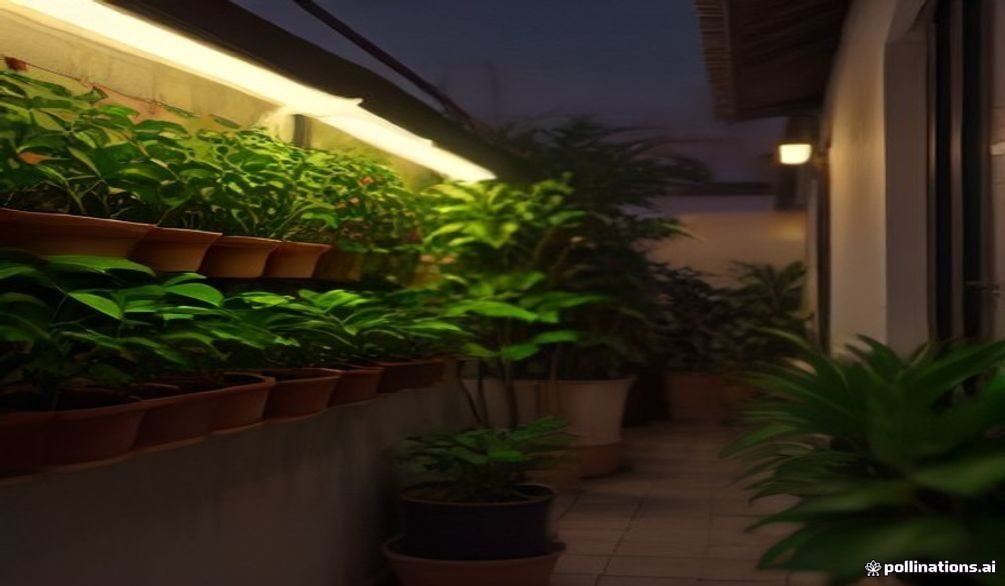
Urban spaces are often limited, so vertical gardening is a smart move for **terrace gardening for beginners**. Vertical gardens and plant walls are excellent for maximizing space on small patios and balconies. You can use recycled pallets for a rustic vertical theme or invest in ready-made vertical planters. This allows you to grow more in less footprint, which is perfect for small space gardening.
Step 8: enjoy and expand your urban oasis
The most important step is to enjoy the process! Watch your plants grow, harvest your produce, and learn from every success and setback. Once you get comfortable, you can start experimenting with new plants or expanding your setup. The simple act of tending plants, watching them grow, and harvesting what you’ve cultivated provides therapeutic benefits that reduce stress and improve mood, according to the Agriculture Institute (2025).
What are the basic terrace gardening tips to know for beginners?
The basic tips for **terrace gardening for beginners** revolve around understanding your specific environment, choosing the right tools, and committing to consistent, thoughtful care. Sustainable gardening is mostly about putting the right plant in the right place so you aren’t fighting against nature, according to Thursd (2026). This means observing your terrace’s microclimate before you even plant a seed.
Here are some essential tips for starting your urban gardening journey:
* **Start Small:** Don’t overwhelm yourself. Begin with 5-10 pots and expand as you gain confidence.
* **Invest in Good Quality:** Cheap pots and flimsy grow bags can lead to heartache. I learned this the hard way when I bought an online “grow bag” advertised as 15 litres; it held only 9 litres when filled properly because the sides were too thin to stand upright. I wasted an entire season of tomatoes because the root volume wasn’t enough. Now I only buy grow bags from physical nurseries where I can check the material thickness.
* **Use a Potting Mix, Not Garden Soil:** As mentioned, potting mix provides the aeration and drainage container plants need. Local nurseries in Bangalore often have excellent ready-made mixes.
* **Monitor Moisture:** Always check soil moisture with your finger before watering. Overwatering is a common killer, especially during the monsoon season.
* **Protect from Extreme Weather:** Indian summers can be brutal. Consider shade nets for peak afternoon sun (40°C+ heat in Delhi is no joke) and move sensitive plants to sheltered spots during heavy rains or strong winds.
* **Observe Your Plants:** They’ll tell you what they need. Yellowing leaves might mean too much water or nutrient deficiency; droopy leaves often signal thirst.
What plants are best for a terrace garden?
The best plants for **terrace gardening for beginners** are those that are compact, productive in containers, and relatively forgiving of minor mistakes. Cherry tomatoes like Pusa Ruby work better in containers than their larger counterparts, for instance.
Here’s a breakdown of great choices for your urban garden:
| Category | Recommended Plants for Terrace Gardening | Key Considerations |
|---|---|---|
| Vegetables | Bhindi (Okra), Cherry Tomatoes, Bush Beans, Lal Mirch (Chilli), Brinjal (Eggplant), Leafy Greens (Palak, Methi, Lettuce) | Choose bush varieties over vining ones for compact growth. Most need 6-8 hours of sun. |
| Herbs | Pudina (Mint), Dhania (Coriander), Tulsi (Holy Basil), Curry Leaves, Lemongrass, Ajwain (Carom) | Many herbs tolerate partial shade. Pudina spreads quickly, so give it its own pot. |
| Fruits | Dwarf varieties of Limes, Lemons, Figs, Strawberries, Blueberries | Dwarf fruit trees thrive in containers on rooftops and patios, providing fresh fruit and a touch of shade. Ensure large, stable pots. |
| Flowers | Marigolds, Portulaca, Vinca, Petunias, Zinnia | Attract pollinators and add beauty. Marigolds can also deter some pests. |
What are the benefits of terrace gardening?
The benefits of **terrace gardening for beginners** extend far beyond just fresh produce, encompassing environmental, health, and economic advantages. Terrace gardens can increase food and nutritional security, a benefit reported by 87.78% of respondents in a Hyderabad study (2022).
Let’s look at why it’s such a rewarding endeavor:
* **Fresh, Chemical-Free Produce:** You control what goes into your food. 93.33% of respondents in the Hyderabad study stated that terrace gardening allowed them to consume chemical-free vegetables (2022).
* **Improved Air Quality:** Plants act as natural air filters, especially important in polluted urban environments like Delhi.
* **Temperature Regulation:** Green roofs and terraces can help cool down buildings, reducing the urban heat island effect, a significant issue in many Indian cities.
* **Stress Reduction and Well-being:** The act of gardening itself is therapeutic. “The simple act of tending plants, watching them grow, and harvesting what you’ve cultivated provides therapeutic benefits that reduce stress and improve mood,” notes the Agriculture Institute (2025).
* **Food Security and Sustainability:** Urban farms and gardens currently contribute 15% to 20% of the global food supply, according to the National Science Foundation (2023). This engagement in urban gardening has many potential benefits in terms of food sovereignty and security, according to Steve Dudgeon, a program director in NSF’s Division of Environmental Biology (2023).
* **Aesthetics and Property Value:** A well-designed terrace garden adds beauty and can even increase the appeal and value of your home.
How much does a terrace garden cost to set up?
The cost to set up **terrace gardening for beginners** can vary widely depending on the scale, materials, and plant choices, but it doesn’t have to break the bank. For instance, the average cost for a landscape design plan for an outdoor space, including rooftop terraces, is around $4,590, with many falling between $1,955 and $7,220, according to industry estimates (2026). However, for a DIY beginner, you can start much smaller.
Here’s a general idea of costs:
* **Containers:** Plastic pots can be as low as ₹80–150 each from local nurseries, while terracotta pots might range from ₹200–500. Fabric grow bags are often very economical, starting around ₹50–100.
* **Potting Mix:** A good quality 5 kg bag of potting mix can cost ₹200–400. You’ll need more for larger setups.
* **Seeds/Saplings:** Seed packets are usually ₹30–100, while small saplings or established plants can range from ₹50–300 depending on the variety and size.
* **Tools:** Basic tools like a trowel and small pruners (Fiskars offers excellent options) can be purchased for ₹300–800.
* **Fertilizers/Pest Control:** Organic compost is inexpensive, and Neem oil (₹150–300 for a small bottle) lasts a long time.
The cost of cultivation for a small terrace garden (under 750 sq. ft.) can be around ₹1627.98 (approximately $19.50 USD), while larger ones (over 1500 sq. ft.) can cost around ₹2735.39 (approximately $32.75 USD), according to a 2025 estimate. So, you can definitely start small and budget-friendly.
How can i maintain my terrace garden for long-term success?
Maintaining your **terrace gardening for beginners** for long-term success involves consistent observation, routine care, and adapting to seasonal changes. The RHS (Royal Horticultural Society) often highlights the importance of low-maintenance gardening for sustained enjoyment.
Here are key maintenance practices:
* **Consistent Watering:** As discussed, check the soil daily, especially during hot Indian summers. Consider a simple drip irrigation system if you’re often away or have many pots.
* **Regular Feeding:** Container plants deplete nutrients faster. Replenish them every 2-4 weeks with liquid organic fertilizer or a top-dressing of compost.
* **Pruning and Deadheading:** Remove spent flowers (deadheading) to encourage more blooms and prune any yellowing or diseased leaves to keep plants healthy. This also improves air circulation.
* **Pest and Disease Management:** Regularly inspect your plants for signs of pests or diseases. Early detection makes organic control much easier. Neem oil is your best friend here.
* **Seasonal Adjustments:** In pre-monsoon (March-May), prepare for heat by adding mulch and providing shade. During monsoon (June-September), ensure excellent drainage to prevent root rot. In winter, some plants might need protection from cold, especially in North India.
* **Repotting:** As plants grow, they may become root-bound. Repotting into a larger container with fresh soil every 1-2 years gives them room to thrive.
Frequently asked questions
How do i start a small terrace garden?
To start a small terrace garden, begin by assessing your space for sunlight and wind exposure, then select appropriate, well-draining containers and a quality potting mix. Choose easy-to-grow plants like herbs or cherry tomatoes, ensuring proper drainage and consistent, finger-test-based watering.
What should i keep in mind for terrace gardening?
For terrace gardening, keep in mind the structural weight capacity of your roof, the specific sunlight requirements of your chosen plants, and the need for excellent drainage in all containers. Always prioritize organic pest control and adapt your watering schedule to the weather, checking soil moisture with your finger, not a calendar.
Which plants are ideal for a terrace garden in india?
Ideal plants for an Indian terrace garden include bhindi, cherry tomatoes, pudina, tulsi, and leafy greens like palak or methi, as they are well-suited to container growing and local climates. Dwarf fruit trees like limes and lemons also thrive, providing fresh produce, according to Thursd (2026).
Is terrace gardening profitable?
Terrace gardening can be profitable in terms of food security and reduced grocery bills, with 87.78% of Hyderabad study respondents reporting increased food and nutritional security (2022). While direct financial profit might be limited for small home setups, the value comes from fresh, chemical-free produce and therapeutic benefits.
What is the most effective method for watering a terrace garden?
The most effective method for watering a terrace garden involves checking the soil moisture with your finger daily and watering only when the top inch or two feels dry, rather than following a fixed schedule. Drip irrigation systems are also highly effective for consistent, water-efficient delivery, especially in windy terrace conditions.
Embarking on **terrace gardening for beginners** is a deeply rewarding journey that brings fresh produce, beauty, and tranquility right to your doorstep. It might seem daunting at first, but by following these 8 simple steps—from assessing your space and choosing the right plants to consistent watering and organic pest control—you’ll be well on your way to a flourishing urban oasis. Don’t be afraid to start small, learn from your plants, and enjoy every moment of cultivating your very own green haven. Your terrace is waiting to transform!