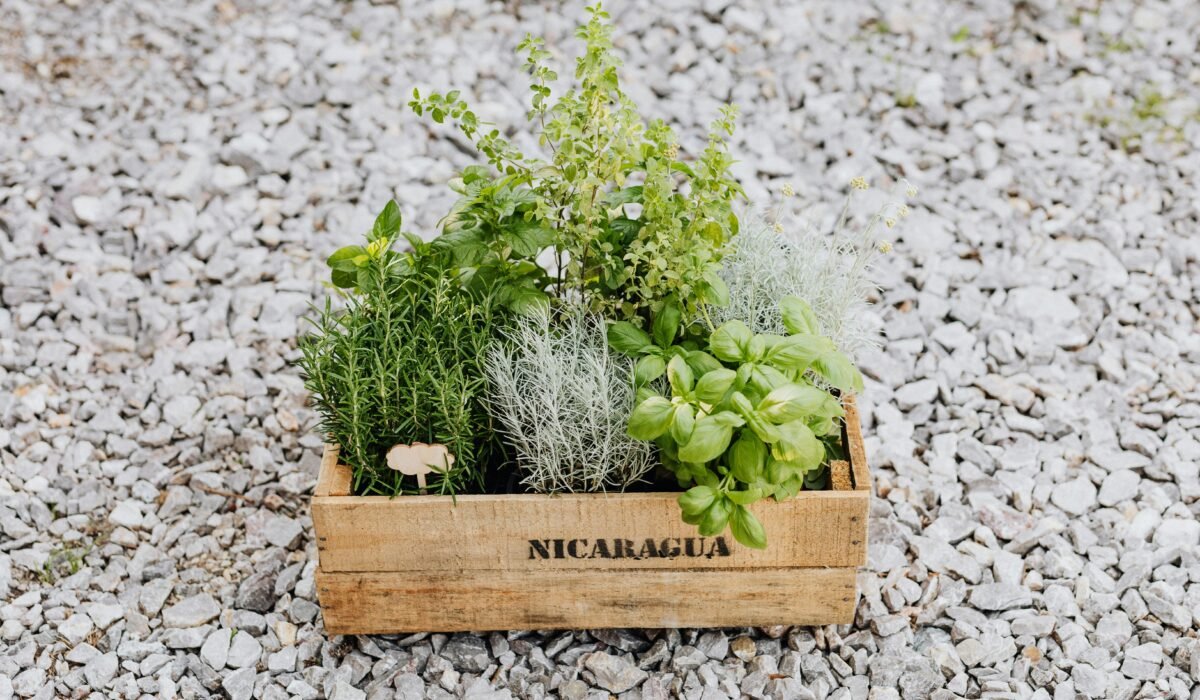
Are you tired of growing the same old basil, rosemary, and mint, year after year? If you’re looking to invigorate your garden and culinary adventures, it’s time to explore the world of unique herbs to grow. This guide will help you discover fascinating, less common varieties that will not only diversify your plant beds but also introduce exciting new flavors and uses, transforming your gardening experience beyond the basics.
What are Unique Herbs to Grow?
Unique herbs are varieties that extend beyond the common culinary staples found in most gardens and grocery stores. These can be rare culinary herbs, exotic herbs from different climates, or unusual medicinal herbs with distinct flavors, aromas, and ornamental qualities.
Often, these plants offer a fresh perspective on traditional gardening, challenging you to learn new herb cultivation techniques and expand your botanical knowledge. They provide an opportunity to introduce novel textures, colors, and scents into your garden space, appealing to all your senses.
10+ Unique Herbs to Expand Your Garden Beyond Basics
Ready to diversify your garden palette? Here are some fascinating and unique herbs to grow that promise to add intrigue and flavor to your home and kitchen.
Anise Hyssop (Agastache foeniculum)
A member of the mint family, Anise Hyssop offers a delightful mild, minty, licorice flavor. Its beautiful purple flower spikes are a magnet for pollinators, making it an excellent ornamental herb for your garden.
It thrives in full sun and well-drained soil, reaching up to 3 feet tall. Jekka McVicar, an award-winning herb expert, emphasizes the value of overlooked herbs like hyssop, noting its beauty and appeal to bees.
Borage (Borago officinalis)
Borage is a striking annual known for its vibrant, star-shaped blue flowers and fuzzy, cucumber-flavored leaves. These edible flowers are perfect for garnishes or frozen in ice cubes, while the leaves can be added to salads or used in teas.
Dan Allen, co-founder of Farmscape, praises borage as “one of my favorite edible flowers” for its prolific blooms and bold blue color, though he cautions about its tendency to self-seed freely.
Epazote (Dysphania ambrosioides)
A pungent, minty, and peppery herb, Epazote is a staple in Mexican cuisine, particularly valued for its ability to reduce the gassiness of bean dishes. It also has a long history in traditional medicine.
This hardy annual prefers full sun and well-drained soil, growing quickly in warmer climates. Its strong flavor means a little goes a long way in your cooking.
Saffron (Crocus sativus)
Considered the world’s most expensive spice, saffron comes from the delicate orange-red stigmas of the saffron crocus. Learning how to grow saffron at home is a rewarding challenge, offering a taste of luxury right from your garden.
These unique herbs require well-drained soil and a sunny spot, with bulbs planted in late summer for fall blooms. Harvesting the tiny stigmas is a labor of love, but the resulting spice is unparalleled.
Stevia (Stevia rebaudiana)
For those seeking natural sweeteners, Stevia is a must-have. Its leaves are incredibly sweet—up to 30 times sweeter than sugar—making it a healthy alternative for beverages and baking.
Stevia thrives in warmth and full sun, often grown as an annual in cooler climates. Dan Allen recommends planting it seasonally alongside basil for optimal growth, emphasizing its need for warmth.
Lemon Verbena (Aloysia citriodora)
Boasting an intense, pure lemon fragrance and flavor, Lemon Verbena is perfect for teas, desserts, and savory dishes. Its elegant leaves release a burst of citrus when bruised, making it a delightful ornamental herb as well.
It prefers full sun and well-drained soil and can be grown in containers, especially where winters are cold. Proper lemon verbena care ensures a bountiful harvest of fragrant leaves.
Roselle (Hibiscus sabdariffa)
Often called “Florida Cranberry,” Roselle is the source of the tart, vibrant red calyxes used in hibiscus teas, jams, and jellies. Its flavor profile is a delightful mix of lemon and rhubarb.
This tropical plant loves heat and humidity, thriving in full sun and rich, well-drained soil. It’s a striking addition to the garden, offering both beauty and a unique harvest.
Mexican Tarragon (Tagetes lucida)
If you love the anise-like flavor of French tarragon but struggle to grow it, Mexican Tarragon is an excellent substitute. This resilient plant offers a similar taste profile and is much easier to cultivate in warmer climates.
It produces bright yellow marigold-like flowers and prefers full sun with moderate water. This unusual herb is a fantastic addition to chicken, fish, and egg dishes.
Lovage (Levisticum officinale)
With a strong celery-like flavor, Lovage leaves and seeds can be used to add depth to soups, stews, salads, and stocks. It’s a robust perennial that can grow quite large, making a statement in your herb garden.
Lovage prefers full sun to partial shade and consistently moist, rich soil. Its vigorous growth means you’ll have plenty of this rare culinary herb to experiment with.
Perilla (Perilla frutescens)
Also known as Shiso, Perilla is a popular herb in Asian cuisine, especially Japanese and Korean dishes. Green perilla has a cinnamon-like flavor, while red perilla offers a more anise-like note.
This plant prefers partial shade and moist, well-drained soil. The vibrant leaves of the perilla plant add both flavor and visual appeal to salads, sushi, and stir-fries.
Essential Tips for Growing Unique Herbs Successfully
Venturing into unusual herbs requires a thoughtful approach to ensure their success. Here’s how to master herb cultivation and enjoy a thriving garden.
- Research Specific Needs: Each unique herb has particular growing conditions. Before planting, understand its preferences for sun exposure, soil type, water requirements, and hardiness zone. This is crucial for exotic herbs that might have very specific demands.
- Start with Quality Seeds or Plants: Investing in healthy seeds or young plants from reputable suppliers sets you up for success. Look for varieties suited to your local climate or consider growing conditions indoors if necessary.
- Provide Optimal Soil: Most herbs prefer well-drained soil, often enriched with organic matter. For container growing, a high-quality potting mix is essential. Charles Dowding, a no-dig gardening advocate, reminds us that “Your soil and plants are friends that benefit from constant care and attention to the details.”
- Ensure Proper Watering: While many herbs are drought-tolerant once established, unique varieties might have different needs. Avoid overwatering, which can lead to root rot, but ensure consistent moisture, especially during dry spells.
- Consider Sunlight Requirements: Most herbs thrive in full sun (6+ hours daily), but some, like Perilla, prefer partial shade. Observe your garden throughout the day to find the ideal spot for each plant.
- Harvest Regularly: Regular harvesting encourages bushier growth and prevents plants from going to seed too quickly. Use sharp FELCO pruners or snips for clean cuts, promoting plant health.
Troubleshooting Common Issues with Unique Herb Varieties
Even experienced gardeners can encounter challenges with new varieties. Understanding common issues specific to unique herbs can help you diagnose and resolve problems quickly, ensuring your plants flourish.
Pest and Disease Management
Unusual herbs can still fall prey to common garden pests, though some exotic herbs may have natural resistances. Keep an eye out for aphids, spider mites, or whiteflies, especially on tender new growth.
Employ organic pest control methods like neem oil or insecticidal soap. For specific issues like fungal diseases, ensure good air circulation and avoid overhead watering. If your plants show signs of distress, our guide on Fix Stunted Plant Growth offers broader solutions.
Bolting and Flowering
Many herbs, especially annuals, tend to “bolt” (go to seed) prematurely in hot weather or if stressed. This often diminishes leaf flavor. For unique herbs like Borage, which self-sows prolifically, regular deadheading can prevent unwanted spread and encourage more blooms.
To prevent bolting, ensure adequate watering and consider providing some afternoon shade during intense heat. Pinching back flower buds on leafy herbs also helps redirect energy into foliage production.
Nutrient Deficiencies and Soil Health
Exotic varieties might have specific nutrient needs that differ from common garden plants. Yellowing leaves can indicate nitrogen deficiency, while purple hues might signal a phosphorus issue. What most people miss is that soil pH also plays a critical role in nutrient availability.
Conduct a soil test to understand your soil’s composition and pH. Amend with compost or targeted organic fertilizers to correct imbalances. Using a vertical garden planter like the Garden Tower Project can also help turn kitchen waste into rich, organic fertilizer, feeding your unique herbs naturally.
Integrating Unique Herbs into Your Garden Design
Beyond their utility, unique herbs offer incredible aesthetic value, allowing you to create a garden that’s both beautiful and bountiful. Integrating them thoughtfully can enhance your outdoor spaces.
Designing with Purpose and Beauty
Consider the mature size and growth habit of each herb. Tall Lovage can create a dramatic backdrop, while the delicate flowers of Borage add splashes of blue. Pineapple Sage, as noted by organic herb farmer Anna Hackman, makes a “gorgeous landscape plant” with its vibrant blooms.
Mix and match textures and colors. The deep green of Perilla can contrast beautifully with the silvery foliage of other plants. Think about creating layers, just as you would with ornamental plants, to add depth and interest.
Container Gardening and Small Spaces
For gardeners with limited space, many unique herbs thrive in containers. Growing conditions can be easily controlled, and plants can be moved to optimal sun exposure or protected from harsh weather. This is especially useful for tropical herbs in temperate climates.
Vertical gardens are an excellent solution for maximizing space and showcasing diverse herbs. If you’re looking for inspiration, our article on Vertical Garden Plant Combinations offers design ideas, and a DIY Balcony Herb Spiral can be a perfect home for your unique collection.
Companion Planting for Unique Herbs
Companion planting isn’t just for vegetables; it can benefit your unique herb garden too. For example, planting Anise Hyssop near vegetables can attract beneficial pollinators, improving yields across your garden.
Some herbs, like Epazote, are known to deter certain pests, offering natural protection to neighboring plants. Research specific companion planting strategies for your chosen unique herbs to create a harmonious and productive ecosystem.
Beyond the Kitchen: Unexpected Uses for Unique Herbs
While their culinary applications are often the primary draw, many unique herbs offer a wealth of benefits that extend far beyond the kitchen, touching on medicinal, ornamental, and even economic realms.
Medicinal and Wellness Applications
Historically, many unusual medicinal herbs were valued for their healing properties. Epazote, for instance, has been traditionally used for digestive ailments. Stevia provides a natural, calorie-free sweetener, beneficial for managing blood sugar.
It’s important to research the traditional uses and consult with healthcare professionals before using herbs for medicinal purposes. However, growing these plants can connect you to ancient wellness practices.
Ornamental Beauty and Fragrance
Many unique herbs are stunning additions to the landscape. Borage’s vibrant blue flowers and Anise Hyssop’s purple spikes add color and attract beneficial insects. Lemon Verbena’s intense citrus scent can perfume an entire garden area, creating a sensory delight.
Integrating these plants for their ornamental value means you’re not just growing food, but also crafting a beautiful, fragrant, and ecologically rich environment. Anna Hackman also points out that lemongrass, while flavorful, is an “easy plant to grow” and offers ornamental appeal.
Economic Value and Seed Saving
Some unique herbs, like saffron, hold significant economic value due to their rarity and labor-intensive harvesting. Growing saffron at home, while a niche pursuit, can yield a precious spice. The global gardening market, valued at USD 120 billion in 2024, shows a robust interest in diverse plants, with “specific varieties of plant type” being a key decision factor for 36% of plant purchases.
Beyond direct economic gain, growing rare culinary herbs allows you to save seeds, preserving unique genetic lines and sharing them with other enthusiasts, fostering a community around unusual herbs.
Where to Find Unique Herb Seeds and Plants?
Finding unique herbs requires a bit more effort than common varieties, but the reward is well worth the search. Here’s how to source your next garden adventure.
Specialty Seed Companies
Many online retailers specialize in rare and unusual seeds. Websites like The Growers Exchange offer a wide selection of unique herb plants and valuable gardening advice. Look for companies with strong reviews and detailed growing information.
These companies often provide seeds for exotic herbs that you won’t find at local garden centers, alongside comprehensive guides for successful herb cultivation.
Local Nurseries and Farmers’ Markets
While less common, some independent nurseries and farmers’ markets may carry unique herb starts, especially if they focus on organic or heirloom varieties. It’s always worth asking, as local growers often have a passion for unusual plants.
This is a great way to find plants already adapted to your local climate and support small businesses. You might even find rare culinary herbs for beginners that are already thriving.
Online Gardening Communities and Forums
Online communities are fantastic resources for discovering where to buy unusual herb seeds. Members often share their favorite suppliers, trade seeds, or offer advice based on their own experiences.
Joining these groups can connect you with a network of passionate gardeners, helping you uncover hidden gems and learn about unique herbs to grow that you might not have considered otherwise.
Frequently Asked Questions
What are the rarest herbs to grow?
The rarest herbs to grow often include true saffron (Crocus sativus), which is notoriously expensive due to its labor-intensive harvest, and certain heirloom varieties of herbs like specific types of Perilla or exotic spices. These are not commonly found in typical garden centers and require sourcing from specialty suppliers.
What herbs are not commonly grown?
Herbs not commonly grown include Epazote, Mexican Tarragon, Roselle, Lovage, and Anise Hyssop. While they offer distinct flavors and uses, they are often overshadowed by more familiar herbs like basil and mint, making them excellent choices for expanding your garden beyond basics.
What is an unusual herb?
An unusual herb is any variety that deviates from the mainstream culinary or medicinal herbs typically found in home gardens or grocery stores. Examples include Borage with its cucumber-flavored leaves and blue flowers, or Stevia, which offers a natural, intense sweetness from its leaves.
What are some exotic herbs?
Exotic herbs often originate from warmer climates and bring unique flavors and growth habits. Examples include Roselle (Hibiscus sabdariffa), which yields tart calyxes for tea, and Lemongrass, known for its citrusy aroma and use in Asian cuisine, thriving in tropical or subtropical conditions.
Embracing unique herbs to grow is a fantastic way to rekindle your passion for gardening and infuse new life into your kitchen. From the delicate stigmas of saffron to the vibrant blooms of borage, these unusual herbs offer a world of discovery. Start small, experiment with a few varieties, and watch your garden transform into a truly distinctive and flavorful sanctuary.