Key Takeaways
- Food-grade plastics like HDPE and PP are recommended for vertical garden container materials, ensuring no harmful chemicals leach into plants, according to MIgardener (2026).
- The global vertical garden construction market is projected to reach $1.24 billion in 2026, growing at a 9.9% CAGR, according to Research and Markets (2026).
- Corten steel scores 9.5/10 for durability in planter box materials, requiring minimal maintenance in all climates, based on expert fabricator observations (2026).
- Breathable fabric grow bags promote healthier root systems by preventing root circling, a common issue with traditional plastic pots, as noted by gardening experts (2026).
- Investing in durable vertical garden container materials upfront can significantly reduce long-term replacement costs and maintenance, enhancing overall garden resilience, states Robert Witcomb (2026).
Choosing the right **Vertical Garden Container Materials** is fundamental to the success and longevity of your elevated garden, directly impacting plant health, maintenance, and overall aesthetic. As an expert gardener with over a decade of experience, I know that selecting appropriate materials can prevent common gardening setbacks and ensure your vertical garden thrives for years to come. This guide will walk you through the best options, their benefits, and how to make informed choices for your green space.
Quick Answer: The best vertical garden container materials balance durability, cost, and plant health. Top choices in 2026 include treated wood, various metals, food-grade plastics (HDPE, PP), and breathable fabrics. Prioritize sustainability and specific plant needs for optimal long-term success.
What Are the Best Vertical Garden Container Materials in 2026?
The best **Vertical Garden Container Materials** in 2026 are those that offer a blend of durability, plant safety, and aesthetic appeal, catering to diverse gardening needs and environmental conditions. Experts generally recommend options like treated wood (cedar, redwood), various metals (galvanized steel, aluminum, Corten steel), food-grade plastics (HDPE, polypropylene), and breathable fabrics, according to insights from industry leaders like MIgardener (2026). These materials have proven their efficacy in supporting healthy plant growth while withstanding outdoor elements.
In my experience, the choice often comes down to balancing initial investment with long-term performance. For instance, while some plastics offer a low entry cost, their longevity might be compromised by UV degradation over time. High-quality **Vertical Garden Container Materials** like cedar or galvanized steel, on the other hand, provide exceptional durability.
Here are some of the top-performing vertical garden container materials:
- Treated Wood: Cedar and redwood are popular due to their natural resistance to rot and pests. They offer an organic, warm aesthetic.
- Metals: Galvanized steel and aluminum are excellent for modern designs, offering strength, weather resistance, and longevity. Corten steel is highly valued for its unique rusted patina and extreme durability.
- Food-Grade Plastics: High-density polyethylene (HDPE) and polypropylene (PP) are lightweight, affordable, and safe for edible plants when designated food-grade.
- Breathable Fabrics: Fabric grow bags, often made from recycled PET, promote air pruning of roots, leading to a healthier root structure and preventing root circling.
- Fiber-Reinforced Resin Composite: These materials offer a lightweight yet robust alternative, often mimicking the look of natural stone or metal.
Each of these **Vertical Garden Container Materials** presents unique advantages, and understanding these can guide your decision-making process. The global vertical garden construction market is projected to grow from $1.13 billion in 2025 to $1.24 billion in 2026, according to Research and Markets (2026), highlighting the increasing demand for effective and durable solutions.
Comparing Common Vertical Garden Container Materials: Pros and Cons
When evaluating **Vertical Garden Container Materials**, a detailed comparison of their pros and cons is essential to make an informed decision that aligns with your gardening goals and budget. Each material presents a unique set of characteristics that impact plant health, maintenance, and overall system longevity, as highlighted by numerous gardening resources (2026). Understanding these differences helps in selecting the most suitable options for your specific vertical garden setup.
From my perspective, gardeners often underestimate the impact of material choice on plant vitality. For example, some materials retain heat differently, which can affect root temperatures and moisture levels. The right **Vertical Garden Container Materials** can significantly reduce the frequency of watering and the risk of root rot.
Consider the following table for a quick overview of common **Vertical Garden Container Materials**:
| Material Type | Pros | Cons | Best For |
|---|---|---|---|
| Treated Wood (Cedar, Redwood) | Natural aesthetic, good insulation, naturally rot-resistant. | Can be expensive, requires occasional sealing, heavier than plastic. | Ornamental plants, herbs, leafy greens. |
| Galvanized Steel / Aluminum | Durable, weather-resistant, modern look, lightweight (aluminum). | Can heat up in direct sun, potentially expensive, specific aesthetic. | Hydroponic vertical garden systems, modern designs, high-traffic areas. |
| Corten Steel | Extremely durable, unique rustic patina, virtually maintenance-free. | High initial cost, heavy, runoff can stain surfaces initially. | Permanent installations, drought-tolerant plants, large vertical garden structures. |
| Food-Grade Plastics (HDPE, PP) | Lightweight, affordable, easy to clean, versatile, UV-resistant options. | Can degrade over time (non-UV resistant), less aesthetic appeal, not always breathable. | Cost-effective setups, edible gardens, GreenStalk Vertical Garden and Garden Tower Project are examples. |
| Breathable Fabric (Grow Bags) | Excellent root health (air pruning), lightweight, good drainage, prevents overwatering. | Dries out faster, less aesthetic, shorter lifespan than rigid materials, not ideal for all **Vertical Garden Container Materials** setups. | Root vegetables, herbs, annuals, temporary setups. |
| Fiber-Reinforced Resin Composite | Lightweight, strong, weather-resistant, mimics natural materials. | Can be expensive, limited aesthetic options compared to natural wood/metal. | Modern designs, lightweight structures, large-scale installations. |
Each of these **Vertical Garden Container Materials** offers distinct advantages. For example, Lettuce Grow Farmstand utilizes ocean-bound plastic, demonstrating a commitment to sustainability while providing a functional hydroponic vertical garden system.
Long-Term Cost-Benefit: Investing in Vertical Garden Materials
Understanding the long-term cost-benefit of different **Vertical Garden Container Materials** is crucial for any gardener, as initial savings can often lead to greater expenses down the line. While a cheaper material might seem appealing at first, its shorter lifespan, higher maintenance needs, or potential for plant health issues can quickly negate any upfront financial advantage. Robert Witcomb, a Sustainable Garden Design Expert, emphasizes that “Investing in eco-conscious outdoor design is not just about reducing environmental impact, but about creating resilient, attractive spaces that remain relevant and valuable over time” (2026).
This perspective applies directly to **Vertical Garden Container Materials**. Consider the full lifecycle cost. A plastic container might cost less initially, but if it degrades under UV light within a few years, as many non-UV-stabilized plastics do, you’ll incur replacement costs and the labor associated with replanting.
Here’s how different materials stack up in terms of long-term value:
- High-Quality Plastics (e.g., GreenStalk Vertical Garden): While plastic is generally affordable, investing in food-grade, UV-resistant plastic like that used by GreenStalk Vertical Garden significantly extends its life. This reduces replacement frequency and ensures plant safety, offering a good balance of cost and longevity.
- Treated Wood (Cedar, Redwood): These woods have a higher initial cost but boast natural rot and pest resistance, often lasting 10-20 years with proper care. Minimal maintenance, such as occasional sealing, further extends their lifespan, making them a wise long-term investment.
- Metals (Galvanized Steel, Aluminum, Corten Steel): Metals represent a higher upfront investment but offer exceptional durability. Corten steel planters, for instance, have been observed to perform flawlessly for over 20 years with zero maintenance beyond occasional cleaning, according to expert fabricators (2026). This makes them excellent for those seeking durable vertical garden planters.
- Fabric Grow Bags: These are very affordable and excellent for root health. However, their lifespan is typically 3-7 years, meaning more frequent replacement. This cost-benefit analysis must factor in both the material cost and the labor of re-potting.
The vertical farming market size was estimated at USD 7.4 billion in 2025 and is expected to reach USD 9 billion in 2026, according to Global Market Insights Inc. (2026). This growth underscores the importance of choosing durable and cost-effective **Vertical Garden Container Materials** that can support the industry’s expansion and individual gardener’s success.
Plant-Specific Material Compatibility for Your Vertical Garden
Selecting the right **Vertical Garden Container Materials** is not just about durability and aesthetics; it’s also about ensuring optimal compatibility with the specific plants you intend to grow. Different plants have varying needs for root space, moisture retention, and temperature stability, all of which are influenced by the container material. For instance, plants that prefer consistently moist soil might thrive in materials that retain water well, while those prone to root rot need excellent drainage.
In my years of gardening, I’ve seen firsthand how a mismatch between plant and container material can lead to stunted growth or even plant death. For example, herbs and leafy greens often prefer different conditions than root vegetables. The ideal **Vertical Garden Container Materials** will enhance your plants’ natural growing habits.
Here’s a breakdown of plant-specific material compatibility:
- Herbs and Leafy Greens (e.g., Lettuce, Spinach, Basil): These plants generally have shallow root systems and prefer consistent moisture.
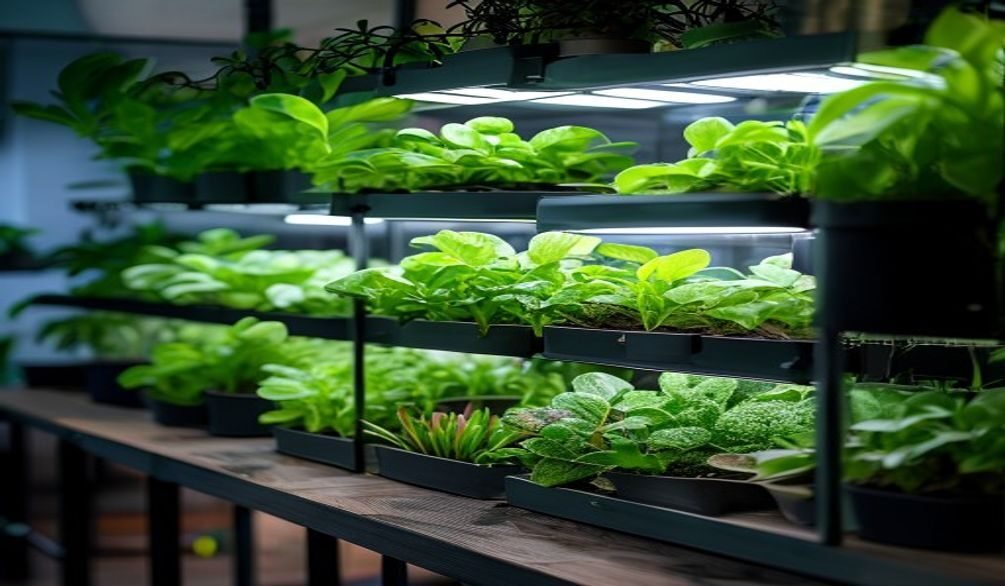
- Best Materials: Food-grade plastics (HDPE, PP), especially in hydroponic vertical garden systems like Lettuce Grow Farmstand or AeroFarms setups, which ensure precise nutrient and water delivery. Treated wood also works well due to its insulating properties.
- Why: These materials maintain stable temperatures and moisture, crucial for rapid growth.
- Root Vegetables (e.g., Carrots, Radishes, Beets): Require deeper containers and excellent drainage to prevent rot and allow for proper root development.
- Best Materials: Breathable fabric grow bags or deep, sturdy plastic containers like those found in the Garden Tower Project.
- Why: Fabric promotes air pruning, leading to dense, healthy root balls without circling, which is ideal for root crops. Deep plastic ensures ample space.
- Succulents and Drought-Tolerant Plants: Need excellent drainage and materials that don’t retain too much moisture.
- Best Materials: Metal containers (aluminum, Corten steel) or composite materials that dry out quickly.
- Why: These materials prevent waterlogging and allow the soil to dry between waterings, mimicking their natural arid environments.
- Vining Plants (e.g., Strawberries, Small Tomatoes): Benefit from sturdy structures that can support their weight and allow tendrils to cascade.
- Best Materials: Robust treated wood or metal structures. The GreenStalk Vertical Garden, with its stable stacking design, is also excellent for strawberries.
- Why: Provides necessary physical support and stability as the plants grow and bear fruit.
The aeroponics segment in the U.S. vertical farming market is projected to grow at the fastest CAGR of 24.3% from 2026 to 2034, according to a May 2026 report, indicating a strong trend towards systems that optimize plant-specific nutrient delivery and yield. Choosing the right **Vertical Garden Container Materials** is a foundational step in harnessing this potential for your garden.
DIY Vertical Garden Materials: Safety and Best Practices
For those looking to create a DIY vertical garden, understanding the safety implications and best practices for **Vertical Garden Container Materials** is paramount to ensure both plant health and human well-being. Repurposing materials is eco-friendly and cost-effective, but not all materials are safe for growing edible plants, especially due to potential chemical leaching. My advice is always to prioritize safety, especially when food-grade plastic for gardening is concerned.
Many articles suggest repurposing household items, but it’s critical to be discerning. For example, while old tires might seem like a creative solution, they can leach harmful chemicals into the soil, making them unsuitable for edibles. The key is to select **Vertical Garden Container Materials** that are inert and won’t contaminate your plants.
Here are essential safety and best practices for DIY **Vertical Garden Container Materials**:
- Identify Food-Grade Plastics: Look for recycling codes #2 (HDPE) or #5 (PP) on plastic containers. These are generally considered safe for food contact and gardening. Avoid plastics with codes #3 (PVC), #6 (PS), and #7 (Other) as they may leach harmful chemicals.
- Avoid Chemically Treated Wood: Pressure-treated lumber, especially older versions, can contain chromated copper arsenate (CCA) which is toxic. Opt for naturally rot-resistant woods like cedar or redwood, or use untreated lumber sealed with a food-safe sealant.
- Clean and Prepare Materials Thoroughly: Before use, thoroughly clean any repurposed **Vertical Garden Container Materials** to remove residues. Use a mild soap and water solution, followed by a good rinse.
- Ensure Adequate Drainage: Regardless of material, proper drainage is non-negotiable. Drill sufficient drainage holes in the bottom of your DIY containers to prevent waterlogging and root rot.
- Use Non-Toxic Paints and Sealants: If you choose to paint or seal your DIY containers, ensure the products are labeled as food-safe or non-toxic. This is particularly important for interior surfaces that will be in contact with soil and roots.
- Consider Material Weight and Structural Integrity: DIY vertical garden systems can become heavy once filled with soil and plants. Ensure your chosen **Vertical Garden Container Materials** and the overall structure are robust enough to support the weight, especially if hanging. For a secure setup, refer to guides on DIY Vertical Garden Systems.
North America accounted for 40.31% of the global vertical farming market share in 2025, according to Precedence Research (2026), indicating a strong interest in innovative and often DIY gardening solutions within the region. By following these safety guidelines for **Vertical Garden Container Materials**, you can confidently build a thriving and safe vertical garden.
What Type of Plastic is Safe for Vertical Gardens?
The type of plastic that is safe for vertical gardens is primarily **food-grade plastic**, specifically High-Density Polyethylene (HDPE) and Polypropylene (PP), identified by recycling codes #2 and #5 respectively. These plastics are considered inert and do not leach harmful chemicals into the soil or plants, making them ideal **Vertical Garden Container Materials** for growing edibles, as advised by MIgardener (2026). Choosing the right plastic is critical, especially when cultivating fruits, vegetables, or herbs for consumption.
Many gardeners are understandably concerned about plastics, but not all plastics are created equal. The key is to look for materials that are certified food-safe and designed for long-term outdoor use. For instance, the GreenStalk Vertical Garden and the Garden Tower Project both utilize durable, food-grade, BPA- and PVC-free plastics, demonstrating commitment to plant and consumer safety in their **Vertical Garden Container Materials**.
Here’s a closer look at safe plastic options for **Vertical Garden Container Materials**:
- High-Density Polyethylene (HDPE, Recycling Code #2):
- Characteristics: Durable, rigid, resistant to impacts and chemicals, and can withstand a wide range of temperatures. It’s often used for milk jugs, detergent bottles, and some vertical garden systems.
- Safety: Considered one of the safest plastics for food and gardening. It does not leach BPA or phthalates.
- Polypropylene (PP, Recycling Code #5):
- Characteristics: Semi-rigid, heat-resistant, and has a high melting point. Commonly used for yogurt containers, medicine bottles, and many garden pots.
- Safety: Also widely regarded as safe for food contact and gardening. It’s free from BPA and phthalates.
- Avoid these plastics for edibles:
- Polyvinyl Chloride (PVC, Recycling Code #3): Can leach phthalates and other toxins, especially when exposed to heat or UV light.
- Polystyrene (PS, Recycling Code #6): Often found in disposable cups and take-out containers; can leach styrene, a suspected carcinogen.
- Polycarbonate (PC, Recycling Code #7, “Other”): May contain BPA, a known endocrine disruptor.
Always check for manufacturer certifications or clear labeling indicating “food-grade” or “BPA-free” when purchasing plastic **Vertical Garden Container Materials**. This ensures you’re providing a safe environment for your plants and a healthy harvest for yourself.
Ensuring Durability and Longevity in Your Vertical Garden System 2026
Ensuring durability and longevity in your vertical garden system in 2026 begins with the careful selection of **Vertical Garden Container Materials** that can withstand environmental stressors and the passage of time. A durable system minimizes maintenance, reduces replacement costs, and provides a stable environment for consistent plant growth. From my extensive experience, investing in robust materials upfront pays dividends in the long run by preventing structural failures and material degradation.
What most people miss is that longevity isn’t just about the material itself, but how it interacts with its environment—sun, rain, temperature fluctuations, and even the type of soil or growing medium. SingularGreen, a vertical gardening company, states that “vertical gardens that use organic substrate tend to degrade more quickly” compared to systems using rockwool which offer “significantly longer durability” (2026). This highlights that both container and substrate choices influence overall system lifespan.
Key factors and material choices for maximizing durability of **Vertical Garden Container Materials**:
- UV Resistance: For outdoor vertical gardens, materials must be UV-stabilized to prevent brittleness, fading, and degradation from sun exposure. This is especially crucial for plastics.
- Weather Resistance: Materials should be able to withstand rain, humidity, frost, and extreme temperatures without cracking, rusting, or rotting.
- Metals: Galvanized steel offers rust resistance, while Corten steel develops a protective patina. Aluminum is naturally resistant to corrosion.
- Treated Wood: Cedar and redwood inherently resist rot and insects, but require proper sealing to maintain integrity.
- Material Thickness and Quality: Thicker gauges of plastic or metal, and higher quality cuts of wood, will naturally last longer. Cheaper, thinner materials are prone to warping and breaking.
- Structural Integrity: The design of the vertical garden system itself contributes to longevity. Stackable systems like GreenStalk Vertical Garden or robust tower designs like the Garden Tower Project are built for stability and long-term use.
- Hydroponic vs. Soil-Based Systems:
- Hydroponic systems: Often use rockwool or inert media, which do not break down, contributing to the longevity of the system’s internal components and **Vertical Garden Container Materials**. AeroFarms exemplifies advanced hydroponic durability.
- Soil-based systems: Organic substrates can contribute to material breakdown over time, especially with wood, necessitating more robust and well-drained **Vertical Garden Container Materials**.
Corten steel scores 9.5/10 for durability in planter box materials, requiring very little maintenance and performing well in all climates, according to expert fabricators (2026). This demonstrates that choosing the right **Vertical Garden Container Materials** can dramatically extend the life of your garden.
Choosing Sustainable Vertical Garden Materials for an Eco-Friendly Setup
Choosing sustainable **Vertical Garden Container Materials** is an increasingly vital consideration for gardeners aiming to create an eco-friendly setup, reflecting a growing global emphasis on environmental responsibility. Sustainable choices reduce your carbon footprint, minimize waste, and often lead to healthier plants by avoiding harmful chemicals. As Gaurav, I believe that our gardening practices should align with broader ecological goals, making material selection a critical step towards a greener future.
The movement towards sustainable gardening is more than a trend; it’s a necessity. When we opt for recycled, recyclable, or naturally renewable **Vertical Garden Container Materials**, we contribute positively to the environment. This approach is gaining traction, with industry publications like Greenhouse Grower discussing how sustainability will take center stage in 2026 (2026).
Here are key aspects for choosing sustainable **Vertical Garden Container Materials**:
- Recycled Plastics: Opt for vertical garden systems made from recycled plastics, especially ocean-bound plastics. The Lettuce Grow Farmstand, for example, is constructed from ocean-bound plastic, demonstrating how repurposing waste can create functional and aesthetic gardening solutions. This reduces plastic pollution and the demand for virgin plastic production.
- Responsibly Sourced Wood: If choosing wood, look for FSC (Forest Stewardship Council) certified timber. This ensures the wood comes from sustainably managed forests. Cedar and redwood, while durable, should be sourced with environmental impact in mind.
- Breathable Fabric Grow Bags: Many fabric grow bags are made from recycled PET (polyethylene terephthalate), offering a second life to plastic bottles. These bags are also reusable for multiple seasons, reducing single-use plastic waste.
- Durable, Long-Lasting Materials: Sustainability isn’t just about recycled content; it’s also about longevity. Materials that last for decades, like Corten steel or high-quality aluminum, are sustainable because they reduce the need for frequent replacement and the resources associated with manufacturing new products.
- Local Sourcing: Whenever possible, choose **Vertical Garden Container Materials** sourced locally. This reduces transportation emissions and supports local economies.
- Recyclability at End-of-Life: Consider whether the materials you choose can be recycled at the end of their useful life. Metals are highly recyclable, while some plastics can be, depending on local facilities.
Robert Witcomb reiterates the importance of these choices, stating that eco-conscious design creates “resilient, attractive spaces that remain relevant and valuable over time.” By prioritizing these sustainable **Vertical Garden Container Materials**, you not only benefit your garden but also contribute to a healthier planet.
Frequently Asked Questions
What is the best material for vertical garden?
The best material for a vertical garden depends on your specific needs, but durable food-grade plastics (HDPE, PP), naturally rot-resistant woods like cedar, and weather-resistant metals (galvanized steel, aluminum, Corten steel) are top contenders. Corten steel scores 9.5/10 for durability, performing exceptionally in all climates with minimal maintenance, according to expert fabricators (2026). Always consider plant compatibility, longevity, and your budget.
What materials are used for vertical gardens?
Common materials used for vertical gardens include various types of plastics (food-grade HDPE, PP), natural woods (cedar, redwood), metals (galvanized steel, aluminum, Corten steel), and breathable fabrics. The global vertical garden construction market is projected to reach $1.24 billion in 2026, indicating a broad range of materials are being utilized in this growing sector, according to Research and Markets (2026). Each material offers unique benefits for different garden designs and plant types.
How do you make a vertical garden planter?
To make a vertical garden planter, you can repurpose materials like plastic bottles (HDPE #2 or PP #5), wooden pallets, or fabric shoe organizers, ensuring they are clean and safe for gardening. Always ensure adequate drainage by drilling holes in the bottom of containers to prevent waterlogging. For sturdy DIY options, consult guides on DIY Vertical Garden Systems.
What is a good material for outdoor planters?
Good materials for outdoor planters are those that are durable, weather-resistant, and won’t leach harmful chemicals into the soil, such as treated cedar or redwood, galvanized steel, aluminum, Corten steel, and UV-stabilized food-grade plastics. These materials offer longevity and structural integrity against the elements. For example, Corten steel is noted for its exceptional durability and low maintenance even in harsh outdoor conditions, according to expert fabricators (2026).