Key Takeaways
- The global vertical garden system market is projected to reach $4.2 billion by 2034, growing at an 11.2% CAGR, according to market analysis (2025).
- Modular Vertical Garden Systems held the largest share at 38.5% of the vertical garden system market in 2025.
- Ferns like Boston fern and Bird’s Nest fern are excellent for shaded vertical gardens, offering lush greenery.
- English Ivy, a popular climbing plant, thrives in partial to full shade and acts as an excellent air purifier.
- Pothos is an easy-care plant ideal for indoor vertical gardens and shaded areas, according to gardening experts.
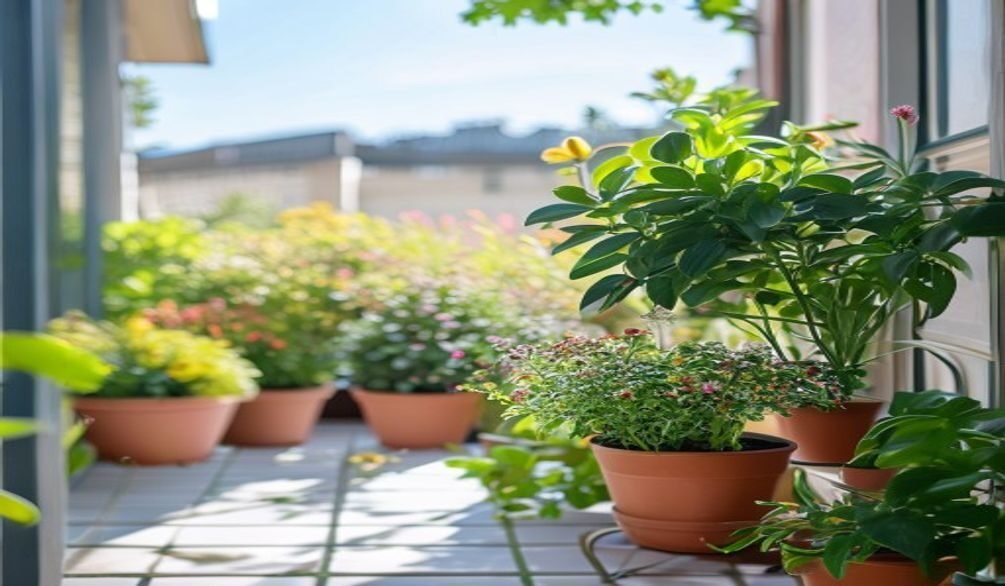
Most Bangalore balcony gardeners struggle with finding enough direct sunlight for their plants, especially in compact spaces. It’s a common frustration, isn’t it? But don’t worry, creating a thriving green oasis is still possible by choosing the right vertical garden plants for shade.
Quick Answer: For shaded vertical gardens, excellent plant choices include ferns, hostas, begonias, English ivy, and pothos, as they thrive in low-light conditions and offer diverse foliage and color.
What plants grow well in vertical gardens in shade?
Plants that naturally thrive in low-light conditions are ideal for vertical gardens in shaded areas, as they’ve adapted to less direct sun. Epiphytes or lithophytes, which are plants that naturally grow without soil, work particularly well in vertical garden setups, according to Flower Power.
You’re not alone if you’ve tried to grow sun-loving plants in a shady spot and watched them struggle. It’s a common mistake, and honestly, even I’ve made it in my early days of balcony gardening in Pune. The key is to pick plants that are genuinely shade tolerant vertical plants. Think about the understory of a forest – those are the kinds of conditions these plants love. They don’t need intense sun to flourish; in fact, too much can harm them.
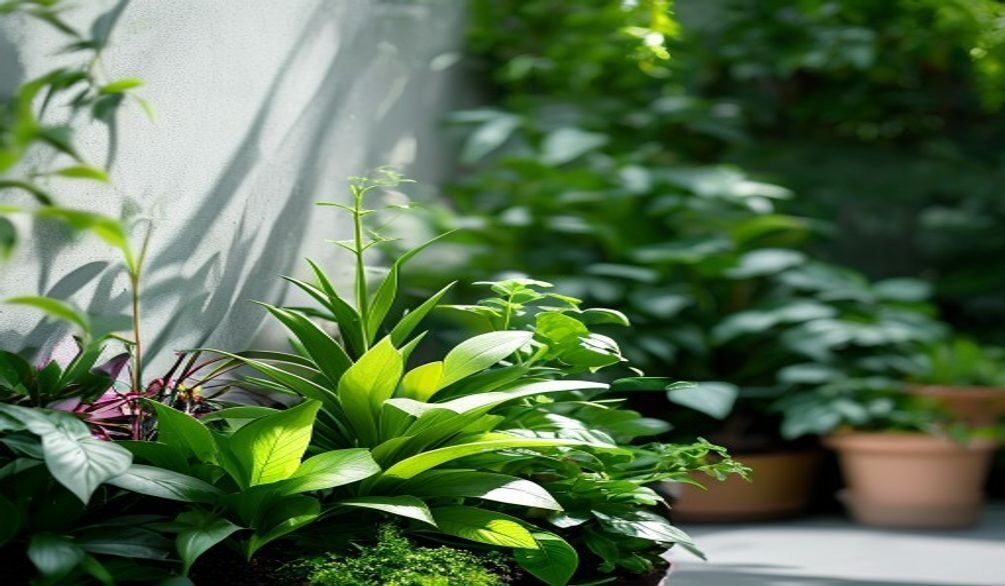
Some of the best options for low light vertical garden setups include various ferns, hostas, and certain flowering plants like begonias. These plants not only tolerate shade but often display more vibrant foliage or bloom longer in dappled light. It’s all about matching the plant’s natural habitat to your garden’s conditions.
Why choose shade-loving plants for your vertical garden?
Choosing shade-loving plants for your vertical garden maximizes the use of often-underutilized low-light spaces, turning a dull area into a vibrant green wall. The vertical gardening segment is projected to grow at approximately 8% over the next five years, fueled by initiatives promoting green infrastructure, according to data from April 2026.
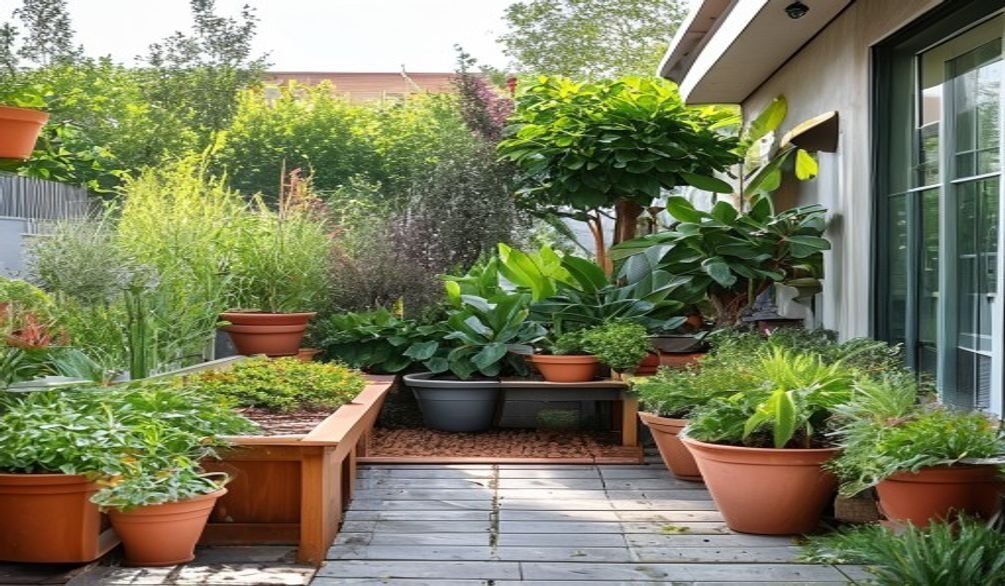
Many urban homes, especially in cities like Mumbai or Delhi, have balconies or patios that receive only a few hours of indirect sunlight, or even none at all. Instead of giving up on greenery in these spots, you can make them flourish with the right vertical garden plants for shade. These plants are tough, adaptable, and often require less direct attention once established.
Plus, shade-loving plants can often handle the specific moisture and air circulation challenges that come with vertical garden systems better than their sun-loving counterparts. They’re less prone to drying out too quickly in exposed vertical pockets, which is a big win, especially during the Indian summer heat when temperatures can easily hit 40°C+.
7 best vertical garden plants for shady areas
For a beautiful and thriving green wall in low-light conditions, several plants stand out as excellent choices for your vertical garden. Katherine Rowe, a gardening expert, notes that “From ornamental vines to shade-loving tropicals, growing vertically brings visual interest.”
Here’s a list of my top picks for vertical garden plants for shade:
- Ferns (Nephrolepis, Asplenium nidus): Boston fern and Bird’s Nest fern are fantastic choices. They offer lush, feathery or broad foliage that creates a tropical feel. They love humidity, making them perfect for pre-monsoon and monsoon climates.
- Hostas (Hosta spp.): Known for their incredible variety in leaf size, texture, and color (from deep green to blue-green and variegated), hostas are true shade stars. They add bold visual interest and are quite low-maintenance.
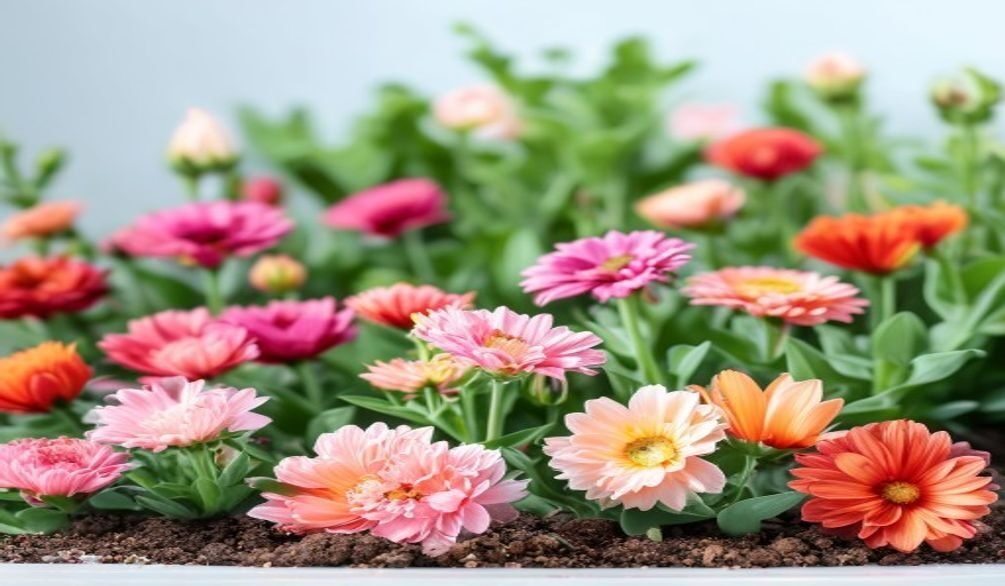
- Begonias (Begonia spp.): If you want color, begonias deliver! Rex begonias provide stunning, patterned foliage in jewel tones, while Angel Wing begonias offer unique leaf shapes and delicate flowers. They thrive in dappled light and appreciate consistent moisture.
- English Ivy (Hedera helix): This classic climbing plant is incredibly versatile. It’s known for its dense, vibrant green foliage and its ability to thrive in partial to full shade. English Ivy is also an excellent air purifier, which is great for indoor vertical garden shade plants.
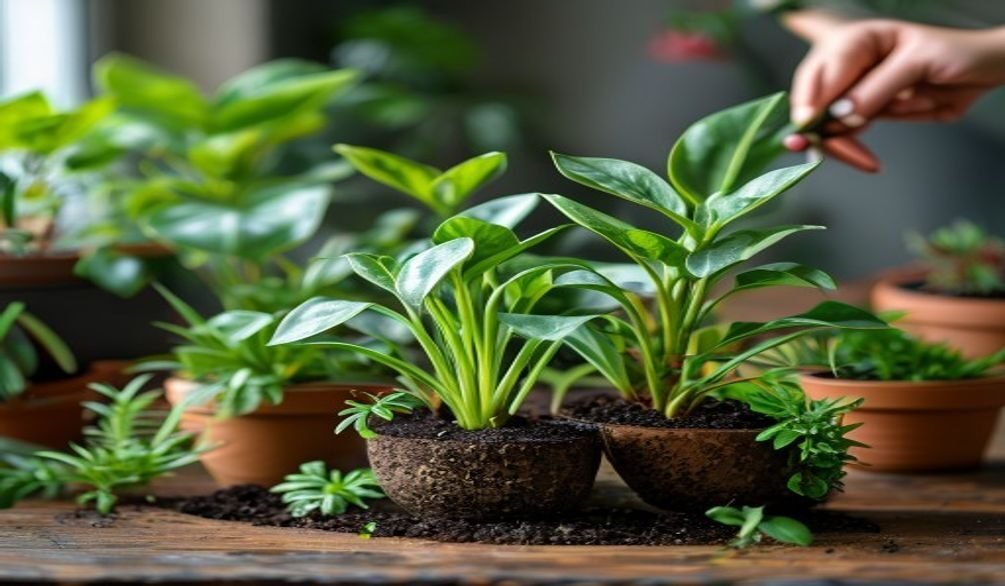
- Pothos (Epipremnum aureum): Golden Pothos is a dream for any vertical garden, especially indoors or in deeply shaded outdoor spots. Its trailing vines and variegated leaves add instant charm, and it’s incredibly forgiving if you forget to water occasionally. I’ve found it’s one of the easiest shade tolerant vertical plants to grow.
- Coleus (Coleus spp.): While some varieties prefer more sun, many coleus types absolutely flourish in partial shade, offering a spectacular display of pink, purple, red, and orange leaves. They bring a vibrant tapestry of color without needing flowers.
- Fuchsia (Fuchsia spp.): With their distinctive, hanging, bell-shaped flowers, fuchsias are perfect for adding a touch of elegance and color to a shaded vertical planter. They do need regular watering and love high humidity, something the Mumbai climate provides naturally.
When selecting your plants, consider their mature size and spread. You want plants that will fill out their pockets but not overcrowd the system too quickly. This helps maintain good air circulation and reduces the risk of fungal issues, which can be more common in shady, humid environments.
How to care for shade plants in a vertical garden system
Caring for shade plants in a vertical garden system primarily involves mindful watering, appropriate fertilization, and occasional pruning to maintain health and aesthetics. You might have heard advice to water on a fixed schedule, but in practice, that’s one of the worst habits an Indian balcony gardener can have. Soil dries at completely different rates in summer versus monsoon, morning versus afternoon sun, and terracotta versus plastic pots. Always check the soil with your finger, never follow a calendar.
For most vertical garden plants for shade, consistent moisture is key, but you don’t want soggy roots. I always advise checking the top inch of soil with your finger. If it feels dry, then it’s time to water. In Bangalore’s mild climate, you might water every 2-3 days in summer, but only once a week in winter. Overwatering is a common killer for low light vertical garden plants, especially in setups with poor drainage.
Here are some other important care tips:
- Fertilization: Shade-loving plants generally require less fertilizer than sun-lovers. Use a balanced, liquid feed at half strength every 4-6 weeks during the growing season (spring and monsoon). Brands like Ugaoo offer good organic options for Indian gardeners.
- Pruning: Regular light pruning helps maintain the shape of your plants, encourages bushier growth, and removes any yellowing or dead leaves. This is especially important for trailing plants like pothos and ivy to keep them from getting leggy.
- Pest Checks: Even in shade, pests can appear. Inspect your plants regularly for signs of common pests like mealybugs or aphids, especially on the undersides of leaves. Early detection makes treatment much easier.
One common mistake I’ve seen is gardeners using garden soil straight from the ground in vertical pockets. This leads to poor drainage and compacted roots. Always use a well-draining potting mix, ideally one with cocopeat and perlite, to ensure your vertical garden plants for shade have the best chance to thrive. I once bought a “grow bag” online advertised as 15 litres, but it held only 9 litres when filled properly because the sides were too thin to stand upright. I wasted an entire season of tomatoes because the root volume was not enough. Now I only buy grow bags from physical nurseries where I can check the material thickness and ensure proper volume for my plants.
Best vertical garden systems for shaded locations
Selecting the right vertical garden system is crucial for the success of your shade-loving plants, ensuring they have adequate space, drainage, and moisture retention. Modular Vertical Garden Systems held the largest share at 38.5% of the vertical garden system market in 2025, indicating their popularity and effectiveness.
When you’re dealing with a shaded area, you want a system that supports the specific needs of your vertical garden plants for shade. Here are a few types that work well:
| System Type | Description | Benefits for Shade Plants |
|---|---|---|
| Pocket Planters (Fabric or Felt) | Soft, breathable pockets attached to a frame or wall. | Excellent drainage, good air circulation, lightweight. Great for smaller plants like ferns or pothos. |
| Modular Panel Systems | Individual plant cells or trays that connect together. | Easy to replace individual plants, good for structured designs. Offers good root space for hostas and begonias. |
| Hydroponic Towers | Water-based systems where nutrient solution circulates. | No soil needed, efficient water use. Ideal for leafy greens or herbs in indoor vertical garden shade plants. |
| Trellis with Climbing Plants | A simple support structure for vines to grow upwards. | Cost-effective, natural look. Perfect for English Ivy or climbing philodendrons. |
For outdoor shaded areas, especially during the monsoon, make sure your system allows for excellent drainage to prevent root rot. For indoor vertical garden shade plants, consider systems with integrated self-watering features to maintain consistent moisture without constant monitoring. Brands like Gardyn and Lettuce Grow offer sophisticated systems, though simpler pocket planters from local nurseries for ₹500-₹1500 can also work wonders.
Can vertical gardens grow indoors without much sun?
Absolutely, vertical gardens can thrive indoors even without abundant direct sunlight, provided you choose the right shade-loving plants and potentially supplement with artificial light. Many popular indoor plants are naturally accustomed to lower light levels, making them perfect candidates for an indoor vertical garden shade plants setup.
Think about the conditions inside your home. Even a bright room might not offer direct sun for more than an hour or two. That’s perfectly fine for many vertical garden plants for shade. Plants like pothos, philodendrons, and various ferns are excellent choices because they naturally grow in the understory of tropical forests, receiving filtered light.
If your indoor space is particularly dim, you might consider adding a simple LED grow light. You don’t need anything fancy or expensive; a basic full-spectrum LED light for a few hours a day can make a huge difference, especially during the shorter winter days in North India. This gives your low light vertical garden plants the boost they need without taking up precious floor space.
Pest and disease management for shade vertical gardens
Managing pests and diseases in shade vertical gardens requires a proactive approach, as the typically cooler, more humid conditions can sometimes favor certain issues. You’ll find that good air circulation is your best friend here.
Because shaded areas often retain more moisture and have less direct sunlight to dry out foliage, fungal diseases like powdery mildew or leaf spot can sometimes be more prevalent. Regular inspections are crucial. Here’s how I approach it for my own vertical garden plants for shade:
- Regular Inspection: Every time you water, take a moment to look at the top and bottom of the leaves. Catching pests like aphids, mealybugs, or spider mites early makes them much easier to control.
- Good Air Circulation: Ensure your vertical garden isn’t too crowded. Prune any dense foliage to allow air to move freely around the plants. This helps prevent fungal issues, especially during the humid monsoon season in places like Mumbai.
- Organic Pest Control: For minor infestations, a neem oil spray is highly effective and safe for your plants and the environment. Mix 5ml of neem oil with 1 liter of water and a few drops of mild soap, then spray thoroughly every 5-7 days until the pests are gone. This is my go-to for most common balcony garden pests.
- Proper Watering: As I mentioned, avoid overwatering. Consistently wet soil creates an inviting environment for fungus gnats and root rot. Always check the soil moisture before reaching for the watering can.
- Remove Infected Parts: If you spot a diseased leaf or stem, prune it off immediately to prevent the spread to other parts of the plant or neighboring plants. Dispose of it away from your garden.
By staying vigilant and maintaining healthy growing conditions, you can keep your best living wall plants shade free from major pest and disease problems, ensuring your vertical garden remains a lush, beautiful feature.
Frequently asked questions
What are the easiest plants for a vertical garden?
The easiest plants for a vertical garden, especially in shaded areas, include Pothos, English Ivy, and ferns, due to their low-maintenance nature and adaptability to various conditions. Golden Pothos is particularly forgiving and thrives in low light, making it a favorite among gardeners.
What is the best vertical garden for indoors?
The best vertical garden for indoors often depends on your space and plant choices, but modular panel systems or simple pocket planters are highly versatile. The global vertical garden system market reached $1.8 billion in 2025, with a significant portion attributed to indoor applications, according to market data. These systems allow for easy customization and plant rotation, which is ideal for an indoor vertical garden shade plants setup.
Do vertical gardens need sun?
Not all vertical gardens need direct sun; many can thrive in shaded or low-light conditions if the right plant species are chosen. Plants like hostas, begonias, and ferns are excellent vertical garden plants for shade and can flourish with indirect light or even artificial grow lights indoors. It’s all about matching the plant’s needs to the light available.
What plants are good for green walls in shade?
Good plants for green walls in shade include a variety of ferns (like Boston and Bird’s Nest), English Ivy, Pothos, Hostas, and certain Begonia varieties. These plants are known for their ability to thrive with minimal direct sunlight, offering lush foliage and sometimes vibrant blooms for your green wall shade design.
Can you grow herbs in a vertical garden in the shade?
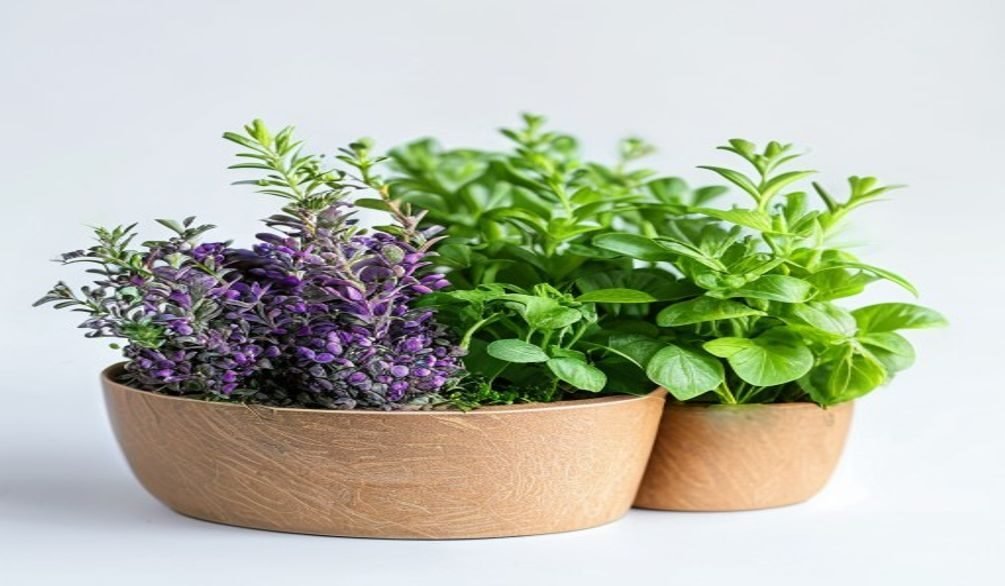
Yes, you can grow some herbs in a vertical garden in the shade, though they might not be as robust as sun-loving varieties. Herbs like pudina (mint), coriander (dhania), and some types of lettuce can tolerate partial shade, making them suitable vertical garden plants for shade. For best results, choose a spot that gets at least a few hours of indirect light.
Creating a beautiful and thriving vertical garden in a shaded spot is absolutely achievable with the right approach and the perfect vertical garden plants for shade. Don’t let a lack of direct sunlight deter you from enjoying the beauty and benefits of a green wall. By choosing shade-tolerant species, providing proper care, and selecting an appropriate vertical garden system, you can transform any dim corner into a vibrant, living display. So go ahead, pick your favorite shade-loving plants and start growing upwards!