Key Takeaways
- Pollinators are vital, enabling the growth of 75% of flowering plants and 35% of crops.
- Vertical gardens can reduce space usage by up to 75%, according to general industry estimates.
- Urban pollinator vertical gardens are designed to create essential habitats for plants, bees, and butterflies, as stated by Chungmin Park (2025).
- A Garden Tower Project expert noted that companion planting and pollinator support improve yield and reduce pests (2025).
- Trellises with cattle panels can increase tomato yields to 18 lbs per 4×2 ft footprint, according to InnovisKaar AI (2026).
Most Mumbai balcony gardeners lose their tomato plants every May — not from pests, but from the scorching 40°C heat before the monsoon arrives. It’s a common struggle for urban gardeners with limited space, but creating a thriving haven for beneficial insects is entirely possible with the right **vertical garden plants for pollinators**. We’ll dive into how to pick the best plants and set up your space to attract these crucial visitors.
Quick Answer: The five best plants for pollinator vertical gardens include Black-eyed Susan, Purple Coneflower, Wild Bergamot, Honeysuckle, and Passionflower. These attract various bees, butterflies, and hummingbirds, maximizing space and supporting local ecosystems.
What is vertical gardening for pollinators?
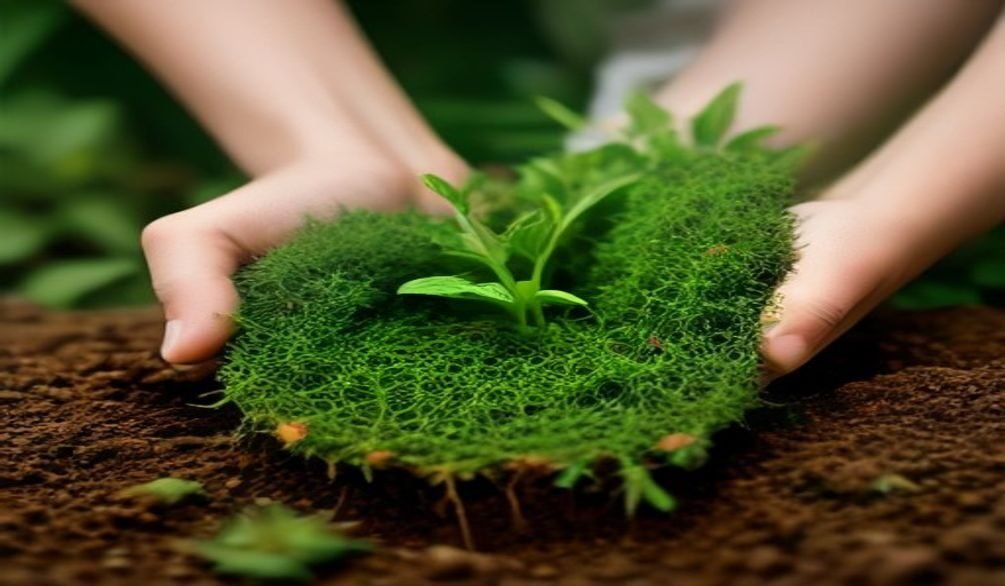
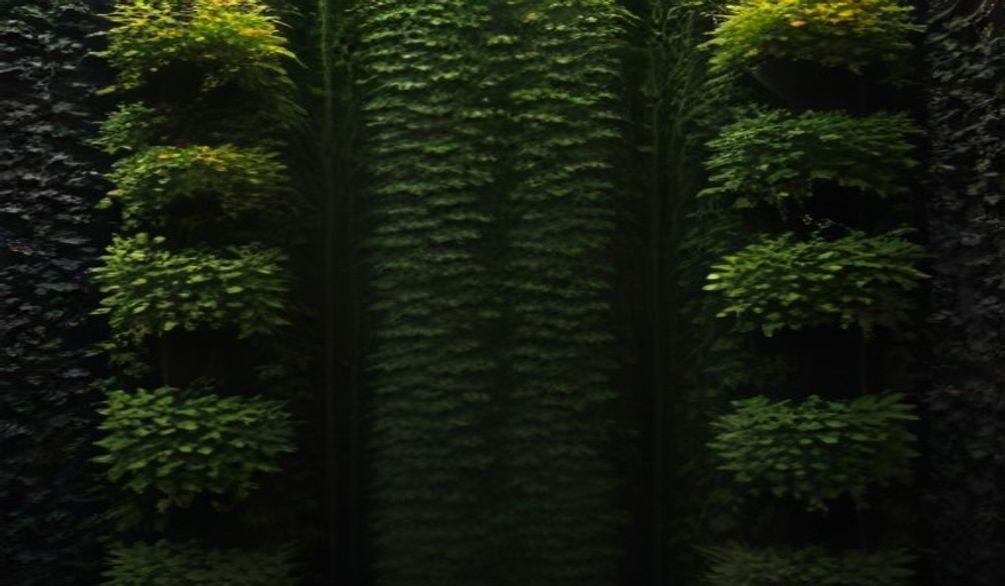
Vertical gardening for pollinators is essentially growing plants upwards on structures to create a habitat that attracts and supports bees, butterflies, and other beneficial insects, especially in urban areas. It’s a smart, space-saving way to create pollinator-friendly habitats, according to Thrive Lot (2025). Think of it as a multi-storey home for your buzzing friends!
This approach transforms small spaces like balconies, walls, or even compact courtyards into vibrant ecosystems. You’re not just growing plants; you’re building a lifeline for insects that are vital for our food systems. Pollinators enable the growth of 75% of flowering plants and 35% of crops, highlighting their critical role. And honestly, it makes your space look fantastic too.
Do vertical gardens attract more bees and butterflies?
Yes, vertical gardens can absolutely attract more bees and butterflies, especially when carefully designed with the right **vertical garden plants for pollinators**. While some studies suggest pollinator abundance can be negatively correlated with building height on extensive green roofs, a well-planned vertical garden at accessible heights can significantly boost pollinator visits.
The key is creating a dense, diverse floral display that’s easy for pollinators to find and access. Urban pollinator vertical gardens are specifically designed to “create green spaces dedicated to native and pollinator-friendly plantings, offering essential habitats for plants, bees, and butterflies,” addressing the limited space in cities, as Chungmin Park from Rochester Institute of Technology noted (2025). This means you’re not just adding a few flowers; you’re building a targeted pollinator habitat in an urban setting.
How to choose the best plants for a pollinator vertical garden?
Choosing the best plants for a pollinator vertical garden involves considering factors like local climate, plant root depth, sunlight exposure, and the types of pollinators you want to attract. You’ll want to pick plants that thrive in confined spaces and offer continuous blooms, ensuring a steady food source for your insect visitors.
Here are some key considerations:
- Native Plants are Gold: Always prioritize native plants for your region. They’ve co-evolved with local pollinators, meaning they offer the best food and habitat. For instance, in India, plants like Tulsi or Marigolds (Genda) are fantastic.
- Bloom Time Diversity: Aim for plants that flower at different times of the year. This provides a continuous buffet for pollinators from pre-monsoon through post-monsoon.
- Flower Shape and Color: Different pollinators prefer different flower shapes. Bees like open, flat flowers, while hummingbirds go for tubular ones. Bright colors like blue, yellow, and purple are generally big attractors.
- Growth Habit: Pick plants that are naturally compact or can be easily trained to grow vertically. Trailing plants work well in pocket planters, while climbers like Passionflower (Krishna Kamal) are perfect for trellises.
- Pesticide-Free: This is a no-brainer, but crucial. Always source plants that haven’t been treated with harmful pesticides, as these can kill the very pollinators you’re trying to attract.
A quick tip: my neighbour grew tomatoes in a black plastic pot on her Mumbai terrace and got nothing two summers in a row. She switched to a terracotta pot with the same soil mix and got her first harvest in 8 weeks. Black plastic heats up to 55°C in direct sun — it cooks the roots silently. This highlights how crucial the right container material is, especially for the well-being of your **vertical garden plants for pollinators**.
5 best plants for pollinator vertical gardens
The five best plants for creating a vibrant **vertical garden for pollinators** are Black-eyed Susan, Purple Coneflower, Wild Bergamot, Honeysuckle, and Passionflower, each offering unique benefits to different pollinator species. These selections are hardy, visually appealing, and excellent at drawing in bees, butterflies, and hummingbirds.
Let’s look at why these are top choices for your vertical garden plants for pollinators:
- Black-eyed Susan (Rudbeckia hirta):
- Why it’s great: These cheerful yellow flowers with dark centers are absolute bee magnets, attracting various native bees and butterflies. They’re drought-tolerant and bloom for a long season.
- Vertical fit: Their upright growth makes them perfect for individual pockets in a wall planter or the top tiers of a stackable system.
- Purple Coneflower (Echinacea purpurea):
- Why it’s great: A classic pollinator favorite, attracting a wide range of bees and butterflies with its large, daisy-like purple blooms. They’re quite resilient and add a lovely splash of color.
- Vertical fit: Similar to Black-eyed Susans, these grow well in individual pockets or larger containers within a vertical setup.
- Wild Bergamot (Monarda fistulosa):
- Why it’s great: Also known as Bee Balm, its shaggy purple-pink flowers are irresistible to bees, butterflies, and even hummingbirds. It also has a lovely minty fragrance.
- Vertical fit: Can be placed in larger pockets or containers that allow for some spreading, making it an excellent choice for a **pollinator-friendly vertical garden**.
- Honeysuckle (Lonicera sempervirens – native varieties):
- Why it’s great: The trumpet-shaped flowers are a hummingbird’s dream and also attract long-tongued bees and butterflies. Its sweet fragrance is a bonus.
- Vertical fit: Honeysuckle is a natural climber, making it ideal for trellises, arbors, or any support structure in your vertical garden system.
- Passionflower (Passiflora incarnata):
- Why it’s great: With its intricate, exotic blooms, Passionflower attracts a unique set of pollinators, including various bee species and fritillary butterflies. It’s also a host plant for several butterfly larvae.
- Vertical fit: Another excellent climbing vine, perfect for covering a wall or trellis, creating a stunning backdrop for your **vertical garden plants for pollinators**.
When planting, remember that most Indian gardening content recommends adding too much compost—a 50% compost ratio in containers actually suffocates roots because it holds too much moisture in our humid climate. In my experience, 20–30% is the sweet spot for most vegetables and flowers, ensuring good drainage while still providing nutrients.
How do you attract pollinators to a vertical garden?
Attracting pollinators to a vertical garden involves more than just planting flowers; it’s about creating an irresistible habitat with diverse food sources, water, and shelter. You’ll want to think like a pollinator and make your vertical space as welcoming as possible.
Here are some proven strategies:
- Layer Your Blooms: Plant flowers that bloom at different heights and seasons. This ensures a continuous floral display, which is key for attracting pollinators to small spaces.
- Provide Water: A shallow water source, like a bird bath with pebbles for landing spots, can be a huge draw. Even a small saucer of water in one of your vertical garden pockets can help.
- Offer Shelter: Consider adding small “bug hotels” or leaving some hollow stems for solitary bees. A dense collection of **vertical garden plants for pollinators** naturally offers hiding spots too.
- Group Plants: Pollinators are more likely to notice large blocks of color. Plant several of the same type of flower together rather than scattering them.
- Avoid Chemicals: This goes without saying, but never use pesticides or herbicides in or near your pollinator garden. They are detrimental to insect health.
- Include Host Plants: Beyond nectar, some butterflies need specific plants for their caterpillars. For example, planting Fennel (Saunf) or Dill (Suwa) can attract Swallowtail butterflies.
Aaron Aiken of Garden Tower Project notes that “Companion planting and pollinator support are two of the most effective ways to improve yield, reduce pests, and keep a vertical garden healthy” (2025). This applies beautifully to your vertical setup, making it more robust and attractive.
What vertical garden setups are best for pollinator plants?
The best vertical garden setups for pollinator plants are those that offer stability, adequate root space, good drainage, and easy access for both plants and pollinators. You’ve got several options, each with its own perks.
Here are some popular and effective systems:
- Wall-Mounted Planters/Pockets:
- Why they work: These are excellent for creating a green wall, perfect for low-growing or trailing **vertical garden plants for pollinators**. They come in fabric, plastic, or terracotta.
- Best for: Smaller annuals, herbs like pudina, and compact perennials.
- Trellises and Arbors:
- Why they work: Ideal for climbing vines like Honeysuckle or Passionflower. They offer strong support and allow plants to grow naturally upwards.
- Best for: Vines, gourds, and other vining plants that benefit from strong structural support. Trellises made with cattle panels are a cost-effective and durable DIY solution, according to InnovisKaar AI (2026), which reported increased yields for tomatoes using this system.
- Stackable Planters (e.g., GreenStalk Planter, Garden Tower Project):
- Why they work: These systems maximize space by stacking layers of planting pockets. They often have integrated watering systems.
- Best for: A wide variety of plants, from compact flowers to small vegetables, making them versatile for a **pollinator-friendly vertical garden**. The Garden Tower Project, for example, can grow up to 50 plants in four square feet and even includes a composting system.
- Hydroponic/Aeroponic Towers (e.g., The Farmstand by Lettuce Grow, Gardyn):
- Why they work: While often associated with vegetables, some flowering plants can thrive in these water-efficient systems. They use significantly less water — The Farmstand uses 95% less water than traditional gardening.
- Best for: Certain annual flowers and herbs, though you’ll need to ensure the nutrient solution is suitable for flowering plants.
When choosing a system, think about your climate. In hot Indian summers, terracotta pots help keep roots cool, while plastic can heat up quickly. My personal experience has shown that selecting the right material can be the difference between a thriving garden and struggling plants.
Maximizing pollinator visits in your vertical garden
To truly maximize pollinator visits in your vertical garden, you need to create an ecosystem that’s not just beautiful but also functional and inviting for a variety of species. It’s about thoughtful design and consistent care.
Here’s a table outlining key strategies for attracting pollinators to your vertical garden:
| Strategy | How it Helps Pollinators | Actionable Tip for Your Vertical Garden |
|---|---|---|
| Plant Diversity | Provides varied food sources (nectar, pollen) and bloom times. | Include at least 5-7 different species of **vertical garden plants for pollinators** with staggered blooming cycles. |
| Water Source | Essential for drinking and cooling, especially in urban heat. | Place a shallow dish with pebbles on a ledge or within a larger pocket for bees to drink safely. |
| Native Plants | Locally adapted and recognized by native pollinators. | Prioritize Indian native flowers like Tulsi, Marigold, or specific regional wildflowers for your **eco-friendly vertical gardening**. |
| Sunlight Exposure | Pollinators are most active in sunny areas; plants need sun to flower. | Position your vertical garden in a spot receiving 6+ hours of direct sunlight. |
| Avoid Pesticides | Protects pollinators from harmful chemicals. | Use organic pest control methods only; check out my article on eliminating garden pests for natural solutions. |
| Cluster Plantings | Makes flowers more visible and efficient for foraging. | Plant groups of the same flower together in adjacent pockets or tiers rather than spreading them out. |
Creating a vibrant urban pollinator garden isn’t just about the plants; it’s about the entire environment. An article from Eagle Creek Nursery & Landscape (2025) mentions that vertical gardens “help improve air quality by filtering pollutants, reducing urban heat island effects, and supporting local pollinators like bees and butterflies.” It’s a win-win for your garden and the local ecosystem.
Frequently asked questions
What is the easiest vertical garden to maintain?
The easiest vertical garden to maintain is often a simple wall-mounted pocket system or a stackable planter like the GreenStalk. These systems are straightforward to set up, require minimal space, and are easy to water and access, according to home gardener reviews. They’re excellent for beginners looking to grow **vertical garden plants for pollinators** without extensive effort.
Do vertical gardens use less water?
Yes, vertical gardens typically use significantly less water than traditional in-ground gardening. Systems like The Farmstand by Lettuce Grow, a hydroponic vertical garden, can use 95% less water, according to the company. This efficiency is especially beneficial in regions facing water scarcity, making them a sustainable choice for your **vertical garden plants for pollinators**.
What are the best flowers for vertical planters?
The best flowers for vertical planters include compact and trailing varieties like Petunias, Nasturtiums, Alyssum, and Lobelia, alongside the pollinator favorites such as Black-eyed Susans and Purple Coneflowers. These plants thrive in limited root space and create a cascading effect that’s both beautiful and attractive to insects, enhancing your **butterfly garden vertical**.
How do you attract hummingbirds to a vertical garden?
You attract hummingbirds to a vertical garden by planting nectar-rich, tubular-shaped red, orange, or pink flowers, such as Honeysuckle, Fuchsia, and Penstemon. Hummingbirds are particularly drawn to bright colors and long flower shapes that match their beaks, making these ideal **hummingbird plants vertical garden** choices. Ensure these plants are easily accessible and visible.
Can you grow vegetables in a pollinator vertical garden?
Absolutely, you can grow many vegetables in a pollinator vertical garden, especially those that benefit from insect pollination like tomatoes, beans, and peppers. Integrating flowering **vertical garden plants for pollinators** alongside your vegetables can actually boost your yield and help with pest control. For instance, InnovisKaar AI (2026) found that tomatoes yielded 18 lbs per 4×2 ft footprint using a trellis system.