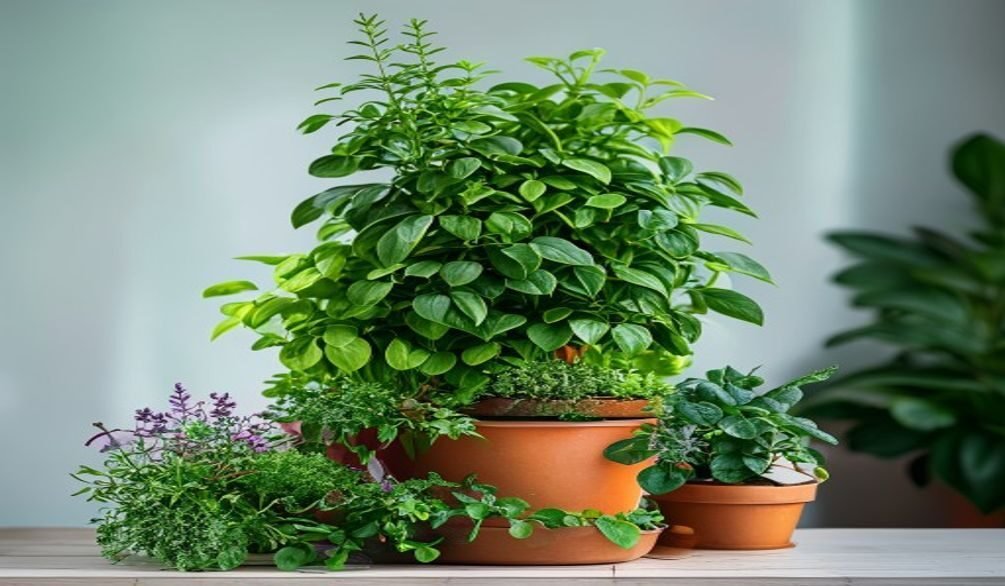
Key Takeaways
- The global vertical farming market was estimated at USD 7.4 billion in 2025, according to market data.
- Vertical gardens can reduce building heat loss, cutting heating demand by 25%, according to the University of Cambridge Centre for Sustainable Development.
- The vertical garden construction market is projected to reach USD 1.24 billion in 2026, growing at a CAGR of 9.9%, according to market reports.
- Leafy greens, herbs, and salad mixes held 68% of the total vertical farming market share in 2025, according to industry analysis.
- North America held the largest share of the vertical farming market in 2025, valued at USD 1.9 billion, according to market research.
Most Mumbai balcony gardeners struggle to grow enough fresh vegetables in their limited space, often wishing for more room or a way to make their existing area more productive. That’s exactly why understanding **vertical gardening benefits home** setups can be a total game-changer for urban gardeners like us. This innovative approach allows you to cultivate a thriving garden without needing a sprawling backyard, transforming even the smallest corner into a green oasis.
Quick Answer: Vertical gardening offers proven benefits for your home by maximizing limited space, improving plant health, simplifying harvesting, enhancing aesthetics, and contributing to better air quality and potential energy savings through natural insulation and cooling.
What is vertical gardening in simple words?
Vertical gardening simply means growing plants upwards, rather than outwards, by using vertically suspended panels, stacked containers, or other structures. It’s an ingenious way to utilize wall space, fences, or even narrow balconies, as David Hillock, a consumer horticulturist at Oklahoma State University Cooperative Extension, explains that it’s “a great way to take advantage of empty vertical space such as walls or fences” (2024). You’re essentially building a living wall or a multi-tiered garden that saves ground space.
Think of it like this: instead of planting a row of pudina on your balcony floor, you’d stack pots or create pockets on a wall to grow the same amount in a much smaller footprint. This method is incredibly versatile, allowing you to grow a wide array of plants, from herbs and vegetables to flowers, making the **vertical gardening benefits home** experience accessible to everyone, even in cramped urban apartments. Plus, it adds a unique visual interest to any space, as Hillock pointed out.
What are the proven benefits of vertical gardening for your home?
Vertical gardening delivers a host of advantages for your home, from maximizing space to enhancing well-being and potentially cutting down on energy bills. The global vertical farming market alone was estimated at USD 7.4 billion in 2025, showing just how much potential this method holds (Industry Report, 2025). For us home gardeners, these benefits translate into more fresh produce, a more beautiful living space, and an overall healthier environment.
Here are some key ways **vertical gardening benefits home** environments:
- Space Maximization: It’s the ultimate solution for small balconies or terraces, letting you grow more in less area.
- Improved Plant Health: Better airflow reduces disease, and plants often get more even sunlight exposure.
- Easier Harvesting: No more bending over! Many plants are at a comfortable height, making picking bhindi or dhania a breeze.
- Enhanced Aesthetics: A living wall adds natural beauty, color, and a serene vibe to any part of your home.
- Better Air Quality: Plants naturally filter pollutants, contributing to fresher indoor and outdoor air.
- Potential Energy Savings: A green wall can act as insulation, keeping your home cooler in the intense Indian summer heat.
- Increased Accessibility: For senior citizens or those with mobility issues, vertical gardens reduce the need for bending and heavy lifting, making gardening enjoyable for everyone, as noted by David Hillock (2024).
How does vertical gardening maximize limited space?
Vertical gardening excels at maximizing limited space by transforming unused vertical surfaces into productive growing areas. This innovative approach allows you to cultivate a much larger volume of plants than traditional horizontal gardening would permit in the same footprint, effectively turning a small balcony or even a blank wall into a lush garden. The vertical garden construction market itself is projected to reach USD 1.24 billion in 2026, demonstrating the growing demand for space-saving gardening solutions (Market Analysis, 2026).
You might have a tiny balcony in Pune, barely enough for a couple of pots, right? With vertical garden systems, you can install a tiered planter or a wall-mounted pocket system and suddenly grow 10-15 different plants where you once had space for two. This makes the **vertical gardening benefits home** experience particularly strong for urban dwellers. Companies like GreenStalk offer stackable planters, often 3 to 5 feet tall, that let you grow everything from lettuce to herbs in a compact tower, making efficient use of every inch. It’s about thinking “up” instead of “out.”
Vertical garden ideas for small spaces
There are so many creative ways to implement vertical garden ideas, even in the smallest Indian homes. My personal favorite for beginners is repurposed pallet planters. You can find old wooden pallets, line them with landscaping fabric to create pockets, and fill them with soil. It’s a fantastic DIY project that instantly gives you multiple planting levels.
Here are a few popular options:
- Stacked Planters: These are individual pots that stack on top of each other, like the GreenStalk system, perfect for herbs or strawberries.
- Wall-Mounted Pockets: Fabric or plastic pockets that hang on a wall, great for smaller plants like tulsi or lal mirch.
- Trellises and Arbors: While not strictly “vertical gardens,” they guide climbing plants like gourds or beans upwards, making use of vertical space. Gardenary often recommends trellises for maximizing yield in small areas.
- Repurposed Gutter Systems: Old gutter sections can be hung in tiers, ideal for shallow-rooted greens.
Can vertical gardens improve air quality and energy savings?
Yes, vertical gardens absolutely can improve air quality and contribute to energy savings in your home by acting as natural air purifiers and insulators. Plants are incredible natural filters, absorbing carbon dioxide and releasing oxygen, while also trapping airborne dust and pollutants. Andy Blanchford, CEO of Blanchford Landscape Group, emphasizes that “they filter the air and improve our overall health and wellbeing” (2024). This means cleaner, fresher air inside and around your living space.
Beyond air quality, a living wall can significantly impact your home’s energy consumption. According to the Centre for Sustainable Development at the University of Cambridge, “a layer of vegetation can reduce heat loss from buildings, cutting the wind chill factor by 75% and heating demand by 25%” (2024). Imagine that during the scorching Indian summer heat, especially in Delhi or Chennai where temperatures often soar above 40°C. A vertical garden on an external wall acts as a natural cooling system, reducing the heat absorbed by your building and potentially lowering your air conditioning usage. This is a massive **vertical gardening benefits home** owners often overlook, but it’s a real money-saver.
What are the disadvantages of vertical gardening?
While vertical gardening offers many advantages, it’s not without its challenges, and being aware of these can help you plan better. One common concern is the initial setup cost, which can be higher than traditional pot gardening, especially if you opt for sophisticated hydroponic vertical garden systems like a Farmstand from Lettuce Grow. Another potential issue is watering consistency, which is absolutely crucial for these setups.
Honestly, watering on a fixed schedule is one of the worst habits an Indian balcony gardener can have – soil dries at completely different rates in summer versus monsoon, morning versus afternoon sun, terracotta versus plastic pots. You’ve got to check the soil with your finger, never just follow a calendar. I once lost a curry leaf plant because I watered it every day, thinking it needed it, without checking the soil. The roots rotted in just three weeks. That’s why diligent monitoring is key, especially with vertical systems where drainage might vary across tiers.
Here’s a quick look at some potential drawbacks and how to mitigate them:
| Disadvantage | Explanation | Solution/Mitigation |
|---|---|---|
| Initial Cost | Advanced systems (e.g., hydroponic, built-in irrigation) can be expensive. | Start with DIY options like pallet planters or repurposed plastic bottles. |
| Watering Challenges | Top layers dry out faster; lower layers can get waterlogged. | Implement drip irrigation, use self-watering systems, or check each layer’s soil moisture individually. |
| Weight & Structural Load | Large living walls can be heavy once filled with soil and water. | Ensure your wall or structure can support the weight. Consult an expert for large installations. |
| Limited Plant Choices | Not all plants thrive in vertical setups, especially deep-rooted varieties. | Choose shallow-rooted, compact plants suitable for vertical growing (see next section). |
| Maintenance Access | Reaching plants on higher tiers for pruning or pest control can be tricky. | Use movable systems or design with accessibility in mind. |
What types of plants thrive in home vertical gardens?
Many types of plants thrive in home vertical gardens, especially those with shallow root systems or a vining habit, making them ideal for urban gardening solutions. Leafy greens, herbs, and salad mixes are particularly well-suited, accounting for 68% of the total vertical farming market share in 2025 (Industry Analysis, 2025). This shows you exactly what the pros are focusing on, and it’s a great starting point for your own setup.
For your **vertical gardening benefits home** efforts, think about what you use often in your kitchen. Pudina, dhania, and tulsi are absolute stars in vertical setups. I’ve had great success with them on my own balcony. Strawberries also do wonderfully in stacked planters, their fruit cascading down beautifully. Even some compact vegetable varieties can work.
Here’s a list of excellent choices for your home vertical garden:
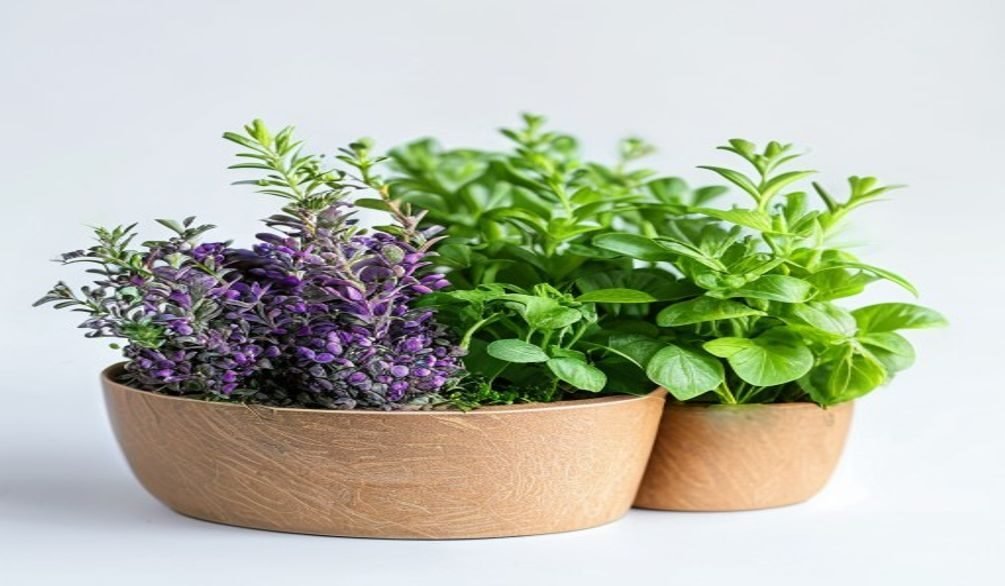
- Herbs: Pudina, dhania, tulsi, oregano, thyme, rosemary. They generally have shallow roots and love consistent harvesting.
- Leafy Greens: Lettuce (especially loose-leaf varieties like Romaine or Butterhead), spinach, kale, methi. These grow quickly and are perfect for continuous harvesting.
- Strawberries: Their trailing nature makes them ideal for cascading over the edges of vertical planters.
- Small Vegetables: Cherry tomatoes (look for determinate, compact varieties like Pusa Ruby), bush beans, radishes.
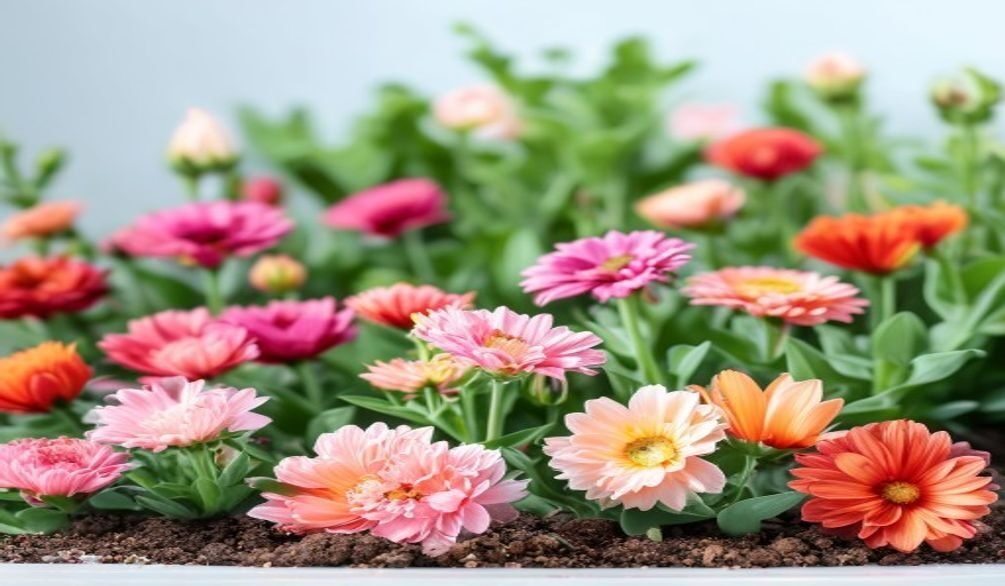
- Flowers: Petunias, impatiens, nasturtiums, marigolds. They add a splash of color and can attract pollinators.
- Climbing Plants: Money plants (Pothos), philodendrons, and other ornamental vines can create a lush green curtain.
Quick tip: When sourcing seeds for methi or other vegetables, make sure you’re getting actual garden seeds from a reputable seed shop or online store like Ugaoo or Nurserylive. I once saw a friend use methi seeds from a kirana store, and the germination rate was abysmal, about 15%. When they switched to Sarpan or Indo-American seeds, it jumped to over 80%. Cooking seeds and garden seeds are totally different, even if they look the same!
How can you start a vertical garden at home?
Starting a vertical garden at home is quite straightforward and can be a rewarding project, even if you’re a beginner. The key is to choose the right system for your space and budget, and then select plants that will thrive in that environment. You don’t need to overthink it; simple solutions often work best, allowing you to quickly experience the many **vertical gardening benefits home** setups can provide.
First, assess your available space: do you have a sunny wall, a small balcony railing, or just a corner indoors? This will dictate the type of vertical system you can use. For example, a sunny spot is perfect for vegetables, while a shadier area might be better for leafy greens or ornamental foliage plants.
Here are the basic steps to get your vertical garden going:
- Choose Your System:
- DIY Options: Repurpose old pallets, plastic bottles, or PVC pipes. These are budget-friendly and allow for creativity.
- Stackable Planters: Brands like GreenStalk offer multi-tiered systems that are easy to assemble and move.
- Wall-Mounted Pockets: Fabric or plastic pockets that hang directly on a wall or fence.
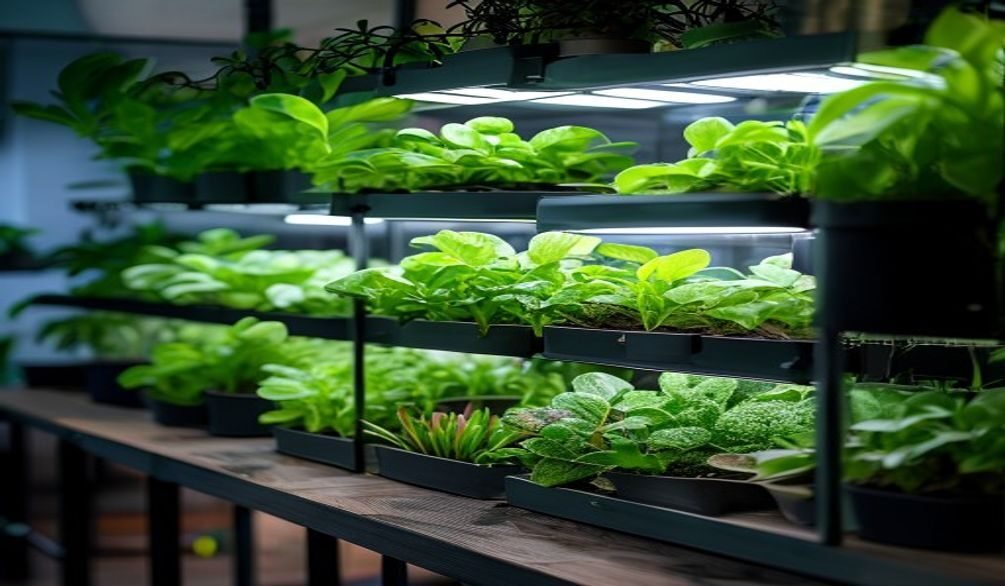
- Hydroponic Towers: Systems like The Farmstand from Lettuce Grow are self-watering and self-fertilizing, but come at a higher cost.
- Select Your Location: Ensure it gets adequate sunlight for the plants you plan to grow – most vegetables need 6+ hours of direct sun. Consider wind protection, especially during pre-monsoon storms.
- Prepare Your Growing Medium: Use a good quality potting mix that drains well. I recommend a mix of cocopeat, compost, and perlite for good aeration and moisture retention. You can find quality cocopeat from brands like Cocogreen at local nurseries.
- Choose Your Plants: Go for compact, shallow-rooted, or vining varieties that are known to do well in vertical gardens, like pudina, lettuce, or cherry tomatoes.
- Install and Plant: Follow the instructions for your chosen system. Plant your seedlings or seeds, ensuring proper spacing.
- Water and Maintain: This is crucial. As I mentioned earlier, always check the soil moisture with your finger before watering. Monitor for pests and diseases regularly. You can also refer to guides like “Prevent plant diseases: 8 simple ways for healthy growth” for more tips.
Frequently asked questions
What are 5 advantages of vertical farming?
Five key advantages of vertical farming include significant space savings, reduced water usage, year-round crop production, protection from extreme weather, and minimized transportation costs due to urban placement. The hardware segment accounted for the largest market share in vertical farming in 2025, holding 60.6% of the market, according to industry analysis (2025), highlighting the technological advancements supporting these benefits. These advantages translate directly to more efficient and sustainable food production.
What are the benefits of vertical farming?
The benefits of vertical farming encompass enhanced food security, less land footprint, controlled growing environments leading to higher yields, and reduced impact from pests and diseases. North America held the largest share of the vertical farming market in 2025, valued at USD 1.9 billion, and is estimated to grow at a CAGR of 5.6% from 2026 to 2035 (Market Research, 2025), demonstrating its widespread adoption and perceived value. This method offers a sustainable solution for urban food production.
Is vertical gardening a good idea?
Yes, vertical gardening is generally a very good idea, especially for urban dwellers with limited space, offering aesthetic appeal, increased yield, and potential environmental benefits. David Hillock, a consumer horticulturist, notes that it’s “a unique way to add visual interest to your space” (2024). It’s a practical and beautiful way to bring greenery and fresh produce into your home.
What can you grow in a vertical garden?
You can grow a wide variety of plants in a vertical garden, including herbs like pudina and dhania, leafy greens such as lettuce and spinach, small vegetables like cherry tomatoes and radishes, and even strawberries. The vegetables segment, particularly leafy greens, herbs, and salad mixes, held 68% of the total vertical farming market share in 2025, according to industry reports (2025). Focus on plants with shallow roots or vining habits for the best results.
How much does a vertical garden cost?
The cost of a vertical garden can vary significantly, ranging from very affordable DIY options using repurposed materials to several thousands of rupees for advanced hydroponic or custom-built living wall systems. For example, simple wall-mounted pocket planters might cost ₹500-₹1500, while a robust stackable system could be ₹2000-₹5000+. Your budget and desired complexity will largely determine the final price.
Ultimately, embracing vertical gardening benefits home environments in so many tangible ways, from making the most of your compact balcony to enhancing your family’s well-being. It’s not just a trend; it’s a smart, sustainable way to connect with nature and grow your own food, even in the bustling heart of an Indian city. So, why not give it a try? Start small, experiment with some easy-to-grow herbs, and watch your urban garden flourish upwards. Your home — and your kitchen — will thank you!