Key Takeaways
- The global vertical farming market was valued at USD 9.63 billion in 2025, according to market estimates.
- Vertical gardening can reduce insect and disease issues by improving airflow and making scouting easier, notes CSU Horticulture Agent Cassey Anderson.
- Hydroponics dominated the vertical farming market with a 60.36% revenue share in 2025, by growth mechanism.
- Leafy greens account for 46–52% of market revenue in vertical farming, according to industry reports.
- North America held the largest market share in vertical farming, capturing 40.31% in 2025.
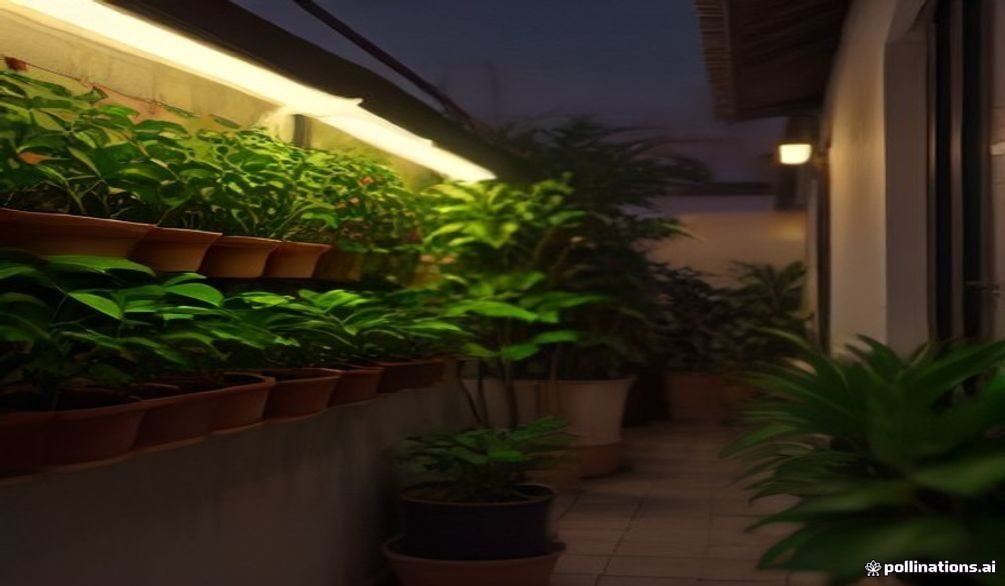
Most Mumbai balcony gardeners lose their tomato plants every May — not from pests, but from the brutal 40°C+ heat before the monsoon arrives. It’s a common struggle, and it often leaves you wondering how to make the most of your limited space without battling the elements head-on. That’s where smart vertical gardening methods come in, helping you grow more in less space, even in challenging Indian climates.
Quick Answer: Vertical gardening involves growing plants upward using structures like trellises, living walls, or stacked containers to maximize space, improve plant health, and enhance aesthetics. It’s ideal for limited spaces and offers diverse design possibilities.
What is vertical gardening and why do it?
Vertical gardening is simply growing plants upward, using walls, fences, or freestanding structures to maximize your growing area. This approach is a fantastic way to utilize empty vertical space, adding visual interest and greenery to any area, according to David Hillock, Oklahoma State University Cooperative Extension consumer horticulturist. For us urban Indian gardeners, especially those with small balconies or terraces in cities like Bangalore or Pune, these vertical gardening methods are a game-changer.
You might be thinking, “Why bother growing up when I can grow out?” Well, the truth is, horizontal space is a luxury most of us don’t have. Vertical gardening isn’t just about saving space; it’s about creating a microclimate that can be beneficial for your plants. It can help reduce some insect and disease issues by getting plants off the ground, making scouting for starting populations easier and increasing airflow, which reduces humidity that can stimulate disease development, notes Cassey Anderson, CSU Horticulture Agent. Plus, it just looks amazing! Imagine a lush green wall of dhania or pudina right outside your kitchen window.
What are the different types of vertical garden methods?
There are several effective vertical gardening methods, each with its own benefits and ideal uses. From simple DIY setups to advanced hydroponic systems, you’ve got options depending on your budget, space, and gardening goals.
Here are some of the most popular vertical gardening methods:
- Stacked Planters/Containers: This is probably the easiest way to start. You simply stack pots on top of each other, often rotating them for sunlight. It’s super flexible and great for herbs or smaller vegetables. I’ve used old plastic buckets with drainage holes drilled in them for a budget-friendly option, perfect for growing lal mirch.
- Pocket Planters/Fabric Walls: These are fabric or felt pockets that hang on a wall or fence. They’re lightweight and good for shallow-rooted plants. You can find these online on Ugaoo or at local nurseries for around ₹500–₹1500, depending on size.
- Trellises and Arbors: Classic supports for climbing plants like gourds, beans, or even small cucumbers. GrowVeg.com highlights using cattle panels for strong A-frame supports, which are durable and last for years. I once built a simple bamboo trellis for my bitter gourd, and it worked wonders, giving me a fantastic monsoon harvest.
- Living Walls/Green Walls: These are more sophisticated systems where plants grow directly on a vertical structure, often using a hydroponic or aeroponic setup. H. Potter emphasizes that the allure of vertical gardening lies not only in its space-saving benefits but also in its ability to infuse spaces with lush greenery. The hardware segment accounted for the largest market share in vertical farming, at 60.6% in 2025, according to market analysis.
- Hydroponic Vertical Gardens: This method grows plants without soil, using nutrient-rich water solutions. It’s incredibly efficient with water and nutrients. The hydroponics segment held a 60.36% revenue share in 2025 by growth mechanism in the vertical farming market. It’s a fantastic option for growing leafy greens like lettuce or spinach year-round, even in Delhi’s harsh summers.
- Aeroponic Vertical Gardens: Similar to hydroponics, but plants are suspended in air and misted with nutrient solution. This is the fastest-growing segment, expanding at the fastest CAGR between 2026 and 2035. It needs a bit more investment but offers incredible growth rates.
- Repurposed Items: Think old pallets, plastic bottles, or even shoe organizers. Oklahoma State University Extension specifically mentions using old pallets for vertical gardens. It’s a budget-friendly and eco-conscious way to create unique vertical garden ideas.
- Ladder Planters: These are tiered structures resembling a ladder, with shelves or steps for pots. They’re great for balconies and easy to move around for optimal sunlight.
Diy vertical gardening methods
For those who love a good project, DIY vertical garden systems offer a creative outlet. You can easily repurpose materials you might already have. For instance, an inexpensive plastic shoe storage system hung on a fence or wall can be used to grow herbs like pudina or methi. I’ve seen some amazing DIY vertical garden ideas in Pune where old PVC pipes were cut and stacked to create planting pockets. This helps save money and gives a unique touch to your garden.
Which vertical gardening method is best for you?
Choosing the best vertical gardening method really depends on your specific needs, budget, and the kind of plants you want to grow. If you’re just starting out, or you’re on a tight budget, stacked planters or repurposed items are fantastic entry points. They require minimal investment and are quite forgiving. For instance, using old plastic bottles cut in half and strung together can create a surprisingly effective vertical garden for small herbs.
If you’re looking for something more aesthetically pleasing and have a bit more to spend, pocket planters or ladder planters are excellent choices. They offer a cleaner look and are still relatively easy to set up. But if you’re serious about maximizing yield and have the budget for it, especially for commercial purposes, then advanced hydroponic or aeroponic vertical gardening methods are worth considering. The global vertical farming market size was estimated at USD 9.63 billion in 2025, showing just how much potential these high-tech systems have. North America, for example, held the highest market share in the global vertical farming market with 40.31% in 2025.
Here’s a quick comparison to help you decide:
| Method | Pros | Cons | Best For |
|---|---|---|---|
| Stacked Planters | Affordable, easy DIY, movable | Limited plant size, potential for uneven watering | Herbs, small flowers, leafy greens |
| Pocket Planters | Lightweight, good aesthetics, easy installation | Dries out quickly, smaller root space | Herbs, succulents, shallow-rooted plants |
| Trellises/Arbors | Strong support for climbers, good airflow | Requires climbing plants, takes up floor space | Tomatoes (like Pusa Ruby), gourds, beans |
| Living Walls | High aesthetic impact, dense planting | Expensive, complex installation, higher maintenance | Decorative plants, specific herbs |
| Hydroponic/Aeroponic | Fast growth, water efficient, high yield | High initial cost, technical knowledge needed | Leafy greens, berries, commercial farming |
What plants are good for a vertical wall?
Selecting the right plants is crucial for the success of your vertical garden, as not all plants thrive when grown upwards. Generally, plants that are compact, shallow-rooted, or naturally vining are excellent candidates for most vertical gardening methods. Leafy greens still command roughly 46–52% of market revenue in vertical farming, making them a consistently popular choice.
Here are some top plant choices for your vertical garden:
- Herbs: Pudina, dhania, tulsi, basil, rosemary, and thyme are perfect. They don’t need deep roots and love the good air circulation a vertical setup provides.
- Leafy Greens: Lettuce, spinach, kale, and methi grow incredibly well in pocket planters or hydroponic vertical systems. They’re quick-growing and you can harvest them frequently.
- Strawberries: These berries are fantastic in stacked planters or hanging pockets, spilling over beautifully. Berries are also the fastest-growing crop segment in vertical farming, at over 16% CAGR.
- Cherry Tomatoes: Compact varieties like Pusa Ruby work well on trellises or in larger stacked containers. Just ensure they get enough sunlight.
- Bhindi (Okra) & Beans: These are natural climbers and will happily scale a trellis or a sturdy net.
- Flowering Plants: Petunias, impatiens, and marigolds add a pop of color and can thrive in various vertical setups.
It’s important to remember that most people give up on gardening after one failed crop and blame themselves — but 80% of first failures are caused by wrong pot size, wrong season, or wrong soil mix, not wrong technique. Get those three right, and almost any plant becomes easy to grow. For vertical gardening, this means choosing plants that genuinely suit the root space and sun exposure of your chosen method.
How to choose and set up your vertical garden system?
Choosing and setting up your vertical garden system involves considering several practical factors to ensure long-term success. First, assess your available space and the amount of sunlight it receives throughout the day. A wall facing east or west typically gets enough sun for many plants, while a south-facing wall might be too intense for some delicate greens, especially during the Indian summer heat of 40°C+.
Next, think about your budget. DIY vertical garden systems using repurposed materials like old pallets or plastic bottles are incredibly cost-effective. You can get materials from a local kiryana store or scrap dealer for minimal cost. If you’re investing in a more structured system, like a living wall or a hydroponic setup, factor in the cost of the system itself, the pumps (if needed), and the growing medium. In my 10 years of experience, I’ve learned that sometimes paying a little more upfront for quality materials, like branded cocopeat, saves you headaches later. I once tested cocopeat from three different brands in 2023 — COCO COIR, Royal, and a local loose brand from the nursery. The loose brand had salt residue that burned my seedling roots. I had to wash it 4 times before it was safe to use. Branded cocopeat costs ₹80–120 more per block but saves a ruined batch of seedlings.
Finally, consider the water source. Vertical gardens, especially those exposed to sun and wind, can dry out quickly. Plan for easy access to water, whether it’s a simple watering can or a drip irrigation system. For larger setups, a small pump and timer can automate watering, which is a lifesaver during the pre-monsoon heat.
Tips for successful vertical gardening maintenance
Maintaining your vertical garden properly is key to keeping it lush and productive, no matter which of the vertical gardening methods you’ve chosen. Regular watering is paramount because vertical planters tend to dry out faster than traditional ground beds due to increased exposure to air and sun. During the hot Indian summer, you might need to water daily, sometimes even twice a day, while in the monsoon, once every few days might be enough – always check the soil moisture.
Nutrient management is another critical aspect. Since vertical gardens often use limited soil volume or soilless mediums, plants quickly deplete available nutrients. I recommend a balanced liquid fertilizer every 2-3 weeks, especially for fruiting plants like cherry tomatoes or bhindi. You might have heard that liquid seaweed fertilizer is a magic bullet for flowers. In practice, I tried liquid seaweed fertilizer on my hibiscus expecting faster flowering — I got 3 new leaves and no flowers for 8 weeks. The seaweed was pushing vegetative growth because the plant was already in a nitrogen-rich soil. What actually works instead is understanding your plant’s specific needs before adding any fertilizer; sometimes less is more, or a different nutrient balance is required.
Don’t forget pruning and pest control. Regularly trim any yellowing leaves or spent flowers to encourage new growth and better airflow. This also makes it easier to spot pests early. For common Indian pests like aphids or mealybugs, a simple neem oil spray mixed with water works wonders. Inspect your plants weekly; it’s much easier to deal with a few pests than a full-blown infestation. These consistent vertical gardening methods for maintenance will ensure your plants thrive.
Frequently asked questions
What are the 4 types of vertical gardens?
The four main types of vertical gardens are stacked planters, pocket planters/fabric walls, trellises/arbors, and living walls. These categories encompass a range of vertical gardening methods, from simple DIY setups to complex architectural installations. Each type offers different advantages depending on space, budget, and aesthetic goals.
What is the best way to do vertical gardening?
The best way to do vertical gardening depends entirely on your specific circumstances, including available space, sunlight, budget, and desired plants. For beginners, using stacked planters or trellises is often the easiest and most cost-effective entry point. Hydroponic systems, while more expensive, offer superior growth rates and water efficiency, with the hydroponics segment holding a 60.36% revenue share in 2025, according to market data.
What are the benefits of a vertical garden?
Vertical gardens offer numerous benefits, including maximizing limited space, enhancing aesthetics, and improving plant health by increasing airflow and reducing pest and disease issues. They are particularly beneficial in urban areas where horizontal gardening space is scarce. Additionally, they can contribute to a cooler microclimate, which is a blessing in hot Indian cities.
What plants are good for a vertical wall?
Plants that are compact, shallow-rooted, or naturally vining are ideal for a vertical wall. Good options include herbs like pudina and dhania, leafy greens such as lettuce and spinach, strawberries, and climbing vegetables like beans and cherry tomatoes. Leafy greens alone command 46–52% of market revenue in vertical farming, according to industry reports.
How do vertical gardens save space?
Vertical gardens save space by growing plants upward along a wall or on a freestanding vertical structure, rather than spreading them horizontally across the ground. This allows you to cultivate a significant number of plants in a footprint much smaller than a traditional garden bed. It’s an ingenious solution for balconies, patios, and small urban plots.
Adopting effective vertical gardening methods can truly transform your small space into a thriving green oasis, whether you’re battling Mumbai’s humidity or Delhi’s dry heat. From simple stacked pots to advanced hydroponic walls, there’s a method for every gardener and every budget. Don’t let limited space stop you from growing your favorite herbs and vegetables. So, go ahead, pick one of these vertical gardening methods, and start building your lush green wall today!