
Key Takeaways
- Vertical gardens can yield up to 10 times more produce per square foot compared to traditional gardening methods, according to Farmonaut (2023).
- Hydroponic systems, often used in vertical gardening, use up to 95% less water than conventional agriculture.
- The global vertical farming market size surpassed USD 9,630.13 million in 2025.
- A vertical garden system can cost anywhere from ₹1,000 for DIY setups to over ₹50,000 for advanced hydroponic units.
- Choosing heat-tolerant plants like bhindi or specific tomato varieties is crucial for successful urban vertical gardening in India’s hot summers.
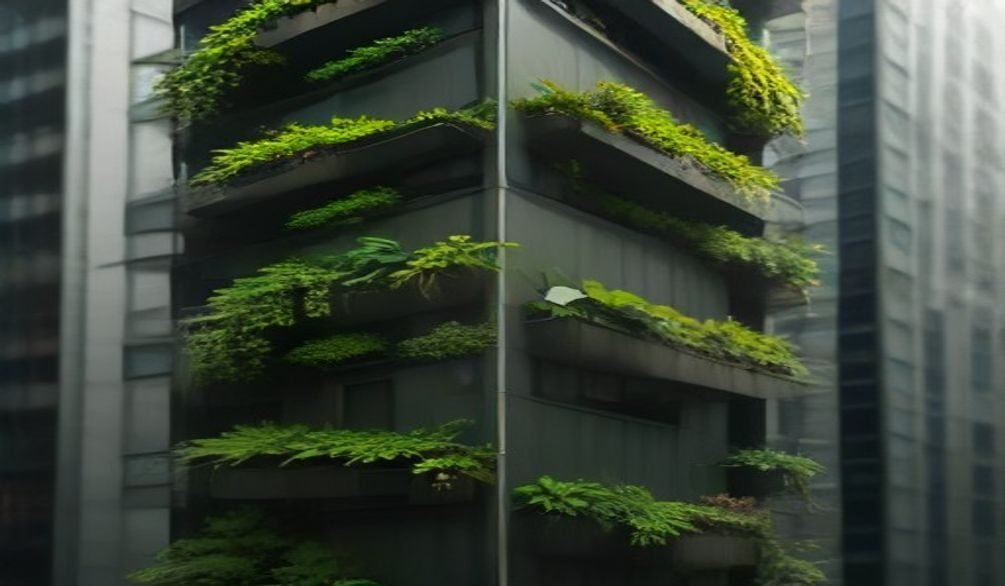
Most Mumbai balcony gardeners know the struggle of wanting more fresh produce but being limited by space — it’s a constant puzzle trying to fit another pot. That’s where **vertical gardening urban dwellers** can truly shine, transforming cramped balconies and patios into lush, productive green spaces. This article will walk you through 7 proven tips to make your vertical garden thrive, even in India’s unique climate challenges.
Quick Answer: Vertical gardening for urban dwellers maximizes limited space by growing plants upward using structures like wall planters, towers, and hanging systems, offering benefits such as increased food production, improved air quality, and enhanced aesthetics.
What are the benefits of vertical gardening for urban dwellers?
Vertical gardening offers numerous advantages for city residents, primarily by maximizing limited space and boosting food production. These gardens can yield up to 10 times more produce per square foot compared to traditional gardening methods, according to Farmonaut (2023). For anyone living in a flat with a small balcony or a tiny terrace, this means you can grow significantly more food in the same footprint.
Beyond just space, vertical gardening urban dwellers also benefit from improved air quality, a greener environment, and enhanced aesthetics. Imagine stepping onto your balcony and being surrounded by fresh pudina, dhania, and vibrant flowers, rather than just concrete. Plus, these systems can help reduce the urban heat island effect by cooling surrounding areas. It’s a win-win for both your plate and your peace of mind.
Here are some key benefits:
- Space Efficiency: You’re growing upwards, freeing up valuable floor space. This is huge for small space gardening.
- Increased Yields: More plants in a smaller area means more fresh vegetables and herbs for your kitchen.
- Water Conservation: Many vertical systems, especially hydroponic ones, recirculate water, using up to 95% less water than conventional agriculture. This is fantastic for terrace garden water conservation in cities like Chennai.
- Improved Air Quality: Plants naturally filter pollutants and release oxygen, making your immediate environment healthier.
- Aesthetic Appeal: A green wall or plant tower instantly makes any urban space more beautiful and inviting.
- Reduced Pests: Elevating plants can sometimes reduce ground-dwelling pests, though flying insects are still a consideration.
What are the best plants for a vertical garden in a small urban space?
Choosing the right plants is crucial for a thriving vertical garden, especially when you’re dealing with the specific challenges faced by vertical gardening urban dwellers. Generally, lightweight, shallow-rooted, and vining or trailing plants perform best. For example, leafy greens like spinach, lettuce, and methi are ideal because they don’t need deep soil and can be harvested repeatedly.
When I started my own balcony garden, I quickly learned that some plants just love going vertical. Herbs like pudina, tulsi, and dhania are fantastic choices – they grow quickly and you can snip off what you need regularly. For vegetables, bush varieties of tomatoes (like Pusa Ruby, which is known for container gardening urban setups), bhindi, and even small chillies (lal mirch) can do surprisingly well. Vining plants like bitter gourd or cucumber can also be trained upwards on a trellis integrated into your vertical system, just make sure the structure is sturdy enough.
Here’s a quick list of top picks for your urban vertical garden:
- Herbs: Pudina, Dhania, Tulsi, Basil, Oregano, Thyme. They are easy to grow and constantly needed in Indian kitchens.
- Leafy Greens: Spinach, Lettuce, Kale, Methi. These are fast-growing and provide continuous harvests.
- Small Vegetables: Cherry tomatoes (bush varieties), Bhindi, Small chillies, Radishes. Look for compact varieties specifically bred for containers.
- Strawberries: These berries thrive in vertical pockets, producing sweet fruit without taking up much ground space.
- Flowers: Petunias, Marigolds, Nasturtiums (edible!), Money Plant (Pothos). These add beauty and sometimes attract beneficial insects.
Remember, sunlight is still key! Make sure your chosen plants get enough sun in their vertical position; The Micro Gardener advises placing taller structures where they won’t shade understorey plants, as insufficient sun can cause them to suffer.
How do you set up a vertical garden on a balcony or patio?
Setting up a vertical garden on a balcony or patio involves careful planning, starting with assessing your space and sunlight. First, observe your balcony throughout the day to understand its sun exposure – is it morning sun, afternoon sun, or a mix? This directly impacts plant selection and placement.
Once you know your sun patterns, choose a system that fits your space and budget. For a small balcony, a wall-mounted pocket planter or a freestanding plant tower is often the best solution. Ensure the structure is stable and can handle the weight of soil and watered plants. When I set up my first vertical garden in Pune, I learned the hard way that a wobbly structure is a disaster waiting to happen, especially during the monsoon winds. You’ll also need to consider drainage; most vertical systems have built-in drainage, but you might need trays underneath to catch excess water and prevent drips onto neighbors’ balconies.
Here’s a step-by-step guide for a basic setup:
- Assess Your Space: Measure your available wall or floor space. Note down sunlight hours and direction.
- Choose Your System: Decide between wall-mounted pockets, freestanding towers, or DIY pallet gardens.
- Select Plants: Pick plants suitable for your climate, sunlight, and the chosen vertical system.
- Prepare Your Growing Medium: Use a lightweight, well-draining potting mix. A good mix typically includes cocopeat, compost, and perlite. Honestly, I always recommend branded cocopeat over loose nursery options. I tested cocopeat from three different brands in 2023 — COCO COIR, Royal, and a local loose brand from the nursery. The loose brand had salt residue that burned my seedling roots, even after washing it four times. Branded cocopeat costs ₹80–120 more per block but saves a ruined batch.
- Install the Structure: Securely attach wall units or assemble freestanding towers. Make sure it’s sturdy.
- Plant Your Seedlings: Carefully place your plants into the pockets or modules, ensuring roots are well-covered.
- Watering System: Plan how you’ll water. Drip irrigation is efficient, but hand watering is fine for smaller setups.
- Monitor and Maintain: Regularly check for pests, water needs, and nutrient deficiencies.
What materials and systems can be used for urban vertical gardening?
A wide range of materials and systems are available for urban vertical gardening, catering to different budgets, aesthetics, and plant needs. The choice often depends on whether you’re looking for a DIY solution or a ready-to-use commercial system. For instance, simple wall-mounted pocket planters made from felt or plastic are popular for beginners and are readily available at local nurseries or online on platforms like Ugaoo.
More advanced options include hydroponic or aeroponic towers, which use water-based nutrient solutions instead of soil. UF/IFAS Extension St. Lucie County (2025) highlights that vertical hydroponic towers offer an innovative and efficient solution for growing fresh produce, making it possible to grow a large number of plants in a small footprint – a huge advantage for vertical gardening urban dwellers. You can also get creative with recycled materials like plastic bottles, old pallets, or even PVC pipes to create a unique and budget-friendly vertical garden for small spaces.
Here’s a breakdown of common materials and systems:
- Wall-Mounted Pockets:
- Materials: Felt fabric, recycled plastic, terracotta.
- Pros: Lightweight, easy to install, good for herbs and leafy greens.
- Cons: Can dry out quickly, felt pockets may degrade over time.
- Freestanding Towers:
- Materials: Plastic, metal, terracotta (like Nancy Janes Terracotta Planter Vertical Garden).
- Pros: Portable, high plant capacity, good for various plant types.
- Cons: Can be bulky, requires floor space.
- Hydroponic/Aeroponic Systems:
- Materials: PVC, food-grade plastic, specialized grow media.
- Pros: Faster growth, uses less water (up to 95% less), no soil needed. Excellent for balcony gardening solutions.
- Cons: Higher initial cost, requires more technical knowledge, power source needed for pumps.
- DIY Pallet Gardens:
- Materials: Wooden pallets, landscape fabric.
- Pros: Very inexpensive, uses recycled materials, rustic look.
- Cons: Pallets need to be treated (heat-treated, not chemically), can be heavy.
- Ladder Shelves with Pots:
- Materials: Wood, metal.
- Pros: Simple, flexible, easy to rearrange pots.
- Cons: Less efficient use of vertical space compared to integrated systems.
How much does a vertical garden cost to set up and maintain?
The cost of setting up and maintaining a vertical garden can vary significantly, ranging from a few hundred rupees for a DIY project to tens of thousands for advanced automated systems. For a simple DIY vertical garden urban setup using recycled plastic bottles or a basic felt pocket planter, you might spend as little as ₹1,000 to ₹3,000 on materials like soil, seeds, and the basic structure.
On the other hand, a sophisticated hydroponic vertical garden system like the Gardyn Home Kit 3.0 or a Tower Garden can easily cost upwards of ₹30,000 to ₹50,000 or more for the initial purchase. These systems often come with integrated lighting, pumps, and smart controls, which drive up the price. Maintenance costs are generally lower for hydroponic systems due to reduced water and nutrient waste. The vertical garden system market reached $1.8 billion in 2025 and is projected to expand to $4.2 billion by 2034, indicating a growing interest and investment in these solutions.
Here’s a comparison of common vertical gardening systems and their approximate costs:
| System Type | Setup Cost (Approx. ₹) | Maintenance Cost (Monthly Approx. ₹) | Pros | Cons |
|---|---|---|---|---|
| DIY (Pallet/Bottles) | 1,000 – 3,000 | 100 – 300 (seeds, soil, water) | Very cheap, sustainable | Labor-intensive, less durable |
| Felt Pocket Planters | 1,500 – 5,000 | 200 – 500 (seeds, soil, water) | Easy to install, lightweight | Dries out quickly, shorter lifespan |
| Stackable Planters | 2,000 – 8,000 | 200 – 500 (seeds, soil, water) | Modular, good capacity | Can be heavy when full |
| Freestanding Towers | 5,000 – 15,000 | 300 – 700 (seeds, soil, water) | High capacity, portable | Takes up floor space |
| Hydroponic Towers | 30,000 – 70,000+ | 500 – 1,500 (nutrients, electricity, seeds) | Fast growth, water efficient | High initial cost, technical |
Expert tips for maintaining your urban vertical garden
Maintaining your urban vertical garden effectively ensures healthy plant growth and a continuous harvest, especially given the unique environmental factors in Indian cities. One of the biggest mistakes I’ve seen, and something I genuinely believe, is that watering on a fixed schedule is one of the worst habits an Indian balcony gardener can have. Soil dries at completely different rates in summer versus monsoon, morning versus afternoon sun, terracotta versus plastic pots. Always check the soil with your finger, never follow a calendar.
Beyond smart watering, consistent nutrient supply is key, particularly for vertical gardening urban dwellers using soil-based systems where nutrients can leach out faster. Use a balanced liquid fertilizer every 2-3 weeks, or incorporate slow-release organic granules into your potting mix. Don’t forget about pest management; because plants are often close together in vertical setups, pests can spread quickly. Regularly inspect your plants for signs of common Indian pests like mealybugs or aphids, and use organic neem oil sprays as a first line of defense.
Here are some crucial maintenance tips:
- Smart Watering: As I mentioned, poke your finger 1-2 inches into the soil. If it feels dry, water. In peak Indian summer heat (40°C+), you might need to water twice a day, while during the monsoon, once every few days, or even less, might suffice. For an internal link, check out our tips for balcony garden water saving.
- Nutrient Management: Vertical gardens, especially those with limited soil volume, require regular feeding. Use a diluted liquid fertilizer every fortnight. For hydroponic systems, monitor your nutrient solution’s EC and pH levels regularly.
- Pruning and Harvesting: Regular pruning encourages bushier growth and prevents plants from becoming leggy. Harvest leafy greens and herbs frequently to stimulate new production.
- Pest and Disease Control: Inspect plants daily for pests. Early detection is vital. Use organic pest control methods like neem oil or homemade insecticidal soap. Sometimes, just a strong spray of water can dislodge aphids.
- Sunlight Rotation: If some plants aren’t getting enough sun, rotate your vertical garden structure or rearrange plants if possible. I lost my entire coriander crop in May – sowed directly in a pot kept on the south-facing balcony during peak summer. The soil hit 45°C by afternoon and the seedlings fried within four days. Moving it to morning sun only with afternoon shade yielded a full harvest on the next attempt.
- Support for Vining Plants: Provide small trellises or ties for climbing plants like cucumbers or small gourds to ensure they grow upwards without collapsing.
Real-life examples of successful urban vertical gardens
Observing real-life examples of successful urban vertical gardens can provide immense inspiration and practical insights for anyone looking to start their own. These examples demonstrate how vertical gardening urban dwellers are leveraging innovative systems to grow food and beautify their confined spaces. For instance, the **Lettuce Grow Farmstand** is a popular hydroponic vertical garden system that’s self-watering and self-fertilizing, capable of growing up to 36 plants in just four square feet. It’s a fantastic solution for beginners in busy cities like Bangalore who want fresh produce without the daily hassle.
Another excellent example is the **Garden Tower Project**, a compact vertical garden and composting system. This ingenious design can grow up to 50 plants in four square feet and even turns kitchen scraps into compost, which is a big deal for sustainable urban farming techniques. These systems prove that with the right approach, even the smallest balconies can become highly productive food factories, making a significant impact on food security and green living for vertical gardening urban dwellers.
Here are a few notable examples:
- Lettuce Grow Farmstand: This hydroponic system uses 95% less water than traditional gardening. It’s made from ocean-bound plastic and is designed for ease of use, making it a favorite for those new to vertical farming benefits.
- Gardyn Home Kit 3.0: Another advanced hydroponic setup, this system accommodates up to 30 plants with dual vertical LED lights. It’s perfect for growing a variety of greens and herbs indoors or on a shaded balcony in cities like Delhi, especially during colder winters.
- Garden Tower Project: This unique system combines vertical gardening with composting. It’s a brilliant example of how to grow a lot in a small footprint while also managing kitchen waste efficiently – a great option for eco-conscious urban dwellers.
- Hydra Tower: Utilizing a patented vertical NFT (nutrient film technique), the Hydra Tower allows for direct seed planting and is known for improved plant growth and harvest quantity. It’s a more professional setup often seen in small-scale urban farming initiatives.
- Nancy Janes Terracotta Planter Vertical Garden: For those preferring a more traditional, soil-based approach, this self-watering stacking planter offers a beautiful and functional solution. It’s multi-layered and comes with a chain for hanging, making it versatile for different balcony garden ideas.
Frequently asked questions
What are the benefits of vertical gardening in urban areas?
Vertical gardening in urban areas maximizes limited space, allowing city dwellers to grow more food in smaller footprints. These gardens can yield up to 10 times more produce per square foot, according to Farmonaut (2023), while also improving local air quality and enhancing urban aesthetics. It’s an efficient way to bring green spaces into concrete jungles.
What are the best plants for a vertical garden in a small space?
The best plants for a vertical garden in a small space are typically lightweight, shallow-rooted, and either trailing or compact. Herbs like pudina and dhania, leafy greens such as spinach and lettuce, and small vegetables like cherry tomatoes and bhindi are excellent choices for urban garden ideas. Always select varieties known for container gardening urban environments.
How do you set up a vertical garden on a balcony?
To set up a vertical garden on a balcony, start by assessing sunlight exposure and available space, then choose a suitable system like wall-mounted pockets or a freestanding tower. Use a lightweight, well-draining potting mix, and ensure the structure is securely installed to support the weight of watered plants. Don’t forget to plan for efficient drainage to prevent water accumulation.
What materials can be used for vertical gardening?
Various materials can be used for vertical gardening, including felt fabric, recycled plastic, terracotta, PVC pipes, and even repurposed wooden pallets. Advanced systems often utilize food-grade plastics for hydroponic or aeroponic setups. The choice depends on your budget, desired aesthetic, and the type of vertical garden for small spaces you envision.
How much does a vertical garden cost?
A vertical garden can cost anywhere from ₹1,000 for a basic DIY setup using recycled materials to over ₹50,000 for an advanced, automated hydroponic system. The global vertical farming market size surpassed USD 9,630.13 million in 2025, reflecting the wide range of available options and price points. Your investment will depend on the complexity and technology involved.
Adopting **vertical gardening urban dwellers** can truly transform your compact city living space into a thriving, productive oasis. By choosing the right plants, setting up an efficient system, and following smart maintenance practices, you’ll be enjoying fresh produce from your own balcony in no time. So, don’t let limited space hold you back – embrace the vertical challenge and watch your urban garden flourish!







