Key Takeaways
- Vertical farms can reduce water consumption by 90-95% compared to traditional soil farming methods, according to projections for 2026 (2026).
- Conventional agriculture uses 70% of available freshwater for irrigation globally, according to a 2023 report.
- The global vertical farming market was valued at USD 9.6 billion in 2025 and is projected to reach USD 39.2 billion by 2033, according to market analysis (2025).
- Drip irrigation systems can reduce water usage by up to 80% compared to traditional methods, as claimed by Rain Bird.
- Hydroponic vertical gardens, like those from Just Vertical, conserve 90-95% of water by reusing it in a closed system.
Most Mumbai balcony gardeners know the sheer panic of seeing their pudina wilting under the pre-monsoon heat, making you wonder if all that effort and water are really worth it. But with smart strategies, you can absolutely master vertical gardening water saving tips to keep your plants thriving without draining your water bill. It’s all about making every drop count, especially in our Indian climate where water conservation is crucial.
Quick Answer: Five proven ways to save water in vertical gardening include utilizing drip irrigation, employing self-watering planters, implementing hydroponic or aeroponic systems, capturing rainwater, and using soil moisture sensors for precise watering.
Do vertical gardens save water compared to traditional farming?
Yes, vertical gardens significantly save water compared to traditional farming methods, making them a fantastic option for urban gardeners. Vertical farms can reduce water consumption by 90-95% compared to traditional soil farming, with some advanced systems using up to 98% less water, according to projections for 2026. This is huge, right? Especially when you consider that conventional agriculture uses a staggering 70% of available freshwater for irrigation globally, as reported in 2023.
It’s about efficiency, really. In a traditional field, a lot of water evaporates or runs off before plants can even use it. But with vertical setups, especially those indoors or in controlled environments, you’re recycling water and minimizing waste. This makes a real difference in places like Pune, where water resources are precious, and mastering vertical gardening water saving tips becomes not just a hobby, but a smart choice.
How much water does a vertical garden use?
The amount of water a vertical garden uses varies greatly depending on the system type, plant choice, and climate, but it’s generally far less than conventional gardening. For instance, hydroponic vertical farming systems are projected to reduce urban agriculture water usage by up to 95% by 2026. Think about that for a second – almost all the water is recycled!
In my 10 years of experience with Indian balcony gardens, I’ve seen firsthand how a well-designed vertical system can keep plants like lal mirch or bhindi happy with minimal water. It’s not just about the system; it’s also about how you manage it. Using vertical gardening water saving tips like checking soil moisture before watering can cut down consumption dramatically. A simple bucket of water might be enough for a week for a small setup, compared to daily hose watering for a ground plot.
What are the best irrigation methods for water-saving vertical gardens?
The best irrigation methods for water-saving vertical gardens focus on precise delivery and minimizing evaporation, with drip irrigation and self-watering planters being top contenders. Drip irrigation systems, for example, can reduce water usage by up to 80% compared to traditional methods, as claimed by Rain Bird. This is because water goes directly to the plant’s roots, exactly where it’s needed.
Drip irrigation for vertical gardens
Drip irrigation is a game-changer for vertical gardening water saving tips. These systems use small emitters to deliver water slowly and directly to the plant’s root zone, virtually eliminating runoff and evaporation. Many vertical garden kits, like some from Watex Urban Farming, even come with pre-installed 1/4″ pipes to ensure accurate water delivery to each pot.
Here’s why I swear by it for my own terrace garden:
- Precision: Each plant gets exactly what it needs, preventing both overwatering and underwatering.
- Reduced Evaporation: Water is delivered at soil level, meaning less is lost to the air, especially during those scorching Indian summer afternoons that hit 40°C+.
- Automation: You can connect a timer to your drip system, setting it to water automatically at optimal times, like early morning or late evening, when evaporation is lowest.
You might have heard that drip systems are complicated to set up. In practice, they’re much easier than they look, especially for a small vertical garden. You can find affordable kits online on Ugaoo or Nurserylive for around ₹1500–₹2500, and they’ll save you countless hours and liters of water.
Hydroponic and aeroponic systems
While often seen as advanced, hydroponic and aeroponic systems are incredibly water-efficient, making them excellent choices for vertical gardening water saving tips. These methods don’t use soil, instead delivering nutrient-rich water directly to the roots. We’ll dive deeper into these later, but know they are at the pinnacle of water conservation.
How do self-watering planters reduce water consumption?
Self-watering planters reduce water consumption by providing a reservoir that slowly wicks water up to the plant’s roots as needed, minimizing evaporation and ensuring consistent moisture. Many vertical gardeners opt for self-watering planters that can hold 2-3 liters of water, significantly reducing watering frequency. This system is brilliant because it mimics how plants naturally draw water from the ground, but in a controlled container environment.
Consider the GreenStalk Vertical Garden, for example. It features a patented watering system where water poured into the top tier filters down, delivering fresh water to each pocket below. It’s like a mini-ecosystem! The beauty of these planters is that they prevent overwatering—a common killer of container plants, especially during Mumbai’s humid monsoon months. Honestly, terracotta pots outperform plastic for most Indian balcony plants—yes, they dry faster and cost more, but the breathability prevents root rot which is the number one killer of container plants in India’s humid monsoon months. This is a key insight for anyone serious about effective vertical gardening water saving tips.
| Watering Method | Water Saving Potential | Best For | Cost (Approx. ₹) |
|---|---|---|---|
| Drip Irrigation | High (up to 80%) | Larger vertical walls, automated systems | 1500-4000 |
| Self-Watering Planters | Medium-High | Individual pots, smaller setups | 500-1500 per planter |
| Hand Watering (Smart) | Medium (with care) | Smallest setups, attentive gardeners | Minimal (hose/can) |
Can hydroponic and aeroponic systems save water?
Absolutely, hydroponic and aeroponic systems are incredibly effective at saving water, often outperforming traditional soil-based methods by a significant margin. Hydroponic units, such as those from Just Vertical, are designed to conserve 90 to 95% of water compared to traditional farming by circulating and reusing water in their systems, using less than 5 liters per week in a self-circulating setup. This is because the water is contained in a closed loop, meaning very little is lost to evaporation or runoff.
Aeroponics takes it a step further, misting nutrient-rich water directly onto the plant roots in an air-rich environment. Both systems are perfect for maximizing vertical gardening water saving tips because they eliminate soil, which can hold onto water unnecessarily or lose it through evaporation. For anyone serious about sustainable vertical gardening, these methods are worth exploring, even if the initial setup cost is higher. You’re basically creating a controlled micro-environment where every drop of water is put to optimal use.
What role does rainwater harvesting play in vertical gardening?
Rainwater harvesting plays a crucial role in vertical gardening by providing a free, sustainable, and high-quality water source that reduces reliance on municipal supplies. Integrating rainwater harvesting systems with vertical gardens can significantly lower water bills and decrease your environmental footprint, especially during the Indian monsoon season. Imagine collecting all that monsoon rain that usually just drains away and putting it to good use for your tulsi and dhania!
It’s a straightforward concept: collect rainwater from your rooftop or balcony, store it in a barrel or tank, and then use it to water your vertical garden. This isn’t just about saving money; rainwater is naturally soft and free of chlorine, which can be better for some plants. I once saw a terrace gardener in Bangalore who had a simple setup: a large plastic drum connected to his downspout, feeding a small drip system for his vertical herb garden. This simple act of capturing rainwater is one of the most effective vertical gardening water saving tips you can adopt.
How can soil and plant choices impact water usage in vertical gardens?
Your soil and plant choices significantly impact water usage in vertical gardens, as the right selections can dramatically reduce how often you need to water. Opting for water-wise plants and a soil mix that retains moisture without becoming waterlogged are crucial vertical gardening water saving tips.
Choosing water-efficient plants
Some plants are naturally more drought-tolerant than others. For your vertical garden, consider:
- Succulents and Cacti: Obviously, these are champions of water retention.
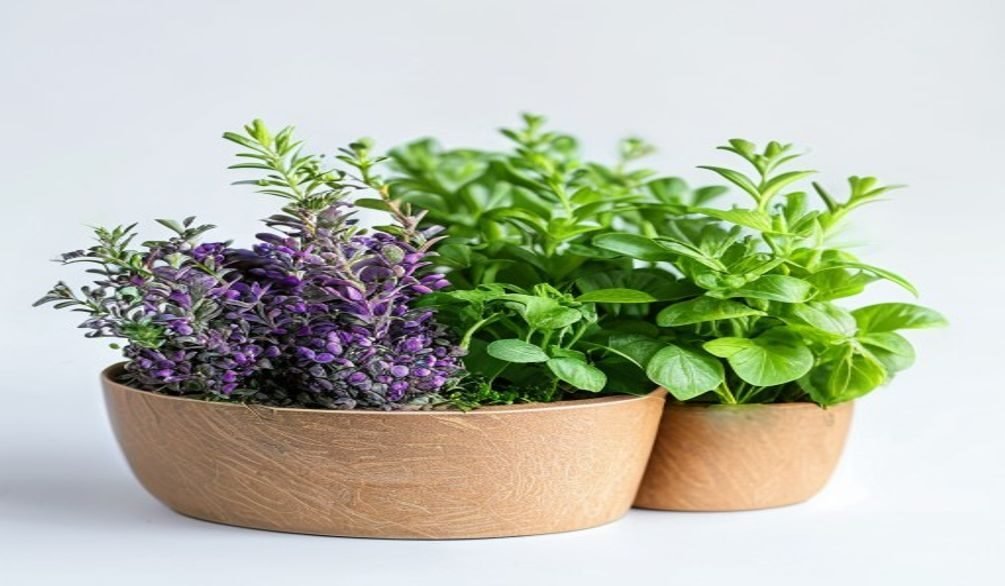
- Herbs: Many common herbs like rosemary, thyme, and even some varieties of pudina (though pudina loves water, you can choose specific varieties that are less thirsty) are quite resilient.
- Native Plants: Plants native to your region, like certain types of Indian spinach or gawar phali, are already adapted to local rainfall patterns and temperatures.
Conversely, avoid plants that are known “water guzzlers” if water conservation is your primary goal. For example, some leafy greens need a lot of consistent moisture.
Optimizing your soil mix for water retention
The soil or growing medium is key. A good mix will hold onto moisture but still allow for proper drainage, preventing root rot. Here’s what works:
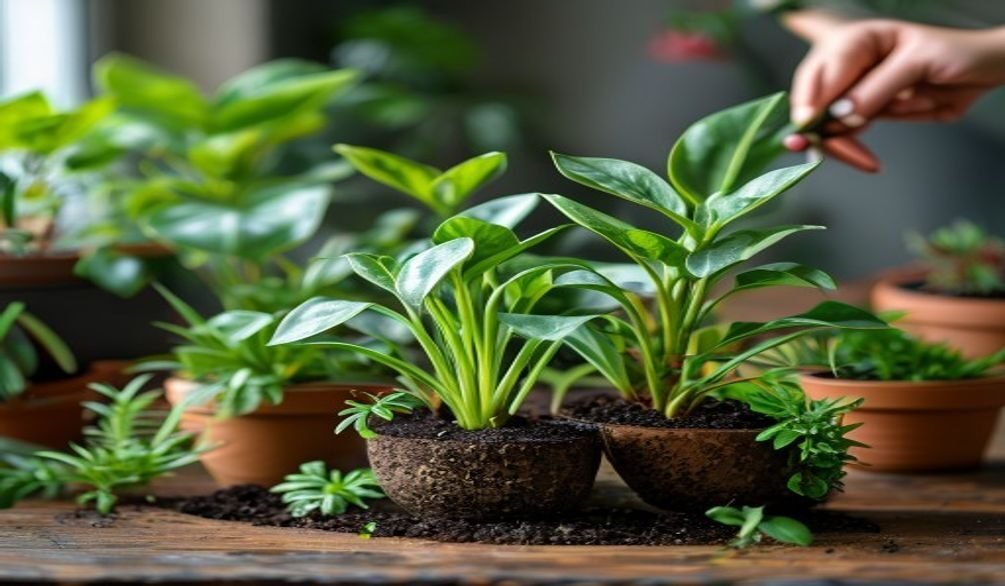
- Cocopeat: This is a fantastic addition. It’s lightweight and holds water exceptionally well. I once had a reader plant seedlings two weeks too early in a standard garden soil mix—lost the whole tray because the soil temperature was still 12°C and it stayed waterlogged. They replanted after waiting for 18°C+ and using a cocopeat-heavy mix, and got 80% germination.
- Vermiculite and Perlite: These amendments improve drainage and aeration while also helping to retain moisture.
- Compost: Rich organic compost not only provides nutrients but also enhances the soil’s water-holding capacity.
The goal is a fluffy, well-draining mix that doesn’t compact easily. A common mistake I see is using heavy garden soil straight from the ground, which becomes dense and waterlogged in containers, especially in humid conditions. Using a tailored potting mix is a fundamental part of effective vertical gardening water saving tips.
What are some disadvantages of vertical farming regarding water?
While vertical farming offers significant water savings, it does come with certain disadvantages, primarily related to initial setup costs and potential energy consumption for controlled environments. The advanced systems that offer the highest water efficiency, like hydroponic or aeroponic setups, often require a higher upfront investment in specialized equipment, which might be a barrier for some home gardeners.
Secondly, maintaining a completely closed-loop system to maximize water recycling can demand precise environmental controls—things like temperature, humidity, and light. These controls, especially in indoor vertical farms, can lead to increased energy consumption for lighting and HVAC systems, which indirectly impacts sustainability, even if direct water usage is minimal. So, while you’re saving water, you might be trading it for higher electricity bills if you’re not careful. It’s a balance, and understanding these trade-offs is part of mastering holistic vertical gardening water saving tips.
Frequently asked questions
How much water does vertical farming save?
Vertical farming can save a substantial amount of water, typically reducing consumption by 90-95% compared to traditional field farming. This efficiency comes from recirculating water in closed systems, minimizing evaporation and runoff, according to projections for 2026. This means more food can be grown with significantly less freshwater, a critical benefit in water-stressed regions.
Is vertical farming more sustainable?
Yes, vertical farming is generally considered more sustainable than traditional agriculture due to its reduced land and water usage, and often lower carbon footprint from transportation. The global vertical farming market size was valued at USD 9.6 billion in 2025 and is projected to grow to USD 39.2 billion by 2033, demonstrating its increasing adoption and perceived sustainability. This method helps address food security in urban areas without expanding agricultural land.
What are the three types of vertical farming?
The three main types of vertical farming are hydroponics, aeroponics, and aquaponics, each utilizing different methods to deliver nutrients to plants without soil. Hydroponics grows plants in nutrient-rich water, aeroponics mists nutrient solutions directly onto roots, and aquaponics combines aquaculture (raising fish) with hydroponics. Each method offers unique advantages for space and water efficiency.
What are the environmental benefits of vertical farming?
Vertical farming offers several environmental benefits, including drastically reduced water usage, minimal land footprint, and decreased need for chemical pesticides and herbicides. By locating farms closer to consumers, it also cuts down on transportation emissions. This innovative approach helps conserve natural resources and promotes local food production.
Do vertical gardens need a lot of sunlight?
Vertical gardens need adequate light, but not necessarily direct sunlight, especially if indoors or using artificial lighting. Many vertical garden systems thrive with 6-8 hours of indirect light or can be supplemented with grow lights to ensure optimal plant growth. This flexibility allows vertical gardens to be placed in various locations, including shaded balconies or indoors.
Mastering vertical gardening water saving tips isn’t just a good idea; it’s a smart, sustainable choice for any Indian home gardener. By embracing methods like drip irrigation, self-watering planters, and even advanced hydroponics, you can cultivate a thriving garden that uses far less water than you might expect. Don’t let the fear of water wastage stop you from enjoying fresh produce from your balcony or terrace. Start small, experiment with these tips, and watch your garden flourish while conserving our precious water resources.