Are you dreaming of a vibrant garden that flourishes even when water is scarce, without constant upkeep? Discovering the best water-wise garden flowers is your first step towards creating a beautiful, sustainable landscape that conserves precious resources. This guide will walk you through selecting stunning drought-tolerant plants, designing an inviting space, and leveraging smart technology to keep your garden thriving with minimal effort.
What Makes a Flower Drought-Tolerant?
Understanding what equips a flower to endure dry conditions is key to successful water-wise gardening. These resilient plants have evolved specific adaptations that allow them to thrive with significantly less water than traditional garden varieties, making them ideal drought tolerant plants.
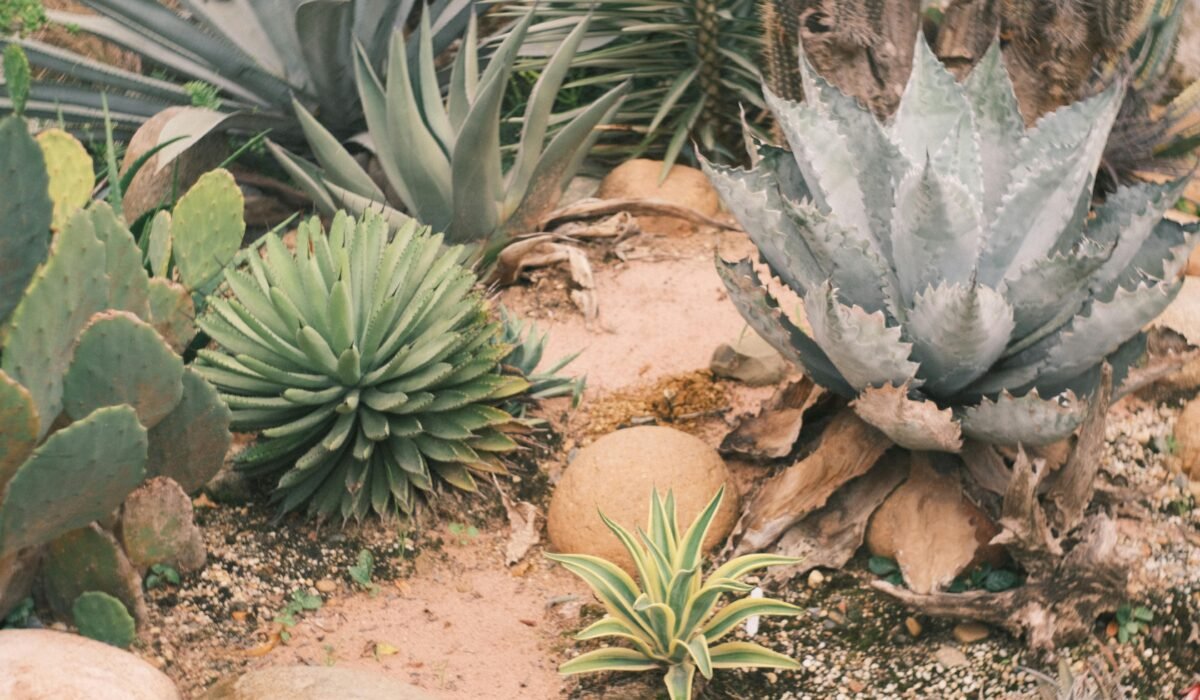
Many low water flowers possess features like thick, waxy leaves that minimize evaporation, silvery or hairy foliage that reflects sunlight, or deep root systems that tap into underground moisture. Some even store water in their leaves or stems, much like succulents, acting as natural reservoirs.
The short answer is, these plants are nature’s innovators, designed to flourish where others might wilt. By choosing them, you’re not just saving water; you’re selecting species perfectly suited to challenging climates, reducing your garden’s overall water footprint by 50-80% compared to traditional gardens.
Best Water-Wise Garden Flowers for Sunny Spots
Creating a vibrant display in full sun areas without excessive watering is entirely possible with the right selections. Many of the most stunning xeriscape flowers truly shine in bright, open locations, making them perfect for your front yard or open beds.
Here are some of the best water-wise garden flowers that revel in the sun, offering brilliant color and texture:
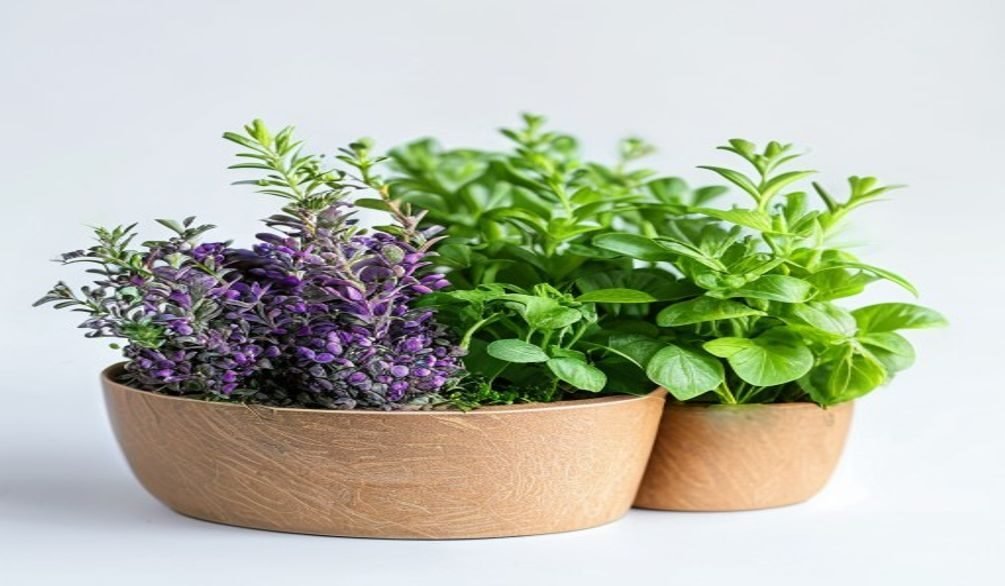
- Lavender (Lavandula spp.): Known for its intoxicating fragrance and beautiful purple spikes, lavender is a classic choice for hot, sunny spots. It’s an easy care drought tolerant plant that also attracts pollinators.
- Coneflower (Echinacea purpurea): These cheerful, daisy-like flowers come in various colors and are incredibly tough once established. They are excellent drought tolerant perennials full sun options, blooming from summer into fall.
- Yarrow (Achillea millefolium): With flat-topped clusters of flowers in shades of yellow, pink, and red, yarrow is a robust perennial that handles heat and dry soil with grace. It’s a fantastic choice for adding texture and long-lasting color.
- Sedum (Stonecrop): Offering incredible diversity in leaf shape, color, and bloom time, sedums are succulent-like plants that store water efficiently. Varieties like ‘Autumn Joy’ provide late-season interest and are virtually indestructible.
- Lantana (Lantana camara): A continuous bloomer, lantana produces clusters of small flowers that often change color as they mature. It’s a favorite for its bright hues and ability to shrug off heat and drought, making it a wonderful addition for containers or beds.
What most people miss is how a combination of these plants can create a visually stunning yet extremely resilient landscape. Imagine a bed with the silvery foliage of lavender contrasting with the bold yellows of yarrow and the deep purples of coneflowers – all designed to thrive on minimal irrigation.
Top Drought-Tolerant Flowers for Shade & Partial Sun
Even shadier parts of your garden can be transformed into beautiful, water-efficient havens. While full sun offers the widest selection, there are still many fantastic low water flowers that prefer less intense light and maintain their beauty with minimal irrigation.
Resilient Blooms for Partial Shade
Partial shade, often defined as 3-6 hours of direct sun per day, especially morning sun, suits a surprising number of drought-tolerant beauties. These plants appreciate some relief from the harshest afternoon rays but still require well-draining soil.
- Foamflower (Tiarella cordifolia): Delicate white, foamy flower spikes emerge in spring, contrasting beautifully with its attractive, often lobed foliage. It’s a lovely native groundcover for dappled shade.
- Bleeding Heart (Dicentra spectabilis): The classic heart-shaped flowers dangling from arching stems create an ethereal display in spring. While they appreciate consistent moisture initially, established plants can tolerate drier periods in partial shade.
- Coral Bells (Heuchera spp.): Primarily grown for their stunning foliage, which comes in an incredible array of colors from lime green to deep burgundy, coral bells also produce delicate flower spikes. They are remarkably tough and adaptable to varying light conditions, including partial shade.
Hardy Choices for Shady Retreats
Deep shade can be challenging, but some plants are specifically adapted to these conditions while still being water-wise once established. These plants often have naturally lower water needs due to less sun exposure, reducing evaporation.
- Hellebore (Helleborus orientalis): Often called Lenten Rose, hellebores are winter and early spring bloomers that bring much-needed color to shady spots when little else is flowering. Their leathery leaves also contribute to their drought resistance.
- Barrenwort (Epimedium spp.): With delicate, often heart-shaped leaves and dainty, orchid-like flowers, barrenwort is an excellent choice for dry shade. It forms a lovely groundcover and is incredibly resilient.
The trick with shade-loving drought-tolerant plants is often about mimicking their natural woodland habitats, where they typically receive moisture from decaying leaf litter but are not accustomed to constant saturation. Good soil preparation, including organic matter, helps retain just enough moisture without waterlogging.
Designing a Lush, Colorful Water-Wise Garden
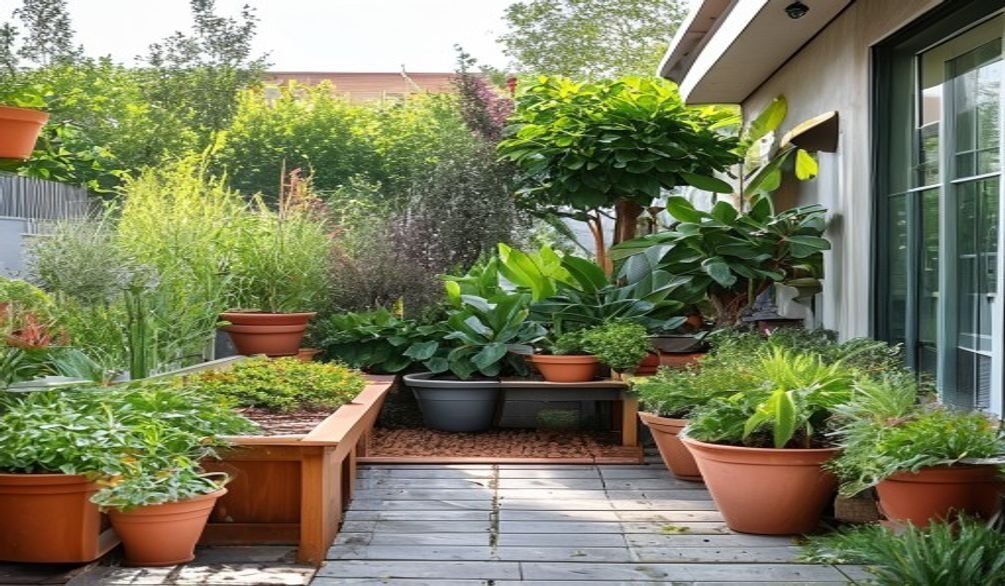
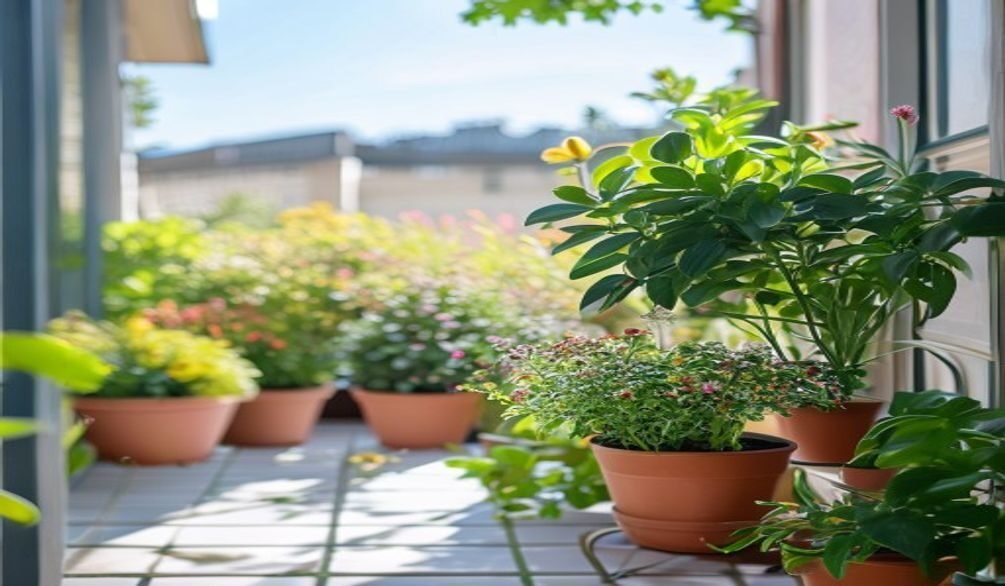
One common misconception is that a water-wise garden must look sparse or desert-like. In practice, you can absolutely create a lush drought tolerant garden that bursts with color and texture, proving that sustainability doesn’t mean sacrificing aesthetics. Rebecca Sweet, a landscape designer, emphasizes experimenting with different drought-tolerant species to achieve this vibrant look, noting her personal success with native, Australian, and Mediterranean plants.
Strategic Plant Grouping and Layering
To achieve a full, vibrant appearance, think about how plants grow together in nature. Grouping plants with similar water needs is fundamental for garden design water wise principles, ensuring efficient irrigation. Layering different heights and textures creates visual depth and interest.
- Tall Backdrops: Use taller plants like Russian Sage or certain ornamental grasses as a backdrop.
- Mid-ground Fillers: In front, plant medium-height flowers such as coneflowers, yarrow, or salvia.
- Groundcovers and Edging: Finish with low-growing options like creeping phlox, sedum, or thyme to soften edges and suppress weeds.
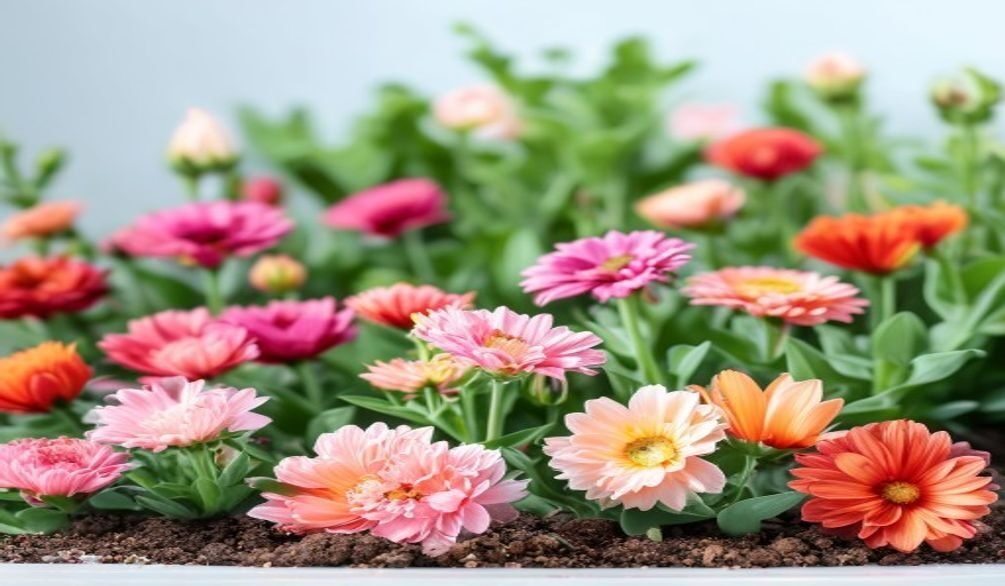
Consider the color palette carefully. While a monochromatic scheme can be elegant, combining complementary colors (like purple lavender with yellow yarrow) or analogous colors (shades of pink and purple) creates a dynamic and inviting space. Don’t forget the impact of colorful drought tolerant shrubs like Dwarf Bottlebrush or certain Ceanothus varieties for year-round structure and blooms.
A smart design also naturally helps prevent pests by creating a diverse ecosystem. For more ideas on integrating such principles, you might find valuable insights in our guide on Pest Resistant Organic Garden Design.
Water-Wise Gardening by USDA Hardiness Zone
Choosing the right plants for your specific climate zone is paramount for any gardening success, especially for water-wise practices. What thrives in a hot, arid Southwest garden might struggle in a humid, temperate East Coast zone, even if both are considered “drought-tolerant.” Dr. Michael Arnold of Texas A&M AgriLife Extension wisely states, “The best plant for a specific location depends upon the characteristics of that site, the desired function of the plant, the general climatic conditions of the region, and the level of maintenance and inputs available.”
Understanding Your Zone’s Specific Needs
The USDA Hardiness Zone map helps you determine which plants are likely to survive winter temperatures in your area. However, for water-wise gardening, you also need to consider summer heat, humidity, and rainfall patterns. This is where researching xeriscape flowers zone specific to your region becomes crucial.
For instance, an article by Colorado State University Extension highlights that “Plants that will prosper in Colorado’s climate without the benefit of ample irrigation require careful selection,” emphasizing the need for regional specificity. Many state extension offices, like the University of Illinois Extension, even advise homeowners to “Consider planting a drought-tolerant garden that can survive Illinois summers” due to changing weather patterns.
Embracing Native Drought-Tolerant Plants
One of the most effective strategies for truly water-wise gardening is to prioritize native drought tolerant plants. These species have evolved over millennia to thrive in your local climate and soil conditions, requiring significantly less water and maintenance once established. According to research, native plant gardens typically require 60% to 80% less water and maintenance than traditional landscapes.
For example, if you’re in the American Southwest, consider desert marigolds or penstemons. In the Southeast, coreopsis or purple coneflower (Echinacea) are excellent native choices. These plants not only conserve water but also provide vital habitat and food sources for local wildlife and beneficial insects.
Smart Watering: Integrating Technology for Your Flower Beds
While selecting the right plants is foundational, how you water them is equally critical for a truly efficient garden. Modern technology offers sophisticated solutions for smart irrigation for flowers, moving beyond simple drip systems to optimize every drop.
Leveraging AI and Sensor Technology
The latest advancements in irrigation involve AI-powered systems that take the guesswork out of watering. These systems, like those from brands such as Orbit B-Hyve, Rachio, and RainMachine, use real-time data from various sources:
- Soil Moisture Sensors: Placed directly in your flower beds, these sensors measure the actual water content in the soil, ensuring plants are watered only when they truly need it.
- Local Weather Forecasts: The system automatically adjusts watering schedules based on upcoming rain, temperature, and humidity, preventing unnecessary irrigation.
- Plant-Specific Needs: Many smart controllers allow you to input plant types, soil composition, and sun exposure, tailoring the watering precisely to your garden’s unique requirements.
In practice, these advanced systems can reduce water usage by an additional 15-30% beyond basic drip irrigation, making a significant impact on conservation. Given that water costs are rising by more than 7% annually, this technology also offers substantial long-term savings.
Beyond the Controller: Rainwater Harvesting
For an even more sustainable approach, consider integrating rainwater harvesting. Collecting rainwater in barrels or larger cisterns allows you to capture and store this free resource for later use in your flower beds. This not only reduces your reliance on municipal water but also provides plants with naturally soft, chlorine-free water, which they often prefer. Combining rainwater harvesting with smart irrigation systems creates a powerful duo for ultimate water efficiency.
Essential Care Tips for Thriving Drought-Tolerant Flowers
Even the toughest easy care drought tolerant plants benefit from a little thoughtful attention, especially during establishment. While they are designed for resilience, a few key practices will ensure your water-wise garden flourishes, becoming a truly lush drought tolerant garden.
Establishment Period Watering
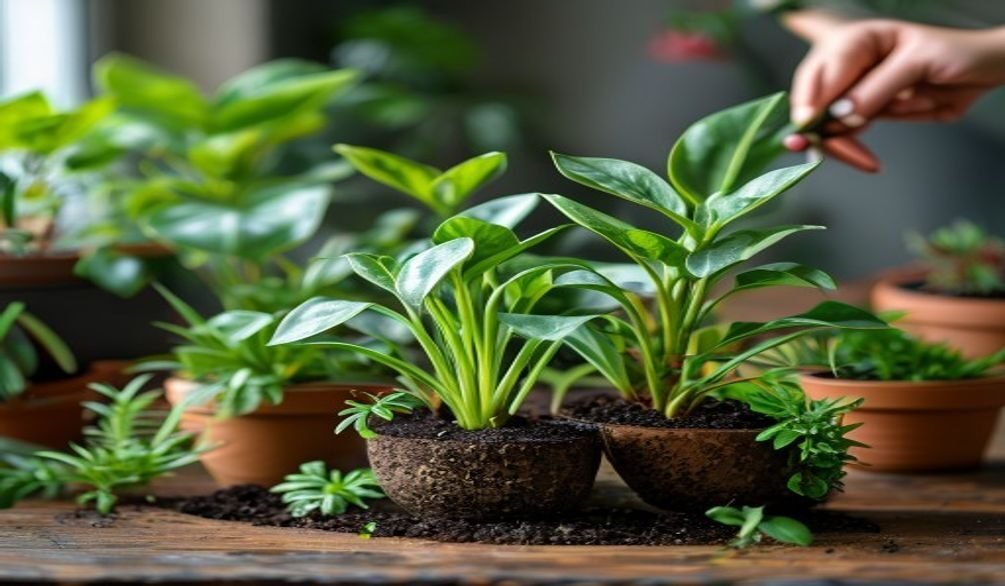
The most common mistake with drought-tolerant plants is expecting them to be immediately water-independent. For the first season or two, newly planted flowers need regular, deep watering to establish a strong root system. This encourages roots to grow deep into the soil, seeking out moisture and making the plant truly drought-resistant in the long run. Once established, you can gradually reduce watering frequency.
Mulching for Moisture Retention
Applying a 2-4 inch layer of organic mulch around your flowers is one of the most effective water-saving strategies. Mulch helps to significantly reduce evaporation from the soil surface, keeps soil temperatures more consistent, and suppresses weeds that compete for water. Materials like wood chips, shredded bark, or compost are excellent choices, breaking down over time to enrich the soil.
Mindful Fertilization and Pruning
Drought-tolerant plants often thrive in lean soil and typically don’t require heavy fertilization. Excessive fertilizer can lead to lush, tender growth that is more susceptible to drought stress. If your soil is poor, a light application of balanced, slow-release organic fertilizer in spring is usually sufficient. Similarly, judicious pruning, often just deadheading spent blooms, can encourage more flowering without promoting excessive, water-hungry growth.
Frequently Asked Questions
What flowers are best for drought conditions?
The best flowers for drought conditions are those with natural adaptations like waxy leaves, deep root systems, or water-storing capabilities. Excellent choices include Lavender, Coneflower, Yarrow, Sedum, and Lantana for sunny spots, and Hellebore or Barrenwort for shadier areas, all known for their ability to thrive with minimal water once established.
What is the easiest flower to grow in a dry climate?
Lavender is often considered one of the easiest flowers to grow in a dry climate due to its natural resilience, low water needs, and minimal care requirements once established. Other top contenders include varieties of Sedum and Yarrow, which are also incredibly forgiving and require very little attention in arid conditions.
What flowers require the least amount of water?
Flowers that require the least amount of water typically originate from Mediterranean, desert, or high-plains environments. Examples include various species of Salvia, Cacti and Succulents (like Red-Flowering Aloe or Echeveria), and ornamental grasses such as Blue Fescue, all of which are perfectly adapted to survive on very limited moisture.
What plants can survive with very little water?
Many plants can survive with very little water, especially after their initial establishment period. These include a wide range of xeriscape flowers like Russian Sage, Gaillardia (Blanket Flower), Portulaca, and certain varieties of Agastache. Native drought tolerant plants are particularly adept at surviving on natural rainfall in their specific regions.
Embracing the world of drought-tolerant flowers opens up a realm of possibilities for a beautiful, sustainable garden. By selecting the best water-wise garden flowers for your climate, applying smart design principles, and integrating modern watering technology, you can create a vibrant, low-maintenance oasis that contributes to water conservation. Start planning your water-wise garden today and enjoy a landscape that is both stunning and responsible.