
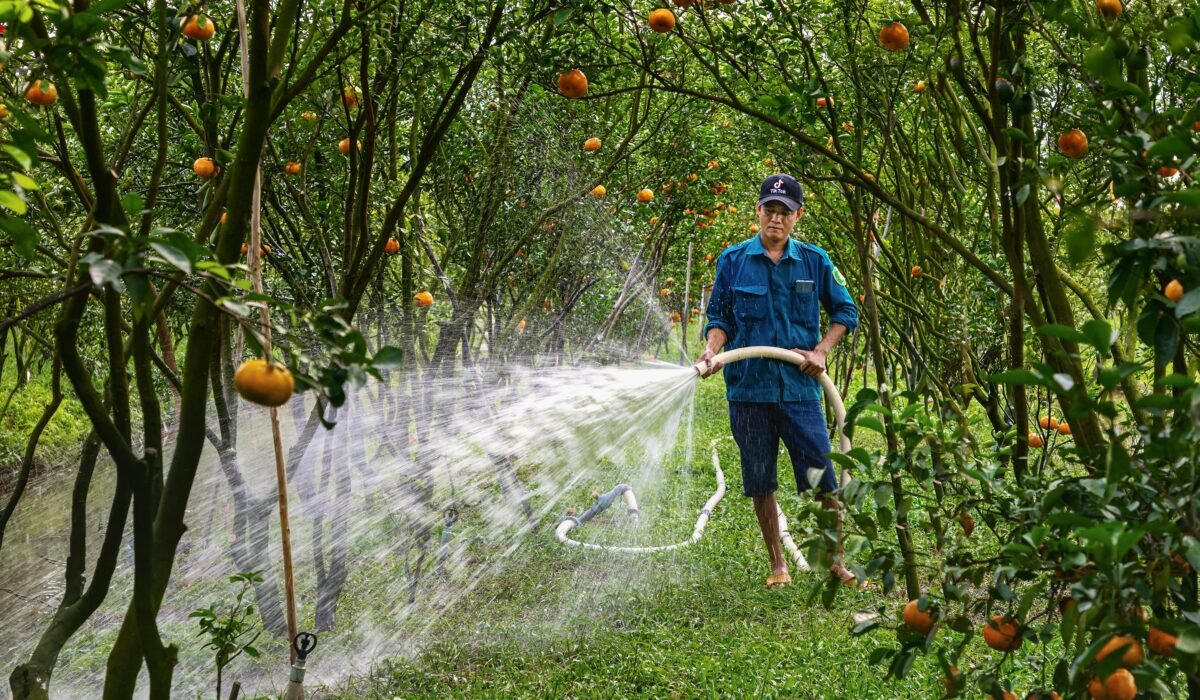
Imagine biting into a juicy, sun-ripened apple from your own backyard, or plucking a sweet peach straight from the branch. This dream isn’t just about planting; it’s about providing consistent, thoughtful care, and nothing is more fundamental to a fruit tree’s success than proper watering fruit trees. Getting it right ensures strong roots, robust growth, and abundant, high-quality harvests.
From newly planted saplings to established producers, every fruit tree relies on adequate moisture to thrive. Too little water, and your tree will struggle to absorb nutrients and develop fruit; too much, and you risk devastating root rot. This comprehensive guide will equip you with essential techniques, helping you master the art of watering your fruit trees for optimal health and productivity.
Understanding Your Fruit Tree’s Water Needs
Water is the lifeblood of a fruit tree, playing a critical role in every biological process. It transports nutrients from the soil to the leaves, facilitates photosynthesis, and is essential for the development and swelling of fruit. Without sufficient water, your tree will become stressed, leading to stunted growth, poor fruit quality, and increased susceptibility to pests and diseases.
While a general guideline suggests most fruit crops need about 1 inch of water per week, this is a starting point, not a universal rule. The actual amount and frequency depend significantly on various factors, which we’ll explore in detail. The goal is to maintain uniform soil moisture, avoiding extremes of wet and dry conditions.
Certain periods are particularly critical for water availability. The month after full bloom, when rapid cell division in fruit occurs, is vital for fruit size. Similarly, the final fruit swell phase, typically two to three weeks before harvest for stone fruits, demands consistent moisture to ensure plump, juicy produce. Understanding these crucial stages helps you prioritize your watering fruit trees schedule.
How to Water Fruit Trees: Techniques and Tools
Effective watering isn’t just about quantity; it’s about how and where you deliver the water. The aim is to encourage deep root growth, making your trees more resilient to dry spells. Shallow, frequent watering keeps moisture near the surface, leading to shallow root systems that are more vulnerable.
When watering, focus on the tree’s drip line – the imaginary circle on the ground directly beneath the outermost branches. This is where the majority of the feeder roots are located. Avoid watering directly at the trunk, as constant moisture there can encourage crown rot and other fungal diseases.
Recommended Watering Methods:
- Drip Irrigation: Highly efficient, drip irrigation systems deliver water slowly and directly to the root zone, minimizing evaporation and runoff. Emitters can be placed strategically to ensure even distribution. Many experienced growers consider this the most effective method for fruit tree care.
- Soaker Hoses: Similar to drip irrigation, soaker hoses release water slowly along their length. They are an excellent option for home orchards, providing deep, consistent moisture with minimal effort. Lay them in a spiral around the tree, extending to the drip line.
- Tree Watering Bags: For newly planted trees, specialized watering bags (e.g., TreeGator) provide a slow, continuous release of water over several hours. This ensures deep penetration and reduces the need for frequent checks.
- Hand Watering: While less efficient for multiple trees, hand watering with a hose can be effective for individual trees if done correctly. Use a slow stream to allow water to soak in deeply, rather than running off. Avoid quick, shallow sprinkles.
The best time to water your fruit trees is in the early morning. This allows the water to soak in before the heat of the day causes significant evaporation, and it gives the foliage time to dry, reducing the risk of fungal diseases. Watering deeply and less frequently is always preferable to light, daily sprinkles.
Signs of Underwatering and Overwatering
Learning to read your tree’s signals is paramount to successful watering fruit trees. Both too little and too much water can cause distress, and their symptoms can sometimes appear similar. However, subtle differences can help you diagnose the problem and adjust your watering schedule accordingly.
Signs of Underwatering:
- Wilting and Drooping Leaves: The most common sign, leaves may appear limp and lifeless, even in the morning.
- Crispy, Brown Leaf Edges: The outer edges of leaves may turn brown and feel dry or brittle.
- Stunted Growth: The tree’s overall growth may be slow, and new shoots might be short and weak.
- Early Leaf Drop: Trees may shed leaves prematurely, especially during hot, dry periods.
- Small, Poorly Developed Fruit: Fruit may be smaller than usual, dry, or drop prematurely.
- Dry, Cracked Soil: The soil around the tree will be visibly dry and hard, often pulling away from the trunk.
If you suspect underwatering, check the soil moisture several inches deep. If it’s dry, a thorough, deep watering is needed. Consistent drought stress can severely impact a tree’s health and future productivity, making it more vulnerable to issues like those discussed in our guide on Troubleshooting Fruit Tree Diseases & Pests.
Signs of Overwatering:
- Yellowing Leaves (Chlorosis): Often starting on lower branches, leaves turn yellow but may not wilt, feeling soft or mushy. This is due to root damage and nutrient lockout.
- Wilting Despite Moist Soil: Roots deprived of oxygen due to waterlogged conditions cannot take up water, causing the tree to wilt even though the soil is wet.
- Mushy or Soft Bark at the Base: This can indicate root or crown rot, a severe fungal disease caused by excessive moisture.
- Moss or Algae Growth: The presence of moss, algae, or even mushrooms around the tree’s base suggests persistently wet conditions.
- Leaf Drop: Overwatered trees can also drop leaves, often appearing yellow or green before falling.
- Foul Odor from Soil: Waterlogged soil can develop an unpleasant, stagnant smell due to anaerobic conditions.
If overwatering is the issue, stop watering immediately and allow the soil to dry out. Improve drainage if possible, and adjust your future watering schedule. Overwatering can be more damaging than underwatering, as root rot is difficult to reverse.
Watering by Tree Age, Soil Type, and Climate
The “one size fits all” approach simply doesn’t work for watering fruit trees. Tailoring your strategy to your tree’s specific needs, your soil, and your local climate is crucial for success.
Watering by Tree Age
- Newly Planted Trees (First Year): These trees are establishing their root systems and are highly vulnerable to drought stress. They require the most consistent watering.
- Frequency: Water deeply 1-2 times per week, possibly more often in hot, dry weather.
- Amount: Provide 3-5 gallons of water per week. The goal is to keep the root ball consistently moist but not waterlogged.
- Method: Tree watering bags or slow hand watering are ideal to ensure deep penetration without runoff.
- Young Trees (1-3 Years Old): Still developing, these trees need regular, deep watering to encourage a strong, expansive root system.
- Frequency: Deeply water once a week, extending to the drip line.
- Amount: Young apple trees, for example, might need 5-10 gallons per week during the growing season.
- Established Trees (3+ Years Old): With a well-developed root system, mature trees are more drought-tolerant but still require supplemental water, especially during dry spells and fruit development.
- Frequency: Every 2-3 weeks during dry periods, or when the top 6-12 inches of soil are dry.
- Amount: A general rule is about 1 gallon per square foot of the tree’s drip line per week in summer. Large, mature trees with a full crop can require significantly more, up to 50+ gallons per week during peak summer heat.
Watering by Soil Type
The type of soil in your garden dictates how quickly water drains and how long it’s retained, directly impacting your watering frequency.
- Sandy Soils: These soils drain very quickly and have poor water retention. You’ll need to water more frequently, perhaps every 3-5 days, but with smaller amounts to prevent leaching.
- Clay Soils: Heavy clay soils retain water for longer periods, increasing the risk of waterlogging. Water less frequently, perhaps every 1.5-2 weeks, but ensure each watering is deep to penetrate the dense soil. It’s crucial to check soil moisture before watering.
- Loamy Soils: Considered ideal, loamy soils offer a good balance of drainage and water retention. They allow for consistent, deep watering without extreme frequency.
Watering by Climate and Season
Your local climate and the time of year significantly influence your tree’s water demands.
- Hot, Dry Climates: Trees will require more frequent and possibly higher volumes of water to compensate for increased evaporation and transpiration.
- Humid Climates: Less frequent watering may be necessary as humidity reduces transpiration rates.
- Summer: This is typically the period of highest water demand, especially during fruit development.
- Winter: Most fruit trees go dormant in winter, requiring significantly less water. Only water if conditions are exceptionally dry and the ground isn’t frozen, to prevent desiccation.
Smart Irrigation & Water Conservation Strategies
As climate patterns shift and water resources become more precious, adopting smart irrigation and water conservation techniques is not just beneficial—it’s essential. These strategies not only save water but also optimize tree health and reduce your workload.
Embrace Smart Irrigation Systems
Modern technology offers powerful tools for precise and efficient tree irrigation methods.
- Soil Moisture Sensors: These devices are game-changers. Sensors like tensiometers or capacitance sensors measure the actual water content in the soil at various depths. They provide real-time data, allowing you to water only when and where it’s truly needed, preventing both underwatering and overwatering. Brands like SoilSense offer reliable solutions for home gardeners and small orchards.
- Automated Irrigation Controls: Integrating soil moisture sensors with smart controllers allows for automated watering schedules that adapt to changing conditions. These systems can factor in weather forecasts, soil type, and tree age to deliver the precise amount of water.
- AI-Powered Systems: For larger operations, emerging AI systems analyze historical data, weather patterns, and real-time sensor inputs to optimize water delivery, even suggesting fertilizer applications based on water uptake.
Investing in these technologies can lead to significant water savings and healthier trees, making your watering fruit trees efforts more effective.
Water Conservation Techniques
Beyond smart tech, several practical strategies can help you conserve water and improve soil health.
- Mulching: Applying a 2-4 inch layer of organic mulch (wood chips, straw, compost) around your fruit trees is one of the most effective water conservation methods. Mulch reduces evaporation, suppresses weeds (which compete for water), moderates soil temperature, and slowly adds organic matter to the soil. Always keep mulch about 1 foot away from the tree trunk to prevent moisture buildup and disease.
- Improve Soil Health: Incorporating organic matter, such as compost, into your soil dramatically improves its water-holding capacity and drainage. Healthy soil acts like a sponge, retaining moisture for longer periods and making your trees more resilient. This aligns with regenerative agriculture practices that benefit overall orchard health.
- Rainwater Harvesting: Collecting rainwater in barrels or cisterns provides a sustainable, chemical-free water source for your fruit trees, especially during dry spells.
- Regular System Maintenance: Periodically check your drip emitters, soaker hoses, and sprinklers for clogs, leaks, or damage. A well-maintained system ensures water is delivered efficiently without waste. Rain Bird offers excellent resources for maintaining efficient irrigation systems.
Addressing Specific Fruit Tree Varieties’ Water Needs
While general guidelines apply, different fruit tree varieties have distinct preferences and tolerances regarding water. Understanding these can help you fine-tune your approach and select the right fruit varieties for your climate.
- Citrus Trees (Lemons, Oranges, Limes): These subtropical trees require consistent moisture, especially during flowering and fruit development. Drought stress can lead to significant flower and fruit drop. They do not tolerate standing water but prefer regularly moist soil.
- Stone Fruits (Peaches, Plums, Cherries, Apricots): Peaches and plums are particularly sensitive to water stress, especially when fruit is swelling. Consistent water during this period ensures large, juicy fruit. Cherries and apricots are somewhat more drought-tolerant but still benefit from regular watering in dry conditions.
- Pome Fruits (Apples, Pears): Apples and pears generally thrive with deep, infrequent watering. Once established, they can tolerate short dry spells better than stone fruits, but consistent moisture is crucial for optimal fruit size and quality. Washington State University Extension provides detailed irrigation guides for these popular orchard trees.
- Drought-Tolerant Fruit Trees: If you live in an arid region or face water restrictions, consider varieties known for their drought tolerance. Almonds, figs, and olives are excellent choices, requiring less supplemental water once established. Pomegranates and some grape varieties also show good drought resistance.
Always research the specific needs of the varieties you grow. Factors like rootstock can also influence a tree’s water requirements, with dwarfing rootstocks sometimes needing more consistent moisture due to shallower root systems.
Remember that proper watering fruit trees is just one part of a holistic care plan. Combining it with appropriate fertilization (refer to our guide on Fertilizing Fruit Trees: Maximize Yield & Health), pruning, and pest management will ensure your trees reach their full potential.
Mastering the art of watering fruit trees is one of the most rewarding skills a gardener can develop. It requires observation, adaptation, and a willingness to learn from your trees. By understanding their unique needs based on age, soil, climate, and variety, you can provide the precise hydration necessary for vigorous growth and bountiful harvests.
Embrace the techniques outlined in this guide, from deep, infrequent watering to leveraging smart irrigation and mulching. Pay close attention to the signs your trees give you, and adjust your routine accordingly. With consistent and thoughtful care, you’ll not only ensure the health and longevity of your fruit trees but also enjoy the sweet, satisfying taste of homegrown fruit for years to come. Start implementing these essential techniques today and watch your orchard flourish!







