
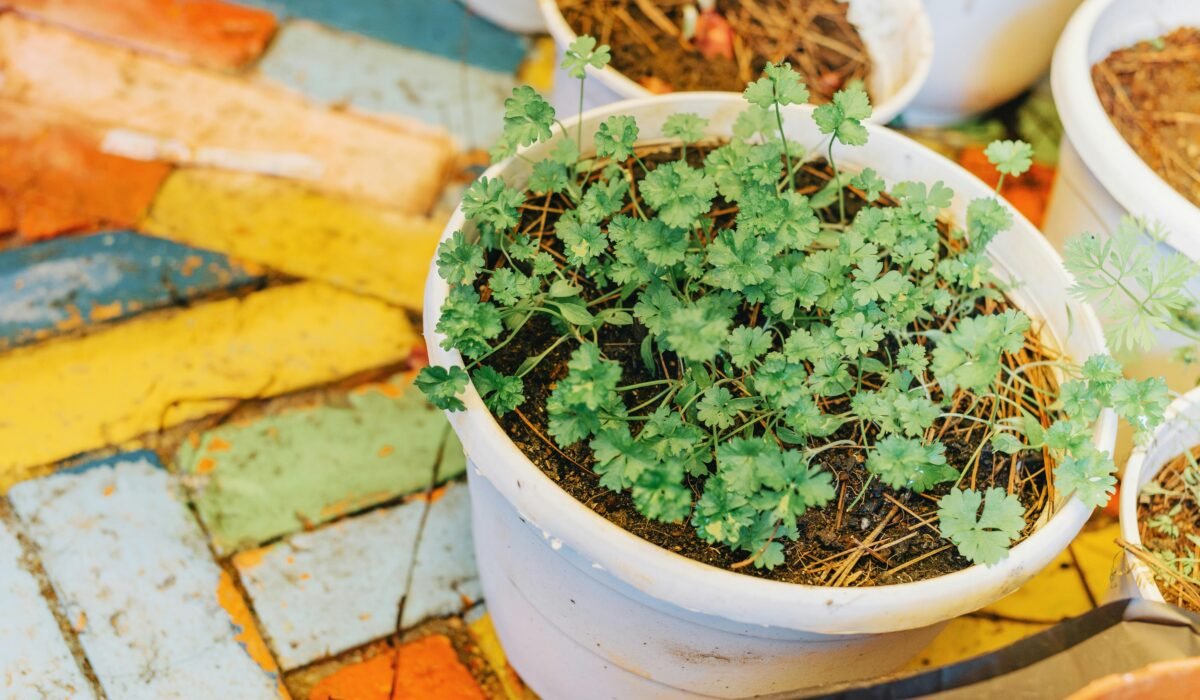
Imagine stepping into your garden or balcony and snipping fresh, vibrant cilantro leaves whenever a recipe calls for them. There’s no comparison to the flavor and aroma of homegrown herbs, and cultivating your own brings immense satisfaction. If you’ve ever dreamt of having an endless supply of this popular herb, you’re in luck! Learning how to grow coriander at home is surprisingly straightforward, rewarding you with both delicious leaves (cilantro) and flavorful seeds (coriander).
This comprehensive guide will walk you through every step, from selecting the perfect variety to harvesting your bounty, ensuring you master the art of growing this versatile herb right in your own space. Get ready to elevate your culinary creations with the freshest cilantro you’ve ever tasted!
Why Grow Coriander at Home? Benefits & Best Practices
Growing your own coriander offers a multitude of benefits that extend beyond mere convenience. Firstly, you gain access to an unparalleled freshness that store-bought cilantro simply can’t match. The leaves are more aromatic, vibrant, and packed with flavor, transforming your dishes from ordinary to extraordinary.
Beyond taste, cultivating your own herbs is incredibly cost-effective. A single packet of seeds can produce multiple harvests, saving you money compared to continuously buying small bunches from the grocery store. Moreover, you have complete control over the growing process, ensuring your cilantro is free from unwanted pesticides and chemicals, making it a truly organic addition to your kitchen.
Embracing the practice of growing coriander at home also contributes to a sustainable lifestyle. You reduce packaging waste and minimize the carbon footprint associated with transportation. Plus, tending to an herb garden at home is a wonderfully therapeutic activity, connecting you with nature and providing a sense of accomplishment with every successful harvest.
For best results, remember that coriander is a cool-season annual. It thrives in cooler temperatures, typically in spring or fall, and prefers a location with full sun to partial shade. Ensuring well-drained soil is paramount for healthy root development and overall plant vigor.
Choosing the Right Coriander Variety: Slow-Bolting for Longer Harvests
One of the biggest challenges when you grow coriander at home is its tendency to “bolt.” Bolting occurs when the plant prematurely flowers and goes to seed, especially in warm weather, leading to bitter-tasting leaves and the cessation of new foliage production. The key to a prolonged harvest of fresh cilantro is selecting slow-bolting varieties.
These specially bred cultivars are designed to resist the urge to flower, allowing you to enjoy their delicious leaves for a longer period. When considering the best coriander varieties for your garden, look for those specifically marketed as “slow-bolting” or “heat tolerant.”
Here are some highly recommended slow-bolting varieties:
- ‘Leisure’: A popular choice known for its high yield and excellent resistance to bolting.
- ‘Santo’: Another favorite, providing good flavor and a strong tendency to delay bolting.
- ‘Calypso’: Renowned for being very slow to bolt, making it an excellent option for warmer climates or summer growing.
- ‘Marino’: Offers robust leaf growth and good bolt resistance, perfect for continuous harvests.
- ‘Filtro’: A vigorous grower that is also slow to bolt, ensuring a steady supply of leaves.
- ‘Cruiser’: Bred for strong performance and delayed bolting.
While most varieties are dual-purpose, if your primary goal is coriander seeds, varieties like ‘Moroccan’ are exceptional for seed production. You might also encounter newer introductions like ‘Gishniz’ (Iranian cilantro), which could offer unique taste profiles or performance benefits. Choosing the right variety sets the foundation for a successful and extended cilantro season.
Essential Steps for Planting Coriander: Seeds, Soil & Sunlight
Successful coriander cultivation begins with proper planting. This herb has a delicate taproot, making direct sowing the preferred method over transplanting. Disturbed roots can stress the plant and encourage early bolting.
When and Where to Plant
Coriander thrives in cool weather. The ideal time to plant is in early spring, as soon as the danger of hard frost has passed, or in the late summer/early fall for a fall and winter harvest in milder climates. It germinates best when soil temperatures are between 55-68°F (12-22°C). In regions with hot summers, aim for morning sun and afternoon shade to protect plants from intense heat, which can trigger bolting. For more on optimizing light, refer to our Gardening Sunlight: Essential Guide for Beginner Gardeners.
Preparing the Soil
Coriander prefers rich, well-drained soil with a pH between 6.2 and 6.8. Good drainage is absolutely critical to prevent root rot. Amend heavy clay soils with organic matter like compost to improve structure and fertility. If you’re growing in containers, a high-quality potting mix designed for herbs will provide the ideal environment. Learn more about selecting the right medium in our guide to Balcony Garden Soil: Top Mixes for Healthy Container Plants.
Sowing the Seeds
To improve coriander seeds germination rates, gently crush the dried seed husks before planting. This splits the outer casing, allowing moisture to penetrate more easily. Plant seeds 1/4 to 1/2 inch (0.6-1 cm) deep, spacing them about 1 inch apart in rows. Once seedlings emerge and are a few inches tall, thin them to 2-4 inches apart if you’re primarily growing for leaves. If your goal is to harvest seeds, thin plants to 8-10 inches apart to allow for more robust seed development.
For a continuous supply of fresh cilantro throughout the growing season, practice succession planting. Sow a small batch of seeds every 2-4 weeks. This ensures that as one set of plants begins to bolt, another is ready for harvest, providing a steady yield of delicious leaves.
Caring for Your Coriander: Watering, Feeding & Preventing Bolting
Proper care is essential to keep your coriander plants healthy, productive, and to delay the dreaded bolting. Consistent attention to watering, minimal feeding, and strategic protection will ensure a bountiful harvest.
Watering Your Coriander
Coriander requires consistent moisture. The soil should be kept moist but never waterlogged, as excessive wetness can lead to root rot. Aim for about 1 inch of water per week, adjusting based on rainfall and temperature. In hotter climates or during dry spells, you may need to water more frequently. Mulching around the base of your plants with a thin layer of organic material, like straw or wood chips, helps to retain soil moisture and keep the roots cool, which is beneficial for preventing bolting.
Feeding Your Coriander
Coriander is not a heavy feeder. If your soil was well-amended with compost at planting, additional fertilization may not be necessary. However, if your soil is poor or if you notice stunted growth, a light application of a balanced, organic liquid fertilizer can be beneficial. Avoid high-nitrogen fertilizers, which can promote lush leaf growth but sometimes at the expense of flavor or can accelerate bolting. For container-grown plants, a diluted liquid feed every few weeks can support continuous growth. Our guide on Balcony Garden Fertilizers: Best Nutrients for Potted Plants offers more insights.
Preventing Bolting
The most common question among gardeners is, “How can I prevent my coriander from bolting too quickly?” Here are key strategies to delay bolting and extend your harvest of fresh cilantro:
- Choose Slow-Bolting Varieties: As discussed, this is your first line of defense.
- Provide Afternoon Shade: In hot climates, plant coriander where it receives morning sun but is shaded from the intense afternoon heat. Temperatures above 85°F (29°C) are a primary trigger for bolting.
- Maintain Consistent Moisture: Inconsistent watering, especially allowing the soil to dry out completely, can stress the plant and induce bolting. Keep the soil evenly moist.
- Harvest Regularly: Frequent harvesting of the outer leaves encourages the plant to produce more foliage rather than focusing energy on flowering.
- Succession Plant: Staggering your plantings every few weeks ensures a continuous supply, even if some plants bolt.
- Keep Roots Cool: Mulching helps regulate soil temperature, preventing roots from overheating.
By implementing these cilantro growing tips, you can significantly extend the productive life of your coriander plants and enjoy fresh leaves for longer. Consistent coriander plant care is key to success.
Harvesting Fresh Cilantro Leaves and Coriander Seeds
One of the most satisfying aspects of growing your own coriander is the harvest. Whether you’re after the zesty leaves or the aromatic seeds, understanding the right time and method will maximize your yield.
Harvesting Cilantro Leaves
Your coriander plants will typically be ready for their first leaf harvest in as little as 40-45 days after planting, once they reach about 6-8 inches tall. To harvest, use sharp scissors or snips to cut the outer leaves at the base of the plant. This method encourages the plant to produce more inner leaves, leading to a bushier plant and a prolonged harvest. Avoid cutting more than one-third of the plant at any one time, as this can stress it and reduce future yields. Regular harvesting is a crucial part of prevent coriander bolting efforts, as it signals the plant to continue focusing on leaf production.
For the best flavor, harvest leaves in the morning after the dew has dried but before the heat of the day. Freshly harvested cilantro is best used immediately, but you can store it in the refrigerator. Place the stems in a glass of water, cover loosely with a plastic bag, and it will last for about a week. You can also freeze or dry cilantro for longer storage, though freezing tends to preserve more of its fresh flavor. For detailed advice on preserving your harvest, check out our guide on Drying & Storing Herbs: Preserve Your Garden’s Bounty.
Harvesting Coriander Seeds
If you’re interested in the seeds, allow some of your coriander plants to bolt and flower. The flowers will attract beneficial insects to your garden before fading and forming seed pods. The seeds are ready for harvest when they turn light brown and dry on the plant, usually about 2-3 weeks after flowering. The stalks will also start to dry and turn yellow.
To harvest, cut the entire stalk when about two-thirds of the seeds have turned brown. Hang the stalks upside down in a paper bag in a cool, dry, well-ventilated area for another week or two to allow the seeds to fully dry. The paper bag will catch any seeds that fall off naturally. Once fully dry, gently thresh the seeds by rubbing them between your hands or lightly crushing the dried flower heads. Separate the seeds from the chaff. Store the dried coriander seeds in an airtight container in a cool, dark place, where they can retain their flavor for many months. This dual-purpose harvesting truly maximizes your efforts when you grow coriander at home.
Troubleshooting Common Coriander Growing Problems
Even with the best intentions, gardeners can encounter challenges. Knowing how to identify and address common issues will help ensure a successful grow coriander at home experience.
Premature Bolting
As repeatedly emphasized, bolting is the most frequent complaint. It’s triggered by heat (temperatures consistently above 85°F / 29°C), drought stress, or simply the plant reaching maturity in warmer conditions.
Solution: Plant slow-bolting varieties, provide afternoon shade in hot climates, maintain consistent soil moisture, and harvest regularly. Succession planting is also key to ensuring a continuous supply despite bolting. Remember, bolting isn’t a failure, it’s just the plant moving into its reproductive phase.
Poor Germination
Sometimes, coriander seeds seem reluctant to sprout.
Solution: Ensure your soil temperature is within the ideal range of 55-68°F (12-22°C). Gently crushing the seed husks before planting significantly aids water absorption and germination. Also, ensure the soil is consistently moist during the germination period.
Pests
Coriander is generally quite pest-resistant, but it can occasionally attract certain insects.
- Aphids: Small, soft-bodied insects that cluster on new growth and suck plant sap.
- Leafhoppers: Small, wedge-shaped insects that can transmit diseases and cause stippling on leaves.
Solution: For minor infestations, a strong spray of water can dislodge pests. For more persistent problems, use an organic insecticidal soap. Encourage beneficial insects like ladybugs, which prey on aphids. For broader pest management strategies, our guide on Troubleshooting Fruit Tree Diseases & Pests offers general principles applicable to many garden plants.
Diseases
Fungal diseases are rare but can occur, especially in humid conditions or with poor air circulation.
- Powdery Mildew: Appears as white, powdery spots on leaves.
- Damping-off: Affects seedlings, causing them to rot at the soil line and collapse.
Solution: Ensure good air circulation around plants by proper spacing. Avoid overhead watering, especially in the evening, to keep foliage dry. If powdery mildew appears, remove affected leaves and consider an organic fungicide if severe. Damping-off is often caused by overly wet, poorly drained soil and can be prevented by using sterile potting mix and avoiding overwatering.
Growing Coriander Indoors or in Containers Year-Round
Don’t have a sprawling garden? No problem! You can still enjoy fresh cilantro by learning to grow cilantro indoors or in containers. This is an excellent solution for urban dwellers, those with limited space, or anyone wanting a continuous supply regardless of the season. The question, “Can coriander be successfully grown indoors or in containers?” is a resounding yes!
Container Growing Success
Coriander thrives in containers, provided they have adequate drainage. Choose pots at least 8-10 inches in diameter and depth to accommodate the taproot. Terra cotta pots are excellent as they allow for good air circulation to the roots and help prevent overwatering. Fill your containers with a high-quality, well-draining potting mix, ideally one formulated for herbs or vegetables. Ensure the container has drainage holes to prevent waterlogging, which can quickly lead to root rot.
Indoor Cultivation for Year-Round Harvest
Growing coriander indoors allows you to bypass seasonal limitations, offering fresh leaves even in the depths of winter. Here’s how to succeed:
- Light: Coriander needs plenty of light indoors. Place your pots in a south-facing window that receives at least 4-6 hours of direct sunlight daily. If natural light is insufficient, consider using grow lights. Modern LED grow lights, or even systems like the Miracle-Gro® Twelve™ Indoor Growing System, can provide the intense light needed for vigorous growth.
- Temperature: Maintain cool room temperatures, ideally between 60-70°F (15-21°C). Avoid placing plants near heat vents or drafty windows, as sudden temperature fluctuations can stress them and encourage bolting.
- Watering: Continue to keep the soil consistently moist but not soggy. Indoor plants might dry out faster due to heating systems, so check the soil moisture daily.
- Humidity & Air Circulation: Indoor environments can be dry. While coriander doesn’t demand high humidity, good air circulation is crucial to prevent fungal issues. A small fan can help circulate air.
- Succession Planting: Just like outdoor growing, sow new seeds every few weeks to ensure a continuous supply of fresh leaves.
Growing coriander in containers or indoors is a fantastic way to keep this versatile herb within arm’s reach. It’s perfect for a balcony garden design or even a DIY vertical balcony garden, maximizing your growing space.
According to market trends, the global coriander seeds market is projected to reach approximately USD 150 million by 2033 with a CAGR of 6%, highlighting its growing importance globally. This demand fuels interest in home cultivation, with innovative indoor growing systems making year-round harvests more accessible than ever. For example, recent agricultural data from Gujarat, India, showed a significant shortfall in coriander sowing for Rabi 2025-26, covering only 78.95% of the normal average, which could impact supply and prices. Growing your own ensures you’re immune to such market fluctuations.
Conclusion
Growing your own coriander at home is a rewarding endeavor that connects you more deeply with your food and enhances your culinary experience. From the initial joy of seeing tiny seedlings emerge to the satisfaction of snipping fresh cilantro for your favorite dishes, the process is both simple and fulfilling. By choosing the right varieties, preparing your soil thoughtfully, and providing consistent care, you can overcome common challenges like bolting and enjoy a bountiful harvest.
Whether you have a sprawling garden, a sunny balcony, or just a bright windowsill, fresh, flavorful cilantro is well within your reach. So why wait? Grab a packet of slow-bolting coriander seeds and embark on your journey to growing this incredible herb. Your taste buds—and your kitchen—will thank you!







