
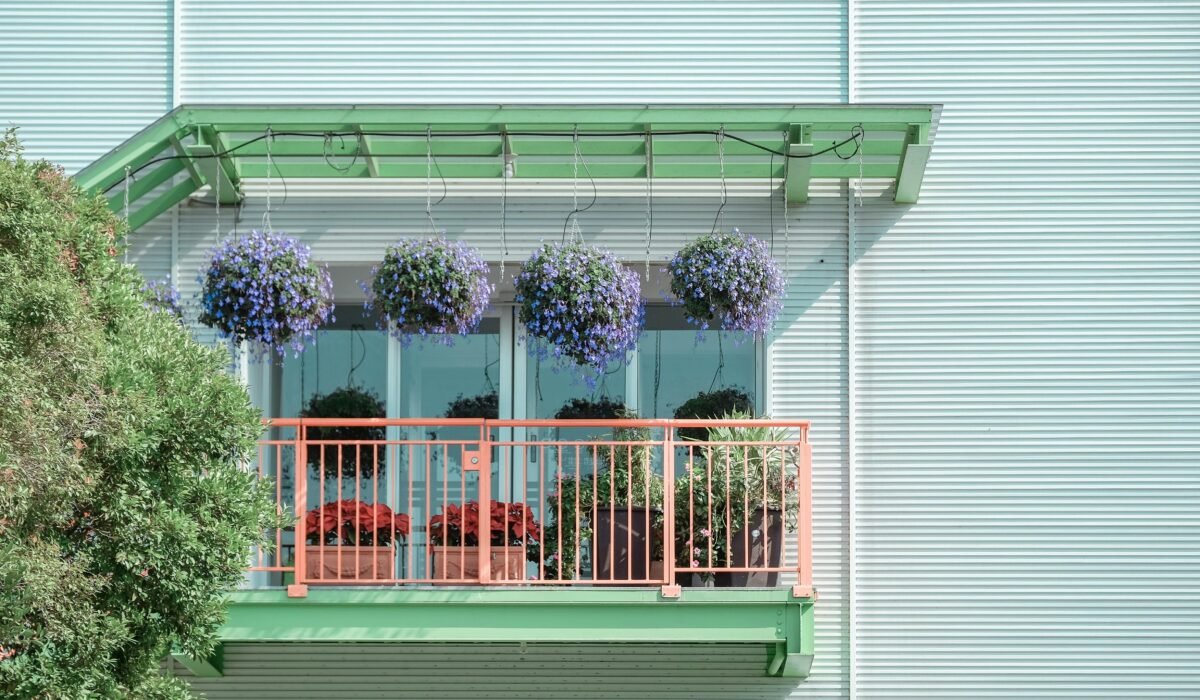
Transforming your urban dwelling into a lush, green sanctuary starts right on your balcony. Whether you dream of homegrown herbs, vibrant flowers, or fresh vegetables, choosing the right Balcony Garden Planters is the foundational step towards a thriving outdoor space. With urban agriculture seeing a staggering 340% growth since 2020, more and more city dwellers are discovering the joy and benefits of balcony gardening.
This comprehensive buying guide will walk you through everything you need to know, from selecting the perfect materials to maximizing your limited space, ensuring your plants flourish and your balcony becomes a true urban oasis. Let’s dig in!
Choosing the Right Balcony Planter Materials
The material of your planter plays a crucial role in its durability, weight, aesthetic appeal, and ultimately, the health of your plants. Each material offers distinct advantages and disadvantages, making your choice dependent on your specific needs and balcony conditions.
Consider the structural integrity of your balcony; most building codes require balconies to support approximately 60 pounds per square foot. This weight limit is vital when selecting heavy materials or numerous large planters.
Popular Planter Materials and Their Characteristics
- Plastic/Resin: These are among the most popular choices for balcony garden planters due to their lightweight nature, affordability, and wide range of colors and styles. Modern plastic planters are often made from recycled materials, making them an eco-friendly option. They retain moisture well, which can be a double-edged sword: good for thirsty plants, but potentially problematic for those prone to root rot if drainage isn’t perfect.
- Terracotta: Known for its classic, rustic charm, terracotta is a porous material that allows air and moisture to pass through, promoting excellent root health and preventing overwatering. However, this porosity also means plants in terracotta dry out quickly, requiring more frequent watering. Terracotta planters can be heavy and are susceptible to cracking in freezing temperatures.
- Wood: Wooden planters, often made from cedar, redwood, or treated pine, offer a natural aesthetic and good insulation for plant roots. They are sturdy and durable, but can be heavy when filled with soil. Untreated wood will eventually rot, so look for rot-resistant varieties or those treated for outdoor use. Liners can extend their lifespan and prevent soil from drying out too quickly.
- Metal: Modern and sleek, metal planters (galvanized steel, aluminum) are incredibly durable and can withstand harsh weather conditions. They are generally lightweight for their strength, but can heat up significantly in direct sun, potentially scorching plant roots. Consider lighter colors or placing them in partially shaded areas to mitigate heat buildup.
- Fiberglass: Offering the best of both worlds, fiberglass planters are remarkably lightweight, highly durable, and resistant to all weather conditions. They come in a vast array of finishes and mimic the look of more expensive materials like stone or concrete without the weight. While generally more expensive upfront, their longevity often justifies the investment.
- Fabric: Often made from recycled PET plastic, fabric grow bags are incredibly lightweight, breathable, and promote excellent root structure through “air pruning.” They are ideal for vegetables and root crops, offering superior drainage and preventing root circling. They may dry out faster than plastic and have a less formal aesthetic.
When making your decision, consider your local climate, the types of plants you plan to grow, and how much maintenance you’re willing to commit to. Planter materials durability is a key factor for long-term enjoyment.
Maximizing Small Spaces: Vertical & Railing Planters
Balconies often come with limited floor space, making smart design choices essential. The good news is that creative solutions abound for urban gardening, allowing you to cultivate a surprisingly large amount of greenery. Vertical gardening and railing planters are leading the charge in urban gardening solutions, with experts predicting their continued growth through 2026.
Embracing Vertical Gardening Solutions
Vertical garden planters are a game-changer for small balconies, allowing you to grow upwards instead of outwards. This trend has been dominant for maximizing limited space, transforming bare walls into living tapestries. Options include:
- Wall-Mounted Planters: These systems attach directly to your balcony wall, holding multiple small pots or creating pockets for plants. They are perfect for herbs, succulents, or small flowering plants.
- Stacked Planters: Designed to stack on top of each other, these planters create a tiered effect, allowing you to grow several plants in a compact footprint.
- Trellises: While not planters themselves, trellises support climbing plants like cucumbers, beans, or morning glories, effectively turning vertical space into growing space. You can place planters at their base.
- Hanging Planters: From traditional hanging baskets to tiered macrame holders, these add greenery at eye level without occupying any floor space. Just ensure your balcony structure can support the weight of wet soil and plants.
For more ideas on optimizing your outdoor area, explore our guide on Maximize Balcony Space: Smart Ideas for Small Urban Retreats.
The Charm and Utility of Railing Planters
Railing planters for balconies are another incredibly efficient way to add greenery without sacrificing precious floor space. These clever containers hook directly over your balcony railing, instantly adding a splash of color and life. They are particularly popular for enhancing small balconies and are available from brands like Emsco Group Bloomers, HC Companies, Apollo, and Veradek.
When choosing railing planters, ensure they are designed to fit your railing’s width and securely attach to prevent accidents, especially in windy conditions. Many come with integrated saucers to prevent drips onto neighbors below.
The Convenience of Self-Watering Planters
For busy individuals or those who frequently travel, self-watering planters are a revolutionary solution. These innovative balcony garden planters are designed to provide a consistent water supply to your plants, significantly reducing the frequency of manual watering and ensuring optimal plant health. The self-watering planter market is expected to remain a top product class in 2025-2026.
How Self-Watering Planters Work
Self-watering pots typically feature a reservoir at the bottom that holds water, separated from the soil by a wicking system or an aeration screen. Plant roots draw water up as needed, mimicking a natural capillary action. This system offers several benefits:
- Consistent Moisture: Plants receive a steady supply of water, preventing the stress of drying out between waterings.
- Water Conservation: Less water is lost to evaporation compared to traditional top-down watering.
- Reduced Maintenance: You’ll water far less often, freeing up your time.
- Improved Plant Health: Consistent moisture leads to stronger, healthier plants and better yields.
Popular options include the Gardenix Decor Self-Watering Pots and the Lechuza Balconera Self-Watering Garden Planter, known for their efficiency and design.
Finding the Perfect Planter Size for Your Plants
Selecting the correct planter size is critical for plant health and growth. Too small, and your plant will become root-bound and stunted; too large, and the soil may retain too much moisture, leading to root rot. Consider both the mature size of your plant and its root system.
Matching Planter Size to Plant Needs
- Shallow-Rooted Plants: Herbs, lettuce, spinach, and many annual flowers can thrive in shallower containers (6-8 inches deep). For a successful Balcony Herb Garden, choose planters that allow for adequate spread.
- Medium-Rooted Plants: Most vegetables like peppers, bush beans, and medium-sized flowers will need containers at least 10-12 inches deep and wide.
- Deep-Rooted Plants: Tomatoes, cucumbers, zucchini, and small shrubs require substantial room for their roots to develop. Opt for planters that are 18-24 inches deep and wide.
- Grouping Plants: If you’re creating a layered container garden, ensure each plant has enough space to grow without competing excessively for nutrients and water.
Always consider the overall weight of the planter once filled with soil and a watered plant, especially for larger containers, to stay within your balcony’s weight limits.
Sustainable Choices: Eco-Friendly Planter Options
As interest in sustainable living grows, so does the demand for eco-friendly garden containers. Choosing sustainable balcony garden planters helps reduce your environmental footprint and aligns with the broader movement towards responsible urban agriculture.
Going Green with Your Planters
A growing emphasis on planters made from renewable, biodegradable, or recycled materials is shaping the market. Here are some excellent choices:
- Recycled Plastic/Resin: Many manufacturers now produce planters from post-consumer recycled plastics, offering the benefits of plastic (lightweight, durable) with a reduced environmental impact. Look for products explicitly labeled as “recycled content.”
- Terracotta: As a natural, kiln-fired clay, terracotta is biodegradable and returns to the earth at the end of its life cycle. Its production process has a lower carbon footprint compared to some synthetic materials.
- Coir Pots: Made from coconut fiber, coir pots are entirely biodegradable and provide excellent aeration for roots. They are often used for starting seeds or seedlings, which can then be planted directly into larger containers or garden beds, minimizing transplant shock.
- Bamboo: Planters made from bamboo are lightweight, strong, and derived from a rapidly renewable resource. They offer a natural, modern aesthetic.
- Repurposed Items: Get creative and repurpose household items! Old wooden crates, galvanized tubs, laundry baskets, or even sturdy food-grade buckets can be transformed into unique and functional planters. Just ensure they have adequate drainage holes.
By opting for these materials, you contribute to a healthier planet while cultivating your green space.
Ensuring Plant Health: Drainage and Watering Tips
Proper drainage and effective watering are the cornerstones of successful container gardening. Without them, even the best balcony garden planters won’t prevent common problems like root rot or dehydration, which are often the demise of balcony plants.
The Importance of Drainage Holes
Every planter, regardless of material, must have drainage holes at the bottom. These holes allow excess water to escape, preventing the soil from becoming waterlogged. Waterlogged soil deprives roots of oxygen, leading to root rot, a common and often fatal condition for container plants. Aim for at least one large hole or several smaller ones. If your planter lacks holes, you must drill them yourself.
“Proper drainage is non-negotiable for container plants. It’s the single most important factor in preventing root rot and ensuring your plants get the oxygen they need.” – Gardening Experts
Placing a layer of gravel or broken pot shards at the bottom of the planter is a common but often debated practice. While it can prevent soil from washing out, it doesn’t significantly improve drainage and can sometimes create a perched water table, which still leaves roots sitting in too much moisture. A better approach is to use a good quality potting mix designed for containers, as it will provide adequate aeration and drainage on its own.
Smart Watering Practices for Balcony Planters
Watering is an art, not a science, and it varies greatly depending on the plant, planter material, weather, and time of year. Here are some essential tips:
- Check Soil Moisture: Don’t water on a schedule. Instead, stick your finger about an inch or two into the soil. If it feels dry, it’s time to water. If it’s still moist, wait.
- Water Thoroughly: When you do water, do so until water drains out of the bottom of the planter. This ensures the entire root ball is hydrated.
- Use Saucers (Wisely): Place saucers underneath your planters to catch excess water and prevent it from dripping onto the balcony below or neighbors. Empty standing water from saucers after about 30 minutes to prevent roots from sitting in water.
- Consider Weather: Plants dry out much faster on hot, sunny, or windy days. You may need to water daily or even twice daily during peak summer.
- Time of Day: Water in the early morning or late evening to minimize evaporation and allow plants to absorb water before the heat of the day.
- Wicking Systems: For very thirsty plants, consider a DIY wicking system or self-watering planters.
For a deeper dive into maintaining optimal moisture levels, refer to our comprehensive guide: Balcony Garden Watering: Essential Tips for Thriving Container Plants. Understanding your plants’ specific needs for water is paramount for their success.
Balcony gardening offers immense rewards, transforming small urban spaces into vibrant havens. By carefully considering your planter materials, maximizing vertical space, embracing convenient self-watering systems, and understanding proper plant sizing and care, you can create a flourishing garden that brings joy and fresh produce to your doorstep.
Choosing the best Balcony Garden Planters is an exciting part of your gardening journey. Take the time to assess your space, your desired plants, and your lifestyle. With the right choices, you’ll be well on your way to enjoying the beauty and bounty of your own urban green retreat. Happy gardening!







