
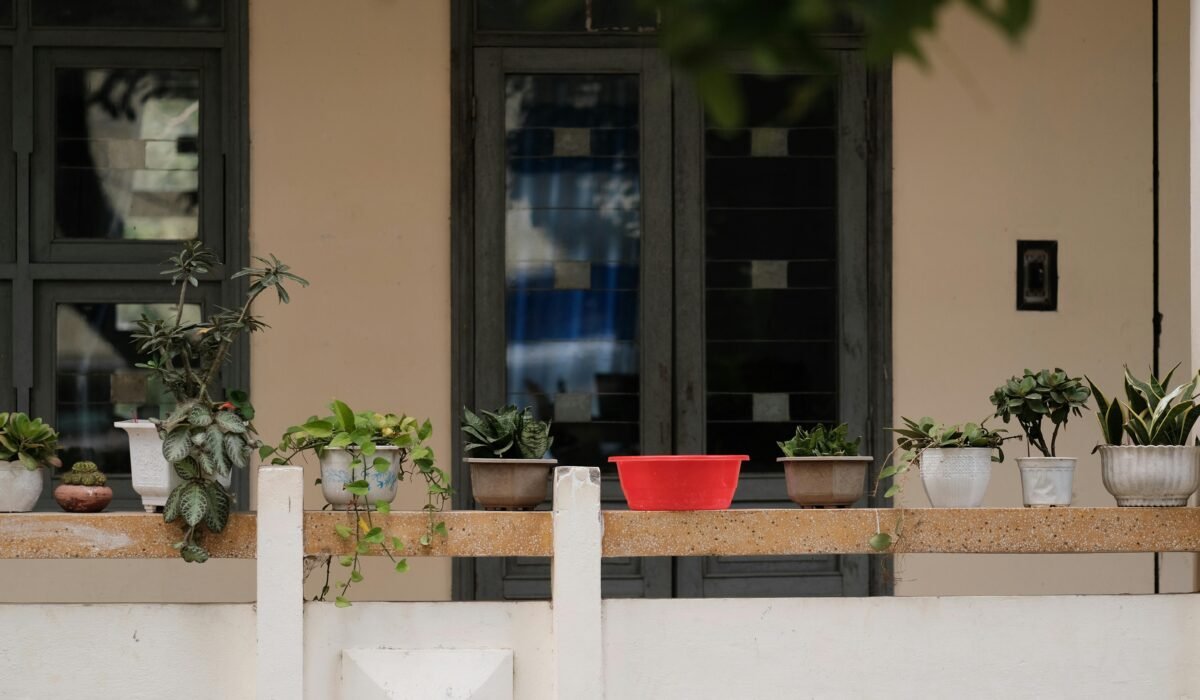
Transforming a small balcony into a lush green oasis is one of the most rewarding joys of urban living. However, keeping your container plants vibrant and healthy hinges significantly on one crucial aspect: proper Balcony Garden Watering. Unlike in-ground gardens, potted plants on a balcony face unique challenges that demand a tailored approach to hydration.
From scorching sun to drying winds, your balcony dwellers are constantly battling the elements with limited soil resources. Mastering the art of watering ensures your plants thrive, burst with color, and provide a serene escape right outside your door. Let’s dive into the essential tips for successful balcony garden watering, ensuring your container plants flourish.
Understanding Your Balcony Plants’ Watering Needs
Balcony plants live in a world distinct from their in-ground counterparts. Their roots are confined to a pot, meaning their access to water and nutrients is entirely dependent on you. This limited soil volume, combined with increased exposure to wind and sun, causes pots to dry out much faster.
Proper drainage is paramount for healthy container plant care. Every pot must have adequate drainage holes to prevent water from accumulating at the bottom. Stagnant water deprives roots of oxygen, leading to waterlogging and the dreaded root rot.
Several factors dictate how often your balcony garden needs watering. Plant size and type play a huge role; thirsty annuals or large leafy vegetables will drink more than drought-tolerant succulents. The material of your pot also matters – terracotta, being porous, allows water to evaporate quickly, while plastic pots retain moisture for longer.
Weather conditions are perhaps the most significant variable. Hot, sunny, and windy days will necessitate more frequent watering, sometimes even daily or twice daily. In contrast, cooler, humid weather or overcast days will reduce your plants’ water requirements. Remember to use a fresh, well-draining potting mix designed for containers, as heavy garden soil can become compacted and water-repellent.
The Goldilocks Zone: Avoiding Overwatering and Underwatering
Finding the perfect balance—not too much, not too little—is key to preventing common plant ailments. This “Goldilocks Zone” of moisture is crucial for robust growth.
The Finger Test: Your Best Guide
The most reliable method for determining when to water is the simple “finger test.” Stick your finger 1-2 inches deep into the soil. If it feels dry to the touch, it’s time to water. If it still feels moist, check again later.
Recognizing the Signs of Underwatering
Underwatering is often easier to spot and rectify. Your plants will tell you they’re thirsty:
- Leaves may appear crispy, dry, or have brown edges.
- Foliage will droop, shrivel, or wilt, feeling papery and lifeless.
- The soil might pull away from the sides of the pot, creating gaps.
- The entire pot will feel significantly lighter when lifted.
Spotting the Red Flags of Overwatering
Overwatering can be more insidious and damaging, often leading to serious issues like root rot. Be vigilant for these signs:
- Leaves turning yellow and drooping, but feeling soft and mushy rather than dry.
- Dark spots appearing on leaves, indicating fungal issues.
- A sour, musty, or moldy smell emanating from the soil.
- Stunted growth or a general lack of vigor despite adequate light.
- Fungus gnats hovering around the soil surface, attracted to consistently wet conditions. (For more on this, see How to Get Rid of Fungus Gnats in Houseplants 2026).
When you do water, do so thoroughly until water begins to drain from the bottom of the pot. This ensures the entire root ball is saturated, promoting deep and healthy root development. For a 10-12 inch container, this could mean ¾ to 1 gallon of water. For a comprehensive guide on quantity and frequency, refer to our article on Watering Plants: How Much & How Often for Plant Success.
Smart Watering Solutions for the Modern Balcony Gardener
Embrace technology and clever design to make your balcony garden watering more efficient and less of a chore. These solutions are perfect for urban gardening tips focused on convenience and sustainability.
Soil Moisture Meters
Take the guesswork out of watering with a soil moisture meter. These handy devices, like the XLUX T10 or Sonkir Soil Meter, provide an instant reading of your soil’s moisture level. Simply insert the probe into the soil, and a dial will indicate whether it’s dry, moist, or wet. Many meters also include light and pH readings, offering a more holistic view of your plant’s environment.
Self-Watering Planters
Self-watering planters are a game-changer for busy gardeners or those prone to forgetting to water. They feature a built-in water reservoir and a wicking system that draws water up into the soil as needed. This provides a consistent moisture supply, reducing the frequency of manual watering. Brands like Lechuza Balconera and EarthBox Garden Kits are popular choices, often including water level indicators for easy monitoring.
Drip Irrigation Systems for Balconies
For a truly automated and water-efficient solution, consider a drip irrigation balcony system. These systems deliver water directly to the plant’s root zone through a network of small tubes and emitters, minimizing evaporation and runoff. Many can be connected to a timer or even smart watering systems (like the Eve Aqua paired with a Gardena Micro-Drip Starter Set), allowing for remote control and scheduling. Drip systems can significantly reduce water consumption, often by 70-80% compared to hand watering, making them an excellent water-saving garden strategy.
Automated systems are especially beneficial for maintaining a consistent plant watering schedule and providing peace of mind when you’re away on vacation. They are a smart investment for serious balcony gardeners looking for efficiency and convenience.
Timing is Everything: When to Water Your Container Plants
The time of day you water your balcony plants can significantly impact their health and your watering efficiency.
The Golden Hour: Early Morning
The best time to water your container plants is in the early morning. This allows the plants to absorb the water before the heat of the day causes rapid evaporation. Watering in the morning also gives any splashed foliage ample time to dry out under the sun, which is crucial for preventing fungal diseases that thrive in damp conditions. Illinois Extension emphasizes this practice for optimal plant health.
Why Avoid Evening Watering
Resist the urge to water in the evening. While it might seem convenient, watering at night leaves foliage wet for extended periods. This creates an ideal environment for mold, mildew, and other fungal diseases to develop and spread, especially in humid conditions.
Adjusting for Weather and Season
Your watering frequency will naturally shift with the seasons. In the peak of summer, particularly during hot, dry, or windy spells, small pots may need watering daily, sometimes even twice a day. Larger containers and those made of plastic will retain moisture longer. During cooler spring and autumn months, watering might only be necessary every 2-3 days, or even less frequently in winter for dormant plants. Always check the soil before watering, rather than sticking to a rigid plant watering schedule.
Water-Saving Hacks & Sustainable Practices for Balconies
Sustainable gardening is about more than just reducing water usage; it’s about creating a harmonious environment. Implement these water-saving tips for a more eco-friendly balcony garden.
- Mulching Magic: Apply a layer of organic mulch (like straw, shredded leaves, or wood chips) to the top of your container soil. Mulch acts as a protective blanket, significantly reducing water evaporation, suppressing weeds, and regulating soil temperature.
- Saucers and Trays: Place saucers or trays beneath your pots to catch excess water. On hot days, plants can reabsorb this runoff, acting as a small, temporary reservoir. Just ensure plants aren’t left sitting in standing water for prolonged periods, which can still lead to root issues.
- Water-Retaining Additives: Incorporate water-retaining crystals or coir peat into your potting mix. These materials absorb and hold moisture, releasing it slowly back to the roots. Use them judiciously, as too much can lead to overwatering, especially in cooler conditions.
- Choose the Right Pots: Opt for larger pots whenever possible. More soil volume means more moisture retention, reducing how often you need to water. Plastic and glazed ceramic pots also retain moisture better than unglazed terracotta.
- Group Your Plants: Arrange your container plants in clusters. This creates a mini-microclimate, increasing humidity around the plants and reducing individual water loss through evaporation.
- Rainwater Harvesting: If feasible, collect rainwater in a small barrel or container. Rainwater is free of chlorine and other chemicals found in tap water, making it excellent for your plants and a truly sustainable practice.
Troubleshooting Common Balcony Watering Problems
Even with the best intentions, watering problems can arise. Here’s how to diagnose and fix common issues to ensure your balcony garden watering efforts are effective.
Problem: Water Runs Straight Through Without Absorbing
Cause: This often happens when potting mix becomes extremely dry and compacted, making it hydrophobic (water-repellent). The water simply channels down the sides of the pot and out the drainage holes without saturating the root ball.
Solution: Try bottom watering. Place the pot in a tray or basin filled with a few inches of water and let it soak for 30-60 minutes, or until the topsoil feels moist. Alternatively, water slowly and repeatedly, allowing small amounts of water to absorb before adding more. You can also gently aerate the soil surface with a chopstick to help water penetrate.
Problem: Yellowing and Drooping Leaves
Cause: As we discussed, these are classic signs of both overwatering and underwatering. It’s crucial to identify which one it is.
Solution: Perform the finger test. If the soil is bone dry, you’re underwatering. If it’s soggy and heavy, you’re overwatering. Adjust your watering schedule accordingly. For overwatered plants, ensure proper drainage and allow the soil to dry out significantly before the next watering. If the problem persists, you might need to check for root rot.
Problem: Pests and Diseases
Cause: While not a direct watering problem, improper watering can create conditions conducive to pests and diseases. Consistently wet foliage, for example, encourages fungal growth, while stressed plants (from underwatering) are more susceptible to insect infestations.
Solution: Maintain good watering practices, focusing on early morning hydration to allow foliage to dry. Ensure good air circulation around your plants by not overcrowding them. Regularly inspect your plants for early signs of pests or disease and address them promptly.
Problem: Root Rot
Cause: This serious condition is almost always a result of persistent overwatering and poor drainage. Roots, deprived of oxygen, begin to decay.
Solution: Prevention is key. Always use pots with drainage holes and a well-draining potting mix. If you suspect root rot (mushy, dark roots with a foul smell), carefully remove the plant from its pot, trim away affected roots with clean shears, and repot it in fresh, dry potting mix. Water sparingly until the plant shows signs of recovery.
Remember, the goal is to provide consistent moisture without waterlogging. Good drainage and attentive observation are your best allies in preventing these common issues.
A thriving balcony garden is a testament to mindful care, and proper watering is its cornerstone. By understanding your plants’ unique needs, employing smart watering solutions, and adopting sustainable practices, you can create a vibrant urban oasis. From the simple finger test to advanced drip irrigation, every tip contributes to healthier, happier container plants.
Start applying these essential balcony garden watering tips today, and watch your plants flourish, transforming your small space into a bustling haven. For more ideas on how to maximize your green thumb in compact areas, explore our guides on Balcony Herb Garden: Best Herbs for Small Spaces & Containers and Maximize Balcony Space: Smart Ideas for Small Urban Retreats. Happy gardening!







