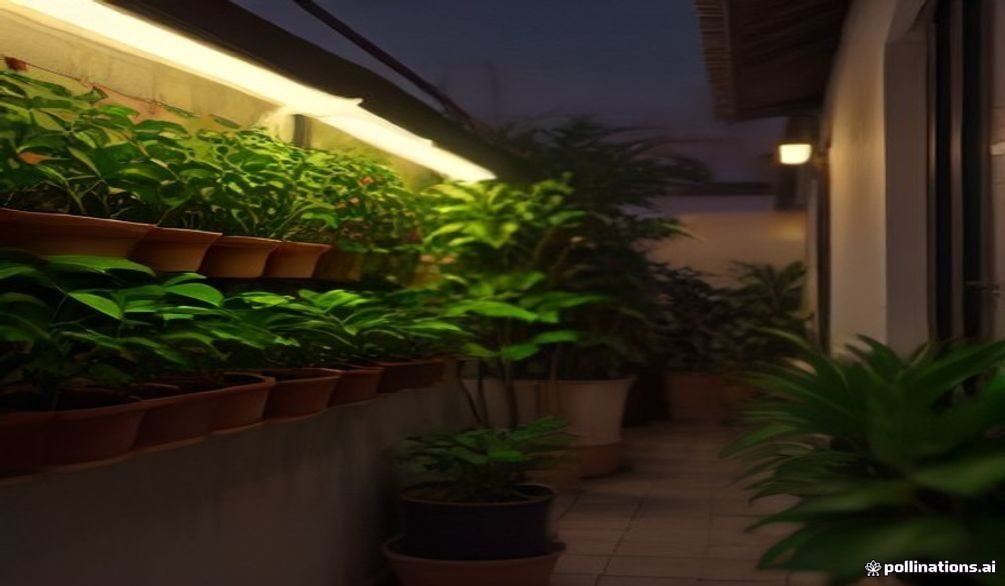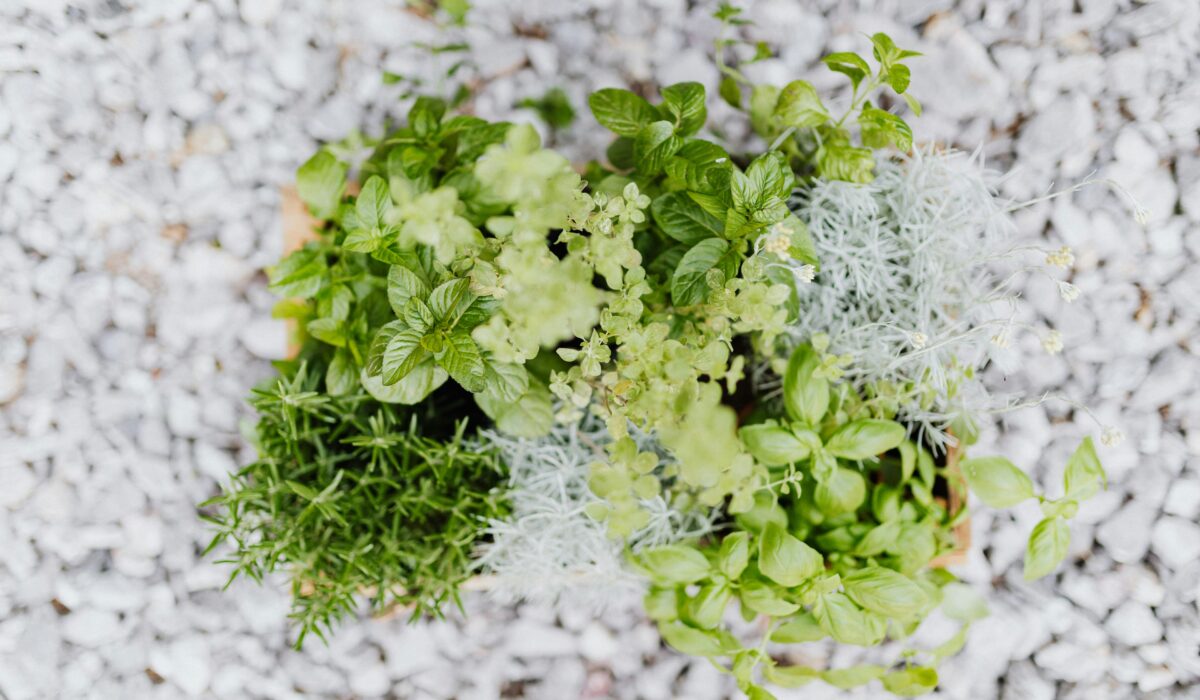
Imagine stepping onto your balcony and plucking fresh, fragrant herbs for your morning omelet or evening pasta. This dream is entirely achievable, transforming even the smallest outdoor space into a vibrant, edible oasis. Creating a `Balcony Herb Garden` is not just about growing food; it’s about embracing a therapeutic hobby, enhancing your culinary adventures, and connecting with nature right outside your door.
For urban dwellers and apartment residents, a balcony herb garden offers an unparalleled opportunity to enjoy the benefits of gardening without needing a sprawling backyard. With the right selection of herbs, containers, and care, you can cultivate a thriving green space that provides delicious ingredients and a calming retreat.
Choosing the Best Herbs for Your Balcony: Sun vs. Shade
The first step to a successful `Balcony Herb Garden` is understanding the light conditions your space offers. Most culinary herbs are sun-lovers, thriving with at least six hours of direct sunlight daily. These are often Mediterranean varieties that appreciate warmth and bright conditions.
Sunny Balcony Stars (6+ hours direct sun)
If your balcony basks in ample sunshine, you have a wide array of choices. These herbs will flourish, developing robust flavors and healthy growth.
- Basil: A quintessential summer herb, perfect for pesto and Italian dishes.
- Rosemary: Woody and aromatic, ideal for roasting meats and vegetables.
- Oregano: A hardy, flavorful herb that pairs well with pizza and Greek cuisine.
- Sage: Earthy and slightly peppery, excellent with poultry and root vegetables.
- Thyme: Delicate yet potent, versatile for many culinary applications.
- Lavender: While often ornamental, culinary varieties add a unique floral note to desserts and drinks.
Shade-Tolerant Survivors (Partial Shade)
Don’t despair if your balcony receives less sun. Several delicious herbs can still thrive in partial shade, which typically means 3-6 hours of indirect or dappled sunlight. These varieties often appreciate a break from intense afternoon sun.
- Mint: Incredibly vigorous, best grown in its own pot to prevent it from taking over.
- Parsley: Both flat-leaf and curly varieties do well and are packed with flavor.
- Cilantro: A fast-growing herb essential for Mexican and Asian dishes.
- Chives: Onion-flavored and easy to grow, they produce attractive purple flowers.
- Lemon Balm: A refreshing, lemony herb perfect for teas and desserts.
For beginners, herbs like basil, chives, mint, parsley, thyme, oregano, and lemon balm are generally considered easy balcony herbs and adapt well to containers, making them excellent starting points for your `Balcony Herb Garden` journey.
Essential Containers & Soil for Thriving Balcony Herbs
The right container and soil are foundational to a healthy `container herb garden`. With limited space, every choice matters for promoting robust root growth and preventing common issues.
Choosing the Right Pots
When selecting containers, prioritize those with adequate drainage holes. Without them, water can accumulate, leading to root rot. Options include:
- Terracotta Pots: Excellent for preventing overwatering due to their porous nature, which allows soil to breathe and excess moisture to evaporate. They also keep roots cooler.
- Plastic Pots: Lightweight and retain moisture well, making them suitable for herbs that prefer consistent dampness.
- Ceramic Pots: Attractive and heavy, providing stability for taller herbs, but ensure they have large drainage holes.
- Grow Bags: Fabric containers that offer superior aeration and drainage, preventing root circling and promoting healthy root systems.
Most herbs for small pots thrive in 6-8 inch diameter containers. However, herbs with deeper taproots, such as cilantro, dill, and parsley, will benefit significantly from deeper pots, ideally 10-12 inches deep, to accommodate their root structure.
The Perfect Potting Mix
Garden soil is too dense for containers and can compact, suffocating roots. Instead, opt for a high-quality, well-draining potting mix. A good mix for an `apartment herb garden` will be light, airy, and retain moisture while allowing excess water to drain freely.
Look for a peat-free, loam-based potting mix, often amended with horticultural grit, perlite, or coco coir. These additions improve aeration and lighten the soil, crucial for container-grown herbs. If you’re looking for guidance on the best soil blends, you can explore resources on best soil mix for container plants specific to your region.
Watering and Fertilizing Your Potted Herbs for Success
Proper watering and judicious fertilization are key to keeping your balcony herbs vibrant and productive. Container-grown plants dry out faster than those in the ground, so a consistent routine is essential.
The Art of Watering
Watering frequency is highly dependent on factors like ambient heat, wind exposure, container size, and the specific herb variety. In hot, windy summer conditions, you might need to check your herbs daily. The general rule of thumb is to water when the top inch of soil feels dry to the touch.
Leafy herbs, such as basil and mint, typically require more water than woody varieties like rosemary and thyme. Always water thoroughly until you see water draining from the bottom of the pot. Avoid letting pots sit in standing water, as this can lead to root rot.
Nourishing Your Herbs with Fertilizer
Container herbs rely entirely on you for nutrients, as they can’t access soil reserves. Regular fertilization during the growing season (spring through early autumn) is important. Choose organic, slow-release fertilizers or diluted liquid fertilizers.
A balanced fertilizer like 10-10-10 or one slightly higher in phosphorus (e.g., 5-10-5) can be beneficial. Apply at a low rate, as too much fertilizer can diminish the flavor of your herbs. Remember that a little goes a long way to keep your `urban gardening herbs` healthy without compromising their aromatic qualities.
Growing Herbs Year-Round: Winter Care & Protection Tips
Extending the life of your `Balcony Herb Garden` through the colder months requires understanding which herbs are hardy and which need extra protection. While many herbs are summer annuals, some can offer fresh flavors year-round.
Perennials vs. Annuals
Many popular herbs, like basil and cilantro, are annuals that complete their life cycle in one season. Others, such as rosemary, thyme, mint, and chives, are perennials that can return year after year. The ability of perennials to survive winter outdoors depends heavily on your hardiness zone and local climate.
In milder climates, hardy perennials might overwinter outdoors with minimal protection. For colder zones, you may need to provide significant insulation or bring them indoors. Tender herbs like basil, however, are sensitive to cold and must be brought indoors before the first frost or treated as annuals and replanted each spring.
Winter Protection Strategies
Protecting your potted herbs from winter’s harshness is crucial for year-round enjoyment. Here are some tips:
- Move Indoors: For tender herbs or perennials in very cold zones, bringing them indoors to a sunny windowsill is the best option. Reduce watering and avoid fertilizing during their dormant period.
- Insulation: For hardy perennials staying outside, group pots together to create a microclimate. Wrap pots in burlap, bubble wrap, or blankets to insulate roots from freezing temperatures.
- Wind Protection: Wind exposure can quickly dry out plants and exacerbate cold stress. Position your `apartment herb garden` in a sheltered spot on your balcony or create a temporary windbreak.
- Pruning: Lightly prune perennials in late fall to remove any dead or leggy growth, which can help them conserve energy over winter.
By taking these steps, you can often extend your harvest and enjoy fresh herbs long after summer has faded.
Maximizing Space: Vertical Gardening & Innovative Solutions
Limited space is the defining characteristic of a `Balcony Herb Garden`, but it also sparks incredible creativity. Maximizing every square inch is key, and vertical gardening offers the most impactful solutions for your `urban gardening herbs`.
Embracing Verticality
Vertical gardening allows you to grow more plants in a smaller footprint by utilizing vertical surfaces. This approach is not only practical but also visually appealing, turning a plain wall into a living tapestry of greenery.
- Herb Walls & Panels: Install wall-mounted planters or modular systems that hold multiple pots. These can be made from recycled materials or purchased as ready-to-assemble kits.
- Tiered Shelving: Stackable shelves or step-ladder planters allow you to grow several layers of herbs without taking up much floor space.
- Hanging Baskets & Railing Planters: Utilize your balcony railings and overhead space with hanging baskets or planters that hook directly onto the railing, perfect for trailing herbs like thyme or mint.
For more innovative solutions to make the most of your compact outdoor area, explore ideas on how to maximize balcony space.
Hydroponic and Aeroponic Systems
For those interested in cutting-edge gardening, hydroponic systems are gaining traction for `hydroponic herbs balcony` setups. These soilless systems use nutrient-rich water to grow plants, often resulting in faster growth and less water usage. Compact, self-contained hydroponic units are increasingly available for small spaces, making them an excellent option for efficient urban gardening.
Aeroponic systems, a variation of hydroponics, mist the roots with nutrient solution, offering even greater efficiency. While they might require a larger initial investment, they represent a highly productive way to grow fresh herbs year-round with minimal mess.
New Herb Varieties & Sustainable Trends for 2025-2026
The world of gardening is constantly evolving, and `sustainable herb gardening` is at the forefront of new trends for 2025-2026. From exciting new herb varieties to eco-conscious practices, there’s always something new to enhance your `Balcony Herb Garden`.
Emerging Herb Stars
Get ready to experiment with these “new herb stars of 2025” that promise unique flavors and growing experiences:
- Lime Basil: Offers a delightful tangy citrus note, perfect for Asian cuisine, cocktails, and refreshing salads.
- Wasabi Arugula: A spicy, peppery herb that adds a powerful kick to salads, sandwiches, and garnishes.
- Chocolate Mint: A dessert-lover’s dream, with a distinct chocolatey aroma that’s wonderful in teas, desserts, and cocktails.
- Anise Hyssop: Features a delicate licorice flavor and produces beautiful, bee-friendly blooms, making it a great choice for both culinary use and attracting pollinators.
Sustainable Gardening Practices
Sustainability is a major focus for modern gardeners. Incorporating eco-friendly practices into your `Balcony Herb Garden` helps conserve resources and supports a healthier planet.
- Self-Watering Pots: These ingenious containers have a reservoir that supplies water to the plants as needed, reducing watering frequency and preventing over/under-watering.
- Recycled Containers: Give new life to old plastic bottles, food containers, or even tires by repurposing them as planters. Just ensure proper drainage.
- Rainwater Harvesting: Collect rainwater in a small barrel or container on your balcony. Rainwater is free of chlorine and other chemicals found in tap water, making it excellent for your herbs.
Companion Planting and Well-being
Companion planting, the practice of growing specific plants together for mutual benefit, is trending for both optimal growth and natural pest deterrence. For instance, planting rosemary near oregano can help repel common pests. Additionally, incorporating marigolds into your `Balcony Herb Garden` can act as natural pest deterrents while adding a splash of color. Learn more about growing marigolds for their benefits.
Beyond the practical aspects, the mental well-being benefits of gardening are increasingly highlighted. Balcony gardens are seen as “vital little oases” that provide a connection to nature, reduce stress, and offer a sense of accomplishment. Events like the RHS Chelsea Flower Show continue to inspire urban dwellers with creative small-space solutions, demonstrating that even a tiny balcony can become a flourishing sanctuary.
Transforming your balcony into a vibrant herb garden is one of the most rewarding gardening experiences you can undertake. It’s a practical, beautiful, and sustainable way to bring fresh flavors and natural beauty into your daily life. Whether you’re a seasoned gardener or just starting, a `Balcony Herb Garden` offers endless possibilities for culinary delight and personal well-being.
So, why wait? Start planning your perfect `Balcony Herb Garden` today. Experiment with different herbs, embrace creative container solutions, and enjoy the incredible satisfaction of harvesting your own fresh, aromatic ingredients. Your culinary adventures and your mental well-being will thank you!