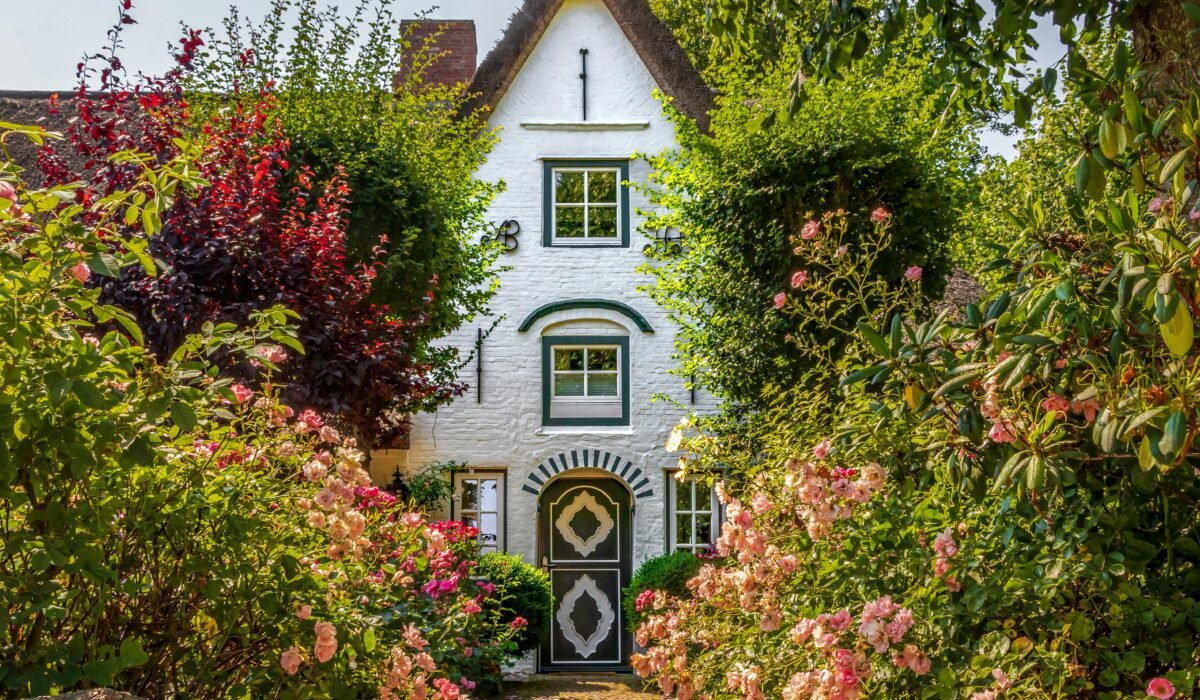
Imagine stepping into a whimsical embrace of color, texture, and sweet perfume – that’s the magic of a cottage garden. Far from formal precision, this beloved style invites you into a world of abundant, informal beauty, where every plant seems to find its perfect, slightly wild place. If you dream of creating such a sanctuary, mastering the art of Cottage Garden Design begins with thoughtful flower selection and a clever layout.
What is a Cottage Garden? Embracing Informal Beauty
A Rich History of Charm
Rooted in the practical gardens of English villagers centuries ago, the cottage garden traditionally blended edibles, medicinal herbs, and a few cheerful flowers. These were gardens of necessity, maximizing every inch for sustenance and health. Over time, as prosperity grew, the emphasis shifted, allowing for more ornamental plants, yet retaining that characteristic informal, overflowing charm.
Defining the Aesthetic
Today, a cottage garden is a tapestry of dense, mixed plantings, often described as ‘controlled chaos.’ It’s a delightful paradox where an abundance of annuals, perennials, biennials, herbs, and even small fruit trees coexist in a seemingly effortless embrace. Key elements include natural pathways, climbing plants adorning vertical structures like fences and arbors, and an undeniable focus on sensory experiences, especially fragrance.
Choosing the Right Flowers: Perennials, Annuals & More
Understanding Your Garden’s Canvas
Before diving into plant selection, understand your garden’s unique conditions. Consider your USDA hardiness zone, the amount of sunlight different areas receive (full sun, partial shade), and your soil type. These factors will dictate which plants will truly thrive and contribute to a vibrant, healthy cottage garden.
The Pillars of a Cottage Garden: Perennials
Perennials form the enduring framework of your cottage garden, returning year after year to offer reliable beauty. Choose a variety that provides staggered bloom times for continuous interest. Classic choices include towering Hollyhocks and Delphiniums for the back of borders, alongside robust Peonies and fragrant Phlox for the middle ground. Don’t forget the quintessential cottage garden rose – English roses like ‘Roald Dahl’ are perfect for this style.
Bursting with Seasonal Color: Annuals and Biennials
While perennials provide structure, annuals are the workhorses for continuous, season-long color, filling in gaps and offering instant cheer. Consider charming Sweet Alyssum, vibrant Violas, or the romantic allure of Sweet Peas climbing a trellis. Biennials, such as classic Foxgloves, bridge the gap, blooming in their second year before often self-seeding for future generations. For more ideas on keeping the color going, explore our guide on continuous bloom annuals.
Fragrance and Form: Essential Choices
A true cottage garden appeals to all senses, with fragrance being paramount. Incorporate plants like English Lavender, fragrant roses, and aromatic herbs to create an immersive experience. Climbing plants such as Clematis and Honeysuckle add vertical drama and can transform a plain fence or arbor into a living wall. For a deeper dive into creating a scented haven, check out our tips on how to grow fragrant flowers.
Layout Principles: Achieving ‘Controlled Chaos’ & Structure
Embracing the Art of Deliberate Disorder
The charm of a cottage garden lies in its seemingly effortless abundance, but this ‘controlled chaos’ is anything but accidental. It’s achieved through thoughtful planning, creating an underlying structure that supports the overflowing plant life. The goal is a garden that feels natural and inviting, not unkempt.
Pathways and Structural Elements
Meandering pathways are a hallmark of Cottage Garden Design, inviting exploration. Opt for natural materials like gravel, stepping stones, or reclaimed brick that blend seamlessly with the planting. Vertical structures like white picket fences, arbors draped with climbing roses, and trellises supporting sweet peas are crucial for adding height, defining spaces, and providing support for a profusion of plants.
Layering and Grouping for Visual Harmony
To achieve that lush, layered look, plant densely and consider the mature height of your plants. Place taller varieties like Delphiniums and Hollyhocks at the back of borders, mid-height plants such as Phlox and Coneflowers in the middle, and shorter plants like Dianthus and Lady’s Mantle along the edges. Planting in odd numbers – groups of three, five, or seven – creates a more natural and visually appealing effect than planting in pairs or single specimens.
Experiment with texture by applying the ‘trifecta planting method,’ aiming for approximately 40% mounding plants (e.g., Lavender), 40% fan-shaped plants (e.g., Iris), and 20% spike-shaped plants (e.g., Salvia). This ensures a rich, varied tapestry of foliage and bloom. Don’t forget to incorporate charming focal points like a vintage birdbath, a rustic bench, or an antique lantern to draw the eye and provide moments of rest within the exuberance. For further guidance on specific plants and their care, authoritative sources like The Royal Horticultural Society provide invaluable information.
Designing for Year-Round Interest & Pollinator Power
A Garden for All Seasons
A truly exceptional cottage garden offers beauty beyond the peak summer months. Plan for year-round interest by incorporating plants with staggered bloom times, interesting seed heads, evergreen foliage, and attractive bark. Consider early spring bulbs like daffodils, summer showstoppers, autumn foliage, and even plants with structural appeal for winter interest. This ensures there’s always something captivating to behold.
Cultivating a Pollinator Paradise
Modern cottage gardens are increasingly designed with ecological benefits in mind, becoming vital havens for local wildlife. Selecting a diverse array of pollinator-friendly plants is a rewarding aspect of Cottage Garden Design. Include native plants that attract bees, butterflies, and hummingbirds. Excellent choices include Bee Balm (Monarda), Coneflowers (Echinacea), and Butterfly Weed (Asclepias tuberosa). For more guidance on creating a vibrant habitat, explore our article on attracting pollinators with native flower garden designs.
Sustainable Choices for a Thriving Garden
Embrace sustainable gardening practices by selecting regionally suitable and drought-tolerant plants where appropriate. Enriching your soil with organic matter improves plant health, reduces the need for chemical inputs, and supports a thriving ecosystem from the ground up. This approach not only benefits the environment but also often leads to a more low-maintenance garden in the long run.
Incorporating Edibles, Herbs & Vertical Elements
The Edible & Medicinal Tapestry
One of the most charming and practical aspects of traditional cottage gardens is the seamless integration of edibles and herbs alongside purely ornamental flowers. This blend creates a garden that is both beautiful and bountiful. Imagine plucking fresh rosemary or mint while admiring a rose, or harvesting lettuce from beneath a stand of hollyhocks.
Consider planting varieties of:
- Leafy greens like lettuce and kale
- Root vegetables such as carrots and radishes
- Bush beans or peas on small trellises
- Aromatic herbs like rosemary, thyme, chives, and lavender
- Compact berry bushes or dwarf fruit trees for small spaces.
Elevating Your Design with Vertical Elements
Vertical elements are indispensable in a cottage garden, adding drama, maximizing space, and supporting the characteristic exuberance of growth. Draping climbing roses (‘Blaze’ is a classic choice) or fragrant honeysuckle over an arbor creates a breathtaking entrance or focal point. Clematis varieties, sweet peas, and even vining vegetables can transform fences, pergolas, and trellises into lush, living walls. This verticality is key to achieving that full, overflowing look.
Cottage Garden Design for Small Spaces & Modern Adaptations
Scaling Down the Charm
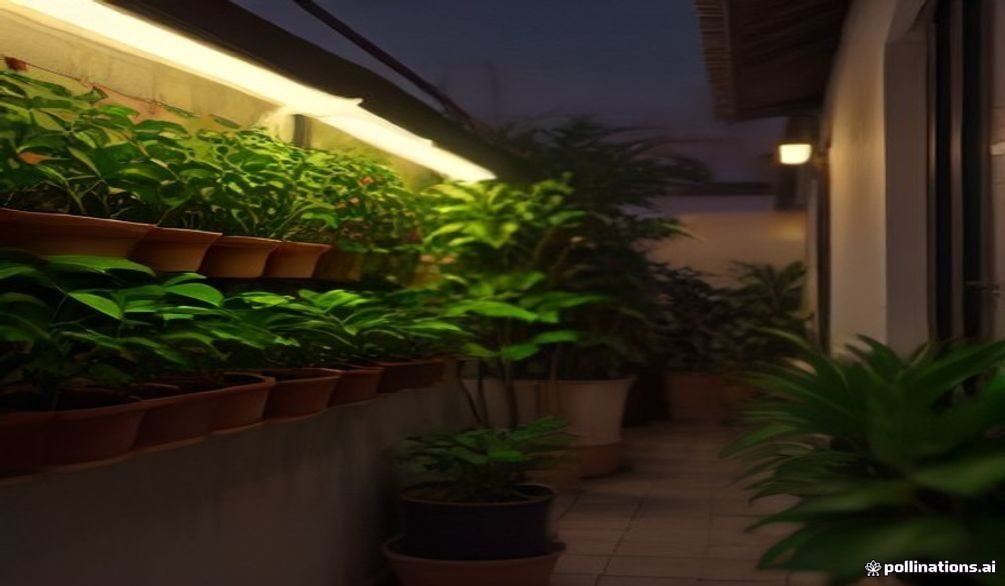
The beauty of Cottage Garden Design is its adaptability. Even the smallest urban balcony or compact backyard can embrace this style. The key is to think vertically and choose compact varieties of your favorite cottage garden flowers. Utilize window boxes, hanging baskets, and tiered planters to create layers of color and texture.
For narrow spaces, consider:
- Tall, slender plants like foxgloves or delphiniums at the back.
- Compact roses or dwarf shrubs as mid-layer anchors.
- Creeping plants and annuals for spill-over effects from containers.
- Vertical gardening systems for herbs and small edibles. Our guide on DIY vertical balcony gardens offers excellent solutions for maximizing small growing spaces.
Contemporary Twists on a Classic Style
While honoring its traditional roots, the cottage garden continues to evolve. Modern adaptations might incorporate crisp hedging or precisely clipped topiary alongside the soft, informal perennial plantings, creating an intriguing contrast. Drought-tolerant plants and native species are increasingly prioritized, reflecting a commitment to sustainability without sacrificing beauty. You can find more inspirational ideas and tips for achieving the look from sources like HGTV’s design guides. These modern interpretations prove that the cottage garden style is timeless and endlessly versatile.
Designing a cottage garden is a journey of creativity, patience, and pure joy. It’s about embracing abundance, celebrating natural forms, and crafting a space that feels deeply personal and inviting. By carefully selecting your flowers, understanding layout principles, and incorporating elements for year-round interest and pollinator support, you can transform any space into a romantic, overflowing haven.
Are you ready to dig in and bring your cottage garden dreams to life? Start by sketching out your space, researching plants suited to your climate, and don’t be afraid to let your imagination guide you. Visit local nurseries for inspiration and expert advice, and remember, the most beautiful cottage gardens are those that evolve organically, reflecting the gardener’s heart. Share your favorite cottage garden flowers or design tips in the comments below – we’d love to hear from you!