
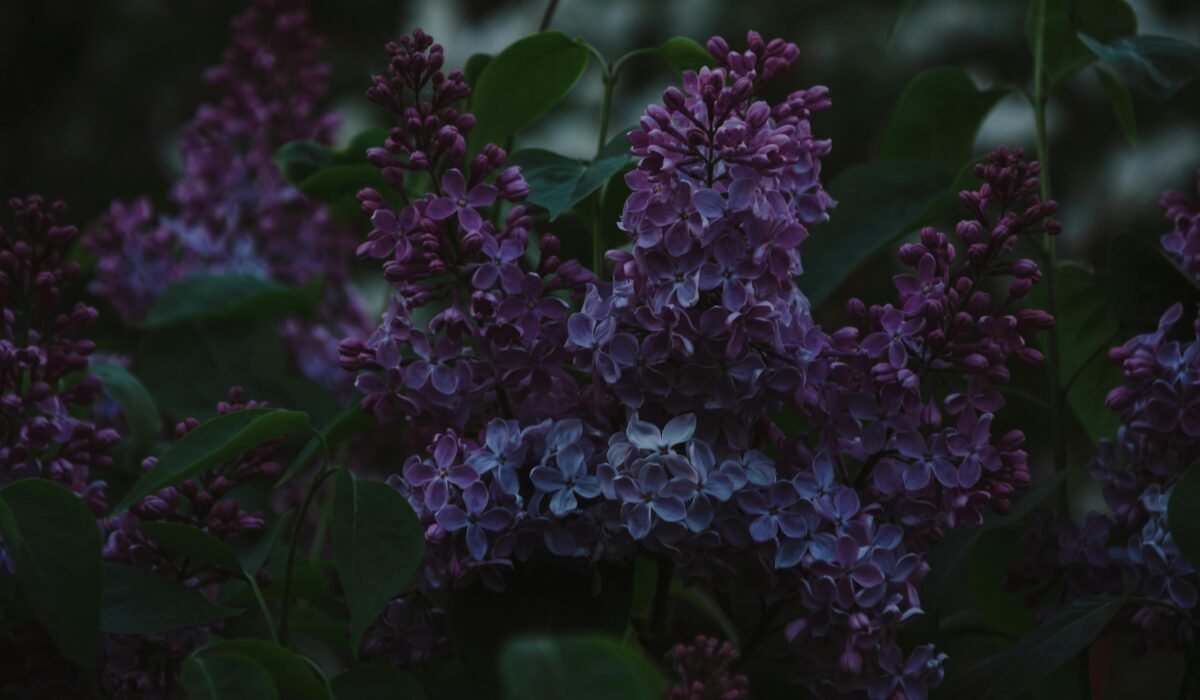
Imagine stepping into your garden, not just to see vibrant colors, but to be enveloped by a symphony of exquisite aromas. The power of scent is profound, capable of transporting us to cherished memories, calming our minds, or invigorating our spirits. Creating a garden rich in fragrant flowers offers a multi-sensory experience that goes far beyond visual appeal, transforming your outdoor space into a personal sanctuary.
This guide will help you select the best fragrant flowers, design a garden that delivers continuous aroma, and understand how to maximize their intoxicating scents. Prepare to embark on a journey that will delight your senses and enhance your well-being, making your garden a truly unforgettable place.
Top Fragrant Flowers for Your Scented Garden
Choosing the right fragrant flowers is the first step toward building an aromatic haven. From classic beauties to modern marvels, these plants are celebrated for their captivating perfumes and ability to transform any space.
Classic Beauties & Timeless Scents
- Roses (Rosa spp.): The undisputed queen of fragrance, roses offer an incredible diversity of scents, from classic Damask to fruity and spicy notes. Look for newer varieties like ‘Easy Charmer’ or ‘Dannahue’ (known for its fruity lemon, lychee, and apricot scent) for enhanced fragrance and disease resistance. For tips on nurturing these beauties, check out our Beginner Rose Care guide.
- Lavender (Lavandula spp.): Beloved for its calming, herbaceous aroma, lavender is also incredibly versatile and drought-tolerant. Its spikes of purple flowers are a magnet for pollinators and perfect for borders or containers.
- Jasmine (Jasminum spp.): Whether it’s common jasmine (Jasminum officinale) with its sweet, heady scent or star jasmine (Trachelospermum jasminoides) with its slightly spicier perfume, these climbing plants are perfect for trellises and arbors, releasing their fragrance as they bloom.
- Lilac (Syringa vulgaris): A quintessential spring bloomer, lilacs fill the air with their intensely sweet, nostalgic fragrance. They are ideal for creating a fragrant hedge or as a specimen plant.
- Gardenia (Gardenia jasminoides): With glossy green leaves and pristine white blooms, gardenias exude a rich, creamy, almost tropical perfume that is simply intoxicating. They thrive in warm, humid conditions.
- Honeysuckle (Lonicera spp.): Many varieties of honeysuckle, particularly common honeysuckle (L. periclymenum), offer a wonderfully sweet and honey-like scent, especially strong in the evening. They are excellent for climbing fences or walls.
Annuals & Perennials for Continuous Fragrance
- Sweet Alyssum (Lobularia maritima): This low-growing annual produces a carpet of tiny, sweetly scented flowers, perfect for edging, rock gardens, or spilling from containers. Its honey-like aroma is delightful.
- Freesia (Freesia spp.): Known for their vibrant colors and strong, sweet, citrusy fragrance, freesias are wonderful in pots or as cut flowers.
- Heliotrope (Heliotropium arborescens): Often called “cherry pie plant,” heliotrope’s clusters of purple flowers release a distinct vanilla-cherry scent that is truly unique.
- Sweet Pea (Lathyrus odoratus): These climbing annuals offer delicate blooms in a rainbow of colors and a famously sweet, old-fashioned fragrance, making them perfect for cutting.
- Hyacinth (Hyacinthus orientalis): A spring bulb, hyacinths provide a burst of intense, spicy-sweet fragrance that signals the arrival of warmer weather. Plant them in groups for maximum impact.
- Peony (Paeonia spp.): Many peony varieties, particularly the herbaceous types, boast large, showy blooms with a lovely, often rose-like or spicy fragrance.
Designing for Year-Round Aroma: Scent-Stacking Strategies
A truly captivating scented garden isn’t just about individual blooms; it’s about creating a continuous tapestry of aroma throughout the year. This concept, often called “scent-stacking,” involves strategically layering different fragrant flowers and plants that bloom in succession, ensuring your garden always has something delightful to offer your nose.
Planning Your Aromatic Seasons
To achieve continuous garden scent, consider the bloom times of your chosen plants. Start with early spring bloomers, transition to summer stars, and finish with autumn performers. Don’t forget evergreen fragrant foliage for winter interest.
- Spring Awakening: Begin with bulbs like hyacinths and daffodils, followed by lilacs, early roses, and fragrant viburnums. These herald the return of warmth with their fresh, sweet perfumes.
- Summer Splendor: This is the peak season for many fragrant flowers. Plant an abundance of roses, jasmine, gardenias, honeysuckle, and lilies. Incorporate annuals like sweet alyssum and heliotrope to fill in gaps and provide ongoing scent.
- Autumn’s Embrace: As summer fades, certain plants continue to provide fragrance. Some roses will rebloom, and plants like sweet autumn clematis (Clematis terniflora) offer a strong, vanilla-like scent late into the season. Certain types of osmanthus also provide autumn fragrance.
- Winter Whisper (Foliage & Evergreens): While fewer flowers bloom, consider plants with fragrant foliage like rosemary, thyme, and various mints. Certain evergreen shrubs, such as Sarcococca (sweet box), offer tiny, intensely fragrant winter blooms, providing a surprising burst of aroma on cold days.
Layering plants with different heights and textures will also enhance the visual appeal of your scented garden design, creating a truly immersive experience.
Optimal Placement: Maximizing Scent in Your Garden
The strength and reach of a flower’s perfume can be dramatically influenced by its placement. To truly maximize the impact of your fragrant flowers, think strategically about where you plant them. The goal is to ensure gentle breezes carry their delightful aromas directly to your favorite outdoor living areas.
Strategic Planting for Maximum Enjoyment
Consider the natural flow of air, sun exposure, and proximity to areas where you spend time. A well-designed scented garden maximizes every fragrant bloom.
- Near Seating Areas: Place highly fragrant plants next to benches, patios, or decks. Imagine relaxing with a book, surrounded by the intoxicating perfume of jasmine or honeysuckle.
- Along Pathways: As you stroll through your garden, brush against fragrant foliage or pass by blooming shrubs. Low-growing sweet alyssum or creeping thyme planted along path edges will release their scent with every step.
- Under Windows: Plant fragrant varieties directly beneath bedroom or living room windows. On warm evenings, a gentle breeze can carry their perfume indoors, creating a natural air freshener.
- At Entrances: Welcome guests with a burst of fragrance. A potted gardenia by the front door or a climbing rose over an archway makes a memorable first impression.
- In Containers: For flexibility, plant some of your best smelling plants in pots. This allows you to move them closer to entertaining areas when needed or protect tender varieties indoors during colder months.
- Group Similar Scents: While scent-stacking for year-round aroma is key, grouping plants with complementary fragrances can create a more powerful and harmonious olfactory experience in specific areas.
Remember that the strength of a flower’s scent can vary with temperature and humidity. Observe how different plants perform in various microclimates within your garden to fine-tune their placement.
Enchanting Evenings: Best Night-Scented Flowers
As the sun sets and the day cools, a different kind of magic unfolds in the garden. Many plants, particularly those pollinated by moths and other nocturnal creatures, release their most intoxicating fragrances only after dusk. Creating a night-scented garden adds an entirely new dimension to your outdoor space, perfect for evening enjoyment and attracting specific pollinators.
Flowers That Bloom and Scent by Moonlight
These night-scented plants are essential for anyone wishing to extend their garden’s aromatic appeal into the twilight hours.
- Nicotiana (Flowering Tobacco): Various species, especially Nicotiana alata, produce trumpet-shaped flowers that open and release a strong, sweet, almost spicy fragrance as evening approaches. They are often annuals or tender perennials.
- Tuberose (Polianthes tuberosa): Renowned for its intensely rich, sweet, and exotic fragrance, tuberose is a classic night-scented plant. Its waxy white flowers are often used in perfumes.
- Moonflower (Ipomoea alba): A stunning vine with large, pure white, saucer-shaped flowers that unfurl dramatically at dusk. While its visual display is captivating, it also emits a delicate, sweet fragrance.
- Evening Primrose (Oenothera biennis): With its cheerful yellow flowers that open in the late afternoon and evening, evening primrose offers a light, lemony fragrance.
- Four O’Clocks (Mirabilis jalapa): True to their name, these charming flowers typically open in the late afternoon, releasing a sweet, citrusy scent that lasts through the night. They come in a variety of colors.
Plant these night-scented plants near patios, bedroom windows, or along paths you might walk after dark. Their unique aromas, combined with the soft glow of moonlight, create an utterly enchanting ambiance.
Beyond Beauty: The Wellness Benefits of Aromatic Gardens
The allure of an aromatic garden extends far beyond its aesthetic appeal. Engaging with fragrant plants offers tangible physiological and psychological benefits, transforming your garden into a powerful tool for wellness. Modern gardening trends increasingly highlight the profound impact of sensory immersion on our health, leading to the creation of “smell sanctuaries” designed to combat stress and promote well-being.
The Therapeutic Power of Scent
Our sense of smell is intricately linked to memory and emotion, making aromatherapy a potent force for relaxation and rejuvenation.
A 2023 study by the International Journal of Environmental Research and Public Health found that participants experienced physical relaxation and refreshment from interacting with scented garden plants. Furthermore, a 2025 study in Building and Environment indicated that smelling aromatic plants can lower heart rate and blood pressure, reduce tension, and enhance concentration.
These findings underscore the measurable health benefits of aromatic garden benefits. Incorporating fragrant flowers into your garden can actively contribute to a healthier, happier you.
- Stress Reduction: The calming scents of lavender, jasmine, and chamomile are well-known for their anxiety-reducing properties. Simply breathing in these aromas can help lower cortisol levels and promote a sense of tranquility.
- Mood Enhancement: Bright, uplifting scents like citrusy roses or sweet freesias can boost your mood and energy. A morning stroll through a fragrant garden can set a positive tone for your day.
- Improved Sleep: Night-scented plants, particularly those with soothing aromas like nicotiana or jasmine, can help create a relaxing atmosphere that promotes better sleep when planted near bedroom windows.
- Cognitive Boost: Certain scents, such as rosemary or peppermint (often found in fragrant foliage), are associated with improved focus and memory, making an aromatic garden a great place for contemplation or gentle work.
- Physical Refreshment: Beyond mental benefits, the sensory experience of a garden can simply make you feel more physically refreshed and invigorated, as noted in recent research.
By consciously designing a garden wellness space, you’re not just growing flowers; you’re cultivating a healthier lifestyle.
Cultivating Fragrance Sustainably: Pollinator Picks & Eco-Friendly Choices
In today’s gardening world, sustainability and supporting local ecosystems are paramount. Fortunately, many of the most wonderfully fragrant flowers are also excellent choices for pollinators, offering a win-win for both your senses and the environment. By choosing pollinator-friendly fragrant flowers, you’re contributing to biodiversity and ensuring the health of our planet.
Fragrant Flowers That Support Our Ecosystems
As interest in eco-friendly gardening grows, so does the focus on drought-tolerant and native fragrant varieties. These plants not only smell fantastic but also play a crucial role in attracting beneficial insects and supporting local wildlife.
- Lavender: An absolute magnet for bees and butterflies, lavender provides abundant nectar and pollen while filling the air with its calming scent.
- Salvia (Sage): Many salvia varieties, particularly Salvia nemorosa and Salvia leucantha (Mexican Bush Sage), offer beautiful blooms and a herbaceous fragrance that attracts hummingbirds, bees, and butterflies. They are also often drought-tolerant.
- Honeysuckle: Both native and non-invasive cultivated varieties of honeysuckle are excellent for hummingbirds and various butterflies, especially those with tubular flowers.
- Milkweed (Asclepias spp.): While not intensely fragrant to humans, some milkweed species have a subtle, sweet scent and are absolutely vital for Monarch butterflies.
- Coneflowers (Echinacea spp.): These popular perennials have a light, earthy fragrance and are fantastic for attracting a wide array of bees and butterflies.
- Native Wildflowers: Researching native wildflowers for your specific region can yield incredibly rewarding results. Many native species are naturally fragrant, low-maintenance, and perfectly adapted to support local pollinator populations. For more ideas, explore our guide on Attract Pollinators: Native Flower Garden Designs.
When selecting plants, opt for organic growing methods to protect pollinators from harmful pesticides. Provide a water source, such as a shallow bird bath, and consider leaving some areas a little wild to offer shelter and nesting sites. These small actions contribute significantly to a healthier, more vibrant ecosystem, all while enjoying the incredible aromas of your garden.
Embracing eco-friendly choices ensures your scented garden is not just a personal retreat but also a thriving haven for the beneficial creatures that make our world go ’round.
Transforming your garden into a fragrant paradise is one of the most rewarding endeavors a gardener can undertake. By carefully selecting fragrant flowers, strategically placing them, and designing for continuous aroma, you can create a space that engages all your senses and nurtures your well-being. From the intoxicating allure of night-scented blooms to the calming presence of pollinator-friendly lavender, your scented garden will become a personal sanctuary, a source of joy, and a haven for nature.
Ready to awaken your senses? Start planning your scented garden today. Choose a few of your favorite aromatic plants from this list, consider where their perfumes will be most enjoyed, and begin cultivating a garden that truly comes alive with every breath.







