
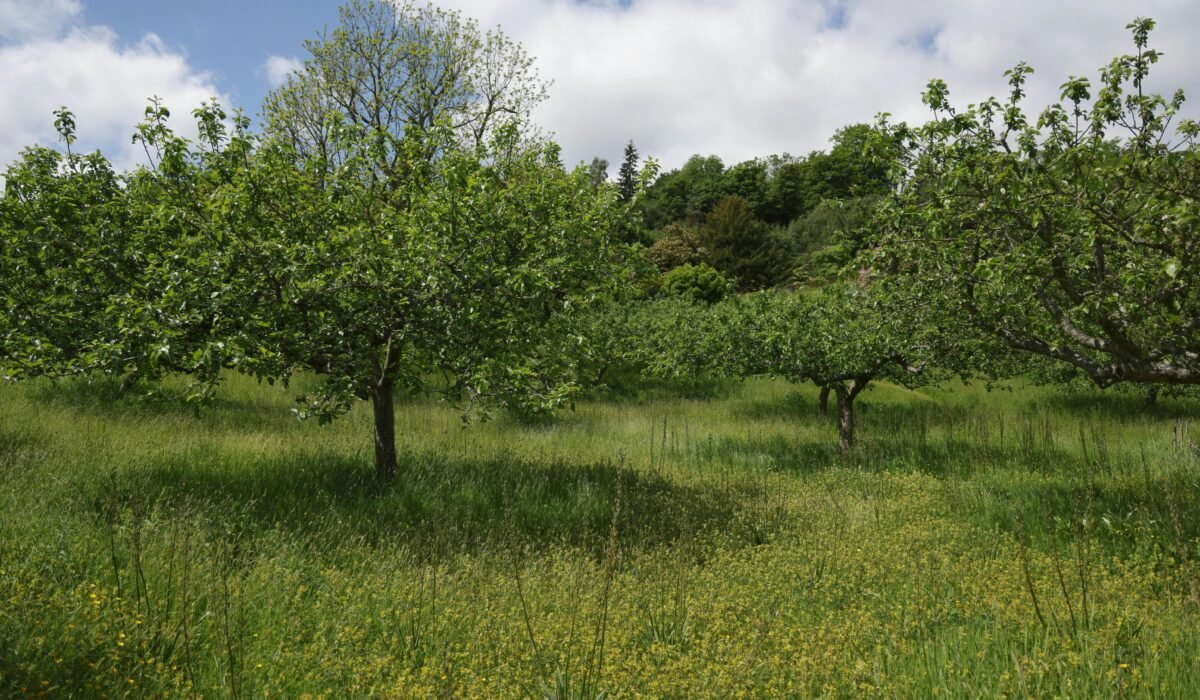
Imagine biting into a perfectly ripe apple grown right in your backyard, or harvesting juicy peaches that burst with flavor. Achieving this dream isn’t just about green thumbs; it’s fundamentally about selecting the right fruit varieties for your climate. With our planet’s weather patterns becoming increasingly unpredictable, understanding your local conditions has never been more critical for successful fruit cultivation.
The journey to a bountiful harvest begins long before planting, with a deep dive into the unique environmental factors of your garden. From winter chills to summer heat, every aspect of your climate dictates which fruit trees will merely survive and which will truly thrive, yielding delicious rewards year after year. Let’s explore how to make informed choices for your fruit-growing success.
Decoding Your Climate: USDA Zones and Microclimates
The first step in choosing appropriate fruit varieties is understanding your local climate, and the gold standard for this is the USDA Plant Hardiness Zone Map (PHZM). This essential tool categorizes regions across the United States based on their average annual extreme minimum winter temperature, providing a vital guide for perennial plant survival.
The map, most recently updated in November 2023, divides the country into 10-degree Fahrenheit zones, further refined into 5-degree ‘a’ and ‘b’ half-zones. These updates are crucial, as many areas have shifted to warmer zones, reflecting milder winters and expanded possibilities for certain plants.
However, your garden’s climate isn’t just about your broad USDA hardiness zone. Microclimates, localized atmospheric conditions that differ from the surrounding area, play an equally significant role. Factors like proximity to buildings, bodies of water, slopes, or even large rocks can create pockets of warmer or cooler temperatures, influencing plant suitability.
For instance, a south-facing wall might offer enough protection to grow a slightly less hardy fruit tree than your general zone suggests. Conversely, a low-lying area might be a frost pocket, requiring more cold-tolerant selections. Always observe your specific garden’s conditions to fine-tune your fruit variety choices.
The Essential Role of Chill Hours for Fruit Trees
Beyond surviving winter lows, many deciduous fruit trees have another critical requirement: chill hours. These are not merely cold temperatures, but specific cumulative hours when temperatures are consistently between 32°F (0°C) and 45°F (7°C) during the dormant winter period.
Chill hours are absolutely essential for fruit trees to properly break dormancy, ensuring even bud break, robust flowering, and ultimately, a good fruit set. Think of it as the tree’s necessary winter rest, without which it cannot perform its spring awakening.
Insufficient chill can lead to a cascade of problems. You might observe delayed or uneven bud break, meaning some branches leaf out while others remain bare, or even a complete lack of flowering. This often results in poor fruit production or even no fruit at all, making the right chill hour requirements a non-negotiable factor for successful cultivation.
Conversely, too many chill hours can sometimes cause trees to break dormancy too early, making them vulnerable to late spring frosts. It’s a delicate balance, and understanding the specific chill hour needs of your chosen fruit varieties is as important as knowing your USDA zone.
How Climate Change is Reshaping Fruit Cultivation
The dynamics of fruit growing are being profoundly altered by global climate change. Rising annual temperatures, unpredictable rainfall patterns, and an increased frequency of extreme weather events are challenging traditional agricultural practices worldwide. These shifts necessitate a proactive approach to selecting appropriate fruit varieties for your climate.
Observed and projected changes include more intense bursts of rain followed by longer periods of drought, and a higher incidence of late spring frosts and severe summer heat waves. These disruptions directly impact the phenological cycles of fruit trees, affecting critical stages like flowering and fruit set, which can lead to reduced yields and compromised fruit quality.
Furthermore, warmer temperatures accelerate the life cycle of many insect pests, leading to more generations per season and increased crop damage. Fungal diseases also find more favorable conditions in altered temperature and humidity regimes. For example, some Midwestern US states have already seen annual temperatures increase by 1-2°F since the late 1970s, with projections indicating significantly fewer freezing days and more days above 86°F annually.
The long-term implications are stark. Research published in September 2025 predicted a potential 60% reduction in suitable areas for export banana production in Latin America and the Caribbean by 2061-2080 due to rising temperatures. This highlights the urgent need for adaptable and climate-resilient fruit varieties to ensure future food security and maintain the diversity of our produce.
Discovering Climate-Resilient Fruit Varieties
In response to these challenges, the focus in fruit cultivation is rapidly shifting towards developing and discovering climate-resilient fruit varieties. Breeders and growers are actively seeking fruits that can withstand increasingly unpredictable and harsh conditions, including rising temperatures, water scarcity, and altered chill hour accumulation.
When you’re planning your orchard or garden, prioritize varieties known for their adaptability. This often means looking beyond the most common commercial options and exploring heritage varieties or those bred specifically for challenging conditions. Here are some characteristics to look for:
- Drought Tolerance: Varieties that can thrive with less water, crucial in regions experiencing increased dry spells.
- Heat Tolerance: Fruits that can set and ripen well even during prolonged periods of high summer temperatures.
- Low-Chill Requirements: Essential for areas experiencing milder winters and reduced chill hour accumulation.
- Disease Resistance: Varieties naturally more resistant to common pests and diseases, reducing the need for interventions that can be stressful for plants already facing climatic stress.
- Late-Blooming: Varieties that bloom later in the spring can often escape damage from late spring frosts.
Examples of fruit types often exhibiting good resilience include certain fig varieties, pomegranates, persimmons, and specific berry bushes. Researching regional agricultural extensions or local nurseries can provide invaluable insights into fruit varieties climate-tested for your specific area.
Innovations: Hot Climate Apples and Low-Chill Options
The world of fruit breeding is not standing still; it’s actively innovating to meet the demands of a changing climate. Recent developments highlight a significant focus on creating new fruit varieties that can thrive in conditions previously deemed unsuitable. These innovations are opening up exciting possibilities for growers everywhere.
One of the most remarkable breakthroughs is the ‘Tutti’ apple (‘HOT84A1’), recognized as the world’s first apple variety specifically bred for hot climates. This groundbreaking variety received top honors at the Fruit Attraction 2025 Innovation Hub Awards, demonstrating its potential to expand apple cultivation into warmer regions. Since its launch in 2023, over 900 hectares of ‘Tutti’ apples have already been planted globally, a testament to its success.
Another next-generation apple making waves is the ‘Stellar’ apple (‘HOT81A1’), also developed for hot and warming climates. It was awarded a Silver Award at the SIVAL Varietal Innovation Competition for 2026, further underscoring the success of breeding efforts focused on heat tolerance. These varieties offer hope for maintaining apple production in regions where traditional varieties are struggling.
Parallel to these advancements, there’s a rapidly growing focus on low-chill fruit varieties. As winters become milder in many areas, trees requiring fewer chill hours are becoming indispensable. This includes new cultivars of popular fruits like peaches, nectarines, plums, and cherries that can still produce abundantly even after warmer winters. This trend is crucial for ensuring that growers in increasingly temperate zones can continue to enjoy a diverse range of fruits.
Furthermore, interest in dwarf and semi-dwarf fruit trees is on the rise. While not directly a climate resilience factor, their compact size offers benefits for urban gardeners and those with limited space, and can facilitate easier protection from extreme weather events, as well as more efficient water management.
Beyond Varieties: Adapting Your Growing Strategy
While choosing the right fruit varieties for your climate is paramount, it’s just one piece of the puzzle. A truly successful fruit-growing endeavor requires a holistic approach, adapting your overall growing strategy to support your trees through changing conditions. Thoughtful planning and proactive measures can make a significant difference in your harvest.
Consider these additional strategies to bolster your fruit trees’ resilience and productivity:
- Strategic Site Selection: Even within your garden, identify microclimates. Planting heat-sensitive varieties in partial shade or frost-tender trees in a sheltered, south-facing spot can provide crucial protection. Avoid frost pockets if possible.
- Optimized Water Management: Implement efficient irrigation systems like drip lines to conserve water, especially for container plants. Mulching heavily around trees helps retain soil moisture, regulate soil temperature, and suppress weeds, reducing competition for water.
- Protection from Extremes: Be prepared for unexpected weather. Use row covers or blankets to protect young trees from late spring frosts. For intense summer heat, consider temporary shade cloth to prevent sunscald on fruit and foliage.
- Soil Health and Nutrition: Healthy soil leads to healthy trees. Amend your soil with organic matter to improve drainage, water retention, and nutrient availability. A balanced nutrient supply strengthens trees, making them more resilient to stress.
- Pollinator Support: Climate shifts can disrupt pollinator cycles. Plant a diverse range of pollinator-friendly flowers near your fruit trees to ensure adequate pollination for fruit set. This is a vital aspect of sustainable fruit growing.
- Disease and Pest Monitoring: Regularly inspect your trees for signs of stress, pests, or diseases. Early detection and intervention, using organic pest control methods where possible, can prevent minor issues from becoming major problems, especially as warmer temperatures can increase pest pressure.
- Pruning for Resilience: Proper pruning not only shapes the tree but also improves air circulation, reducing disease risk, and can help manage tree size for easier protection or harvesting.
By integrating these fruit cultivation tips with careful variety selection, you create a robust system that can better withstand the challenges of a dynamic climate. Investing in these strategies will yield healthier trees and more consistent harvests for years to come.
Choosing the right fruit varieties for your climate is no longer a static decision but an ongoing, informed process. As our climate continues to evolve, so too must our approach to gardening and agriculture. By understanding your specific local conditions, embracing innovative new varieties, and adapting your growing strategies, you can cultivate a thriving home orchard that provides delicious, homegrown fruit season after season. Research your local agricultural extension, consult with experienced growers, and make informed choices to ensure your fruit-growing success. Happy planting!
External Resources:
Climate Change Impact on Fruit Production (Nature Climate Change)







