Transforming your small outdoor space into a thriving green oasis is incredibly rewarding, but a vibrant balcony garden doesn’t happen by magic. Your potted plants, unlike their in-ground counterparts, face unique challenges when it comes to nutrient access. This is where understanding and applying the right Balcony Garden Fertilizers becomes absolutely essential.
Without proper feeding, your beloved container plants will quickly deplete the limited nutrients in their soil, leading to stunted growth, pale leaves, and disappointing blooms. Let’s delve into the world of plant nutrition, ensuring your urban haven flourishes with health and beauty.
Why Balcony Container Plants Need Specific Fertilizers
Imagine your plant living in a small, self-contained world – that’s essentially what a container offers. While convenient for urban spaces, this limited environment presents significant challenges for nutrient availability. Unlike garden beds where soil microbes and natural processes constantly replenish nutrients, potted plants are entirely dependent on you for their sustenance.
The frequent watering required by container plants, especially during warm weather, can also lead to rapid nutrient depletion. Water drains through the potting mix, carrying away essential minerals in a process known as leaching. This makes consistent and targeted application of container plant nutrients crucial for their survival and growth.
A well-chosen potting mix provides a good start, but its initial nutrient reserves are quickly exhausted. Therefore, a strategic fertilization plan is non-negotiable for maintaining healthy, productive plants in your balcony garden. It’s not just about adding “food”; it’s about providing a balanced diet tailored to their unique containerized lifestyle. For more tips on setting up your space, explore our guide on Balcony Garden Design: Layout Ideas for Small Spaces.
Understanding NPK Ratios: Essential Nutrients for Potted Plants
When you look at a fertilizer label, you’ll invariably see three numbers separated by hyphens, like 10-10-10 or 5-1-1. This is the NPK ratio, representing the percentage by weight of the three primary macronutrients:
- Nitrogen (N): The first number, nitrogen is vital for lush, green leafy growth, strong stems, and overall vegetative development. Plants like leafy greens (lettuce, spinach) and herbs thrive with higher nitrogen.
- Phosphorus (P): The second number, phosphorus is crucial for robust root development, successful flowering, and abundant fruit and seed production. Flowering annuals, tomatoes, and peppers benefit from higher phosphorus.
- Potassium (K): The third number, potassium supports overall plant health, strengthens disease resistance, aids in water regulation, and improves the quality and flavor of fruits and flowers.
Beyond NPK, plants also require secondary macronutrients like calcium, magnesium, and sulfur, along with a range of micronutrients such as iron, manganese, and zinc. Many quality fertilizers for container plants will include these essential elements to ensure a complete diet.
Choosing the right NPK ratios for potted plants depends on your specific plants. A balanced fertilizer (e.g., 10-10-10 or 20-20-20) is excellent for general growth and maintenance. However, for plants focused on specific outcomes:
- Leafy Greens & Herbs: Opt for a higher nitrogen ratio (e.g., 3-1-2 or even a 5-1-1 fish emulsion) to encourage abundant foliage.
- Flowering & Fruiting Plants (Tomatoes, Peppers, Petunias): Look for fertilizers with higher phosphorus and potassium (e.g., 5-10-27 or 3-2-5) to promote blooms and fruit development.
Always remember that the best fertilizer is one that meets the specific needs of your plants at their current growth stage. For more general guidance on feeding your container plants, The Old Farmer’s Almanac offers valuable insights.
Organic vs. Synthetic Fertilizers for Your Balcony Garden
When it comes to feeding your balcony garden, you’ll encounter two main categories of fertilizers: organic and synthetic. Each has its own benefits and drawbacks, influencing not just your plants but also the health of your potting mix and the environment.
Organic Balcony Fertilizers
Organic fertilizers are derived from natural sources, such as compost, animal manure, bone meal, blood meal, fish emulsion, and seaweed extracts. They work by improving the soil structure and feeding the beneficial microbes in the potting mix, which then slowly release nutrients to the plants. This approach aligns perfectly with current trends emphasizing soil health and sustainable gardening practices.
Pros:
- Enhance soil health and microbial activity over time.
- Slow-release nature reduces the risk of over-fertilization and nutrient burn.
- Environmentally friendly and sustainable.
- Improve water retention and aeration of potting mix.
Cons:
- Nutrient release can be slower and less precise.
- Some can have an odor, especially fish emulsion or manure.
- May attract pests if not properly applied or stored.
Synthetic Fertilizers
Synthetic fertilizers are chemically processed and manufactured, offering a precise nutrient analysis (NPK ratio). They are typically water-soluble, providing a quick and direct nutrient boost to plants. These are often what people think of when they hear “plant food.”
Pros:
- Fast-acting, providing immediate nutrient availability.
- Precise NPK ratios allow for targeted feeding.
- Generally odorless and easy to apply.
Cons:
- Higher risk of nutrient burn if over-applied or not diluted correctly.
- Do not improve soil structure or feed beneficial microbes.
- Can lead to salt buildup in containers over time.
- Environmental concerns regarding runoff and manufacturing.
Many urban gardeners find success using a combination of both. Organic balcony fertilizers can build a strong foundation of soil health, while synthetic options can provide quick boosts when plants show signs of deficiency or are in active growth phases. For further reading on different fertilizer types, the University of Florida provides a comprehensive guide.
Slow-Release vs. Liquid: Choosing the Right Application Method
Once you’ve decided between organic and synthetic, you’ll also need to consider the application method. The two most popular choices for container gardening are slow-release granules and liquid fertilizers, each offering distinct advantages.
Slow-Release Plant Food
Slow-release fertilizers come in granular or pellet form, often coated with a resin that gradually breaks down over time, releasing nutrients consistently into the soil. These are ideal for busy gardeners or those who prefer a “set it and forget it” approach.
Benefits:
- Provides a steady supply of nutrients over an extended period (typically 2-4 months).
- Reduces the frequency of fertilization, saving time and effort.
- Lower risk of nutrient burn due to gradual nutrient release.
Application: Mix into the top layer of soil or sprinkle around the base of the plant, following product instructions carefully. Replenish as directed, usually every few months.
Liquid Fertilizer for Containers
Liquid fertilizers are concentrates that you dilute with water before applying. They deliver nutrients directly to the plant’s roots in a soluble form, making them fast-acting and highly effective for addressing immediate deficiencies or providing boosts during peak growth periods.
Benefits:
- Quick nutrient uptake, visible results often seen within days.
- Easy to adjust dosage and frequency based on plant needs.
- Ideal for immediate nutrient boosts during flowering or fruiting stages.
Application: Dilute according to package directions. Many gardeners opt to dilute to half-strength and apply more frequently, perhaps every 1-2 weeks or even with every watering, especially for heavy feeders. Always water your plants thoroughly before applying liquid synthetic fertilizers to prevent root burn.
Combining Methods for Optimal Health
Many successful balcony gardeners utilize a combination strategy. They might incorporate a slow-release plant food into their potting mix at the beginning of the growing season to establish a baseline of nutrition. Then, they supplement with a liquid fertilizer for containers every few weeks, particularly during periods of active growth, flowering, or fruiting. This ensures both consistent feeding and responsive nutrient boosts when plants need them most.
Here’s a general guide for fertilizing your balcony plants:
- Start with Quality Soil: Begin with a premium potting mix that offers good drainage and some initial nutrients. Consider our recommendations for Balcony Garden Soil: Top Mixes for Healthy Container Plants.
- Initial Feed: Incorporate a slow-release fertilizer into the soil when planting or repotting.
- Regular Boosts: Begin applying liquid fertilizer (at half-strength) every 2-4 weeks once plants are established and actively growing.
- Observe Your Plants: Pay attention to signs of nutrient deficiency or excess. Adjust your feeding schedule accordingly.
- Reduce in Dormancy: Significantly cut back or stop fertilizing during cooler months or when plants are dormant.
DIY Balcony Garden Fertilizers: Sustainable Solutions
Embracing a sustainable lifestyle often extends to our gardens, and making your own organic balcony fertilizers from kitchen scraps is a fantastic way to nourish your plants while reducing waste. This trend is gaining significant traction among urban gardeners, proving that effective plant food doesn’t always come in a bottle or bag.
Homemade fertilizers are typically gentler than synthetic options, making them safer for container plants where nutrient concentration can quickly become an issue. They also contribute to a healthier soil ecosystem over time.
Here are some popular ingredients for DIY garden fertilizer:
- Banana Peels: Rich in potassium and phosphorus, excellent for flowering and fruiting plants. You can chop them finely and bury them in the soil, or steep them in water for a nutrient-rich “banana tea.”
- Eggshells: A great source of calcium, which helps prevent blossom end rot in tomatoes and peppers. Wash, dry, and crush them into a fine powder before mixing into the soil.
- Coffee Grounds: Provide a mild dose of nitrogen and slightly acidify the soil, making them beneficial for acid-loving plants like blueberries or some ferns. Sprinkle sparingly around the base of plants.
- Compost Tea: Made by steeping finished compost in water, this liquid gold is packed with beneficial microbes and a balanced range of nutrients. It acts as both a fertilizer and a soil conditioner.
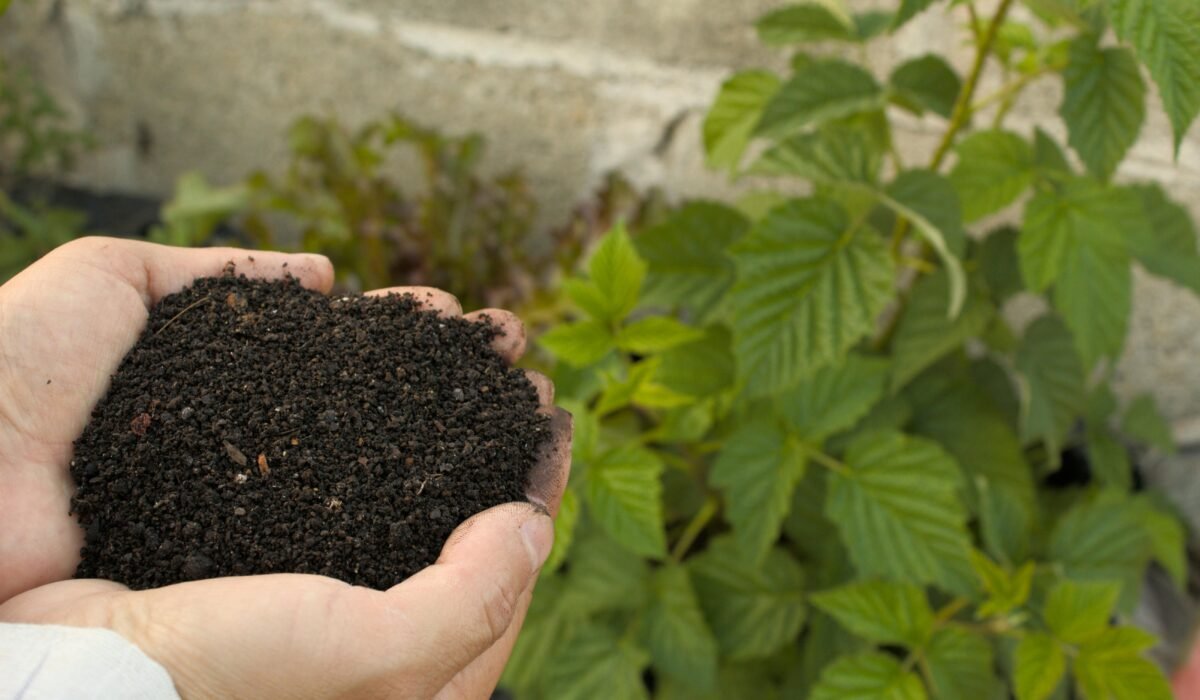
- Worm Castings: Often called “black gold,” these are the excretions of earthworms, incredibly rich in readily available nutrients and beneficial microbes. Mix into potting soil or top-dress your plants.
- Epsom Salt (Magnesium Sulfate): While not a traditional fertilizer, it provides magnesium and sulfur, which are crucial for chlorophyll production and overall plant vigor. Dissolve 1-2 tablespoons per gallon of water and apply as a foliar spray or soil drench, especially for peppers and tomatoes.
Remember that DIY fertilizers are generally less concentrated than commercial products, so results may be slower, and you might need to apply them more frequently. Always observe your plants for signs of improvement or deficiency and adjust your homemade concoctions accordingly.
Common Fertilization Mistakes to Avoid in Container Gardening
While fertilizing is crucial for thriving balcony plants, it’s also an area where mistakes can easily be made. Avoiding these common pitfalls will help ensure your plants receive the right nutrients without harm.
- Over-fertilization: This is perhaps the most common and damaging mistake, especially in containers. Too much fertilizer, particularly synthetic types, can “burn” the plant’s roots, leading to yellowing or browning leaf tips, stunted growth, and even plant death. Always follow package instructions and, when in doubt, use less than recommended.
- Ignoring Soil Health: Fertilizers are supplements, not replacements for good soil. If your potting mix is old, compacted, or lacking in organic matter, no amount of fertilizer will fully compensate. Regularly refreshing or amending your soil with compost and ensuring proper drainage is fundamental.
- Fertilizing Dormant Plants: Most plants have periods of active growth and dormancy. Fertilizing plants when they are not actively growing (e.g., in winter for many annuals and perennials) can stress them and lead to nutrient buildup in the soil.
- Not Watering Before Fertilizing: Especially with synthetic liquid fertilizers, it’s vital to water your plants thoroughly before applying fertilizer. This helps to prevent root burn by ensuring the roots are hydrated and the nutrients are diluted and distributed evenly.
- Using the Wrong NPK Ratio: Applying a high-nitrogen fertilizer to a flowering plant that needs phosphorus and potassium for blooms can result in lush foliage but few flowers. Understanding your plant’s specific needs at different growth stages is key.
- Inconsistent Application: Sporadic fertilizing can lead to nutrient deficiencies followed by sudden overloads. A consistent schedule, whether weekly, bi-weekly, or monthly, provides a stable nutrient supply.
By being mindful of these common errors, you can provide your container plants with the balanced nutrition they need to thrive. Observe your plants closely; they will often tell you exactly what they need through their appearance and growth habits.
“The greatest gift of the garden is the restoration of the five senses.” – Hanna Rion
This quote beautifully reminds us that our balcony gardens are more than just plants; they are spaces for connection and sensory enjoyment. Proper fertilization is a key step in nurturing these spaces.
Conclusion
Nourishing your balcony garden with the right Balcony Garden Fertilizers is a fundamental step towards cultivating a vibrant and productive urban oasis. From understanding the vital NPK ratios to choosing between organic and synthetic options, and selecting the best application method, each decision contributes to the health and beauty of your container plants.
Whether you opt for the steady release of granular fertilizers, the quick boost of liquid feeds, or embrace sustainable DIY solutions, the key lies in consistency and observation. Pay attention to what your plants are telling you, and adjust your feeding regimen accordingly. With a little knowledge and care, your balcony garden will flourish, bringing joy and a touch of nature right to your doorstep. Experiment, learn, and most importantly, enjoy the process of growing your beautiful urban garden!