
Transforming a small balcony into a lush garden is incredibly rewarding, but nothing sours the joy faster than a surprise pest infestation. Urban environments, with their unique microclimates and confined spaces, can make container plants particularly susceptible to unwelcome visitors. The good news? You don’t need harsh chemicals to protect your green oasis. This comprehensive guide will walk you through effective, eco-friendly strategies for organic balcony pest control, ensuring your container plants thrive naturally.
From proactive prevention to powerful natural remedies, we’ll explore how to keep your edibles, ornamentals, and herbs healthy and pest-free. Get ready to cultivate a vibrant, resilient balcony garden that’s a haven for you, not for bugs.
Why Balcony Gardens Are Pest Magnets
While balcony gardens bring nature closer to home, they also present specific challenges that can attract pests. Container plants often experience limited soil volume, which can stress roots and make plants more vulnerable. Additionally, reduced air circulation, especially in sheltered balcony corners, creates humid conditions that many pests adore.
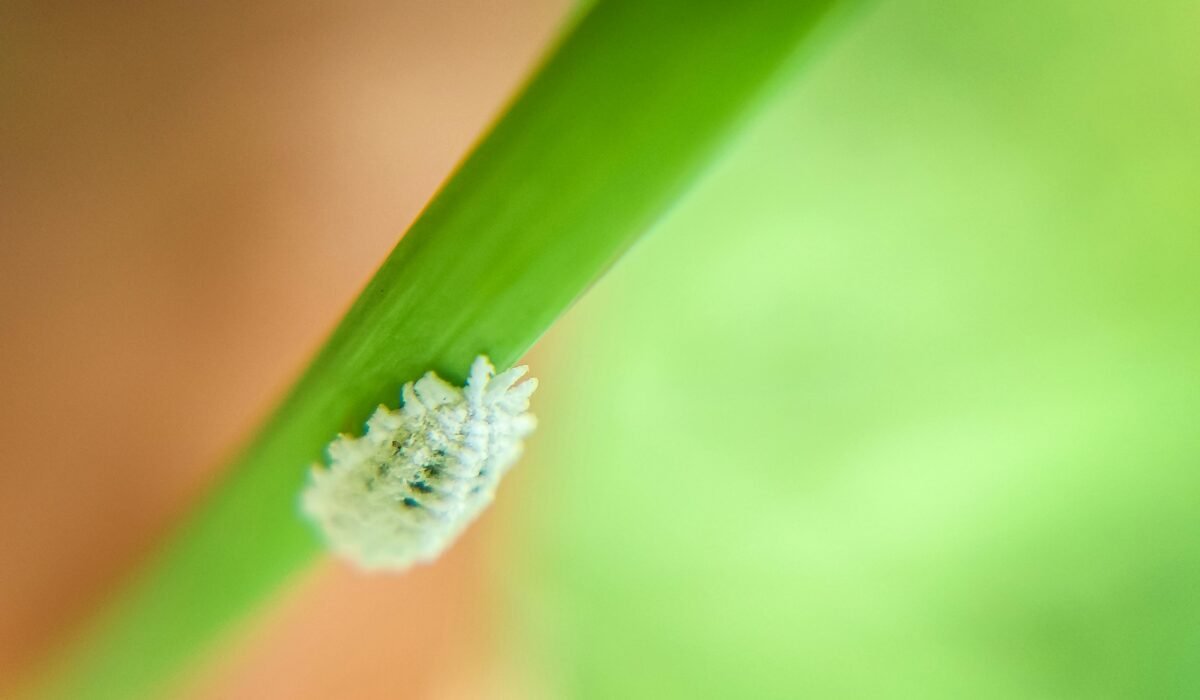
Warm, sunny exposures common on balconies can accelerate pest breeding cycles, turning a minor issue into a full-blown infestation quickly. Common invaders you might encounter include aphids, spider mites, fungus gnats, whiteflies, and mealybugs. Understanding these unique vulnerabilities is the first step in effective container garden pest control.
Your First Line of Defense: Proactive Pest Prevention
The best pest control is prevention. By establishing a strong preventative routine, you can significantly reduce the likelihood of infestations and cultivate robust, resilient plants. Think of it as building an invisible shield around your precious balcony greenery.
Here are crucial steps to keep your garden healthy from the start:
- Start with Sterile Potting Mix: Always use fresh, high-quality potting mix. Reusing old soil can introduce dormant pest eggs, larvae, or fungal spores that quickly awaken in new conditions.
- Ensure Proper Drainage: Overwatering is a common culprit for root rot and fungus gnats. Make sure your containers have adequate drainage holes and that water isn’t pooling at the bottom. For more tips on this, check out our guide on Balcony Garden Watering.
- Avoid Overcrowding: Give your plants space to breathe. Good air circulation is vital for preventing fungal diseases and making it harder for pests to spread from plant to plant.
- Inspect New Plants: Before introducing any new plant to your balcony, give it a thorough inspection. Check the undersides of leaves, stems, and the soil surface for any signs of pests. Isolate new plants for a week or two if you’re unsure.
- Regular Plant Checks: Make daily or weekly inspections a habit. Early detection is key to managing pests organically before they become a major problem. Look for sticky residue, distorted leaves, tiny insects, or webbing.
Top Organic Solutions for Common Balcony Pests
When prevention isn’t quite enough, a range of powerful organic solutions are at your disposal. These treatments are safe for your family, pets, and the environment, making them ideal for organic balcony pest control, especially for edibles.
Here are some of the most effective options:
Neem Oil: The All-Rounder
Extracted from the neem tree, neem oil is a broad-spectrum organic pesticide that works wonders against a multitude of pests. It’s effective against aphids, spider mites, whiteflies, mealybugs, and even some fungal issues. Neem oil works by disrupting insect feeding, growth, and reproduction cycles, rather than killing them instantly.
To use, dilute a high-quality cold-pressed neem oil (like those from Bonide or Monterey) according to package directions, mix with a mild emulsifying soap, and spray thoroughly on all plant surfaces, especially leaf undersides. Apply in the evening to avoid burning leaves in direct sun and to protect beneficial insects. Learn more about its uses and benefits in Garden Design’s guide to neem oil.
Insecticidal Soaps & Horticultural Oils
These solutions are highly effective against soft-bodied insects like aphids, spider mites, and whiteflies. Insecticidal soaps work by breaking down the insect’s protective outer layer, leading to dehydration. Horticultural oils, which are lightweight, refined oils, smother pests and their eggs.
Both should be applied thoroughly, ensuring direct contact with the pests. They are generally safe for edibles right up to harvest, but always follow product instructions carefully. For a wider range of organic products, you can consult resources like the Carolina Farm Stewardship Association’s organic product finder.
Diatomaceous Earth (DE)
Food-grade diatomaceous earth is a natural, non-toxic powder made from the fossilized remains of diatoms. Its microscopic sharp edges cut the exoskeletons of crawling insects, causing them to dehydrate and die. It’s excellent for ants, slugs, snails, earwigs, and even fungus gnats when sprinkled on the soil surface.
Apply DE when plants are dry, as it becomes ineffective when wet. Reapply after rain or watering. Be careful not to inhale the fine dust when applying.
Bacillus thuringiensis (Bt) & Spinosad
For specific pest issues, targeted organic solutions exist. Bacillus thuringiensis (Bt) is a naturally occurring bacterium that specifically targets and kills the larvae of butterflies and moths (caterpillars) when ingested, without harming beneficial insects. Spinosad, derived from a soil bacterium, is another organic insecticide effective against caterpillars, thrips, and leaf miners.
These are great choices for protecting your edible plants from chewing pests while minimizing impact on the wider garden ecosystem.
DIY Organic Sprays & Natural Repellents
You don’t always need to buy specialized products. Many effective DIY pest spray balcony solutions can be made with common household ingredients, offering a quick and natural way to tackle infestations. These natural insect repellent plants and sprays are perfect for keeping your balcony garden healthy.
Simple Soap Spray
This is one of the easiest and most effective DIY solutions for soft-bodied pests like aphids, mealybugs, and spider mites. The soap disrupts their cell membranes, leading to dehydration.
- Ingredients: 1 teaspoon mild liquid soap (like Castile soap, avoid dish detergents with degreasers), 1 liter of water.
- Instructions: Mix well in a spray bottle. Spray thoroughly on affected plants, ensuring contact with the pests. Repeat every 5-7 days until the infestation is gone.
Garlic & Hot Pepper Sprays
These pungent sprays act as strong repellents and can deter pests with their irritating compounds.
- Garlic Spray: Blend 4-5 cloves of garlic with 1 liter of water. Let it sit overnight, then strain out the solids. Add 1 teaspoon of mild soap. Spray on plants as a repellent.
- Hot Pepper Spray: Blend 1-2 tablespoons of cayenne pepper or other hot peppers with 1 liter of water. Let it steep for an hour, then strain. Add 1 teaspoon of mild soap. Use with caution, as it can be an irritant to humans and pets.
Essential Oil Blends
Certain essential oils are known for their insect-repelling properties. Peppermint, rosemary, clove, and thyme oils can deter pests like aphids, spider mites, and even mosquitoes.
- Ingredients: 10-15 drops of your chosen essential oil (or a blend), 1 teaspoon mild soap, 1 liter of water.
- Instructions: Mix in a spray bottle. Shake well before each use, as oils can separate. Spray around plants or directly on pests.
Harnessing Nature: Beneficial Insects & Companion Planting
Creating a balanced ecosystem on your balcony is a powerful, long-term strategy for organic balcony pest control. By inviting nature’s pest controllers and planting strategically, you can reduce pest populations without lifting a finger (or a spray bottle).
Welcome Beneficial Insects
Even in a small urban space, you can attract natural predators that feast on common garden pests. Ladybugs, lacewings, hoverflies, and parasitic wasps are all fantastic allies. They’ll help keep populations of aphids, spider mites, and whiteflies in check.
To attract them, grow pollinator-friendly flowers like calendula, alyssum, or dill. You can even install a small bee or ladybug house. For more ideas on how to create a welcoming environment, explore our article on Attract Pollinators: Native Flower Garden Designs. Understanding these beneficial insects for urban gardens is crucial for sustainable pest management.
Strategic Companion Planting
Companion planting involves growing specific plants together that benefit each other, often by repelling pests or attracting beneficial insects. This is an excellent organic pest solution for edibles, especially in confined container gardens.
- Marigolds: Known to deter aphids and nematodes. Plant them around the base of susceptible plants.
- Basil: Repels whiteflies and mosquitoes, making it a great companion for tomatoes.
- Mint: Deters ants and aphids, but be sure to keep it in its own container as it can be invasive.
- Nasturtium: Can act as a “trap crop,” attracting aphids away from your prized plants. You can then simply remove and dispose of the nasturtium plant.
- Garlic, Onions, Chives: These alliums repel a wide range of pests, including aphids and slugs. They are great additions to any balcony herb garden.
Keeping Your Container Plants Pest-Free Naturally
Maintaining a pest-free balcony garden is an ongoing process that combines vigilance with natural solutions. Beyond sprays and beneficials, simple cultural practices can make a significant difference in preventing and managing infestations.
Regularly prune away any diseased or heavily infested plant parts to prevent spread. A strong stream of water from your hose can dislodge many pests like aphids and spider mites, giving your plants a fresh start. For larger pests like slugs and snails, handpicking them off your plants in the evening is often the most effective method.
Yellow sticky traps are fantastic for monitoring and trapping flying insects such as fungus gnats and whiteflies. For those tricky fungus gnats thriving in moist soil, ensure your soil is allowed to dry out between waterings. Consistency is key in organic balcony pest control; regular check-ups and prompt action will keep your container plants healthy and thriving.
“The best pest control is not about eradication, but about creating a balanced ecosystem where pests are kept in check by natural predators and healthy plants.”
Embrace these organic strategies, and you’ll find that a beautiful, pest-free balcony garden is not just a dream, but a sustainable reality.
Cultivating a thriving balcony garden without relying on harmful chemicals is entirely achievable. By understanding your plants’ needs, implementing proactive prevention, and employing a range of organic solutions, you can create a vibrant, healthy oasis. Remember that patience and consistency are your greatest tools in this journey.
Ready to put these strategies into action and enjoy a flourishing, pest-free balcony? Start with prevention, introduce beneficial elements, and tackle any outbreaks with the natural solutions detailed here. Your container plants—and the environment—will thank you!







