
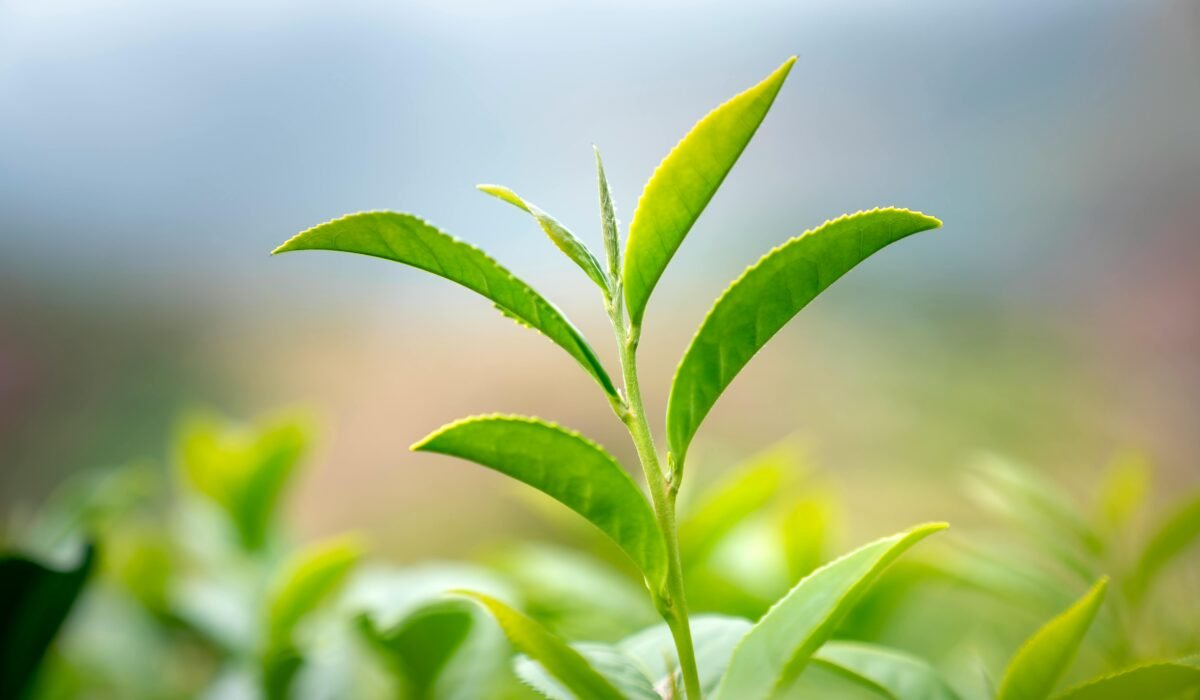
Imagine unwinding after a long day with a warm cup of tea, knowing every aromatic leaf and calming flower came directly from your own backyard. Growing your own herbs for tea isn’t just a gardening project; it’s an invitation to cultivate tranquility, one soothing sip at a time.
In a world that often feels rushed, creating a personal Herbal Tea Garden offers a peaceful sanctuary and a direct path to natural wellness. You gain superior freshness, unparalleled flavor, and the profound satisfaction of crafting your own custom blends, free from commercial additives and pesticides. Let’s explore how to transform your space into a calming oasis.
Which Herbs Are Best for a Calming Tea Garden?
When planning your calming tea garden, selecting the right herbs is key. Many popular choices are not only known for their soothing properties but are also relatively easy to grow, making them perfect for beginners and seasoned gardeners alike. These herbs are the foundation of truly relaxing blends.
Here are some of the best herbs to consider for their calming effects, along with their unique characteristics:
- Chamomile (Matricaria chamomilla): Often hailed as nature’s tranquilizer, chamomile is famous for its gentle sedative properties. It helps ease anxiety, promotes restful sleep, and can aid digestion. Its sweet, apple-like flavor is a beloved classic in calming herbal teas.
- Lemon Balm (Melissa officinalis): A vibrant member of the mint family, lemon balm boasts a delightful lemony scent and flavor. It’s renowned for its ability to reduce anxiety, improve mood, and support peaceful sleep by boosting GABA, a neurotransmitter that calms the nervous system.
- Lavender (Lavandula angustifolia): More than just a beautiful flower, culinary lavender offers significant stress-reducing and sleep-promoting benefits. Its distinctive floral notes add an elegant touch to any tea blend, creating an aromatic experience that soothes both mind and body.
- Peppermint (Mentha x piperita): While invigorating, peppermint also possesses calming qualities, particularly for the digestive system. It can relieve tension headaches, soothe an upset stomach, and provide a refreshing lift without caffeine, making it a versatile addition to your tea garden.
- Lemon Verbena (Aloysia citrodora): With an intense, bright lemon flavor, lemon verbena is excellent for calming nerves and aiding digestion. This tender perennial is a fantastic choice for adding a potent citrusy aroma to your custom herbal tea blends.
- Holy Basil (Tulsi) (Ocimum sanctum): Revered in Ayurvedic medicine, Holy Basil is an adaptogenic herb, meaning it helps the body adapt to stress. It can improve sleep quality, reduce anxiety, and boost immunity, making it a powerful addition to a stress relief herbal tea garden.
- Valerian Root (Valeriana officinalis): For those seeking more potent calming effects, valerian root is a powerful herb traditionally used for insomnia and anxiety. Be aware that while effective, the root has a very strong, distinct aroma that some find unappealing, so it’s often best used sparingly or in specific blends.
These herbs provide a wonderful starting point for your calming tea garden, offering a diverse range of flavors and therapeutic benefits that you can enjoy fresh or dried.
Growing Herbs for Tea: Indoors, Outdoors, & Small Spaces
One of the most appealing aspects of creating an herbal tea garden is its adaptability. Whether you have a sprawling yard, a sunny balcony, or just a bright windowsill, you can successfully grow a bounty of tea herbs.
Most herbs thrive on similar basic conditions, but understanding their specific needs will help them flourish.
Outdoor Herbal Tea Garden
For gardeners with outdoor space, cultivating an herbal tea garden directly in the ground or in raised beds offers ample room for growth. The key is to mimic their natural habitat as much as possible.
Most tea herbs prefer full sun, meaning at least 6 hours of direct sunlight per day. Good drainage is crucial, as soggy soil can lead to root rot. If your garden soil is heavy clay, amend it with compost or sand to improve drainage. Many herbs are perennial, returning year after year, while others are annuals that need replanting each season.
Consider grouping herbs with similar sun and water requirements. For example, Mediterranean herbs like lavender and chamomile prefer drier conditions, while mints enjoy a bit more moisture. Remember that mints can be invasive, so planting them in containers, even within an outdoor bed, is often a wise choice to prevent them from taking over.
Indoor & Container Growing
Don’t have a large yard? No problem! Many tea herbs are perfectly suited for growing indoors or in containers on balconies and patios. This is an excellent way to ensure you have fresh herbs year-round, regardless of the climate.
To grow tea herbs indoors, choose pots with good drainage holes and use a high-quality potting mix. Herbs like peppermint, lemon balm, chamomile, and even smaller varieties of lavender thrive in containers. Place them in your sunniest window, ideally one that faces south or west, to maximize light exposure.
If natural light is scarce, consider supplementing with grow lights. These can provide the intensity and duration of light your herbs need to produce lush, flavorful leaves. Watering is also key; check the soil moisture regularly, watering when the top inch or two feels dry to the touch. For more on ensuring your plants get enough light, read our Gardening Sunlight: Essential Guide for Beginner Gardeners.
The beauty of container gardening is its flexibility. You can move pots to follow the sun, bring tender perennials indoors during colder months, and easily manage soil conditions for each herb. This makes an indoor or balcony herbal tea garden a truly accessible and rewarding endeavor.
Harvesting & Drying Your Tea Herbs for Peak Potency
The journey from garden to cup involves careful harvesting and proper drying to ensure your homegrown herbal teas retain their maximum flavor and medicinal potency. Timing and technique are everything when it comes to preserving your garden’s bounty.
When to Harvest
The best time to harvest most herbs for tea is in the morning, after the dew has dried but before the intense heat of the day. At this time, the volatile oils—which give herbs their aroma, flavor, and medicinal properties—are at their peak. Avoid harvesting after rain, as excess moisture can hinder the drying process and encourage mold.
For leafy herbs like lemon balm, peppermint, and Holy Basil, harvest before they flower for the best leaf flavor. If you’re harvesting chamomile or lavender, wait until the flowers are fully open. For roots like valerian, these are typically harvested in the fall after the plant has matured.
How to Harvest
Use clean, sharp scissors or pruners to snip stems. For leafy herbs, you can harvest about one-third of the plant at a time to encourage new growth. This “cut-and-come-again” method allows for continuous harvests throughout the growing season.
When harvesting flowers, snip the flower heads or stems just below the bloom. Handle your freshly harvested herbs gently to avoid bruising, which can release volatile oils prematurely.
Drying Your Herbs for Tea
Proper drying is crucial for preserving your herbs. The goal is to remove moisture quickly and efficiently while retaining the herbs’ color, aroma, and beneficial compounds. Here’s a simple process:
- Clean Gently: If necessary, gently rinse herbs and pat them completely dry with a clean cloth. Avoid soaking them.
- Bundle or Spread: For herbs with sturdy stems like lavender or peppermint, tie small bundles (about 5-10 stems) with twine. For delicate leaves or flowers like chamomile, spread them in a single layer on a clean screen or a breathable cloth.
- Choose a Drying Location: Hang bundles upside down in a warm, dark, well-ventilated area, away from direct sunlight. Direct sunlight can bleach herbs and degrade their volatile oils. A closet, attic, or unused room works well. For screens, ensure good air circulation around and under the herbs.
- Monitor Drying: Drying typically takes 1-3 weeks, depending on the herb and humidity. Herbs are fully dry when they are brittle and crumble easily between your fingers. Leaves should rustle when touched.
- Store Properly: Once completely dry, remove leaves and flowers from stems. Store your dried herbs in airtight containers, such as glass jars, away from light, heat, and moisture. Label containers with the herb name and date. For a more in-depth guide, consult our post on Drying & Storing Herbs: Preserve Your Garden’s Bounty.
Following these steps will ensure your homegrown tea herbs maintain their potency and provide flavorful infusions for months to come.
Crafting Your Own Custom Herbal Tea Blends
The true magic of an herbal tea garden lies in the ability to craft your own custom blends. This allows you to tailor flavors and benefits precisely to your preferences and needs, turning each cup into a personalized experience.
Think of blending as an art form, where you combine different elements to create a harmonious whole. You’ll want to consider three main categories of herbs when blending:
- Base Herbs: These form the bulk of your blend, providing the main flavor profile. Often, they are mild and pleasant, like chamomile, lemon balm, or peppermint.
- Supportive Herbs: These add complementary flavors and enhance the therapeutic properties of the base. Lavender or lemon verbena can play this role, adding depth and additional calming effects.
- Accent or Catalyst Herbs: Used in smaller quantities, these herbs add a specific “kick” or boost a particular benefit. A pinch of Valerian root for potent sleep aid or a few rose petals for a floral note are good examples.
A general guideline for herbal tea blends is to aim for 40-70% base herb, 20-40% supportive herbs, and 10-20% accent or catalyst herbs. However, these are just starting points; the beauty is in experimentation.
Here are a couple of example blends to inspire your creations:
Relaxing Sunset Blend:
- 1 cup dried Chamomile flowers (Base)
- ½ cup dried Lemon Verbena leaves (Supportive)
- ½ cup dried Rose petals (Accent)
Combine all ingredients and store in an airtight jar. Use 1-2 teaspoons per cup of hot water.
Evening Calm Blend:
- 2 parts dried Chamomile (Base)
- 1 part dried Lavender (Supportive)
- 1 part dried Lemon Balm (Supportive)
- ½ part dried Holy Basil (Accent/Catalyst for stress relief)
Mix well and store. Adjust ratios to your taste. For a stronger calming effect, you might increase the Holy Basil slightly.
Don’t be afraid to experiment with different combinations and ratios until you find your perfect cup. Keep a small journal to note down your favorite blends and the quantities used, so you can recreate your masterpieces. The process of blending is as meditative and calming as drinking the tea itself.
Health Benefits of Homegrown Herbal Teas
Beyond the simple pleasure of a warm drink, homegrown herbal teas offer a wealth of health benefits that often surpass store-bought alternatives. The act of cultivating your own Herbal Tea Garden connects you directly to these advantages.
One of the most significant benefits is superior freshness and flavor. Commercial teas can lose potency over time due to long storage and transportation. Your homegrown herbs, harvested at their peak and dried carefully, retain a much higher concentration of volatile oils and beneficial compounds, leading to richer flavors and more effective therapeutic properties.
Purity is another major advantage. When you grow your own, you control the environment. This means you can ensure your herbs are organic, free from synthetic pesticides, herbicides, and other chemicals often found in commercially produced teas. This guarantees a cleaner, healthier cup for you and your family.
From a financial perspective, growing your own herbs is incredibly cost-effective. While there’s an initial investment in seeds or seedlings, many herbs are perennial, providing continuous harvests for years. This drastically reduces the recurring cost of buying specialty herbal teas.
The therapeutic benefits extend beyond the cup. Gardening itself is a proven stress-reducer, fostering mindfulness and a connection with nature. The ritual of tending to your plants, harvesting, drying, and finally brewing your tea creates a holistic wellness experience that combats stress and promotes mental well-being.
Specific health benefits of these calming herbal teas include significant stress relief and anxiety reduction, improved sleep quality, and digestive comfort. Herbs like chamomile and lemon balm have well-documented properties for soothing the nervous system, while peppermint can ease digestive upset. Some, like Holy Basil, even offer adaptogenic support, helping your body cope with various stressors. For more on the calming effects of specific teas, Healthline’s guide on teas for anxiety provides excellent insights.
By choosing to grow your own, you’re not just making tea; you’re investing in a healthier, more peaceful lifestyle.
Beyond the Basics: Unique & Adaptogenic Tea Herbs
While classic calming herbs form the backbone of a great tea garden, exploring unique and adaptogenic herbs can elevate your blending game and offer even more profound wellness benefits. These herbs are gaining popularity for their ability to help the body manage stress and promote overall balance.
Adaptogenic herbs are a special class of plants that help your body adapt to physical, chemical, and biological stress. They work by normalizing bodily functions and strengthening your system, rather than acting as a stimulant or sedative. Incorporating these into your Herbal Tea Garden can provide a deeper level of support for your well-being.
We’ve already touched on Holy Basil (Tulsi), but it’s worth re-emphasizing its adaptogenic power. Tulsi is celebrated for its ability to reduce cortisol levels, improve cognitive function, and enhance resilience to stress. Its slightly spicy, clove-like flavor blends beautifully with other calming herbs, offering a holistic approach to stress relief herbs.
Beyond Tulsi, consider these intriguing additions:
- Ashwagandha (Withania somnifera): Another cornerstone of Ayurvedic medicine, Ashwagandha is a powerful adaptogen known for reducing anxiety, improving sleep, and boosting energy levels. While the root is typically used, growing the plant can be a rewarding experience. Its flavor is earthy and slightly bitter, often best combined with sweeter or spicier herbs.
- Butterfly Pea Flower (Clitoria ternatea): While not strictly adaptogenic, this beautiful blue flower offers unique properties. It’s rich in antioxidants and is traditionally used to reduce stress and improve memory. Its vibrant blue infusion magically changes to purple with a squeeze of lemon, adding a delightful visual element to your calming herbal teas. It has a very mild, earthy flavor, making it an excellent base for colorful blends.
- Schisandra Berry (Schisandra chinensis): Known as the “five-flavor berry” (sweet, sour, salty, bitter, pungent), Schisandra is a potent adaptogen that supports liver health, mental clarity, and stress resilience. It’s a vine that requires support to grow, and its berries can be dried and added to teas for a complex flavor profile and powerful benefits.
Growing these unique and adaptogenic herbs requires a bit more research into their specific needs, but the rewards are immense. They offer a sophisticated layer to your homemade tea blends, providing advanced support for stress management and overall vitality. As you become more comfortable with your basic tea garden, venturing into these specialized herbs can truly transform your approach to natural wellness. For more details on starting your tea garden, the Washington State University Extension provides an excellent guide.
Creating your own Herbal Tea Garden is more than just a hobby; it’s a mindful practice that nurtures both your plants and your well-being. From the moment you plant a seed to the first calming sip of your custom blend, you’re engaging in a journey of self-care, sustainability, and sensory delight. The freshness, purity, and personalized touch of homegrown calming herbal teas are simply unmatched, offering a daily ritual of peace in a hectic world. You don’t need extensive space or experience to begin this rewarding venture. With a few pots, some sunny spots, and a little patience, you can cultivate your own source of tranquility.
Why wait to experience the profound satisfaction and health benefits of sipping tea made from your very own garden? Start small, choose a few favorite herbs, and watch your calming oasis bloom. Begin your herbal tea garden today and transform your daily tea ritual into a truly personal and therapeutic experience. Discover the joy of growing your own calm, one leaf at a time. The Farmer’s Almanac offers practical tips to get you started.







