Do you ever wonder why your homegrown herbs don’t always taste as vibrant as you expect? Mastering the art of Harvesting Herbs for Peak Flavor is the secret to unlocking their full aromatic potential, transforming your culinary creations. This guide will walk you through the precise timing, scientific reasons, and expert techniques to ensure every harvest delivers an explosion of taste.
When is the Best Time to Harvest Herbs for Peak Flavor?
The optimal window for harvesting herbs largely depends on whether they are annuals or perennials, and crucially, their growth stage. For most culinary herbs, the general rule is to harvest before the plant flowers.
As Extension Specialist Jeanine Davis from NC State Extension highlights, “Herbs should be harvested when the oils responsible for flavor and aroma are at their peak.” This typically means when the plant is actively growing and boasts lush foliage, but hasn’t yet put its energy into producing blossoms.
Harvesting Annual Herbs
Annual herbs like basil, cilantro, and dill have a shorter life cycle and are prone to bolting (going to seed) quickly, especially in hot weather. You’ll want to harvest these frequently throughout their growing season to encourage new growth and delay flowering.
For basil, you can start pinching off leaves once the plant is about 6-8 inches tall. This regular harvesting not only gives you delicious leaves but also helps the plant become bushier and more productive.
Harvesting Perennial Herbs
Perennial herbs such as rosemary, thyme, oregano, and mint return year after year. These can be harvested more consistently throughout the spring and summer months.
The key here is to harvest before they start to flower, as flowering often signals a change in the plant’s chemistry, potentially reducing the concentration of desirable flavor compounds. You can often get multiple harvests from these plants in a single season.
What Time of Day Should You Harvest Herbs for Optimal Flavor?
For truly exceptional taste, the specific time of day you pick your herbs makes a significant difference. The short answer is: morning, after the dew has dried, but before the midday sun intensifies.
What most people miss is that plants undergo metabolic changes throughout the day. During the cool morning hours, the plant’s essential oils – the very compounds responsible for their distinctive aroma and taste – are most concentrated in the leaves. As the sun gets hotter, these volatile oils can begin to evaporate, diminishing the herb’s potency.
Elsa Sanchez, a professor in plant science at Penn State, confirms this, stating, “the best time to harvest for maximum quality is just after the dew has evaporated from the plant in the morning.” This ensures you capture the herbs at their aromatic peak, full of vibrant flavor.
The Science of Flavor: Why Timing Your Herb Harvest Matters
Understanding the “why” behind optimal harvesting timing helps you make informed decisions in your garden. It all comes down to the plant’s biochemistry and the production of specific flavor compounds herbs.
Herbs produce a complex array of secondary metabolites, including terpenes, phenols, and esters, which are collectively known as essential oils herbs. These volatile compounds are responsible for the unique scent and taste profiles of each herb.
When a plant begins to flower, its energy shifts from producing lush foliage and concentrating these oils to developing seeds. This often leads to a reduction in the concentration of desirable flavor compounds in the leaves, and sometimes even an increase in bitterness, especially in herbs like basil and cilantro when they bolt.
Dr. Roberto Lopez of Michigan State University, whose team researches improving herb yield and enhancing flavor, underscores the importance of these compounds for consumer appeal. Harvesting at the right moment ensures you capture these delicate oils at their peak, maximizing the pungency and nuance of your culinary herbs.
How to Harvest Herbs Without Killing the Plant: General Techniques
Harvesting isn’t just about taking; it’s also about encouraging continued growth. The goal is to collect delicious leaves while maintaining a healthy, productive plant. This involves using the right tools and knowing where to make your cuts.
Using the Right Tools for Precision
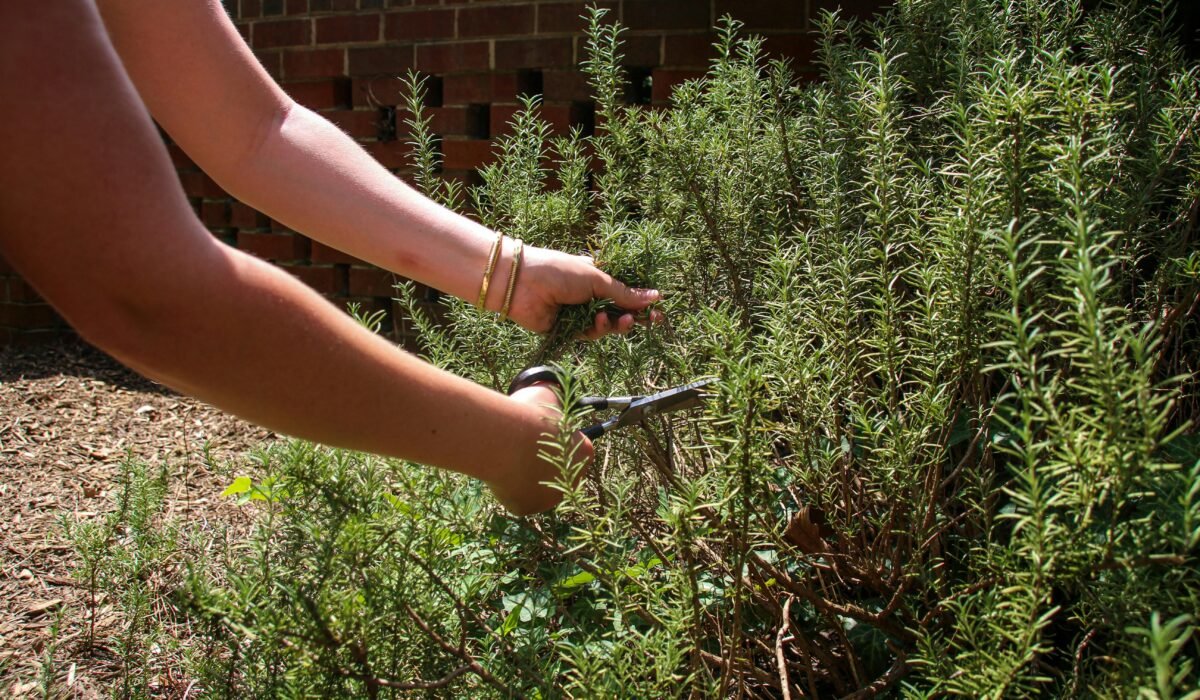
Clean, sharp tools are essential for making precise cuts that heal quickly and minimize stress on the plant. Dull tools can crush stems, making them vulnerable to disease.
- Sharp kitchen shears or garden scissors are ideal for delicate herbs like basil, mint, and parsley.
- Needle-nose pruners offer precision for smaller stems and tight spots.
- For larger, woody-stemmed herbs like rosemary or lavender, small, sharp garden shears for herbs or even a sharp knife can be effective.
Always sterilize your tools with rubbing alcohol before and after use to prevent the spread of plant diseases.
The “One-Third” Rule and Cutting Above Nodes
A fundamental principle for how to harvest herbs so they keep growing is the “one-third” rule: never remove more than one-third of the plant’s foliage at any single harvest. This allows the plant to continue photosynthesizing efficiently and recover quickly.
When cutting, always aim to snip just above a leaf node (the point where leaves or branches emerge from the main stem). This encourages the plant to branch out from that node, leading to a bushier plant with more leaves for future harvests. Cutting randomly can leave bare stems and stunt growth.
Advanced Pruning & Harvesting for Continuous Herb Yield
Beyond basic harvesting, strategic pruning can significantly extend your harvest season and promote a more robust plant. This is particularly important for achieving a continuous yield herbs, especially with fast-growing varieties.
Managing Bolting and Encouraging Bushiness
Many herbs, especially annuals, tend to bolt (flower and go to seed) in warm weather. While some herbs like cilantro are delicious when their flowers go to seed (coriander), for others, it signals the end of their flavorful leaf production. To prevent premature bolting herbs and encourage a bushier habit:
- Regularly pinch off flower buds as soon as they appear. This redirects the plant’s energy back into leaf production.
- For herbs like basil, consider harvesting the entire top section of a stem rather than just individual leaves. Cut about 1/4 inch above a pair of leaves, leaving at least two sets of leaves on the plant. This promotes strong side shoots.
- In practice, consistent harvesting, even if you don’t need all the herbs, is the best way to keep plants productive and delay bolting.
Cut-and-Come-Again Strategies
Many herbs thrive on a “cut-and-come-again” approach. This involves harvesting larger sections of the plant, knowing it will quickly regrow from the remaining base. This method is excellent for: Vertical Herb Garden for Small Spaces.
- Lettuce-leaf basil varieties: You can often shear off the top 2/3 of the plant, and it will regrow vigorously.
- Mint and oregano: These spread readily. You can cut back entire sections to the ground, and new shoots will emerge.
- Chives: Gather a bunch of chive stems and cut them 1-2 inches above the soil line. New growth will emerge from the center.
This aggressive but strategic pruning herbs keeps the plants productive and ensures you always have tender, flavorful leaves on hand. You’ll be amazed at how to prune herbs for more growth when done correctly.
Specific Herb Harvesting Tips for Popular Culinary Herbs
While general rules apply, each herb has its nuances for optimal harvesting. Here’s a quick guide for some of your favorite culinary herbs:
Basil
To ensure when to harvest basil for best flavor, begin harvesting once the plant is 6-8 inches tall. Pinch off individual leaves or cut entire stems just above a leaf node. Always remove any flower buds immediately to prevent bolting and maintain leaf flavor. Young leaves have a more intense flavor profile.
Rosemary
Harvest rosemary throughout spring and summer, ideally before it flowers. Use sharp garden shears to cut sprigs up to 1/3 of the plant’s size. Rosemary is a woody herb, so be mindful not to strip it bare. Regular harvesting encourages bushiness.
Mint
Mint is a vigorous grower. Harvest by cutting stems back by about one-third, just above a leaf node. Regular cutting not only provides you with fresh mint but also helps to control its spread and encourages fresh, tender growth. Harvest before flowering for the best flavor.
Oregano & Thyme
These Mediterranean herbs benefit from frequent harvesting. Snip off the top few inches of stems, again, cutting above a leaf node. You can take up to half the plant’s growth in a single harvest, especially if you’re planning to dry them. Harvest before flowering for peak essential oils herbs.
Chives
Gather a clump of chive stems and cut them with scissors about 1-2 inches above the soil line. New growth will emerge from the center. Chives can be harvested regularly throughout the growing season.
Cilantro & Parsley
For cilantro, harvest outer leaves as needed, or cut entire bunches at the base. Be vigilant about removing flower stalks to delay bolting. Parsley can also be harvested by taking outer stems close to the base, ensuring the inner leaves continue to grow.
Preserving Your Harvest: Drying & Freezing Herbs to Retain Flavor
Once you’ve mastered Harvesting Herbs for Peak Flavor, the next step is to preserve that exquisite taste for year-round enjoyment. Proper herb preservation techniques are crucial for maintaining the delicate flavor compounds and essential oils.
Drying Herbs for Long-Term Storage
Drying is an ancient method that concentrates flavors, making dried herbs often more potent than fresh ones. The best time to harvest herbs for drying is just before flowering, in the morning after the dew has dried.
- Air Drying: Best for herbs with lower moisture content and sturdy stems like oregano, thyme, rosemary, sage, and bay leaves. Bundle small sprigs together and hang them upside down in a warm, dry, well-ventilated room away from direct sunlight.
- Dehydrator: A dehydrator offers more control over temperature and humidity, suitable for most herbs. Follow the manufacturer’s instructions, typically drying at low temperatures (95-110°F or 35-43°C) until brittle.
Once dried, store your herbs in airtight containers away from light and heat. This herb preservation method ensures you have a supply of concentrated flavor.
Freezing Herbs to Lock in Freshness
Freezing is an excellent method for retaining the vibrant, fresh flavor of delicate herbs, especially those with high moisture content like basil, parsley, cilantro, and chives. It’s also a great way to preserve herbs like dill, sage, and thyme on their stalks.
- Ice Cube Trays: Chop fresh herbs finely, pack them into ice cube trays, and cover with water or olive oil. Freeze until solid, then transfer the herb cubes to freezer bags. This is perfect for adding directly to soups, stews, or sauces.
- Flash Freezing: For herbs like dill or rosemary that you might want to use whole, spread clean, dry sprigs in a single layer on a baking sheet. Freeze until solid, then transfer to freezer bags. This prevents them from clumping together.
Freezing helps to lock in the volatile flavor compounds, making it a superior method for many herbs where maintaining fresh taste is paramount, unlike the sometimes muted flavors of dried varieties.
Frequently Asked Questions
When should I pick herbs for best flavor?
You should pick herbs for the best flavor just before they begin to flower, as this is when their essential oils and flavor compounds are most concentrated in the leaves. For most herbs, this means during late spring and summer when the plants are actively growing and lush.
What time of day is best to harvest herbs?
The best time of day to harvest herbs is in the morning, after the dew has evaporated but before the midday sun becomes too intense. At this time, the plant’s essential oils are at their peak concentration, resulting in the most potent and flavorful harvest.
How do you know when herbs are ready to harvest?
Herbs are generally ready to harvest when they have established themselves and produced enough foliage to sustain growth after cutting, typically 6-8 inches tall for many varieties. The key indicator for peak flavor is when the plant is lush and green, showing no signs of flowering or bolting.
Do herbs lose flavor after flowering?
Yes, most herbs tend to lose significant flavor after flowering. When a plant flowers, its energy shifts from producing leaves rich in flavor compounds to developing seeds, which often leads to a reduction in the concentration of essential oils in the foliage and can sometimes introduce bitterness.
By applying these expert techniques and understanding the science behind them, you’re not just harvesting herbs; you’re cultivating a deeper connection to your garden and elevating your culinary game. Start experimenting with these tips today to experience the incredible difference that perfectly harvested, intensely flavorful herbs can make in your kitchen. Happy harvesting!