Are you dreaming of fresh herbs and vegetables but confined to a small apartment? Finding the best hydroponic systems for small spaces can transform your urban dwelling into a thriving indoor garden, even when floor space is limited. This article will guide you through the top systems perfectly suited for compact living, helping you choose the ideal setup to bring the joy of soilless cultivation right into your home.
The Best Hydroponic Systems for Small Spaces & Apartments
Hydroponics, a method of growing plants without soil, is experiencing rapid growth, with the global market valued at USD 12.3 billion in 2023. This surge is largely driven by the increasing adoption of urban farming, especially in compact environments. For apartment dwellers, choosing the right system means balancing efficiency with your living constraints. Here are the top 5 hydroponic systems that excel in small spaces and apartments, offering both convenience and productive hydroponic yield.
1. Deep Water Culture (DWC) Systems
DWC is a passive hydroponic method where plant roots are suspended directly in a nutrient solution. Often considered one of the simplest and most effective systems, especially for leafy greens, DWC systems are perfect for beginners. The basic setup involves a reservoir, net pots, and an air pump with an air stone to oxygenate the nutrient solution.
Pros: DWC systems are incredibly straightforward to set up and manage, making them ideal for those new to indoor gardening. Their compact design often means they fit easily on a countertop or small shelf. The minimal moving parts contribute to a quiet hydroponic system apartment dwellers will appreciate.
Cons: While simple, DWC systems can be prone to temperature fluctuations in the reservoir, which can affect plant health. They also require regular monitoring of pH and nutrient levels to ensure optimal growth.
Example: Many DIY enthusiasts start with DWC using simple opaque containers. Commercial units like smaller AeroGarden Harvest Elite models are essentially automated DWC systems, providing a convenient countertop hydroponic garden review-worthy option.
2. Wick Systems
Wick systems are among the most basic and completely passive hydroponic methods, requiring no pumps or electricity. Plants sit in a growing medium (like perlite or coco coir) above a reservoir of nutrient solution, with a wick drawing the solution up to the roots. This method is exceptionally simple, making it a fantastic entry point for anyone interested in soilless cultivation.
Pros: These systems are extremely low maintenance and completely silent, perfect for quiet apartment living. Their simplicity means a very low initial cost and no ongoing electricity expenses. They offer a truly compact design, fitting into even the tiniest nooks.
Cons: Wick systems are best suited for smaller, non-fruiting plants that don’t require large amounts of water or nutrients. The wicking action can sometimes be insufficient for larger plants, leading to slower growth.
Example: The Click & Grow Smart Garden exemplifies a sophisticated wick system, blending minimalist design with smart technology for effortless urban farming. For the ultimate in simplicity, a DIY Kratky method setup using mason jars can be considered a variation, requiring no wicks or pumps for single plants.
3. Nutrient Film Technique (NFT) Systems
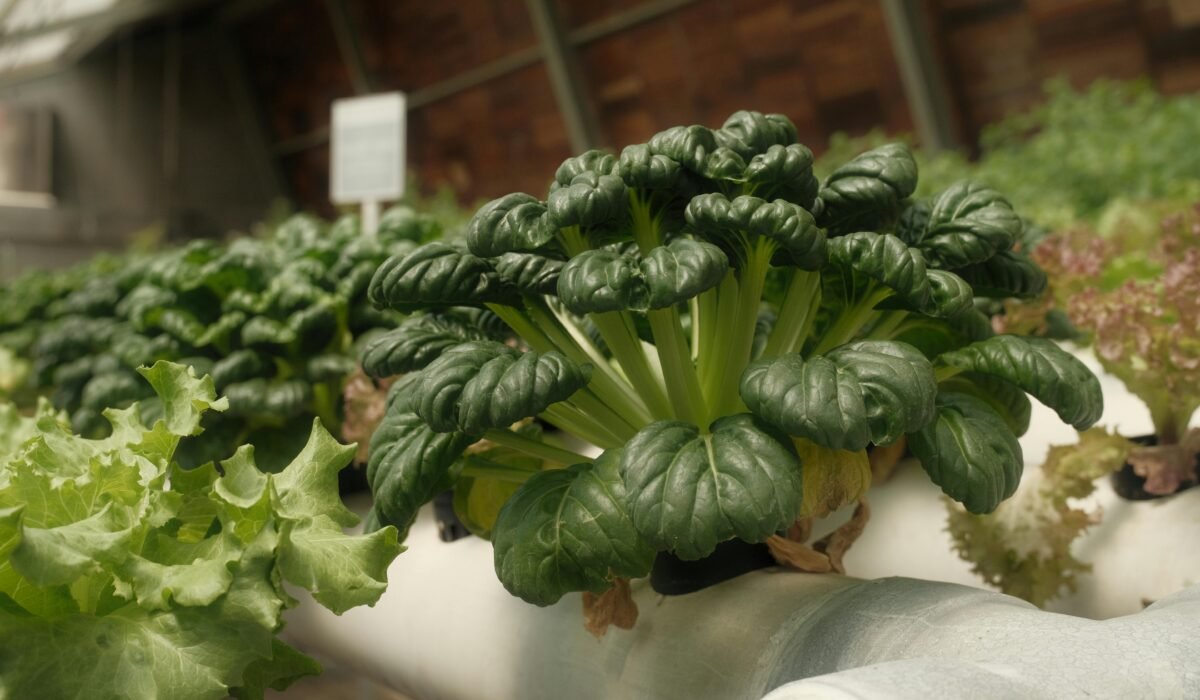
NFT systems involve a shallow stream of nutrient solution flowing continuously over the roots of plants, which are typically housed in small net pots within channels. The plant roots absorb the necessary nutrients and oxygen from this thin film. While traditionally larger, compact NFT variations are becoming popular for balconies or dedicated indoor spaces.
Pros: NFT systems are highly efficient in nutrient and water delivery, leading to rapid plant growth and high hydroponic yield. They are excellent for leafy greens and herbs, offering good oxygenation to the roots. Many designs are vertical, maximizing space for apartment plants.
Cons: NFT systems rely on a pump, which can introduce some noise, a consideration for apartment dwellers. They are also susceptible to power outages, as roots can dry out quickly without the circulating nutrient solution. Initial setup can be slightly more complex than DWC or wick systems.
Example: Smaller, modular NFT channels can be arranged vertically, making them a great option for vertical hydroponics for apartments. Systems like the Lettuce Grow Farmstand offer a robust vertical hydroponic solution, designed to be both productive and aesthetically pleasing for urban farming.
4. Aeroponics Systems
Aeroponics is an advanced hydroponic method where plant roots are suspended in the air and misted with a fine spray of nutrient solution at regular intervals. This provides exceptional oxygenation to the roots, often resulting in faster growth and higher yields compared to other systems.
Pros: Aeroponic systems are incredibly efficient with water and nutrients, promoting explosive growth rates. Their vertical tower designs are perfect for maximizing plant count in a minimal footprint, making them ideal for a vertical garden in an apartment. Dr. Gene Giacomelli notes that “The efficiency of nutrient delivery in hydroponic systems means plants often grow faster and produce higher yields.”
Cons: These systems can be more expensive to set up initially due to specialized misters and pumps. They are also more susceptible to pump failures or power outages, which can quickly harm plants if the roots dry out. The pumps and misters can generate noticeable noise, which is a key consideration for a quiet hydroponic system apartment setup.
Example: Many commercial vertical farming towers utilize aeroponics due to its efficiency. Smaller home versions exist, offering a high-tech solution for compact urban farming.
5. Ebb and Flow (Flood and Drain) Systems
Ebb and Flow systems periodically flood a grow tray with nutrient solution, then drain it back into a reservoir. This cycle provides plants with both nutrients and oxygen, as the roots are alternately submerged and exposed to air. These systems can be scaled down effectively for small spaces.
Pros: Ebb and Flow systems are versatile and can accommodate a wide range of plants and growing mediums. They provide excellent oxygenation to the roots and are relatively efficient with water and nutrients. The customizable nature means you can build a system with a compact design tailored to your space.
Cons: Like NFT and aeroponics, these systems require a pump, which may create noise. They can also be a bit more complex to set up initially due to the need for precise timing of the flood and drain cycles. Regular cleaning is crucial to prevent algae buildup.
Example: While often seen in larger commercial setups, smaller ebb and flow tables can be designed to fit on shelving units or dedicated stands, providing a productive indoor gardening solution for those with a bit more space than a countertop allows.
Factors to Consider When Choosing a Small-Space Hydroponic System
When selecting the best hydroponic systems for small spaces, it’s not just about what fits; it’s about what fits your lifestyle and aesthetic. What most people miss is how crucial factors beyond mere size are for apartment living.
- Available Space: Consider both horizontal footprint and vertical clearance. Do you have a sunny windowsill, a corner, or wall space for a vertical garden? Compact design is paramount.
- Noise Level: Pumps, air stones, and misters can generate noise. If your system will be in a living area or bedroom, a quiet hydroponic system apartment is a must. Wick systems and passive Kratky are completely silent.
- Aesthetics & Integration: Will the system blend with your home decor, or stick out like a sore thumb? Many modern systems are designed to be visually appealing, becoming part of your interior design.
- Ease of Setup & Maintenance: For apartment dwellers, complex setups can be daunting. Look for systems that are easy to assemble and don’t require daily intensive maintenance.
- Plant Compatibility: What do you want to grow? Some systems are better for leafy greens, others for larger fruiting plants. Ensure your chosen system matches your desired apartment plants and expected hydroponic yield.
- Budget: Beyond the initial purchase, consider the cost of nutrients, electricity for grow lights and pumps, and replacement parts. A budget hydroponic setup for small spaces might start with DIY methods.
What is the Easiest Hydroponic System for Beginners in an Apartment?
For those just dipping their toes into the world of soilless cultivation, simplicity is key. The short answer is that passive systems like the Kratky method or simple wick systems are the easiest to start with in an apartment. These require minimal equipment and virtually no active management beyond initial setup and occasional nutrient top-ups.
The Kratky method, often implemented with mason jars, is incredibly straightforward: you simply suspend a plant in a net pot above a nutrient solution, allowing the roots to grow into it as the solution level drops. This eliminates the need for pumps, electricity, or complex timers. Similarly, a basic wick system is easy to assemble and perfect for small herbs. For those seeking an all-in-one solution, self-contained units like the AeroGarden Harvest Elite or Click & Grow Smart Garden offer an exceptionally user-friendly experience, often with automated grow lights and nutrient reminders, making them ideal for first-time indoor gardeners.
Which Hydroponic System is Easiest to Maintain for Apartment Dwellers?
Maintaining a hydroponic garden in an apartment requires systems that fit into a busy lifestyle without demanding constant attention. In practice, systems with fewer moving parts and less need for frequent reservoir changes are the easiest.
Wick systems and the Kratky method stand out as the easiest to maintain for apartment dwellers. Since they are passive, there are no pumps to clean, no timers to set, and no electricity concerns. You primarily monitor water levels and replenish the nutrient solution as needed. Self-contained units, such as the Click & Grow Smart Garden, also offer exceptional ease of maintenance with pre-seeded pods and automated watering cycles, significantly reducing the hands-on effort required for indoor gardening. This hands-off approach makes them perfect for renters or anyone with a demanding schedule.
What is the Cheapest Way to Start Hydroponics in a Small Space?
Starting hydroponics doesn’t have to break the bank, especially when you’re working with a small space and a tight budget. The most cost-effective entry point is often a DIY approach.
The Kratky method is hands-down the cheapest way to start hydroponics in a small space. You can use readily available materials like opaque plastic containers, mason jars, or even repurposed food-grade buckets. Combined with inexpensive net pots, growing medium, and a basic nutrient solution, your initial investment can be minimal. This approach bypasses the need for pumps, air stones, and electricity, making it a true budget hydroponic setup for small spaces. While commercial starter kits exist, often costing upwards of $50-$100, a DIY Kratky setup can be assembled for less than $20, allowing you to experiment with soilless cultivation without significant financial commitment.
Beyond the Basics: Cost of Ownership & ROI for Apartment Hydroponics
When evaluating the best hydroponic systems for small spaces, it’s crucial to look beyond the initial purchase price. The true cost of ownership includes ongoing expenses, and understanding the potential return on investment (ROI) can justify your decision to embrace urban farming.
Initial Costs: These range from under $20 for a DIY Kratky setup to $100-$300 for popular countertop units like AeroGarden or Click & Grow, and potentially $400-$800+ for larger vertical hydroponics for apartments like the Lettuce Grow Farmstand. These prices typically include the system itself, starter seeds/pods, and initial nutrient solution.
Ongoing Costs:
- Nutrient Solution: This is a recurring expense, typically costing $15-$30 for a bottle that lasts several months, depending on your system size and plant needs.
- Electricity: Grow lights are the primary energy consumer. LED grow lights are energy-efficient, but running them 12-16 hours a day adds to your utility bill. Pumps in DWC, NFT, and aeroponic systems also consume power, albeit less than lights.
- Replacement Parts: Over time, air stones, pumps, and grow light bulbs may need replacement.
- Seeds/Pods: While you can buy bulk seeds, pre-seeded pods for smart gardens are convenient but more expensive.
Return on Investment (ROI): Hydroponics can offer a significant return, both tangible and intangible. The most direct financial ROI comes from grocery savings. Growing your own fresh herbs, lettuce, and small vegetables can offset a considerable portion of your produce bill, especially for specialty items. For example, a single head of hydroponic lettuce can cost $4-$5 at a grocery store, while growing it yourself can be pennies. Dr. Nate Storey emphasizes that “Hydroponics offers a viable solution for urban residents with limited space, allowing them to cultivate fresh produce year-round, significantly reducing their carbon footprint and improving food security.”
Beyond monetary savings, the ROI includes access to fresher, healthier produce free from pesticides, the satisfaction of harvesting your own food, and a reduced environmental footprint. Hydroponic systems use up to 90% less water than traditional soil-based gardening, making them an environmentally efficient option. Over time, the consistent hydroponic yield from your system can far outweigh the initial and ongoing costs.
Best Plants to Grow in Your Apartment Hydroponic Garden
Choosing the right apartment plants is crucial for success in a small hydroponic setup. Not all plants are created equal when it comes to thriving in compact designs and limited light conditions. Focus on varieties known for their smaller stature and quick growth cycles.
Here are some of the best plants to consider for your indoor gardening venture:
- Leafy Greens: Lettuce (especially loose-leaf varieties like Romaine, Butterhead, and Red Salanova), spinach, kale, and Swiss chard are excellent choices. They grow quickly, are relatively compact, and offer a continuous harvest.
- Herbs: Basil, mint, cilantro, parsley, chives, and oregano thrive in hydroponic systems. Many herbs can be continuously harvested, providing a fresh supply for your culinary needs. For maximizing your harvest in limited space, consider a vertical herb garden for small spaces.
- Fruiting Plants (Compact Varieties): While more challenging, compact varieties of strawberries, cherry tomatoes, and small peppers can be grown. Look for “dwarf” or “bush” varieties specifically bred for containers and smaller spaces. These will require more light and potentially more robust systems like DWC or NFT.
- Microgreens: These nutrient-dense seedlings are incredibly fast-growing and require minimal space, making them perfect for a quick and rewarding hydroponic yield.
What most people miss is that consistent light is just as important as nutrients for fruiting plants. Ensure your grow lights are powerful enough for these more demanding apartment plants. For more detailed guidance on plant selection, you might find “How to Choose Right Plants for Your Garden” helpful.
Can You Grow Hydroponics in a Small Apartment? Addressing Common Concerns
Absolutely, you can grow hydroponics in a small apartment! The rising trend of urban farming is largely fueled by the accessibility and efficiency of hydroponic systems for limited spaces. Many people wonder about the practicalities, but modern solutions address most concerns.
Space Limitations
The biggest concern for apartment dwellers is often space. However, many of the best hydroponic systems for small spaces are specifically designed with a compact footprint. Vertical garden systems, like the Lettuce Grow Farmstand or tiered NFT setups, allow you to grow dozens of plants in just a few square feet of floor space. Countertop units take up no more room than a coffee maker. Strategic placement near a window or against a wall can maximize even the smallest areas.
Noise from Pumps
Noise is a valid concern when living in close quarters. As discussed, passive systems like the Kratky method and wick systems are completely silent, making them ideal for bedrooms or quiet living areas. For active systems, look for models advertised as a quiet hydroponic system apartment friendly. Many modern pumps are designed for low noise, and placing them on a rubber mat can further dampen vibrations.
Lighting Requirements
Even with a sunny window, natural light in apartments can be insufficient, especially during winter or for plants requiring more intensity. This is where integrated LED grow lights become essential. Most ready-to-use systems come with optimized grow lights, ensuring your apartment plants receive the full spectrum they need for robust growth, regardless of external conditions.
Pest Management
While hydroponics reduces soil-borne pests, indoor environments can still attract common houseplant pests like fungus gnats or aphids. The key to prevention is good hygiene: start with clean seeds or seedlings, sterilize your system between grows, and inspect plants regularly. Since there’s no soil, managing pests is often simpler than in traditional gardening. For guidance on managing pests in container gardens, you might refer to resources on organic pest control for terrace gardens.
Hydroponics for Renters
Renters often worry about potential damage or modifications. Hydroponic systems are typically self-contained units that don’t require any permanent installation or changes to the apartment structure. Choosing a system with a compact design and a built-in reservoir minimizes the risk of spills. Many systems are designed to be easily moved, perfect for those who might relocate.
Frequently Asked Questions
What is the easiest hydroponic system for a beginner?
The easiest hydroponic system for a beginner, especially in an apartment, is typically the Kratky method or a simple wick system. These passive systems require no pumps or electricity, making them incredibly straightforward to set up and manage, ideal for growing leafy greens and herbs with minimal effort.
Which hydroponic system is easiest to maintain?
For apartment dwellers, wick systems and the Kratky method are the easiest to maintain because they are passive and have no moving parts. Self-contained units like the Click & Grow Smart Garden also offer exceptional ease of maintenance with automated functions, requiring minimal intervention from the gardener.
What is the cheapest way to start hydroponics?
The cheapest way to start hydroponics in a small space is using the DIY Kratky method, which can be assembled with common household items like mason jars or plastic containers for under $20. This budget-friendly setup requires no electricity or specialized equipment, making it an accessible entry point for urban farming.
Which plants grow best in hydroponics in an apartment?
Leafy greens such as lettuce, spinach, and kale, along with common herbs like basil, mint, and cilantro, grow exceptionally well in hydroponics in an apartment. These plants have compact growth habits, quick harvest cycles, and thrive under typical indoor grow light conditions, offering a consistent hydroponic yield.
Embracing hydroponics in your apartment is a rewarding journey into urban farming, offering fresh produce and a touch of green to your living space. By understanding the various systems and considering your unique apartment constraints, you can confidently select the best hydroponic systems for small spaces that perfectly fit your needs. Start your indoor garden today and enjoy the bounty of soilless cultivation!