
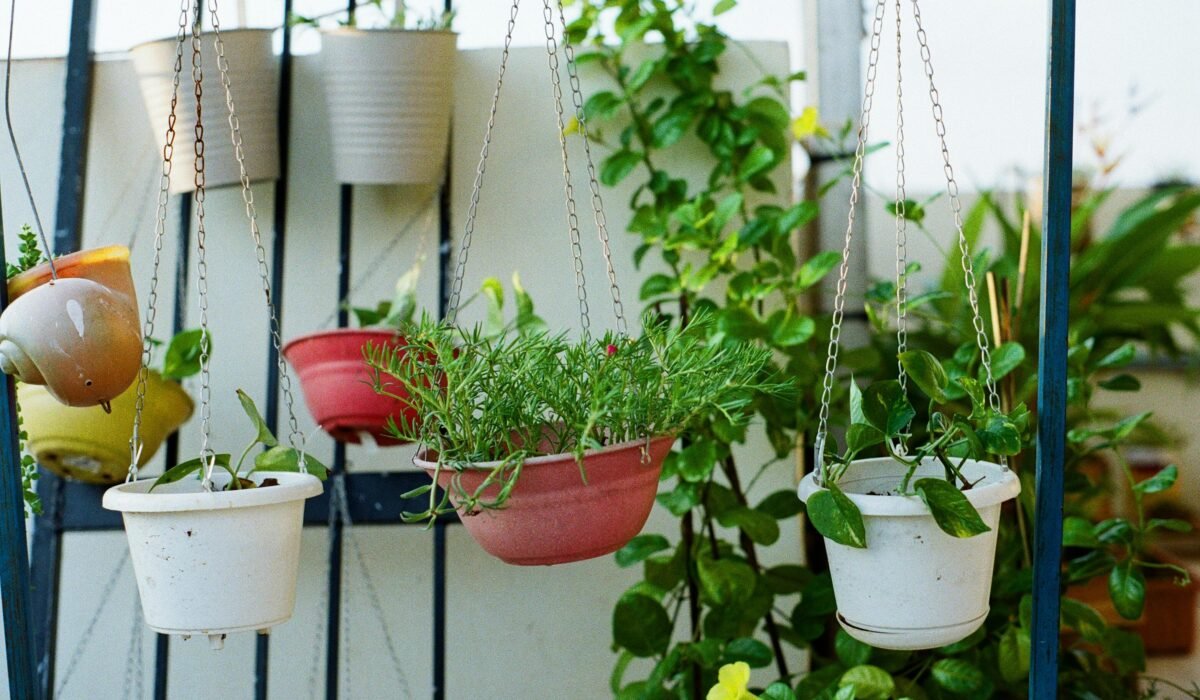
Are you struggling with uninvited guests munching on your precious plants, wondering how to protect your urban oasis without harsh chemicals? Mastering organic pest control for terrace gardens is the key to cultivating a thriving, healthy green space that benefits both your plants and the environment. This complete guide will walk you through effective, natural strategies to keep your terrace garden flourishing.
Why Choose Organic Pest Control for Your Terrace Garden?
Choosing natural pest control methods for your urban garden isn’t just a trend; it’s a commitment to healthier living and a resilient ecosystem. Unlike chemical pesticides that can harm beneficial insects, pets, and even you, organic solutions work in harmony with nature. This approach ensures your fruits, vegetables, and flowers are free from harmful residues.
The demand for eco-friendly pest control is soaring, with the natural pest control market projected to reach USD 22 billion by 2033, demonstrating a clear shift towards sustainable practices. As Wendell Berry wisely put it, “A person who is growing a garden, if he is growing it organically, is improving a piece of the world.” You’re not just growing plants; you’re nurturing a tiny, vibrant ecosystem right on your balcony or rooftop.
Opting for organic gardening tips means you’re investing in the long-term health of your plants and the planet. It builds garden resilience, a key watchword for 2024 according to RHS Chief Horticulturist Guy Barter, helping your terrace garden withstand environmental stresses more effectively. Plus, you get the immense satisfaction of knowing your produce is truly clean and healthy.
Unique Pest Challenges in Terrace & Container Gardens
Terrace and container gardens, while offering incredible urban greening opportunities, present their own distinct set of pest challenges. Limited space often means plants are grown in close proximity, making it easier for pests to spread quickly from one plant to another. This close contact creates a perfect environment for container garden pests to thrive.
Urban environments also mean unique microclimates; terraces can experience higher heat retention and different wind patterns compared to ground-level gardens. These conditions can sometimes favor certain pests, while also affecting the presence and movement of beneficial insects. What most people miss is how crucial good drainage and proper soil health are in these confined spaces, as stressed plants are more susceptible to infestations. For insights on managing water, consider our guide on Balcony Plant Drainage Solutions.
The confined nature of pots can also lead to nutrient imbalances or root stress if not managed correctly, further weakening plants. Addressing these specific constraints is vital for effective urban gardening pest solutions, moving beyond generic advice to truly tailored strategies.
Implementing Proactive Integrated Pest Management (IPM) for Urban Spaces
Integrated Pest Management (IPM) is not just about reacting to pests; it’s a holistic, proactive strategy that minimizes pest damage with the least possible harm to people and the environment. For terrace gardens, IPM means constantly monitoring, understanding pest life cycles, and employing a sequence of organic interventions before problems escalate. It’s about being smart, not just spraying.
Weekly Garden Inspections: Your First Line of Defense
The short answer to preventing major infestations is vigilance. Dr. Linda Chalker-Scott from Washington State University advises, “Spot problems early and they’re easier to fix.” Make it a habit to inspect your plants at least once a week, checking both the tops and undersides of leaves, stems, and soil surfaces. Early detection is absolutely critical for managing common terrace garden pests effectively.
Cultural Practices to Reduce Pest Vulnerability
Good cultural practices form the backbone of any successful IPM program. This includes choosing pest-resistant plant varieties suited to your climate, ensuring proper watering (neither too much nor too little), and providing adequate sunlight. Building healthy soil organically is paramount, as robust plants are naturally more resistant to pests. Consider using our guide on DIY Terrace Garden Soil Mix to create an optimal growing medium.
Proper plant spacing, even in limited terrace spaces, improves air circulation and reduces humidity, which can deter fungal diseases and some pests. Promptly removing diseased or heavily infested plant parts also prevents pests from spreading throughout your garden. Maintaining cleanliness by removing plant debris is a simple yet powerful preventative measure.
Identifying Common Pests in Terrace Gardens & Their Early Signs
Knowing your enemy is half the battle in DIY organic pest control. Many pests thrive in the sheltered, often warmer conditions of urban terraces. Learning to spot their presence early can save your plants from significant damage. Here’s how to identify some of the most prevalent invaders:
Aphids
These tiny, pear-shaped insects come in various colors (green, black, red, yellow) and cluster on new growth, buds, and the undersides of leaves. They suck plant sap, causing stunted growth, curled leaves, and often leave behind a sticky substance called honeydew. Look for ants, which “farm” aphids for honeydew, as an early indicator of an aphid problem.
Spider Mites
Extremely tiny and often hard to see with the naked eye, spider mites create fine webbing on plants, especially on the undersides of leaves and in leaf axils. Infested leaves may appear stippled (tiny dots), discolored, or bronzed. They thrive in hot, dry conditions, making terrace gardens particularly susceptible.
Mealybugs
Mealybugs are soft-bodied insects covered in a white, cottony, waxy substance, often found in leaf axils, along stems, or on the undersides of leaves. Like aphids, they suck sap and excrete honeydew, leading to sooty mold growth. Their waxy coating makes them somewhat resistant to simple sprays.
Whiteflies
These tiny, white, winged insects flutter up in a cloud when disturbed from the undersides of leaves. They also suck sap and excrete honeydew, causing leaves to yellow, wilt, and drop. They can be particularly persistent in warm, sheltered environments.
Best Organic Solutions & DIY Remedies for Terrace Garden Pests
Once you’ve identified a pest problem, the next step is to choose an effective organic intervention. There’s a wide array of natural solutions available, from simple physical removal to homemade sprays for plants and targeted biological controls. The key is to act swiftly and consistently.
Physical & Mechanical Control
- Hand-picking: For larger pests like caterpillars or slugs, simply pick them off and drop them into a bucket of soapy water.
- Strong Water Spray: A strong jet of water can dislodge aphids, spider mites, and whiteflies from leaves. Repeat every few days until the population is controlled. This is a highly effective first step for aphid control organic.
- Diatomaceous Earth (DE): This non-toxic powder, made from fossilized algae, kills crawling pests like slugs, snails, and earwigs by cutting their exoskeletons and causing dehydration. It has an 84% success rate for slug control. Apply when plants are dry, and reapply after rain.
Homemade Sprays & Botanical Insecticides
DIY pest control solutions are often simple to make and incredibly effective, providing natural pest control without harsh chemicals.
- Neem Oil Spray: A widely used natural insecticide and fungicide, neem oil disrupts insect hormonal systems and acts as a repellent. Mix 1-2 tablespoons of cold-pressed neem oil with a few drops of mild liquid soap (like Dr. Bronner’s castile soap) per gallon of water. Spray thoroughly, especially on leaf undersides, in the evening. It’s effective against caterpillars, whiteflies, thrips, and mealybugs.
- Garlic-Chili Spray: This pungent spray deters pests like aphids, mealybugs, and mites. Blend a head of garlic and a few green chilies with water, let it steep, then strain and add a drop of mild soap. Dilute and spray weekly.
- Oil and Soap Spray (Insecticidal Soap): A simple mixture of one tablespoon of canola oil and a few drops of mild liquid soap (e.g., Ivory soap) into a quart of water effectively smothers soft-bodied insects like aphids, mites, and whiteflies. This solution breaks down their protective outer layer, leading to dehydration.
- Fungicide Baking Soda Spray: For powdery mildew, rust, and other fungal diseases, mix 1 tablespoon baking soda, 1 tablespoon oil, and 1 liter of water. Spray on affected plants to control the spread.
Biological Pest Control Products
When DIY methods need a boost, certain organic products leverage natural biology to fight pests:
- Bacillus thuringiensis (Bt): A naturally occurring soil bacterium, Bt produces a toxin lethal to many insect larvae, particularly caterpillars like cabbageworms and armyworms. It’s highly specific, making it safe for beneficial insects.
- Spinosad: Derived from soil bacteria, Spinosad is toxic to many insects by affecting their nervous system. It’s highly effective against caterpillars (with a 79% success rate against cabbageworms), thrips, and beetles. Products like Bonide Captain Jack’s Deadbug Brew use Spinosad as their active ingredient.
- Essential Oil Blends: Some commercial products, like Dr. Earth Final Stop Vegetable Garden Insect Killer, utilize essential oils (rosemary, sesame, peppermint, cinnamon, garlic) to kill insects and provide a residual repellent effect for about two weeks.
Attracting Beneficial Insects to Your Terrace Garden
One of the most elegant and effective strategies for natural pest control for container gardens is to invite nature’s own pest controllers: beneficial insects. These tiny allies prey on common garden pests, providing ongoing, chemical-free protection. What most people miss is that attracting them is often easier than you think.
Creating a Welcoming Habitat
Beneficial insects like ladybugs, lacewings, hoverflies, and parasitic wasps are tireless workers, controlling populations of aphids, whiteflies, mites, and caterpillars. To attract them, you need to provide both food (nectar and pollen) and shelter. Planting a diverse array of nectar-rich flowers is key. For more on strategic planting, explore our Best Companion Plants Guide.
Consider adding a small water source, like a shallow dish with pebbles, to provide a safe drinking spot. Remember that even a small terrace can become a haven for these helpful creatures if you make it inviting.
Top Plants to Attract Beneficial Insects to a Terrace Garden
Planting specific flowers and herbs can turn your terrace into a buzzing hub of beneficial activity. These plants offer nectar and pollen, sustaining your pest control army:
- Dill & Fennel: Umbels are perfect landing pads for many beneficials.
- Yarrow & Cilantro: Both provide tiny flowers that attract a wide range of predators.
- Daisies, Goldenrod & Cosmos: Simple, open flowers are easily accessible nectar sources.
- Sweet Alyssum & Calendula: These low-growing flowers are particularly effective at attracting hoverflies and parasitic wasps.
By consciously integrating these plants, you’re not just decorating your terrace; you’re building a self-sustaining pest management system. This strategy is particularly powerful for attracting beneficial insects to a terrace garden because it works continuously.
Maintaining a Healthy Terrace Garden Organically
Sustaining a healthy, pest-free terrace garden organically is an ongoing process, not a one-time fix. It involves consistent care, observation, and a commitment to nurturing your plants from the ground up. Remember, plant disease prevention goes hand-in-hand with pest control, as stressed plants are more vulnerable.
Consistent Monitoring and Early Intervention
Regularly checking your plants, as recommended by Dr. Linda Chalker-Scott, is the single most important habit you can develop. Catching issues when they’re small makes them infinitely easier to manage with organic methods. A few aphids on one leaf are simple to wipe off; an entire colony requires more effort. The short answer is to be proactive, not reactive.
Crop Rotation and Diversity in Containers
Even in containers, practicing a form of crop rotation can help. Avoid planting the same type of vegetable in the same pot season after season, as this can lead to a buildup of specific soil-borne pests and diseases. Instead, rotate plant families or grow a diverse mix of plants. This diversity also helps confuse pests and creates a more robust ecosystem. A study by Washington State University and the University of Georgia found that increased species evenness in organic plots led to 18% lower pest densities and 35% larger plants compared to conventional plots according to WSU research.
Proper Sanitation and Pruning
Always remove fallen leaves, spent flowers, and any diseased plant material promptly. This eliminates potential hiding spots for pests and prevents the spread of pathogens. Proper pruning also improves air circulation, reducing humidity and making your plants less inviting to many pests and fungal diseases. For basic pruning tips, check out our guide on Pruning Basics for Beginners.
Clean your gardening tools regularly, especially after working with an infested plant, to avoid transferring pests or diseases to healthy ones. This simple step can make a big difference in preventing widespread issues.
Frequently Asked Questions
How do I keep pests off my terrace garden?
To keep pests off your terrace garden, focus on proactive Integrated Pest Management (IPM) strategies. Regularly inspect your plants, maintain healthy soil and proper watering, attract beneficial insects, and use companion planting to deter common pests naturally. Early detection and prompt, organic intervention are crucial for prevention.
What is the best organic pest control for vegetable garden?
The best organic pest control for a vegetable garden combines cultural practices, physical removal, and natural sprays. Neem oil, insecticidal soap, and Bacillus thuringiensis (Bt) are highly effective organic products, while homemade garlic-chili sprays also deter many pests. Attracting beneficial insects like ladybugs is also a top strategy for ongoing protection.
How do I keep bugs off my outdoor plants naturally?
To keep bugs off outdoor plants naturally, ensure your plants are healthy and well-fed, as strong plants are more resistant. Employ physical barriers, hand-pick larger pests, and use strong water sprays to dislodge soft-bodied insects. Introduce beneficial insects and utilize homemade remedies like neem oil or insecticidal soap sprays for effective, eco-friendly control.
How do you keep a terrace garden healthy?
Keeping a terrace garden healthy involves nurturing its overall ecosystem. Provide adequate sunlight, consistent watering, and nutrient-rich, well-draining soil (potentially using a DIY terrace soil mix). Practice vigilant pest monitoring, encourage beneficial insects, and prune regularly to improve air circulation. Healthy plants are naturally more resilient against both pests and diseases.
Embracing organic pest control for terrace gardens is a journey towards a more sustainable and vibrant urban green space. By understanding your unique challenges and applying these proactive, natural solutions, you can cultivate a thriving garden that brings joy and fresh produce to your home. Start implementing these strategies today and watch your terrace garden flourish, naturally.







